
Il serpente di bronzo
Nella volta della Cappella Sistina affrescai numerose scene e personaggi della Genesi.
Fra i vari soggetti che decisi a suo tempo di raffigurare, c’è anche il Serpente di Bronzo, una delle storie delle salvazioni di Israele durante le quali il popolo israelita venne protetto dall’Altissimo.
Questa scena è uno degli ultimi brani di pittura a cui misi mano prima di concludere definitivamente la decorazione della volta.

La scena si trova nel pennacchio a sinistra dell’altare e ha un forte impatto scenico ed emotivo.
Il popolo di Israele s’era macchiato della colpa di aver dubitato di Dio, mormorando falsità a discapito di Mosè. L’Altissimo allora gli inviò serpenti velenosi per punirli e uccidere i peccatori impenitenti. Mosè però si pentì della sua collera e forgiò un serpente di bronzo come antidoto.
Ogni persona morsicata dai serpenti velenosi poteva essere salvata da morte certa solo guardando negli occhi il serpentone di bronzo.
Nello spazio del pennacchio che avevo a disposizione, cercai di ricreare il tumulto di corpi intrecciati rendendolo ancora più inquietante con colori in forte contrasto fra di loro. Mi sbizzarrii nel creare scorci prospettici azzardati e dando vita a volti trasformati in maschere dolorose.
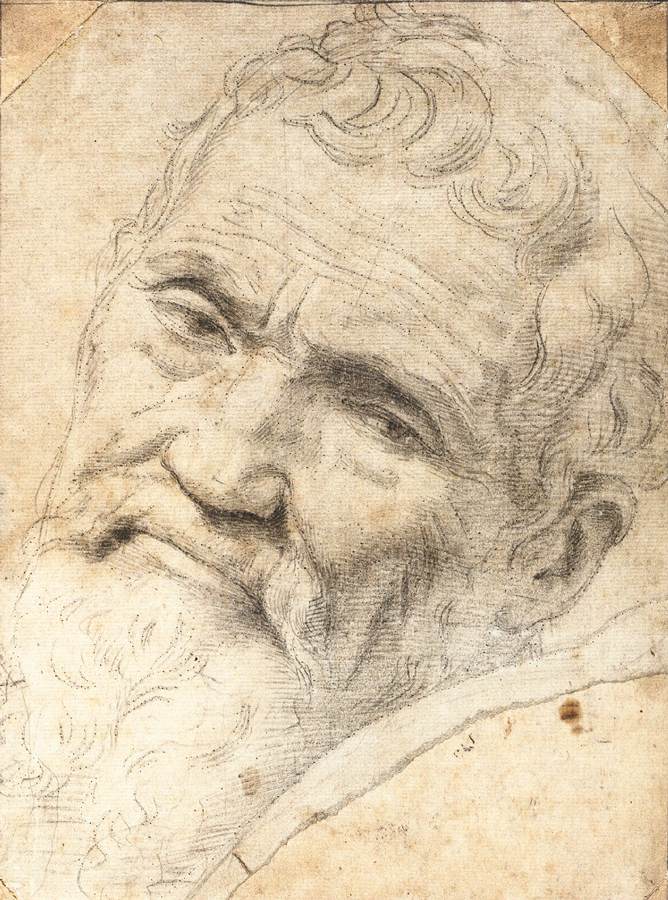
Il sempre vostro Michelangelo Buonarroti con i suoi discorsi e i suoi racconti
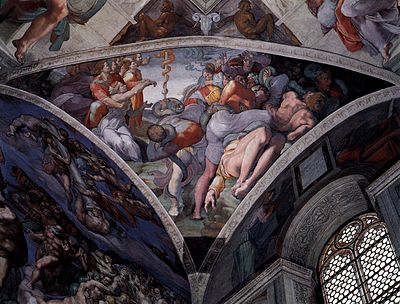
The bronze snake
In the vault of the Sistine Chapel I wanted to depict numerous scenes and characters from Genesis. Among the various subjects that I decided at the time to paint, there is also The Serpent of Bronze or one of the stories of the salvation of Israel during which the Israelite people were protected by the Most High.
It is one of the last images I put my hand into before finally finishing the decoration of the vault. The scene is found in the plume to the left of the altar and has a strong scenic and emotional impact.
The people of Israel had been guilty of the guilt of having doubted God, murmuring falsehood at the expense of Moses. God then sent him poisonous snakes to punish them and kill unrepentant sinners. But Moses repented of his anger and forged a bronze serpent as an antidote. In fact, every person bitten by poisonous snakes could be saved from certain death only by looking at the bronze snake in the eye.

In the space of the plume I had available, I tried to recreate the tumult of intertwined bodies, making it even more disturbing with colors in sharp contrast between them. I indulged in creating risky perspective views and giving life to faces transformed into painful masks.
Your always Michelangelo Buonarroti with his speeches and his stories
Sostienici – Support Us
Se questo blog ti piace e ti appassiona, puoi aiutarci a farlo crescere sempre più sostenendoci in modo concreto condividendo i post, seguendo le pagine social e con un contributo che ci aiuta ad andare avanti con il nostro lavoro di divulgazione. . ENGLISH: If you like and are passionate about this blog, you can help us make it grow more and more by supporting us in a concrete way by sharing posts, following social pages and with a contribution that helps us to move forward with our dissemination work.
10,00 €
ULTIMI ARTICOLI
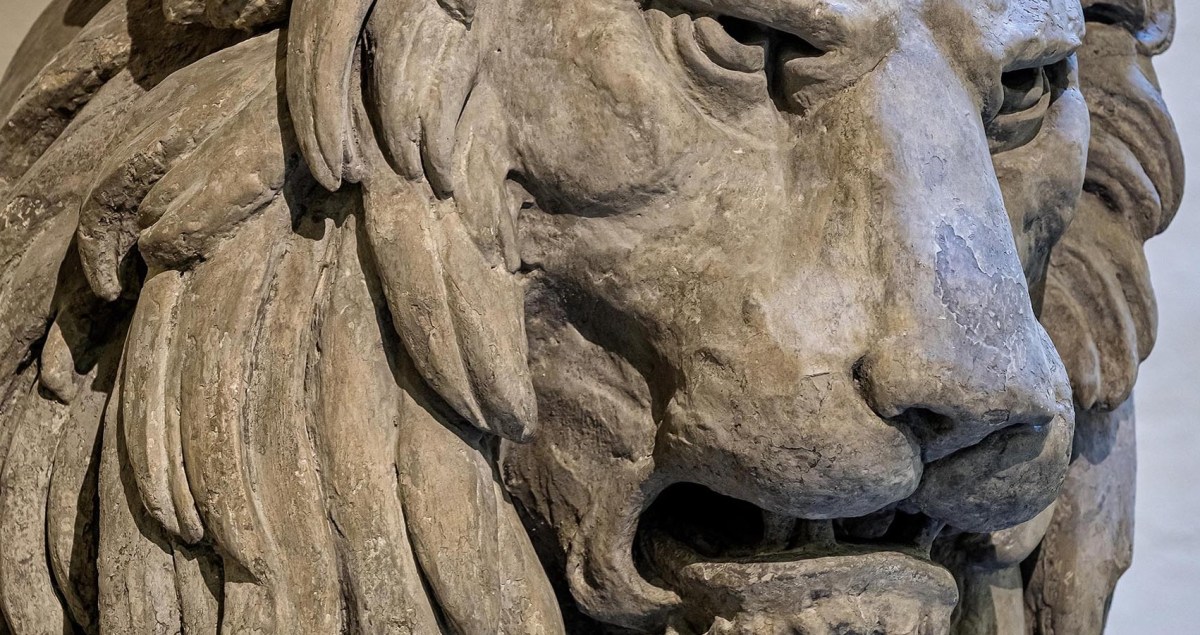
Palazzo Vecchio, il restauro svela la vera natura dei quattro leoni e il mistero della fontana greca
🇮🇹Restaurato il Cortile della Dogana di Palazzo Vecchio a Firenze: i quattro leoni sono calchi, una fontana conserva un’iscrizione greca da studiare e tornano a funzionare entrambe le fontane… 🇬🇧The Cortile della Dogana (Customs Courtyard) at Palazzo Vecchio in Florence has been restored: the four lions are casts, one fountain features a Greek inscription that…
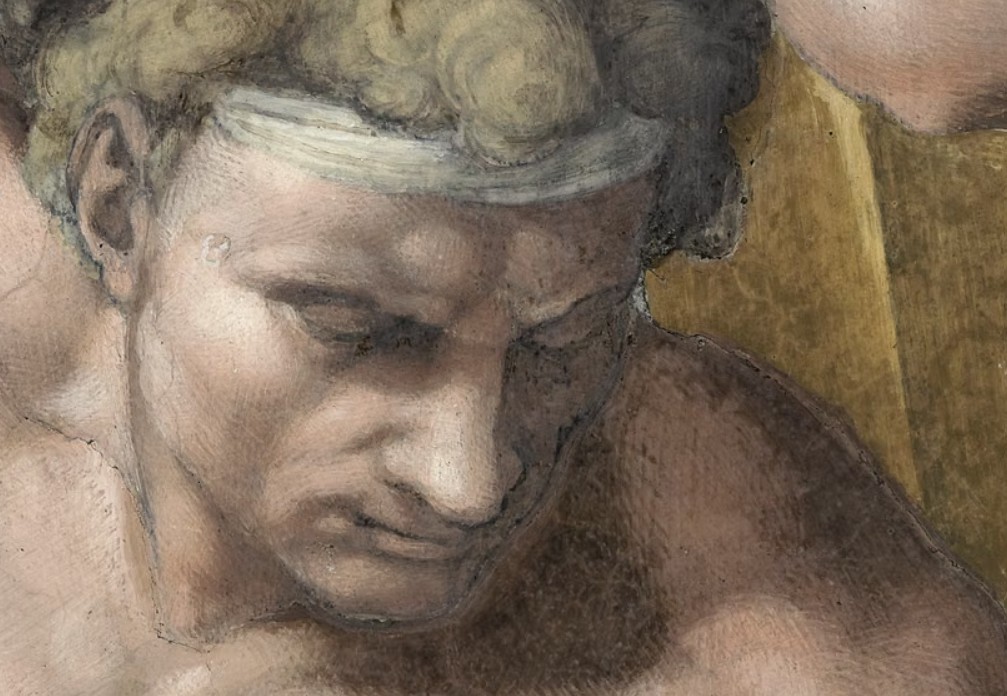
Disma, il buon ladrone nel Giudizio Universale: la misericordia e la giustizia divina
Nel Giudizio Universale della Cappella Sistina ci sono particolari che rischiano di passare inosservati, anche a chi ha avuto la fortuna di alzare gli occhi verso la mia grande parete. Tra i corpi che si sollevano, gli angeli che suonano le trombe e le anime che cercano di raggiungere il cielo, ci sono figure che…
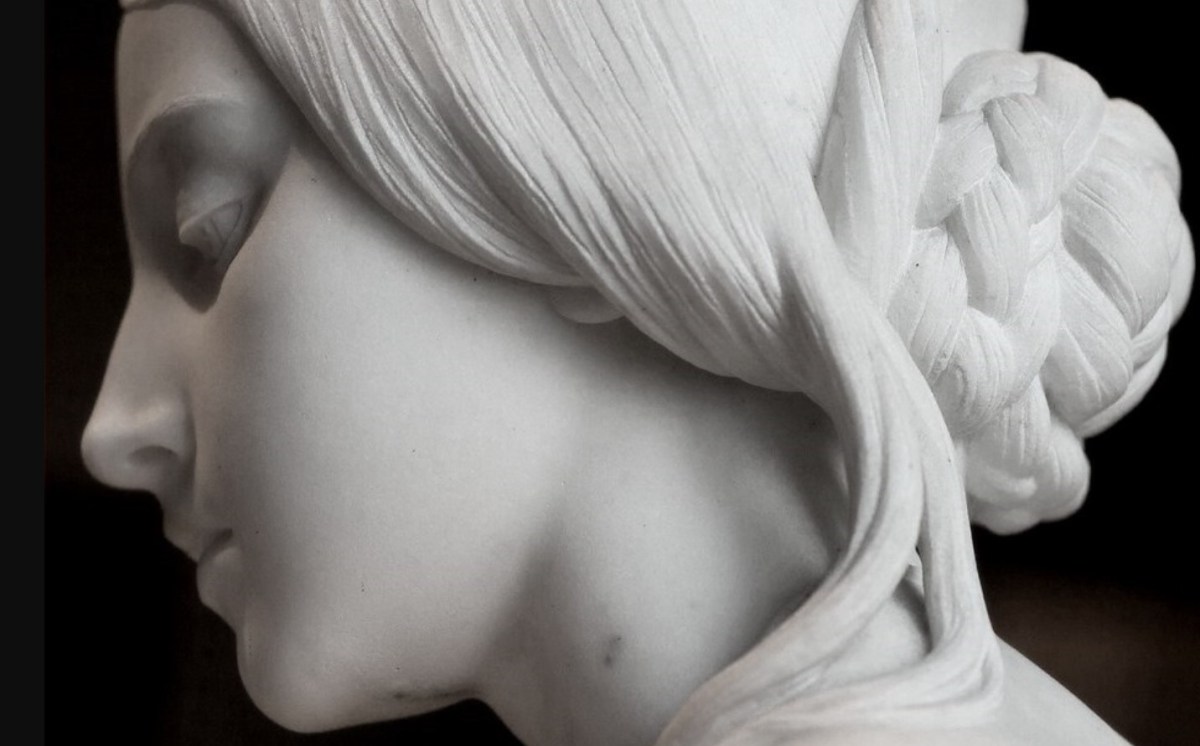
21 ottobre 1816: nasce Pietro Magni, lo scultore che trasformò una giovane lettrice in un capolavoro
🇮🇹Il 21 ottobre 1816 nasceva Pietro Magni, lo scultore della Giovane leggitrice. Scopri la storia dell’opera ignorata a Brera e diventata un successo nel 1861… 🇬🇧On October 21, 1816, Pietro Magni—the sculptor behind The Young Reader was born. Discover the story of this work, which was initially overlooked at the Brera Academy before becoming a…

21 ottobre 1556: muore Pietro Aretino, il ‘flagello dei principi’ che attaccò il mio Giudizio Universale
🇮🇹Il 21 ottobre 1556 moriva Pietro Aretino, poeta e polemista rinascimentale. Dopo aver chiesto invano un mio disegno, si scagliò contro il Giudizio Universale… 🇬🇧On October 21, 1556, Pietro Aretino—a Renaissance poet and polemicist—died. After having asked me in vain for a drawing, he lashed out against The Last Judgment…
Si è verificato un problema. Aggiorna la pagina e/o riprova in seguito.
Condividi:


Questo sono io



sostienici

Sostienici – Support Us
Se questo blog ti piace e ti appassiona, puoi aiutarci a farlo crescere sempre più sostenendoci in modo concreto condividendo i post, seguendo le pagine social e con un contributo che ci aiuta ad andare avanti con il nostro lavoro di divulgazione. . ENGLISH: If you like and are passionate about this blog, you can help us make it grow more and more by supporting us in a concrete way by sharing posts, following social pages and with a contribution that helps us to move forward with our dissemination work.
€10,00


