

Geremia
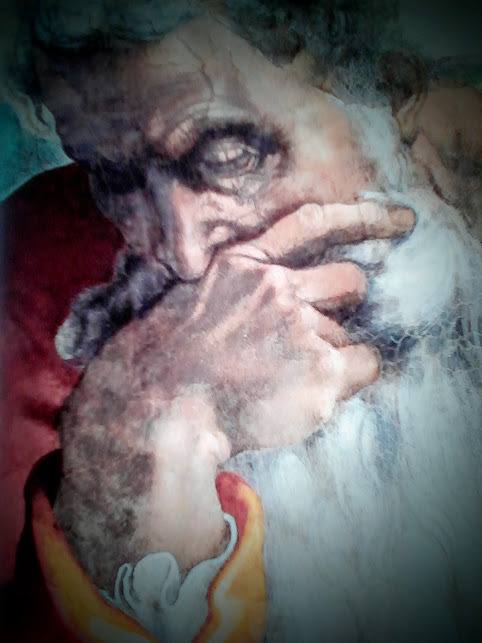
Geremia è una delle figure più tristi a cui diedi forma e vita. Lo affrescai nella volta della Cappella Sistina, proprio al di sotto del quadro della Separazione della luce e delle Tenebre, proprio sul lato opposto della Sibilla Libica.
Nei testi sacri si fa riferimento a lui come il profeta triste. Ebbe come compagna di vita la depressione forse per le sue visioni poco lusinghiere sul futuro dell’umanità tutta.
Siede su un trono e con aria pensierosa sorregge la testa con l amano destra portata all’altezza del mento. Vi ricorda qualcuno? Il suo atteggiamento è quello che riproposi poi per Lorenzo de’ Medici, Duca d’Urbino, nella Sagrestia Nuova a Firenze.
Gli sono affezionato a questo vecchio triste che spesso si fronteggiava col Diavolo e redarguiva aspramente i re.
Il sempre vostro Michelangelo Buonarroti e i suoi racconti
Jeremiah
Jeremiah is one of the saddest figures to whom I gave shape and life. I frescoed it in the vault of the Sistine Chapel, just below the picture of the Separation of Light and Darkness, right on the opposite side of the Libyan Sibyl.
In the sacred texts it refers to him as the sad prophet: He had as a life companion depression perhaps because of his unflattering visions about the future of all humanity.
He sits on a throne and thoughtfully holds his head with his right hand brought up to his chin. does anyone remember you? His attitude is what he then proposed for Lorenzo de ‘Medici, Duke of Urbino, in the New Sacristy in Florence.
I am fond of this sad old man who often faced the Devil and bitterly rebuked the kings.
Your always Michelangelo Buonarroti and his stories

Sostienici – Support Us
Se questo blog ti piace e ti appassiona, puoi aiutarci a farlo crescere sempre più sostenendoci in modo concreto condividendo i post, seguendo le pagine social e con un contributo che ci aiuta ad andare avanti con il nostro lavoro di divulgazione. . ENGLISH: If you like and are passionate about this blog, you can help us make it grow more and more by supporting us in a concrete way by sharing posts, following social pages and with a contribution that helps us to move forward with our dissemination work.
5,00 €
ULTIMI ARTICOLI
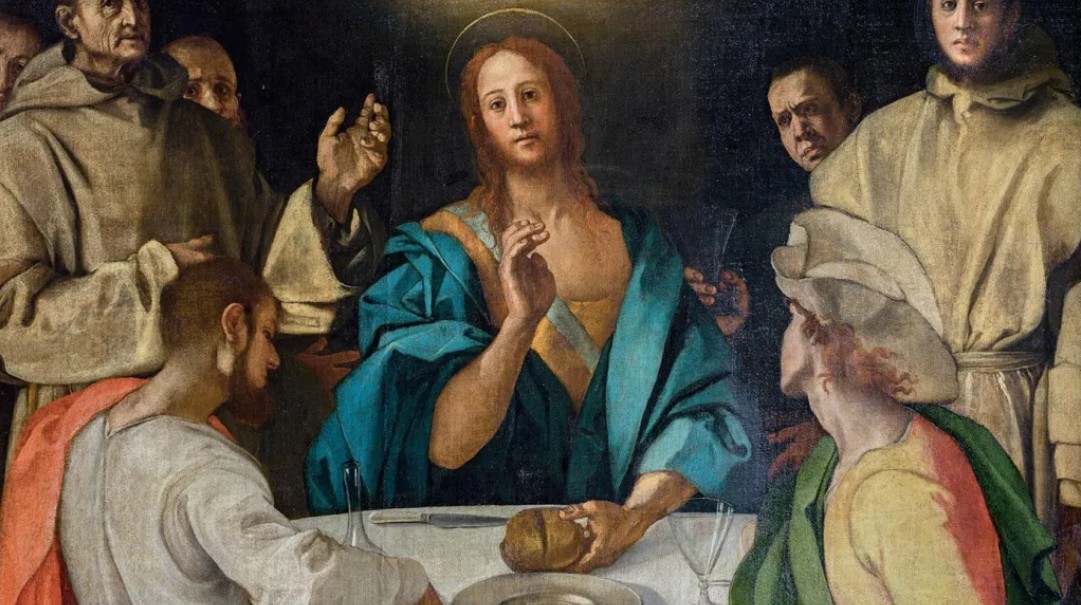
Cena in Emmaus di Pontormo: il pane, il gatto e il cane alle Scuderie del Quirinale
La Cena in Emmaus di Pontormo nasconde dettagli sorprendenti: il significato del pane, i simboli e il mistero della Resurrezione. Scopri il capolavoro del 1525 in mostra alle Scuderie del Quirinale a Roma… 🇬🇧Pontormo’s *Supper at Emmaus* conceals surprising details: the significance of the bread, various symbols, and the mystery of the Resurrection. Discover this…
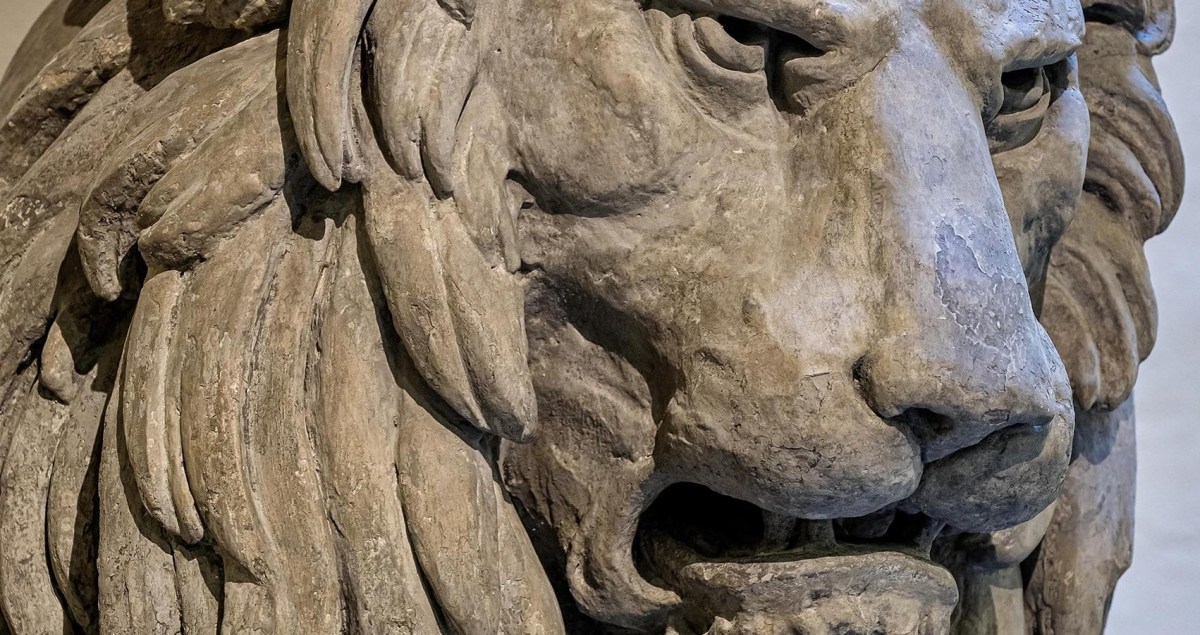
Palazzo Vecchio, il restauro svela la vera natura dei quattro leoni e il mistero della fontana greca
🇮🇹Restaurato il Cortile della Dogana di Palazzo Vecchio a Firenze: i quattro leoni sono calchi, una fontana conserva un’iscrizione greca da studiare e tornano a funzionare entrambe le fontane… 🇬🇧The Cortile della Dogana (Customs Courtyard) at Palazzo Vecchio in Florence has been restored: the four lions are casts, one fountain features a Greek inscription that…
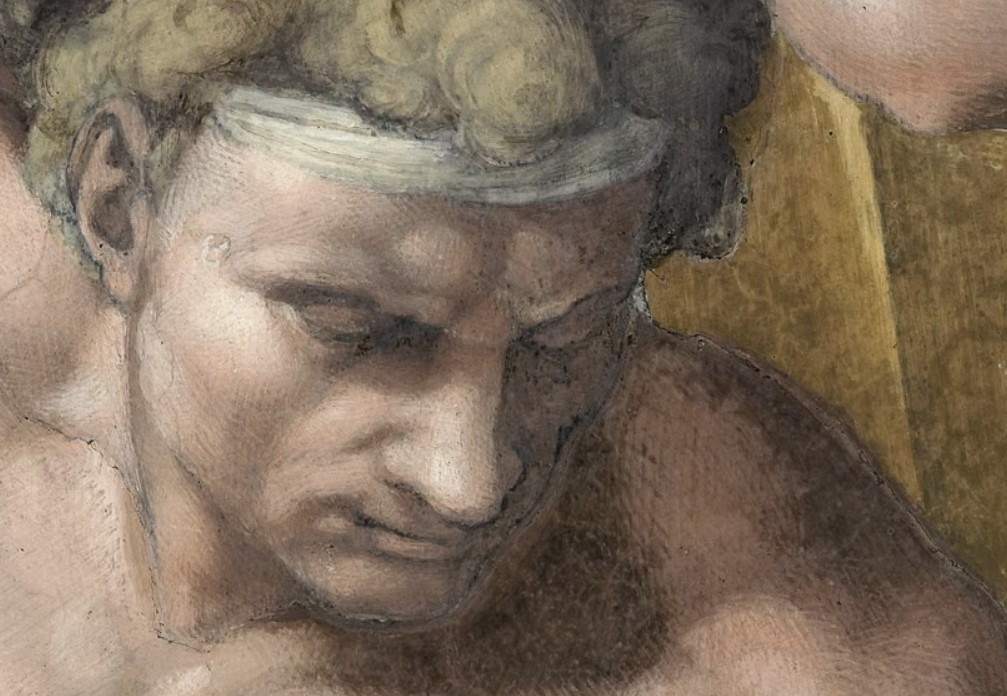
Disma, il buon ladrone nel Giudizio Universale: la misericordia e la giustizia divina
Nel Giudizio Universale della Cappella Sistina ci sono particolari che rischiano di passare inosservati, anche a chi ha avuto la fortuna di alzare gli occhi verso la mia grande parete. Tra i corpi che si sollevano, gli angeli che suonano le trombe e le anime che cercano di raggiungere il cielo, ci sono figure che…
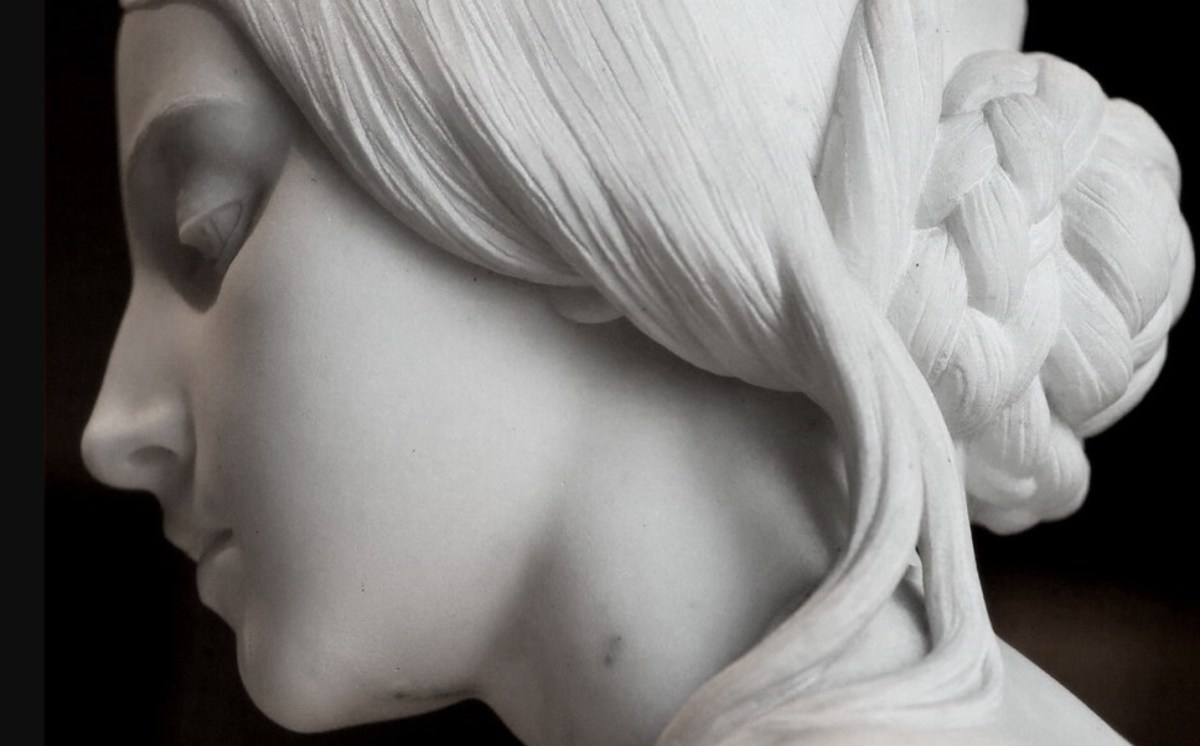
21 ottobre 1816: nasce Pietro Magni, lo scultore che trasformò una giovane lettrice in un capolavoro
🇮🇹Il 21 ottobre 1816 nasceva Pietro Magni, lo scultore della Giovane leggitrice. Scopri la storia dell’opera ignorata a Brera e diventata un successo nel 1861… 🇬🇧On October 21, 1816, Pietro Magni—the sculptor behind The Young Reader was born. Discover the story of this work, which was initially overlooked at the Brera Academy before becoming a…
Si è verificato un problema. Aggiorna la pagina e/o riprova in seguito.
Condividi:


Questo sono io




sostienici

Sostienici – Support Us
Se questo blog ti piace e ti appassiona, puoi aiutarci a farlo crescere sempre più sostenendoci in modo concreto condividendo i post, seguendo le pagine social e con un contributo che ci aiuta ad andare avanti con il nostro lavoro di divulgazione. . ENGLISH: If you like and are passionate about this blog, you can help us make it grow more and more by supporting us in a concrete way by sharing posts, following social pages and with a contribution that helps us to move forward with our dissemination work.
€10,00


1 commento »