

Louvre bloccato dalle proteste in Francia: museo chiuso
Il Louvre, il museo più visitato al mondo e uno dei luoghi simbolo di Parigi, si è ritrovato al centro delle proteste che stanno attraversando la Francia. Nella mattina di oggi, lunedì 19 ottobre 2026, un gruppo di manifestanti ha bloccato l’accesso al complesso museale, impedendo ai visitatori di entrare nelle sale che custodiscono alcuni dei capolavori più celebri della storia dell’arte.
A promuovere l’iniziativa, secondo quanto riferito dalla direzione del museo, sarebbe stata una cinquantina di studenti dell’École du Louvre, prestigiosa scuola parigina specializzata nello studio dell’arte e del patrimonio culturale, che non va confusa con il museo stesso. La mobilitazione nasce per esprimere solidarietà al movimento dei liceali e si inserisce in un clima di protesta più ampio.
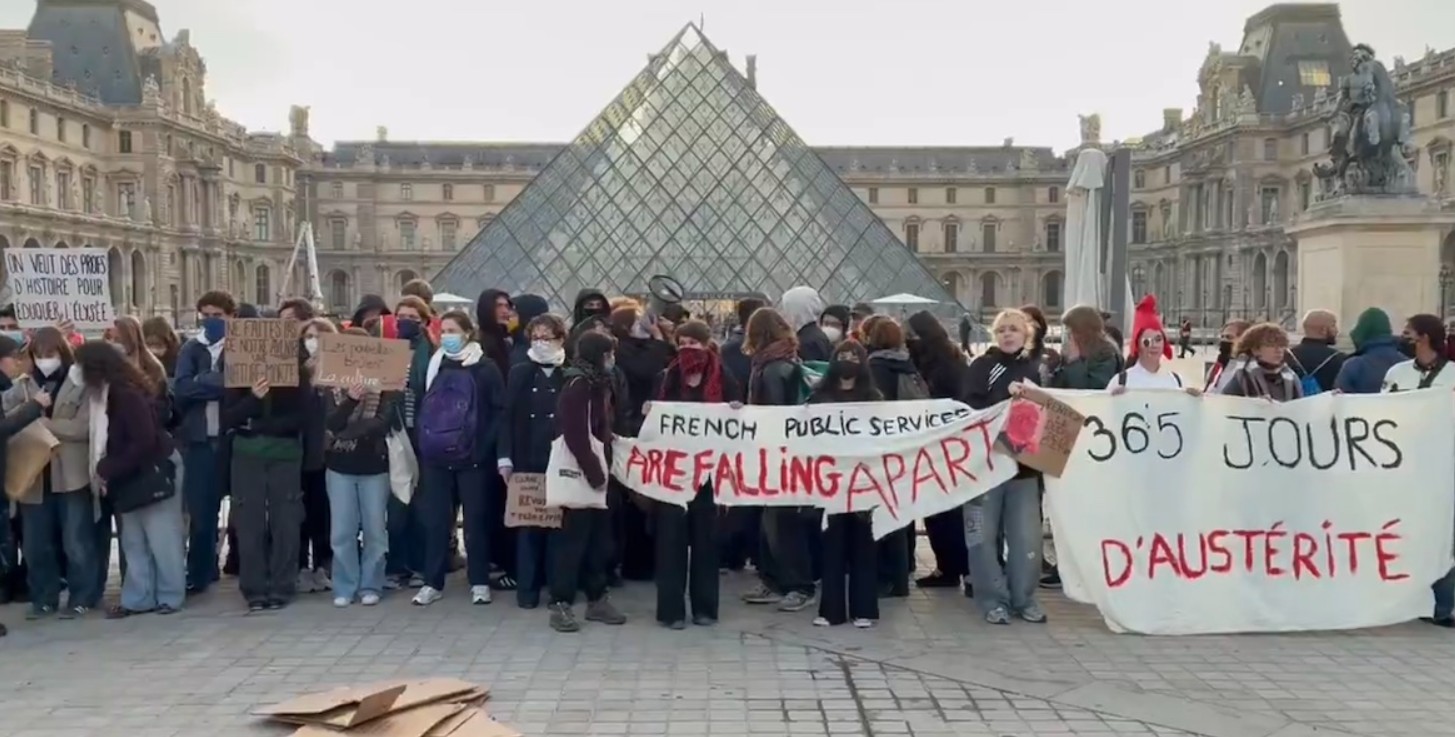
Il blocco è iniziato intorno alle 9 del mattino. Su un volantino affisso nei pressi del museo e visionato dall’agenzia France Presse si legge una dichiarazione destinata a far discutere: «Siamo fieri di annunciarvi il blocco del più grande museo del mondo».
Una frase provocatoria, che porta la contestazione fin davanti a uno dei luoghi culturali più conosciuti del pianeta e mette in evidenza quanto le tensioni sociali francesi stiano coinvolgendo anche gli spazi della cultura.
Chiusura almeno fino a mezzogiorno: coinvolti anche gli studenti delle Belle Arti
La mobilitazione ha avuto conseguenze concrete sull’apertura del museo. Secondo il sindacato Cgt, che sostiene l’iniziativa pur senza prendervi parte direttamente, il Louvre sarebbe rimasto chiuso almeno fino a mezzogiorno.
Alla protesta, secondo quanto riferito dal sindacato Cfdt, avrebbero partecipato anche studenti dell’École des Beaux-Arts, la storica scuola di belle arti situata sull’altra sponda della Senna.
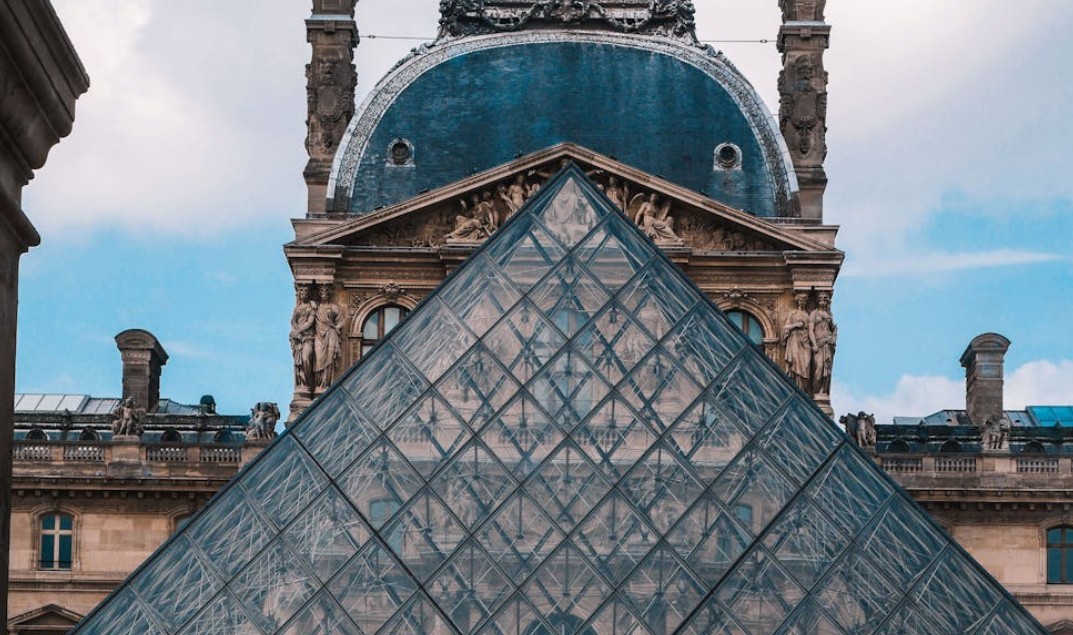
La presenza di studenti provenienti da istituzioni legate alla formazione artistica rende questa vicenda particolarmente significativa per il mondo della cultura. Non si tratta soltanto di una manifestazione davanti a un edificio pubblico: il luogo scelto è un museo che rappresenta una parte fondamentale del patrimonio francese e internazionale.
Resta da capire quale sarà l’evoluzione della protesta e quali ripercussioni potrà avere sull’accesso del pubblico al museo nelle prossime ore.
Il 19 ottobre è una data simbolica per il Louvre
Il blocco degli ingressi è avvenuto proprio il 19 ottobre, a un anno esatto dal clamoroso furto dei gioielli della Corona francese, un episodio che nel 2025 aveva gettato il Louvre in una profonda crisi e sollevato interrogativi sulla sicurezza di uno dei musei più importanti del mondo.
La coincidenza temporale riporta inevitabilmente l’attenzione su una ferita ancora aperta nella reputazione dell’istituzione. Il furto aveva acceso il dibattito sulla protezione delle collezioni, sull’organizzazione della sicurezza e sulle vulnerabilità di un complesso museale che ogni anno accoglie milioni di persone.
A distanza di dodici mesi, il Louvre si ritrova nuovamente al centro delle cronache, questa volta non per un’azione criminale contro il patrimonio artistico, ma per una protesta che ne impedisce temporaneamente l’accesso.
Episodi che finiscono per intrecciarsi nella percezione pubblica di un museo chiamato a gestire contemporaneamente la tutela delle proprie collezioni, l’accoglienza dei visitatori e le tensioni che attraversano la società.
La protesta non si ferma: annunciata una nuova mobilitazione per sabato
Secondo quanto riportato dai media francesi, il coordinamento dei cosiddetti gilet gialli, legato alla mobilitazione del 17 ottobre, ha annunciato un «secondo atto» della protesta per sabato prossimo, 24 ottobre.
L’annuncio lascia prevedere nuove iniziative nei prossimi giorni, anche se le modalità e l’effettiva portata della mobilitazione dovranno essere verificate attraverso gli aggiornamenti delle autorità e dei media francesi.
Per Parigi, città nella quale monumenti, musei e istituzioni culturali sono anche luoghi di forte valore simbolico, il rischio è che le tensioni sociali finiscano per coinvolgere nuovamente gli spazi frequentati ogni giorno da residenti e turisti.
In attesa di ulteriori comunicazioni sulla riapertura e sull’evoluzione delle proteste, il Louvre torna così sulle prime pagine per una vicenda che intreccia attualità, tensioni sociali e patrimonio culturale in una data che richiama inevitabilmente alla memoria uno degli episodi più traumatici della sua storia recente.
Per il momento il sempre vostro Michelangelo Buonarroti vi saluta dandovi appuntamento ai prossimi post e sui social.
Louvre blocked by protests in France: museum closed
The Louvre—the world’s most-visited museum and an iconic Parisian landmark—has found itself at the center of the protests currently sweeping across France. This morning, Monday, October 19, 2026, a group of demonstrators blocked access to the museum complex, preventing visitors from entering the galleries that house some of the most celebrated masterpieces in the history of art.
According to the museum’s management, the action was organized by about fifty students from the École du Louvre—a prestigious Parisian institution specializing in the study of art and cultural heritage (distinct from the museum itself). The mobilization was intended to express solidarity with a movement of high school students and is part of a broader climate of protest.
The blockade began around 9:00 a.m. A flyer posted near the museum, seen by the Agence France-Presse (AFP), contained a statement bound to spark debate: “We are proud to announce the blockade of the largest museum in the world.”
This provocative declaration brings the protest to the doorstep of one of the planet’s most renowned cultural sites, highlighting how social tensions in France are now reaching even the spaces dedicated to culture.
Closure until at least noon; students from the École des Beaux-Arts also involved
The mobilization has had a direct impact on the museum’s operations. According to the CGT trade union—which supports the initiative, though it did not participate directly—the Louvre was expected to remain closed until at least noon.
The CFDT trade union reported that students from the École des Beaux-Arts—the historic fine arts school located on the opposite bank of the Seine—also took part in the protest. The presence of students from institutions dedicated to artistic training makes this event particularly significant for the cultural sphere. This is not merely a demonstration in front of a public building; the chosen site is a museum that represents a fundamental part of both French and international heritage.
It remains to be seen how the protest will evolve and what impact it might have on public access to the museum in the coming hours.
October 19th: A symbolic date for the Louvre
The blocking of the entrances took place on October 19th—exactly one year after the sensational theft of the French Crown Jewels, an incident that, in 2025, plunged the Louvre into a deep crisis and raised questions regarding the security of one of the world’s most important museums.
This temporal coincidence inevitably draws attention back to a wound that remains open in the institution’s reputation. The theft ignited a debate concerning the protection of collections, the organization of security, and the vulnerabilities of a museum complex that welcomes millions of visitors each year.
Twelve months later, the Louvre finds itself in the headlines once again—not, this time, due to a criminal act against its artistic heritage, but because of a protest that is temporarily blocking access to the museum.
These episodes become intertwined in the public’s perception of a museum tasked with simultaneously managing the preservation of its collections, the accommodation of visitors, and the tensions that permeate society.
The protest continues: a new mobilization announced for Saturday
According to French media reports, the coordination group behind the so-called “Yellow Vests” (gilets jaunes)—linked to the mobilization on October 17th—has announced a “second act” of the protest for next Saturday, October 24th. The announcement suggests that further actions may take place in the coming days, though the specific nature and actual scale of the mobilization remain to be seen as updates emerge from French authorities and the media.
In Paris—a city where monuments, museums, and cultural institutions carry profound symbolic weight—there is a risk that social tensions could once again spill into spaces frequented daily by both residents and tourists.
As we await further news regarding the reopening and the unfolding of the protests, the Louvre finds itself in the headlines once more—a situation that intertwines current events, social unrest, and cultural heritage, all occurring on a date that inevitably brings to mind one of the most traumatic episodes in the museum’s recent history.
For now, yours truly, Michelangelo Buonarroti, bids you farewell—until the next post, or see you over on social media!

Sostienici – Support Us
Se questo blog ti piace e ti appassiona, puoi aiutarci a farlo crescere sempre più sostenendoci in modo concreto condividendo i post, seguendo le pagine social e con un contributo che ci aiuta ad andare avanti con il nostro lavoro di divulgazione. . ENGLISH: If you like and are passionate about this blog, you can help us make it grow more and more by supporting us in a concrete way by sharing posts, following social pages and with a contribution that helps us to move forward with our dissemination work.
10,00 €

Condividi:


Questo sono io




sostienici

Sostienici - Support Us
Se questo blog ti piace e ti appassiona, puoi aiutarci a farlo crescere sempre più sostenendoci in modo concreto condividendo i post, seguendo le pagine social e con un contributo che ci aiuta ad andare avanti con il nostro lavoro di divulgazione. . ENGLISH: If you like and are passionate about this blog, you can help us make it grow more and more by supporting us in a concrete way by sharing posts, following social pages and with a contribution that helps us to move forward with our dissemination work.
€10,00


