

Carnation, Lily, Lily, Rose: il capolavoro di John Singer Sargent nato da uno scandalo e da pochi minuti di luce
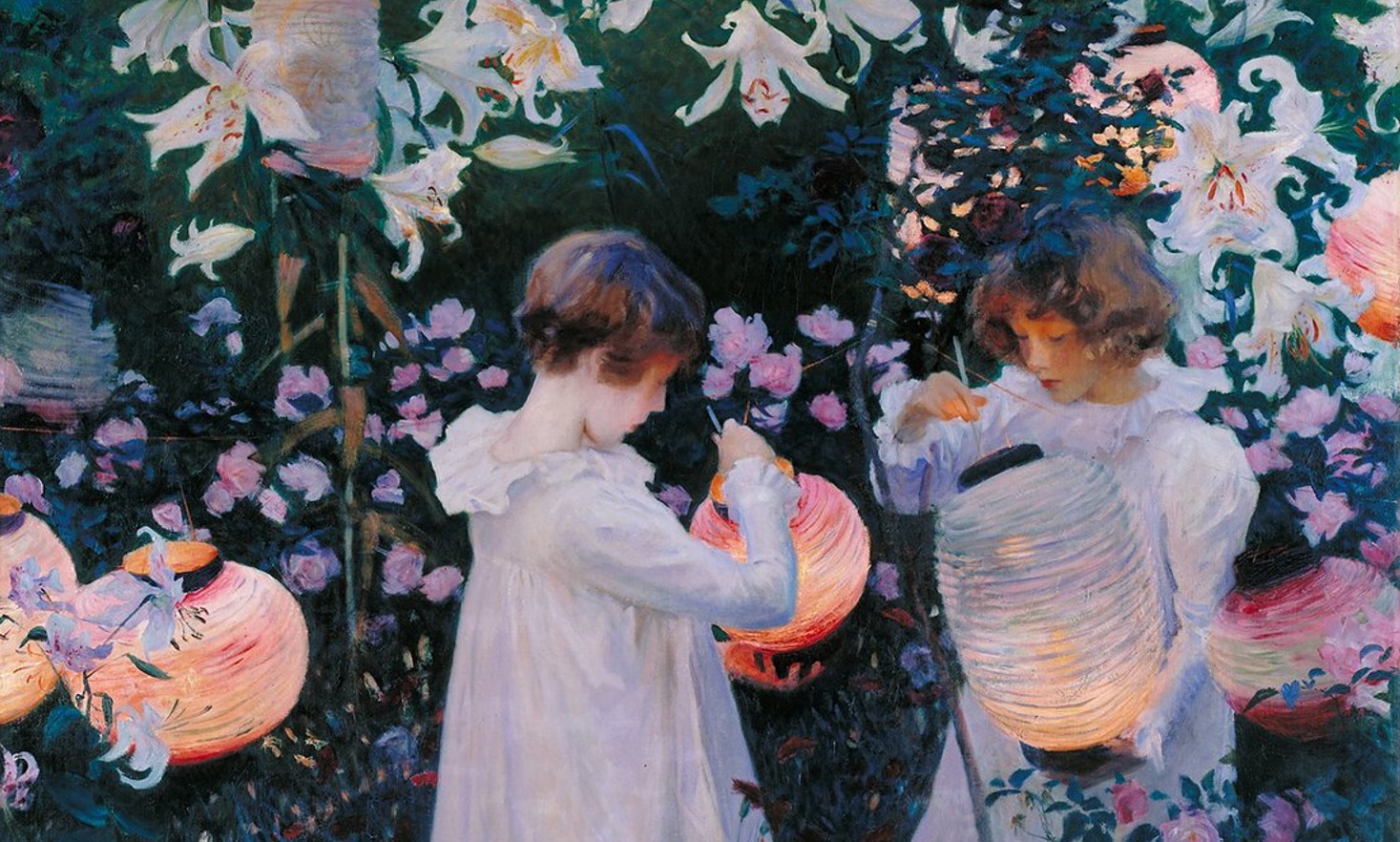
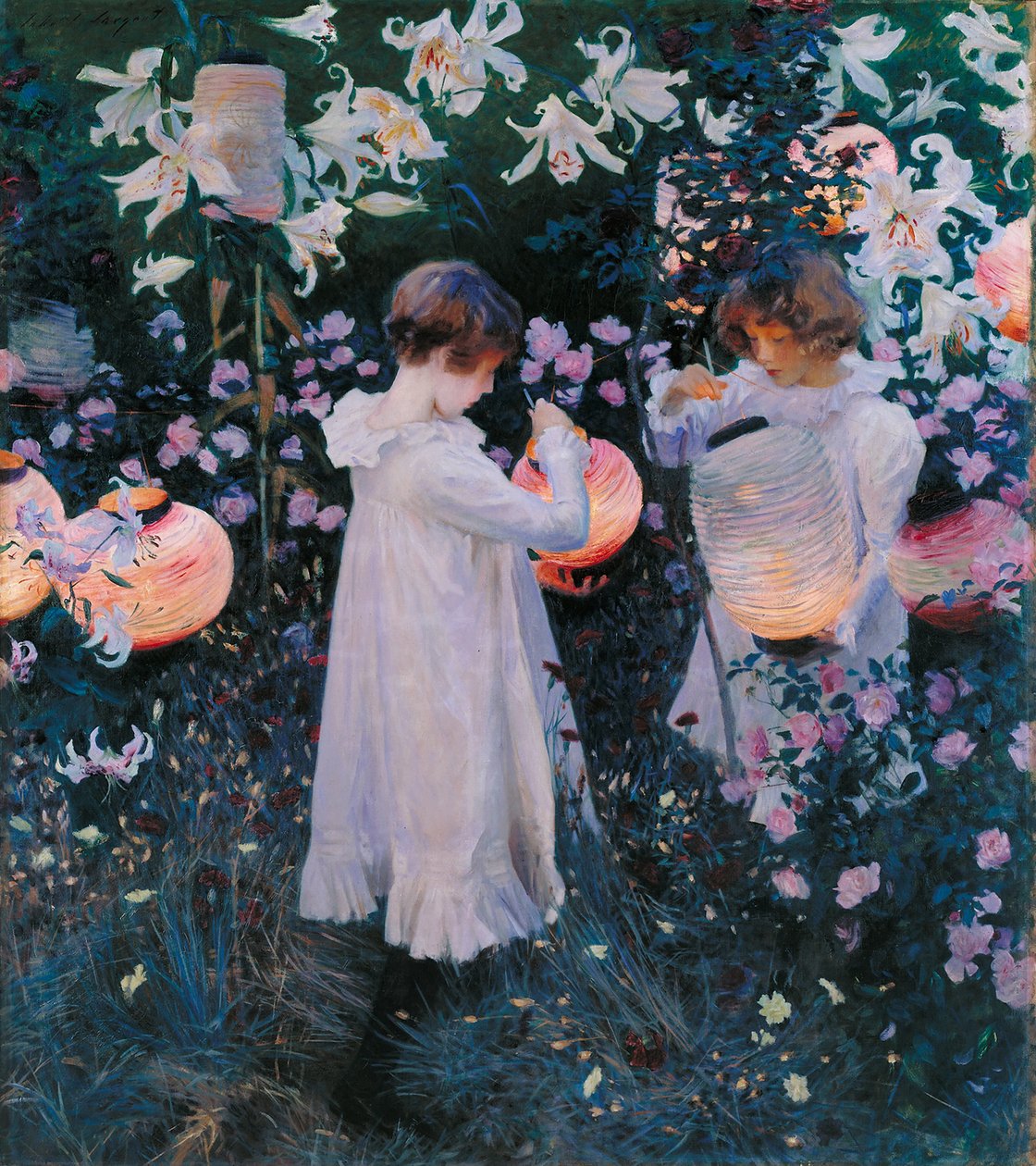
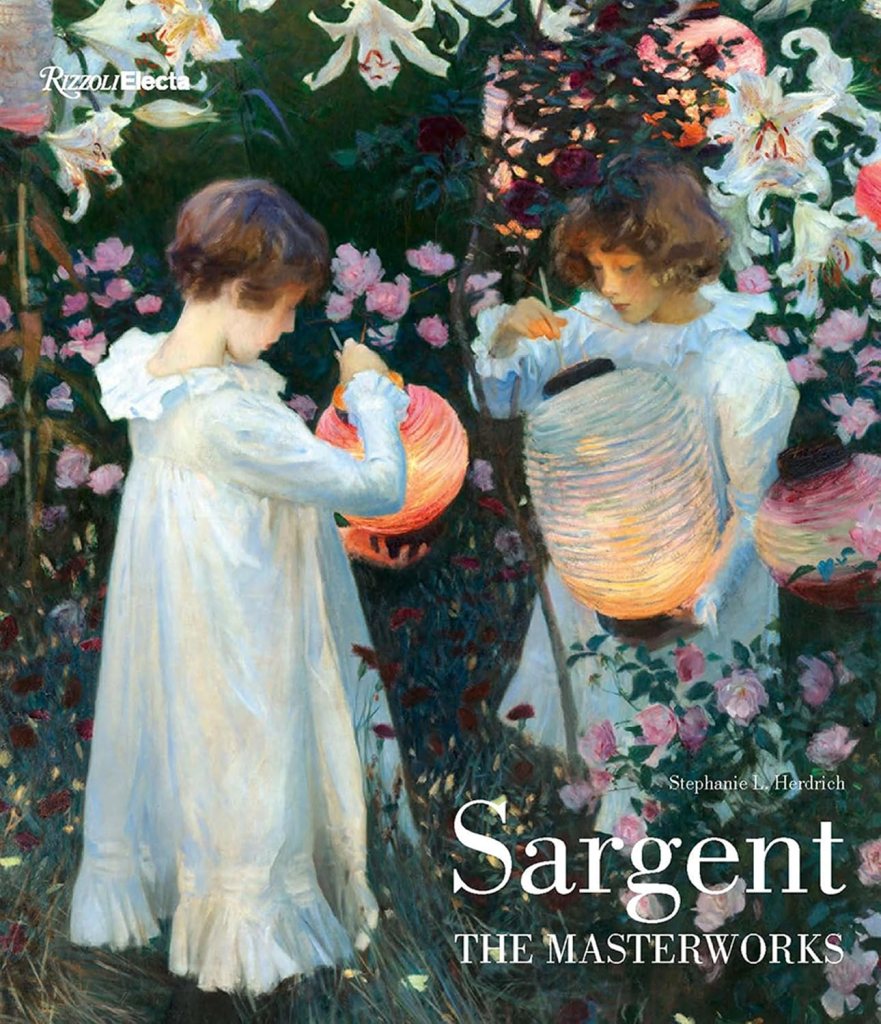
Il dipinto “Carnation, Lily, Lily, Rose” di John Singer Sargent, realizzato tra il 1885 e il 1886. oggi custodito alla Tate Britain di Londra, racconta una storia ben più complessa di quella che appare sulla tela.
Dietro le due bambine in abito bianco, le lanterne accese e un giardino immerso nel crepuscolo si nasconde una vicenda fatta di scandalo, crisi personale, sperimentazione artistica e di una sfida quasi impossibile: catturare sulla tela quei pochi minuti in cui la luce del giorno e quella artificiale delle lanterne raggiungono un perfetto equilibrio.
Dopo Madame X, Sargent cerca una nuova strada
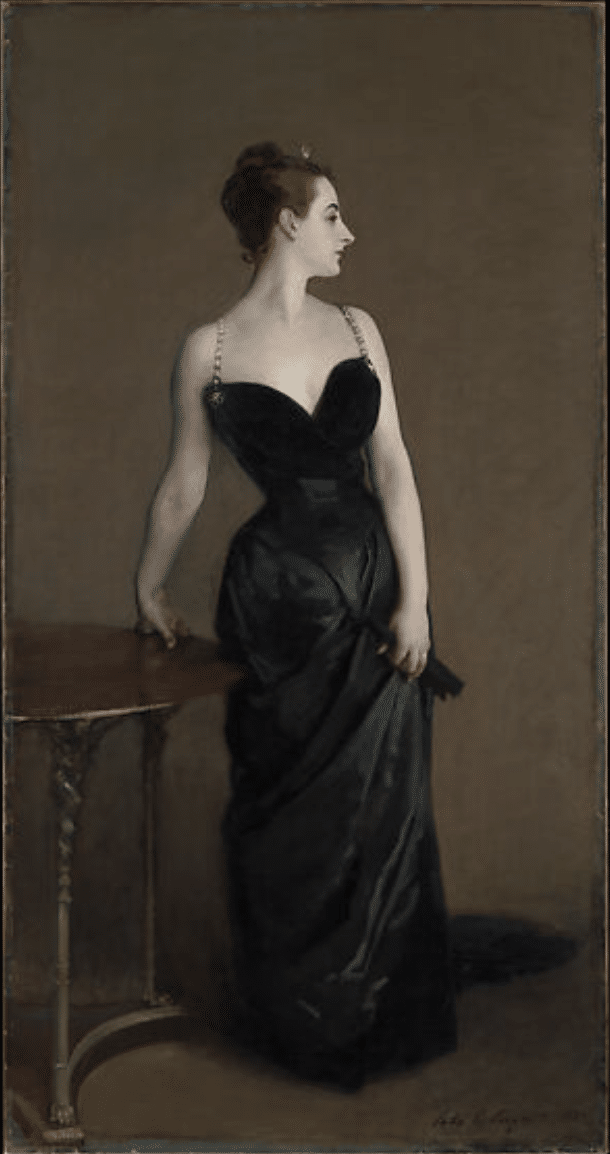
Quando nell’estate del 1885 Sargent arrivò in Inghilterra, la sua carriera era attraversata da una fase delicatissima. A Parigi il suo “Ritratto di Madame X” aveva provocato uno scandalo clamoroso.
L’opera, presentata al Salon del 1884, aveva attirato critiche e commenti soprattutto per l’atteggiamento della modella, la sua eleganza ostentata e quella spallina dell’abito che sembrava scivolare dalla spalla. Sargent si trovò così a fare i conti con una reputazione compromessa proprio nell’ambiente parigino nel quale aveva costruito la propria carriera.
Per un momento arrivò persino a immaginare un futuro lontano dalla pittura. L’Inghilterra divenne così un rifugio e, forse inconsapevolmente, il luogo nel quale sarebbe nata la risposta più importante allo scandalo.
Broadway e il giardino che accese la sua fantasia
Sargent trascorse l’estate del 1885 a Broadway, nelle Cotswolds, all’interno di una vivace comunità di artisti e intellettuali. Qui ritrovò un’atmosfera completamente diversa da quella della mondanità parigina.
Le giornate trascorrevano tra tennis, musica, conversazioni e passeggiate nei giardini. Ed è proprio durante una di queste serate che Sargent ebbe l’idea destinata a trasformarsi in Carnation, Lily, Lily, Rose.
L’immagine che lo colpì fu quella di bambini illuminati dalla luce calda delle lanterne di carta mentre il giardino sprofondava nel crepuscolo. A questa visione si aggiunse una canzone che Sargent amava suonare al pianoforte e il cui ritornello evocava proprio garofani, gigli e rose.
Il soggetto era semplice ma non lo sarebbe stata la sua realizzazione.
Un quadro dipinto in pochi minuti al giorno
Sargent voleva lavorare esclusivamente dal vero. La sua sfida consisteva nel catturare il momento esatto in cui la luce naturale del tramonto e quella delle lanterne cinesi si equilibravano.
Era un istante brevissimo.
Ogni sera, per settimane e poi per mesi, il pittore preparava tela, cavalletto, colori, fiori e modelle prima che arrivasse il crepuscolo. Quando la luce diventava quella desiderata, interrompeva persino le partite di tennis per dedicarsi al dipinto.
Poteva lavorare soltanto pochi minuti ogni sera, talvolta appena due o tre, comunque per un tempo molto limitato prima che l’effetto luminoso scomparisse.
Il giorno successivo tutto ricominciava da capo.
Le bambine e il giardino segreto
Le prime prove coinvolsero una bambina di cinque anni, figlia della famiglia Millet. Successivamente Sargent scelse come modelle le due figlie della signora Barnard, di sette e undici anni.
Le bambine dovevano mantenere a lungo la posizione prevista dall’artista, mentre la luce cambiava rapidamente. Intorno a loro venivano sistemati i fiori e le lanterne, trasformando il giardino in una sorta di spazio privato e incantato.
Il risultato è una scena nella quale le due figure sembrano essere insieme e, allo stesso tempo, completamente immerse nel proprio piccolo mondo.
È proprio questa dimensione di concentrazione infantile a rendere il dipinto così coinvolgente: le bambine non sembrano consapevoli di essere osservate. Sono semplicemente impegnate ad accendere le loro lanterne.
La luce arancione che incontra il malva del crepuscolo
La vera protagonista del dipinto è però la luce. Il bagliore caldo delle lanterne illumina i volti delle bambine con una tonalità aranciata, mentre intorno prevalgono i colori più freddi del giardino e le sfumature malva del cielo serale.
Sargent non voleva rappresentare semplicemente un bel tramonto. Voleva catturare l’effetto della luce sulla percezione del colore, delle ombre e dello spazio in quel preciso istante.
È una ricerca profondamente legata alla sensibilità impressionista: non dipingere ciò che si sa essere presente, ma ciò che l’occhio vede in un determinato momento.
Due anni per fermare un istante
La difficoltà dell’impresa spiega perché Sargent impiegò circa due anni per completare l’opera.
Quando arrivava l’inverno, la grande tela rimaneva incompiuta nel fienile della tenuta. Con il ritorno della bella stagione, il lavoro poteva riprendere. Ogni sera Sargent tornava nel giardino e cercava nuovamente quella stessa combinazione di luce e colore.
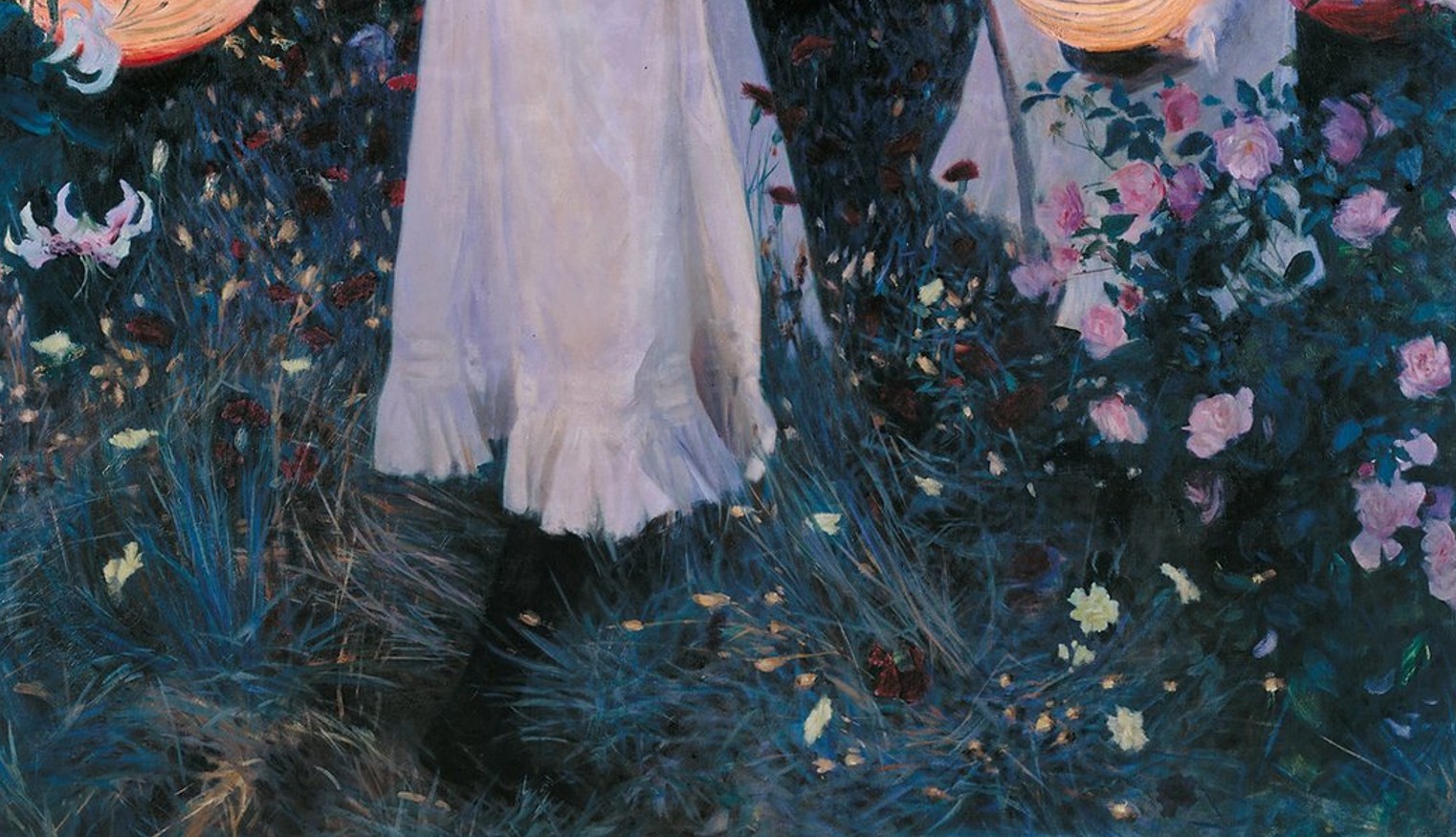
L’artista arrivò anche a raschiare parti del dipinto realizzate il giorno precedente, correggendole per avvicinarsi sempre più all’effetto desiderato. Ridusse inoltre la superficie della tela di circa 60 centimetri per rendere più efficace la composizione.
Quella che appare come una scena spontanea fu dunque il risultato di una ricerca estremamente rigorosa.
Un esperimento impressionista unico nella sua carriera
Carnation, Lily, Lily, Rose rappresenta un momento particolare nella produzione di Sargent. L’artista sperimentò infatti una modalità di lavoro vicina all’Impressionismo en plein air, affrontando direttamente le variazioni della luce naturale.
Non si trattava però di imitare semplicemente Monet o gli altri impressionisti. Sargent utilizzò quella sensibilità per perseguire un obiettivo personale: fermare un istante che durava soltanto pochi minuti.
La tela diventa così una sorta di esperimento impossibile. Sargent non poteva dipingere l’intera scena durante quei pochissimi minuti di luce perfetta, ma poteva tornarci ogni sera e aggiungere lentamente nuovi frammenti di quell’impressione.
Il successo a Londra e la rinascita di Sargent
Quando il dipinto fu presentato a Londra, il pubblico lo accolse con entusiasmo. L’opera contribuì in maniera significativa a rilanciare la reputazione di Sargent in Inghilterra proprio nel momento in cui la sua carriera francese sembrava essere stata compromessa dallo scandalo di Madame X.
La vicenda assume così quasi il valore di un riscatto personale.
Dalla crisi nasce una nuova libertà creativa; dal clamore parigino Sargent si rifugia nella quiete di un giardino inglese; dalla mondanità e dall’artificio passa alla luce naturale, ai fiori e alla spontaneità dell’infanzia.
Dalla tela alla musica: il dipinto continua a ispirare
La forza evocativa di Carnation, Lily, Lily, Rose non si è esaurita con Sargent. Il dipinto ha ispirato anche il compositore gallese Meilyr Jones, che ha creato un brano di musica classica contemporanea dedicato all’opera. La composizione è stata eseguita davanti al dipinto della Tate, creando un particolare dialogo tra pittura e musica.
L’interesse di Jones si è concentrato soprattutto sulla capacità delle bambine di isolarsi dal resto del mondo e di immergersi completamente nella loro attività.
Un istante impossibile diventato eterno
Guardando Carnation, Lily, Lily, Rose oggi, alla Tate Britain di Londra, si può quasi dimenticare quanto sia stato difficile realizzarlo. Sembra una scena semplice: due bambine, un giardino, alcuni fiori, due lanterne e il crepuscolo.
Ma dietro quella semplicità ci sono due anni di lavoro, centinaia di attese, pose ripetute, correzioni e pochi minuti di luce perfetta ogni sera.
Sargent riuscì così nella sua sfida più ambiziosa: non dipingere semplicemente un tramonto, ma fermare il momento irripetibile in cui il giorno non è ancora finito e la notte non è ancora arrivata.
Per il momento il sempre vostro Michelangelo Buonarroti vi saluta dandovi appuntamento ai prossimi post e sui social.
Carnation, Lily, Lily, Rose: John Singer Sargent’s masterpiece born from a scandal and a few minutes of light
The painting “Carnation, Lily, Lily, Rose” by John Singer Sargent, created between 1885 and 1886 and now housed at the Tate Britain in London, tells a far more complex story than what appears on the canvas.
Behind the two little girls in white dresses, the lit lanterns, and a twilight garden lies a story of scandal, personal crisis, artistic experimentation, and a nearly impossible challenge: capturing on canvas those few minutes when daylight and the artificial light of the lanterns reach a perfect balance.
After Madame X, Sargent seeks a new path
When Sargent arrived in England in the summer of 1885, his career was going through a very delicate phase. In Paris, his “Portrait of Madame X” had caused a sensational scandal.
The work, presented at the 1884 Salon, attracted criticism and commentary, especially for the model’s pose, her ostentatious elegance, and the strap of her dress that seemed to slip off her shoulder. Sargent thus found himself facing a damaged reputation in the very Parisian milieu where he had built his career.
For a moment, he even imagined a future far from painting. England thus became a refuge and, perhaps unknowingly, the place where the most significant response to the scandal would be born.
Broadway and the Garden That Fired His Imagination
Sargent spent the summer of 1885 on Broadway in the Cotswolds, among a lively community of artists and intellectuals. Here he found an atmosphere completely different from that of Parisian high society.
The days passed between tennis, music, conversation, and walks in the gardens. And it was during one of these evenings that Sargent had the idea that would later become Carnation, Lily, Lily, Rose.
The image that struck him was that of children illuminated by the warm light of paper lanterns as the garden sank into twilight. Added to this vision was a song Sargent loved to play on the piano, whose refrain evoked carnations, lilies, and roses.
The subject was simple, but its execution would not be.
A painting painted in a few minutes a day
Sargent wanted to work exclusively from life. His challenge was to capture the exact moment when the natural light of the sunset and that of the Chinese lanterns balanced each other.
It was a very brief instant.
Every evening, for weeks and then months, the painter prepared his canvas, easel, paints, flowers, and models before dusk fell. When the light was just right, he even interrupted his tennis matches to devote himself to painting.
He could only work for a few minutes each evening, sometimes just two or three, but in any case, for a very limited time before the luminous effect disappeared.
The next day, everything began all over again.
The Girls and the Secret Garden
The first rehearsals involved a five-year-old girl, daughter of the Millet family. Sargent later chose Mrs. Barnard’s two daughters, aged seven and eleven, as models.
The girls had to maintain the artist’s intended position for a long time, while the light rapidly changed. Flowers and lanterns were arranged around them, transforming the garden into a sort of private, enchanted space.
The result is a scene in which the two figures appear to be together and, at the same time, completely immersed in their own little world.
It is precisely this dimension of childlike concentration that makes the painting so engaging: the girls seem unaware of being observed. They are simply busy lighting their lanterns.
The orange light meets the mauve of twilight
The true protagonist of the painting, however, is the light. The warm glow of the lanterns illuminates the girls’ faces with an orange hue, while the cooler colors of the garden and the mauve hues of the evening sky prevail around them.
Sargent didn’t simply want to depict a beautiful sunset. He wanted to capture the effect of light on the perception of color, shadows, and space in that precise moment.
This quest is deeply rooted in the Impressionist sensibility: not painting what one knows is present, but what the eye sees in a given moment.
Two Years to Capture a Moment
The difficulty of the undertaking explains why it took Sargent nearly two years to complete the work.
When winter arrived, the large canvas remained unfinished in the estate’s barn. With the return of warm weather, work could resume. Every evening, Sargent returned to the garden and sought that same combination of light and color.
The artist even scraped away parts of the painting painted the previous day, , correcting them to get closer and closer to the desired effect. He also reduced the canvas surface by about 60 centimeters to make the composition more effective.
What appears to be a spontaneous scene was therefore the result of extremely rigorous research.
A unique Impressionist experiment in his career
Carnation, Lily, Lily, Rose represents a particular moment in Sargent’s career. The artist experimented with a working method close to plein air Impressionism, directly addressing the variations of natural light.
However, it wasn’t simply a matter of imitating Monet or the other Impressionists. Sargent used that sensitivity to pursue a personal goal: to capture a moment that lasted only a few minutes.
The canvas thus becomes a kind of impossible experiment. Sargent couldn’t paint the entire scene during those few minutes of perfect light, but he could return to it every evening and slowly add new fragments of that impression.
Success in London and Sargent’s Rebirth
When the painting was unveiled in London, the public greeted it enthusiastically. The work significantly contributed to reviving Sargent’s reputation in England, just as his French career seemed to be jeopardized by the Madame X scandal.
The affair thus took on the character of a personal redemption.
From the crisis, a new creative freedom was born; from the clamor of Paris, Sargent took refuge in the quiet of an English garden; from worldliness and artifice, he moved to natural light, flowers, and the spontaneity of childhood.
From canvas to music: the painting continues to inspire
The evocative power of Carnation, Lily, Lily, Rose did not end with Sargent. The painting also inspired Welsh composer Meilyr Jones, who created a piece of contemporary classical music dedicated to the work. The composition was performed in front of the painting at the Tate, creating a unique dialogue between painting and music.
Jones’s interest focused primarily on the girls’ ability to isolate themselves from the rest of the world and immerse themselves completely in their work.
An impossible moment become eternal
Looking at Carnation, Lily, Lily, Rose today, at the Tate Britain in London, one can almost forget how difficult it was to create. It seems like a simple scene: two girls, a garden, some flowers, two lanterns, and twilight.
But behind that simplicity lie two years of work, hundreds of waits, repeated poses, corrections, and a few minutes of perfect light every evening.
Sargent thus achieved his most ambitious challenge: not simply painting a sunset, but capturing the unrepeatable moment when the day has not yet ended and the night has not yet arrived.
For now, yours truly, Michelangelo Buonarroti bids farewell and invites you to join him in future posts and on social media.

Sostienici – Support Us
Se questo blog ti piace e ti appassiona, puoi aiutarci a farlo crescere sempre più sostenendoci in modo concreto condividendo i post, seguendo le pagine social e con un contributo che ci aiuta ad andare avanti con il nostro lavoro di divulgazione. . ENGLISH: If you like and are passionate about this blog, you can help us make it grow more and more by supporting us in a concrete way by sharing posts, following social pages and with a contribution that helps us to move forward with our dissemination work.
10,00 €
-

Pontormo, il diario segreto del pittore: malattie, pasti e piccoli disegni che raccontano la sua vita
🇮🇹Il diario di Pontormo: malattie, pasti, amicizie e piccoli disegni raccontano la vita privata del pittore e il lavoro perduto a San Lorenzo… 🇬🇧Pontormo’s diary—with its accounts of illnesses, meals, friendships, and small sketches—reveals the painter’s private life and his lost work at San Lorenzo…
-

25 ottobre 1815: le opere rubate da Napoleone tornarono in Italia, ma 248 rimasero in Francia
🇮🇹Il 25 ottobre 1815 partì da Parigi un convoglio di 41 carri trainati da circa 200 cavalli, con 249 opere d’arte destinate a tornare in Italia… 🇬🇧On October 25, 1815, a convoy of 41 wagons, pulled by approximately 200 horses, departed from Paris, carrying 249 works of art destined to return to Italy…
-

Più forte della morte
🇮🇹Può l’amore superare la morte? In un madrigale sorprendente, il desiderio di chi amo arriva fino all’Inferno e al Paradiso… 🇬🇧Can love transcend death? In a striking madrigal, the longing for the one I love reaches as far as Hell and Paradise…
Condividi:


Questo sono io





sostienici

Sostienici – Support Us
Se questo blog ti piace e ti appassiona, puoi aiutarci a farlo crescere sempre più sostenendoci in modo concreto condividendo i post, seguendo le pagine social e con un contributo che ci aiuta ad andare avanti con il nostro lavoro di divulgazione. . ENGLISH: If you like and are passionate about this blog, you can help us make it grow more and more by supporting us in a concrete way by sharing posts, following social pages and with a contribution that helps us to move forward with our dissemination work.
€10,00


