
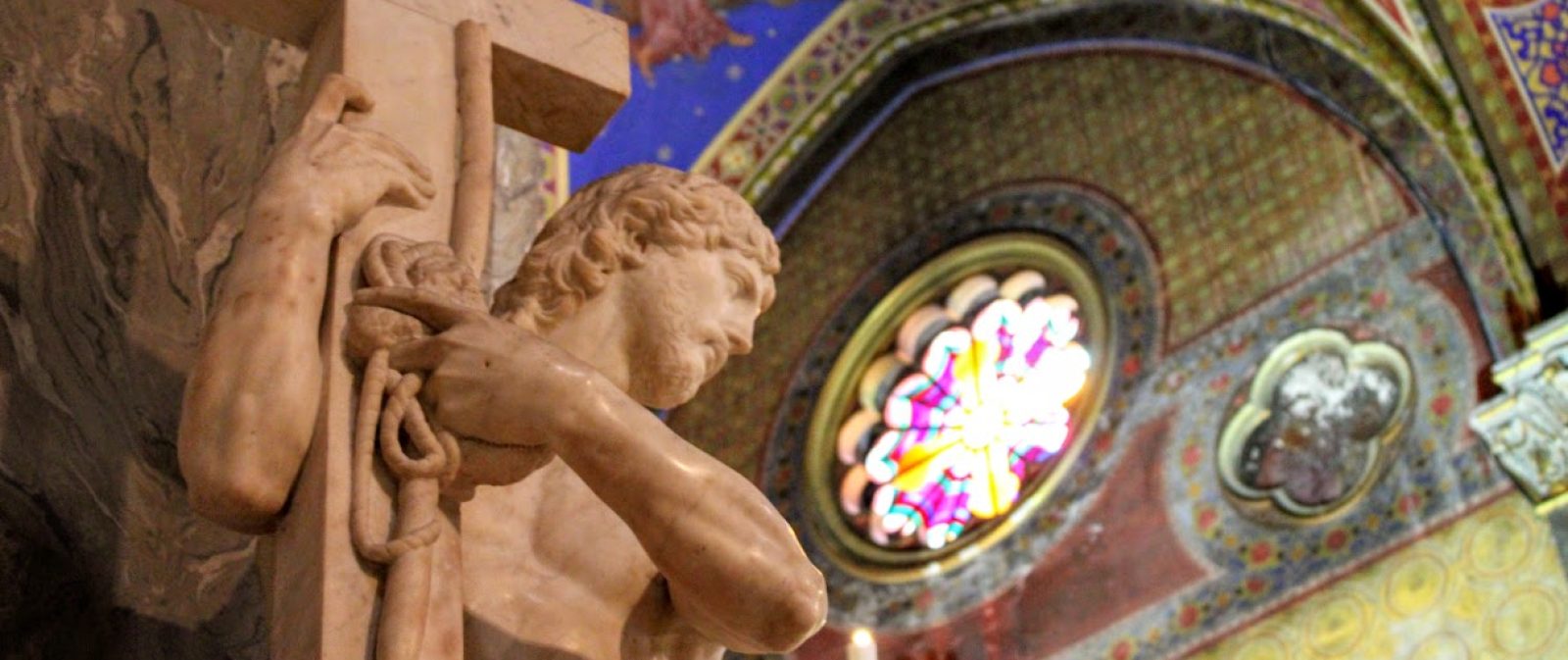
“Amando, a che son nato?”: il dramma tra cielo e terra
Quale sorte è stata riservata a chi, come me, ha conosciuto l’amore non come quiete, ma come tormento, desiderio e attesa?
Lo scrissi in un madrigale in cui rivolgevo tal quesito alle anime dei beati. A loro, che hanno ormai lasciato la dimensione terrena e vivono fuori dal tempo, chiedevo se anche lassù l’amore abbia ancora il potere di far versare lacrime oppure se la morte abbia finalmente liberato le anime da ogni pena.

“Beati voi che vivete oltre il tempo”
Mi rivolgevo ai beati e quasi li invidiavo. Beati voi, dicevo loro, che siete ormai in cielo e potete godere di quelle lacrime che sulla terra nessuno seppe davvero consolare o ricompensare.
L’amore riesce ancora a raggiungervi? Ha ancora la forza di turbare le vostre anime oppure la morte vi ha finalmente liberati dalle sue pene?
Mi sentivo ancora prigioniero della vita terrena.
Conosco le lacrime dell’amore, quelle che nascono quando il desiderio si trasforma in sofferenza e quando ciò che il cuore cerca sembra impossibile da raggiungere.
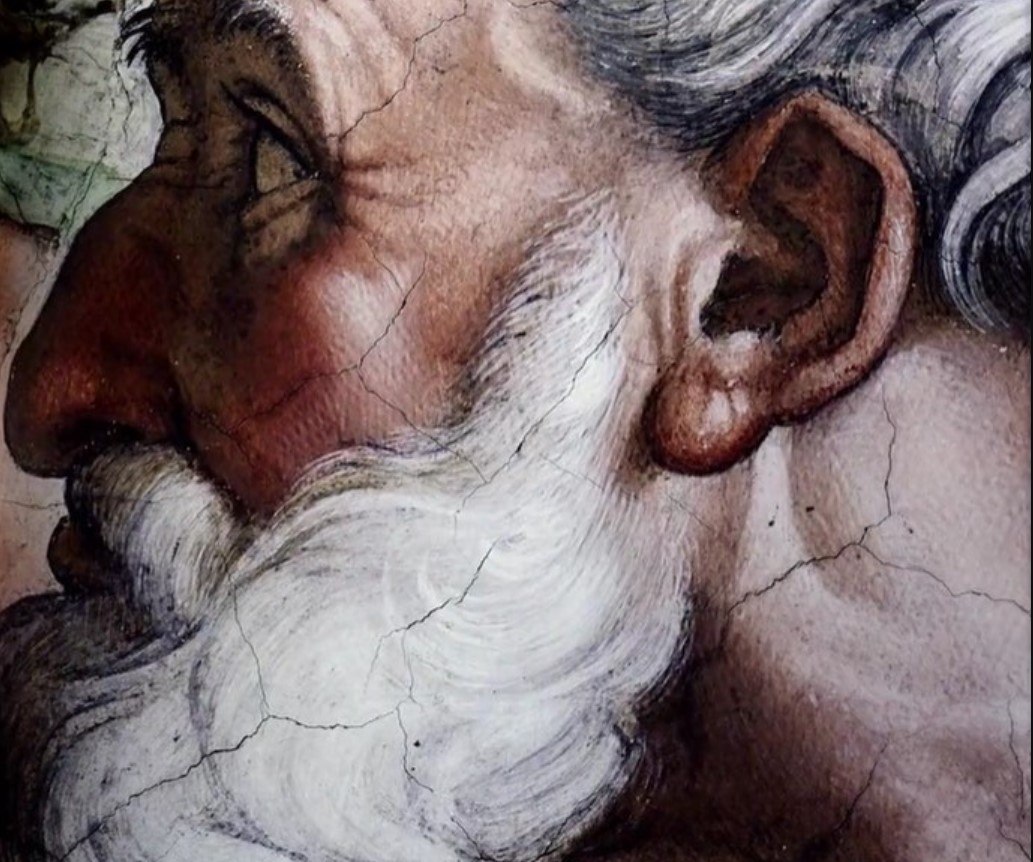
La risposta dei beati: nessuna invidia, nessun dolore
Nella mia immaginazione, i beati mi rispondono con una serenità che mai ho posseduto.
La loro quiete eterna è fuori dal tempo. Là dove vivono non esistono più l’invidia, le rivalità, i desideri tormentati. Essi amano Dio e, proprio nell’amore divino, hanno trovato una condizione perfetta nella quale non c’è spazio per i pianti angosciosi che appartengono alla vita terrena.
“Perché devo vivere tra tante pene?”
Se voi siete ormai siete stati liberati al dolore, che senso ha per me continuare a vivere in mezzo a tante sofferenze?
Amo. Servo. Soffro.
Se il cielo è benevolo verso chi ama, mentre il mondo terreno sembra spesso ingrato nei confronti degli amanti, per quale sorte nacqui? Non fu la durata della vita a spaventarmi ma il peso della sofferenza.
Anche una vita breve può diventare troppo lunga per chi ama sinceramente, serve con fedeltà e continua a soffrire.
Il tempo, quando siamo felici, sembra fuggire. Ma quando siamo prigionieri del dolore, anche pochi giorni possono sembrare interminabili.
Alla fine del madrigale non trovo risposta che possa consolarmi.
— Beati voi che su nel ciel godete
le lacrime che ’l mondo non ristora,
favvi amor forza ancora,
o pur per morte liberi ne siete?
— La nostra etterna quiete,
fuor d’ogni tempo, è priva
d’invidia, amando, e d’angosciosi pianti.
— Dunche a mal pro’ ch’i’ viva
convien, come vedete,
per amare e servire in dolor tanti.
Se ’l cielo è degli amanti
amico, e ’l mondo ingrato,
amando, a che son nato?
A viver molto? E questo mi spaventa:
ché ’l poco è troppo a chi ben serve e stenta.
Per il momento il sempre vostro Michelangelo Buonarroti vi saluta dandovi appuntamento ai prossimi post e sui social.
“Loving, for what was I born?”: the drama between heaven and earth
What fate awaited those who, like me, knew love not as tranquility, but as torment, desire, and expectation?
I wrote it in a madrigal in which I addressed this question to the souls of the blessed. I asked them, who have now left the earthly dimension and live beyond time, whether even up there love still has the power to make us shed tears, or whether death has finally freed souls from all pain.
“Blessed are you who live beyond time”
I turned to the blessed and almost envied them. Blessed are you, I told them, who are now in heaven and can enjoy those tears that no one on earth could truly console or repay.
Can love still reach you? Does it still have the power to disturb your souls, or has death finally freed you from its pain?
I still felt like a prisoner of earthly life.
I know the tears of love, those that arise when desire turns to suffering and when what the heart seeks seems impossible to achieve.
The answer of the blessed: no envy, no pain
In my imagination, the blessed respond to me with a serenity I have never possessed.
Their eternal peace is timeless. Where they live, envy, rivalry, and tormented desires no longer exist. They love God, and in divine love itself, they have found a perfect state in which there is no room for the anguished cries that belong to earthly life.
“Why must I live amidst so much pain?”
If you have now been freed from pain, what sense does it make for me to continue living amidst so much suffering?
I love. I serve. I suffer.
If heaven is benevolent toward those who love, while the earthly world often seems ungrateful toward lovers, to what fate was I born? It was not the length of life that frightened me, but the weight of suffering.
Even a short life can become too long for those who love sincerely, serve faithfully, and continue to suffer.
Time, when we are happy, seems to fly by. But when we are prisoners of pain, even a few days can seem interminable.
At the end of the madrigal, I find no answer that can console me.
— Beati voi che su nel ciel godete
le lacrime che ’l mondo non ristora,
favvi amor forza ancora,
o pur per morte liberi ne siete?
— La nostra etterna quiete,
fuor d’ogni tempo, è priva
d’invidia, amando, e d’angosciosi pianti.
— Dunche a mal pro’ ch’i’ viva
convien, come vedete,
per amare e servire in dolor tanti.
Se ’l cielo è degli amanti
amico, e ’l mondo ingrato,
amando, a che son nato?
A viver molto? E questo mi spaventa:
ché ’l poco è troppo a chi ben serve e stenta.
For now, yours truly, Michelangelo Buonarroti, bids farewell and invites you to join him in future posts and on social media.

Sostienici – Support Us
Se questo blog ti piace e ti appassiona, puoi aiutarci a farlo crescere sempre più sostenendoci in modo concreto condividendo i post, seguendo le pagine social e con un contributo che ci aiuta ad andare avanti con il nostro lavoro di divulgazione. . ENGLISH: If you like and are passionate about this blog, you can help us make it grow more and more by supporting us in a concrete way by sharing posts, following social pages and with a contribution that helps us to move forward with our dissemination work.
10,00 €
-
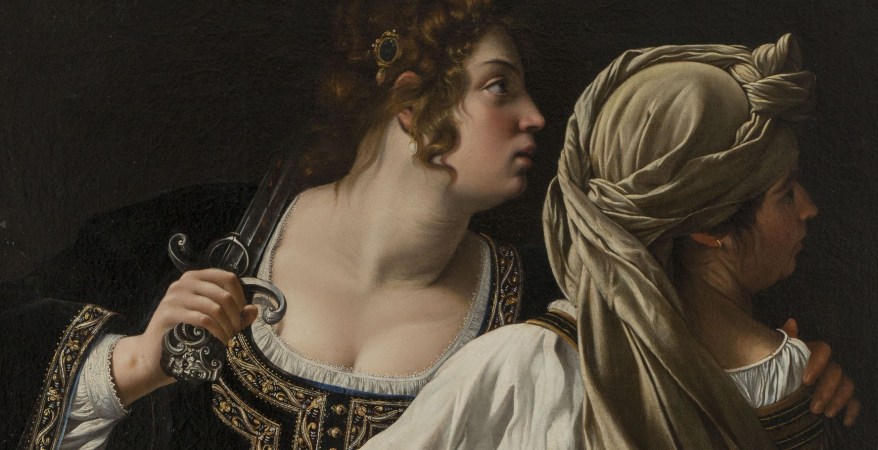
Artemisia Gentileschi, a Firenze una mostra eccezionale: oltre 50 opere e Caravaggio
🇮🇹Artemisia Gentileschi a Firenze: oltre 50 opere al Museo degli Innocenti dal 20 ottobre 2026. In mostra Giuditta, l’Allegoria dell’Inclinazione e due capolavori di Caravaggio… 🇬🇧Artemisia Gentileschi in Florence: over 50 works at the Museo degli Innocenti starting October 20, 2026. On display are Judith, the Allegory of Inclination* and two masterpieces by Caravaggio…
-
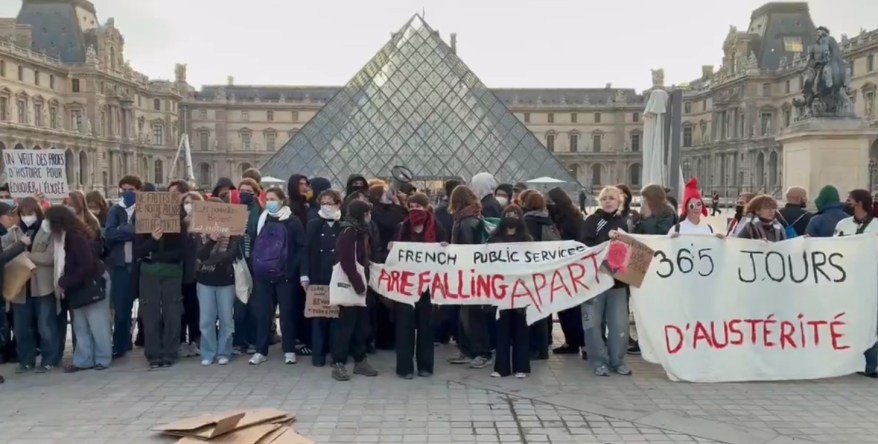
Louvre bloccato dalle proteste in Francia: museo chiuso
🇮🇹Il Museo del Louvre chiude, bloccato dalle proteste. Il museo più visitato al mondo non ha potuto aprire regolarmente questa mattina. A Parigi, un gruppo di studenti ha bloccato gli ingressi del Louvre per esprimere solidarietà al movimento dei liceali e denunciare la repressione della polizia… 🇬🇧The Louvre Museum is closed, blocked by protests. The…
-
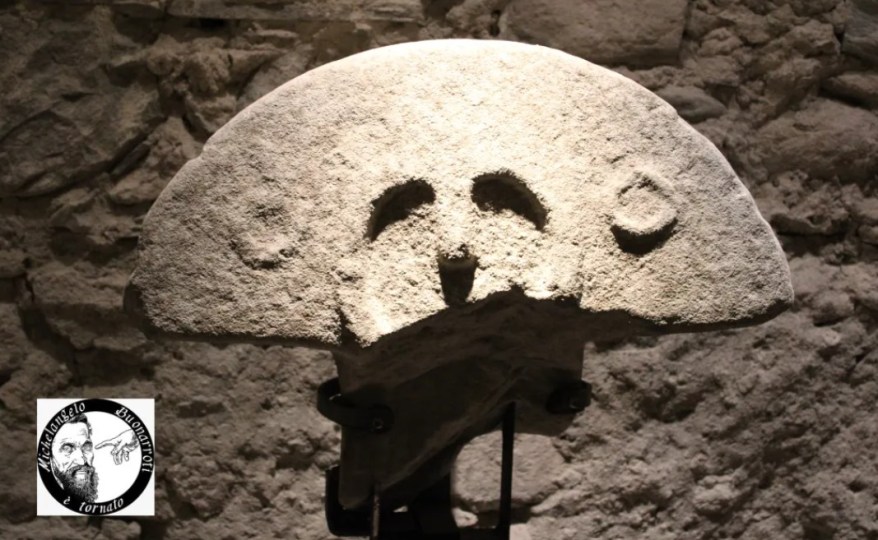
Pontremoli: il fascino silenzioso delle Statue Stele e il profumo dell’Amor
🇮🇹Ritorno al Castello del Piagnaro a Pontremoli: una visita al Museo delle Statue Stele Lunigianesi tra misteriosi volti di pietra e la dolce sosta all’Amor Pontremoli… 🇬🇧A return to the Castle of Piagnaro in Pontremoli: a visit to the Museum of the Lunigiana Stele Statues, amidst mysterious stone faces, followed by a delightful stop for…
Condividi:


Questo sono io




sostienici

Sostienici – Support Us
Se questo blog ti piace e ti appassiona, puoi aiutarci a farlo crescere sempre più sostenendoci in modo concreto condividendo i post, seguendo le pagine social e con un contributo che ci aiuta ad andare avanti con il nostro lavoro di divulgazione. . ENGLISH: If you like and are passionate about this blog, you can help us make it grow more and more by supporting us in a concrete way by sharing posts, following social pages and with a contribution that helps us to move forward with our dissemination work.
€10,00


