
Leonardo da Vinci riappare a sorpresa al Metropolitan di New York
Al Metropolitan Museum of Art di New York, già da alcuni mesi è esposto, senza alcun annuncio ufficiale, uno dei dipinti più affascinanti e discussi legati a Leonardo da Vinci: la celebre Madonna del Filatoio, conosciuta anche come Madonna dei Fusi.
Una presenza silenziosa che è stata resa nota dalla testata americana ArtNews.
Un Leonardo comparso quasi in silenzio al Metropolitan Museum
Chi entra nelle sale dedicate alla pittura europea del Met, non può immaginarsi di trovarsi faccia a faccia davanti a un’opera riconducibile al genio fiorentino dato che il museo non ha pubblicizzato minimamente la cosa.
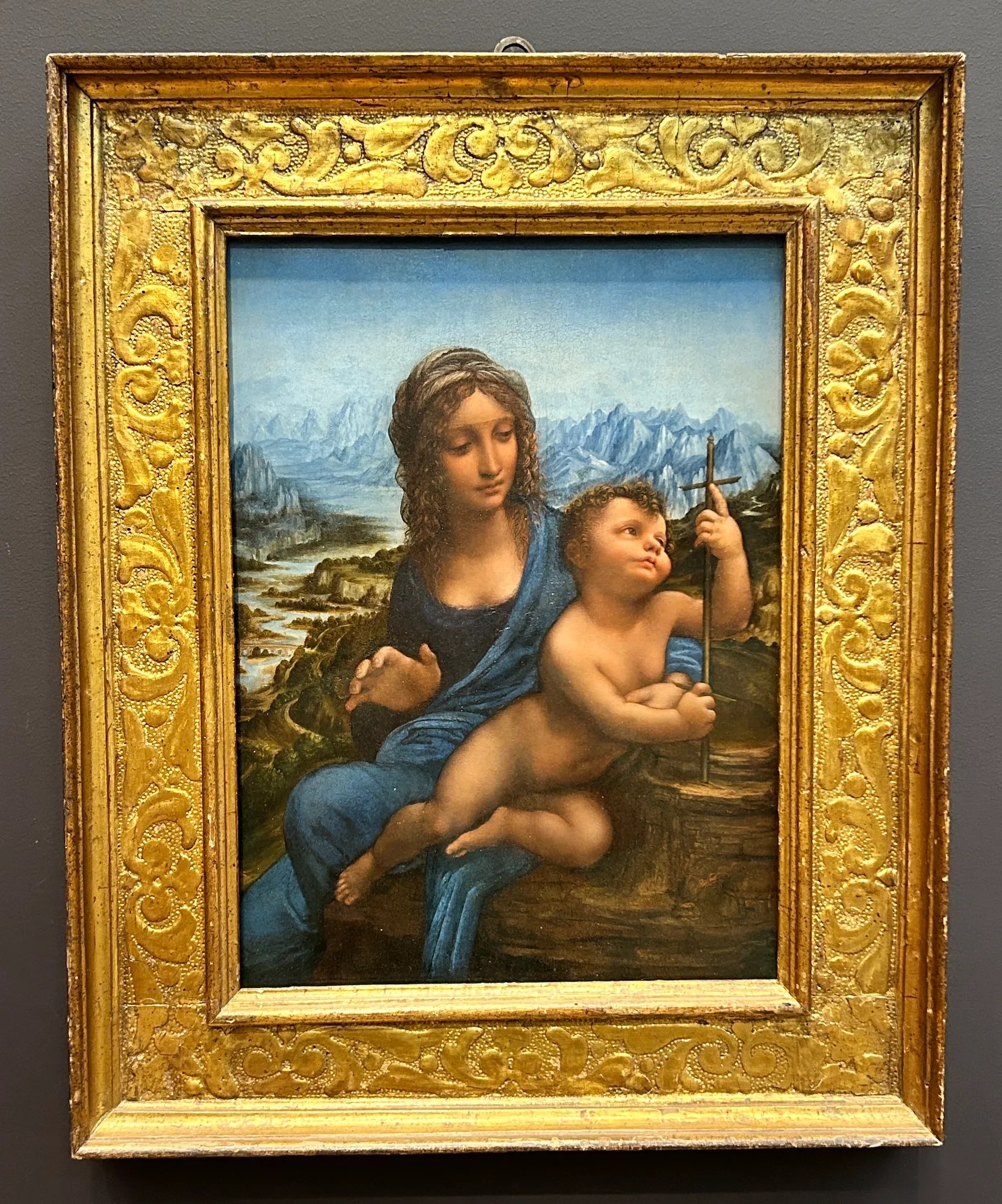
Il dipinto è esposto nella Galleria 609, quasi nascosto tra grandi tavole di Francesco Francia e Andrea Solario. Nessun evento inaugurale, nessun comunicato stampa, nessuna grande operazione mediatica e la cosa è alquanto strana trattandosi di un’opera celeberrima.
Per chi è del settore. si tratta di una delle esposizioni più importanti del momento negli Stati Uniti.
Come ha osservato con ironia lo storico dell’arte Richard Beard parlando con ARTnews:
«Chi appenderebbe un Leonardo al muro come se nulla fosse? Il Met, immagino.»
La rarissima Madonna dei Fusi torna visibile al pubblico
L’opera proviene dalla collezione privata del finanziere e grande collezionista Kenneth C. Griffin, uno dei più importanti acquirenti d’arte del panorama internazionale.
La tavola, datata tra il 1501 e il 1505, è attribuita a Leonardo da Vinci e alla sua bottega, una definizione che riflette il lungo dibattito critico attorno al dipinto. Per molti anni questa versione della Madonna dei Fusi è rimasta praticamente invisibile, custodita lontano dagli occhi del pubblico.
Oggi, invece, è possibile ammirarla liberamente in uno dei musei più visitati del mondo.
Il dipinto
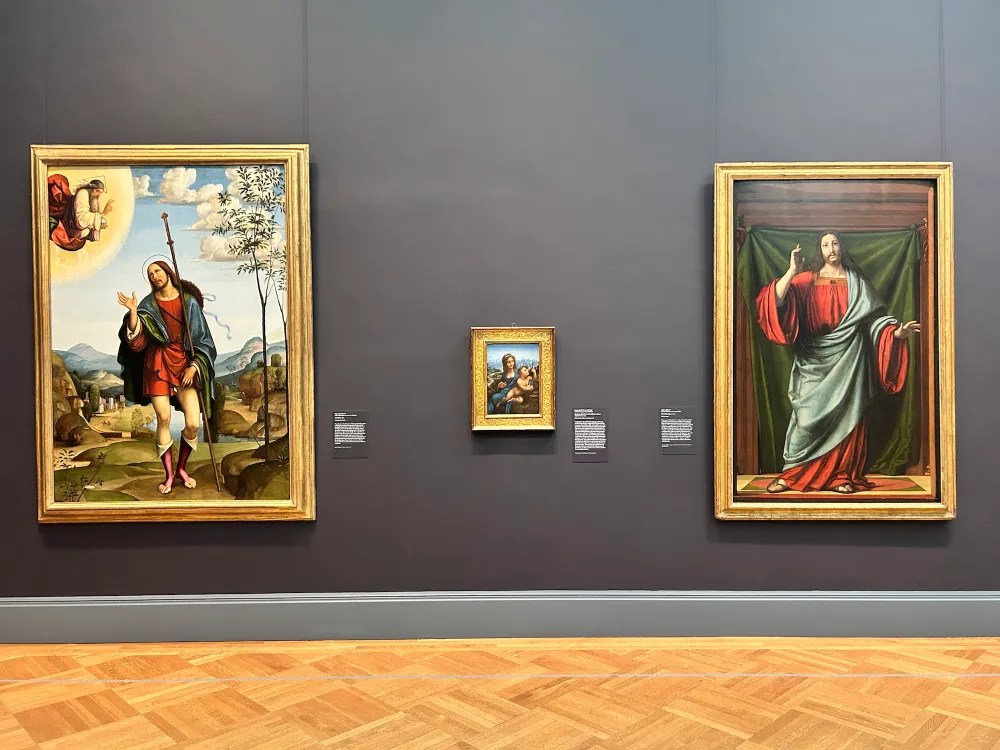
La scena raffigura la Vergine con il Bambino Gesù seduti tra le rocce. Il piccolo Cristo osserva con intensità un fuso da filatura, strumento che, nella composizione leonardesca, assume la forma di una croce e diventa una potente anticipazione della futura Passione.
Maria cerca quasi di sottrarre quell’oggetto dalle mani del figlio, mentre il Bambino sembra stringerlo con decisione. È una scena materna ma carica di tensione spirituale.
Già nel 1501 Fra Pietro da Novellara descriveva questa composizione in una celebre lettera indirizzata a Isabella d’Este, raccontando come Leonardo stesse lavorando a una Madonna intenta a filare, mentre il Bambino fissava con desiderio il simbolo della futura Crocifissione.
Martin Kemp: “È Leonardo e il suo studio”
Tra i massimi esperti mondiali di Leonardo, lo storico dell’arte Martin Kemp ha dedicato anni allo studio della Madonna dei Fusi.
Se inizialmente riteneva che il dipinto fosse stato completato prevalentemente nella bottega del maestro, nuove indagini tecniche lo hanno portato a una valutazione più netta.
Oggi Kemp afferma che l’opera è il risultato del lavoro di Leonardo e del suo studio, sottolineando come i disegni preparatori siano certamente riconducibili al maestro e come la progettazione dell’intera composizione porti chiaramente la sua impronta.
Secondo lo studioso, Leonardo iniziò una sola composizione, decidendo successivamente di svilupparne due versioni destinate a differenti committenti.
Un’immagine che cambiò la pittura rinascimentale
Per Martin Kemp, Leonardo riuscì a fondere simbolismo, psicologia e narrazione in una maniera mai vista prima.
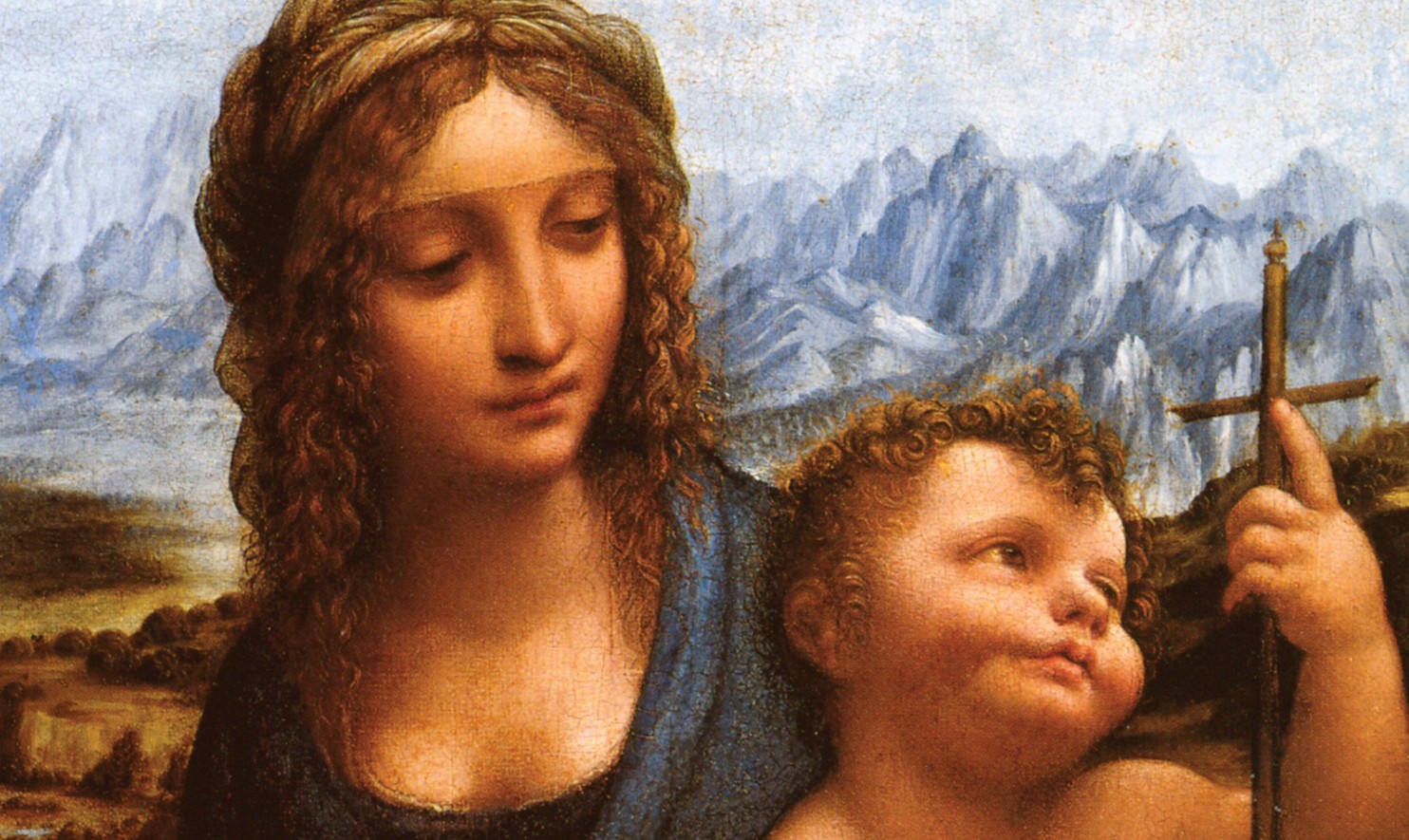
Lo sguardo inquieto della Vergine, il gesto del Bambino e il significato nascosto del fuso trasformato in croce costruiscono una scena di straordinaria modernità, destinata a influenzare profondamente la pittura del Rinascimento.
Anche il paesaggio racconta molto del linguaggio leonardesco: il ponte sullo sfondo richiama quello visibile nella Gioconda, mentre montagne e rocce mostrano quella ricerca continua della natura che caratterizza tutta la produzione del maestro.
Vedere un Leonardo negli Stati Uniti: una rarità
Le occasioni per ammirare un dipinto di Leonardo da Vinci nel continente americano sono rarissime.
La quasi totalità delle opere autografe è conservata tra Europa e Regno Unito, con il Louvre che custodisce il nucleo più importante.
Negli Stati Uniti l’unico dipinto universalmente riconosciuto di Leonardo esposto in modo permanente è la Ginevra de’ Benci, conservata alla National Gallery of Art di Washington.
Proprio per questo motivo, la comparsa della Madonna del Fusi al Metropolitan rappresenta un evento destinato ad attirare studiosi, collezionisti e appassionati da tutto il mondo.
Il piccolo Leonardo che potrebbe diventare una delle opere più fotografate dell’anno
La tavola misura appena una cinquantina di centimetri, ma racchiude una storia straordinaria fatta di attribuzioni, restauri, confronti scientifici e prestigiose esposizioni, dal Louvre all’Art Institute of Chicago.
Martin Kemp lo ha sintetizzato con una frase destinata a rimanere impressa:
«Sono felice che sia finalmente visibile al pubblico. Per molto tempo è stata custodita gelosamente dal suo proprietario. È un piccolo quadro, ma di enorme importanza.»
Per il momento il sempre vostro Michelangelo Buonarroti vi saluta dandovi appuntamento ai prossimi post e sui social.
Leonardo da Vinci Makes a Surprise Reappearance at the Metropolitan Museum of Art in New York
One of the most fascinating and controversial paintings associated with Leonardo da Vinci has been on display at the Metropolitan Museum of Art in New York for several months now, without any official announcement: the famous Madonna of the Spinning Wheel, also known as the Madonna of the Yarnwinder.
This silent presence was reported by the American publication ArtNews.
A Leonardo who appeared almost silently at the Metropolitan Museum
Those who enter the Met’s European painting galleries cannot imagine coming face to face with a work attributable to the Florentine genius, given that the museum has not advertised it at all.
The painting is displayed in Gallery 609, almost hidden between large panels by Francesco Francia and Andrea Solario. There is no inaugural event, no press release, no major media campaign, and this is rather strange considering it is such a famous work.
For those in the know, this is one of the most important exhibitions of the moment in the United States.
As art historian Richard Beard ironically observed in an interview with ARTnews:
“Who would hang a Leonardo on a wall as if it were nothing? The Met, I imagine.”
The extremely rare Madonna of the Yarnwinder returns to public view
The work comes from the private collection of financier and major collector Kenneth C. Griffin, one of the most important art buyers on the international scene.
The panel, dated between 1501 and 1505, is attributed to Leonardo da Vinci and his workshop, a definition that reflects the long-running critical debate surrounding the painting. For many years, this version of the Madonna of the Yarnwinder remained virtually invisible, kept away from public view.
Today, however, it can be freely admired in one of the most visited museums in the world.
The painting
The scene depicts the Virgin and Child seated among rocks. The infant Christ gazes intently at a spinning spindle, an instrument that, in Leonardo’s composition, takes the form of a cross and becomes a powerful foreshadowing of the future Passion.
Mary almost tries to snatch the object from her son’s hands, while the Child seems to be clutching it firmly. It is a maternal scene, yet charged with spiritual tension.
As early as 1501, Fra Pietro da Novellara described this composition in a famous letter to Isabella d’Este, recounting how Leonardo was working on a Madonna intent on spinning, while the Child gazed longingly at the symbol of the future Crucifixion.
Martin Kemp: “It’s Leonardo and his studio”
Among the world’s leading experts on Leonardo, art historian Martin Kemp has dedicated years to studying the Madonna of the Yarnwinder.
While he initially believed the painting was completed primarily in the master’s workshop, new technical investigations have led him to a more definitive assessment.
Today, Kemp maintains that the work is the result of Leonardo’s work and his studio, emphasizing that the preparatory drawings are certainly attributable to the master and that the design of the entire composition clearly bears his influence.
According to the scholar, Leonardo began a single composition, later deciding to develop two versions for different clients.
An image that changed Renaissance painting
For Martin Kemp, Leonardo succeeded in merging symbolism, psychology, and narrative in a way never seen before.
The restless gaze of the Virgin, the gesture of the Child, and the hidden meaning of the spindle transformed into a cross create a scene of extraordinary modernity, destined to profoundly influence Renaissance painting.
The landscape also reveals much of Leonardo’s artistic language: the bridge in the background recalls the one visible in the Mona Lisa, while the mountains and rocks demonstrate the constant exploration of nature that characterizes the master’s entire oeuvre.
Seeing a Leonardo in the United States: a rarity
Opportunities to admire a Leonardo da Vinci painting in the Americas are extremely rare.
Almost all of the autographed works are held in Europe and the United Kingdom, with the Louvre holding the most important collection.
In the United States, the only universally recognized Leonardo painting permanently exhibited is Ginevra de’ Benci, housed at the National Gallery of Art in Washington.
Precisely for this reason, the appearance of the Fusi Madonna at the Metropolitan Museum of Art is an event destined to attract scholars, collectors, and enthusiasts from around the world.
The small Leonardo that could become one of the most photographed works of the year
The panel measures just fifty centimeters, but it contains an extraordinary history of attributions, restorations, scientific comparisons, and prestigious exhibitions, from the Louvre to the Art Institute of Chicago.
Martin Kemp summed it up with a phrase destined to remain etched in the memory:
“I am delighted that it is finally on display to the public. For a long time, it was jealously guarded by its owner. It’s a small painting, but of enormous importance.”
For now, yours truly, Michelangelo Buonarroti bids you farewell and invites you to join him in future posts and on social media.

Sostienici – Support Us
Se questo blog ti piace e ti appassiona, puoi aiutarci a farlo crescere sempre più sostenendoci in modo concreto condividendo i post, seguendo le pagine social e con un contributo che ci aiuta ad andare avanti con il nostro lavoro di divulgazione. . ENGLISH: If you like and are passionate about this blog, you can help us make it grow more and more by supporting us in a concrete way by sharing posts, following social pages and with a contribution that helps us to move forward with our dissemination work.
10,00 €
Articoli
Condividi:


Questo sono io





sostienici

Sostienici – Support Us
Se questo blog ti piace e ti appassiona, puoi aiutarci a farlo crescere sempre più sostenendoci in modo concreto condividendo i post, seguendo le pagine social e con un contributo che ci aiuta ad andare avanti con il nostro lavoro di divulgazione. . ENGLISH: If you like and are passionate about this blog, you can help us make it grow more and more by supporting us in a concrete way by sharing posts, following social pages and with a contribution that helps us to move forward with our dissemination work.
€10,00


