

Errore clamoroso o intenzionale? Capolavoro del Trecento esportato come opera da 38mila euro
Il capolavoro medievale scambiato per un’opera dell’Ottocento
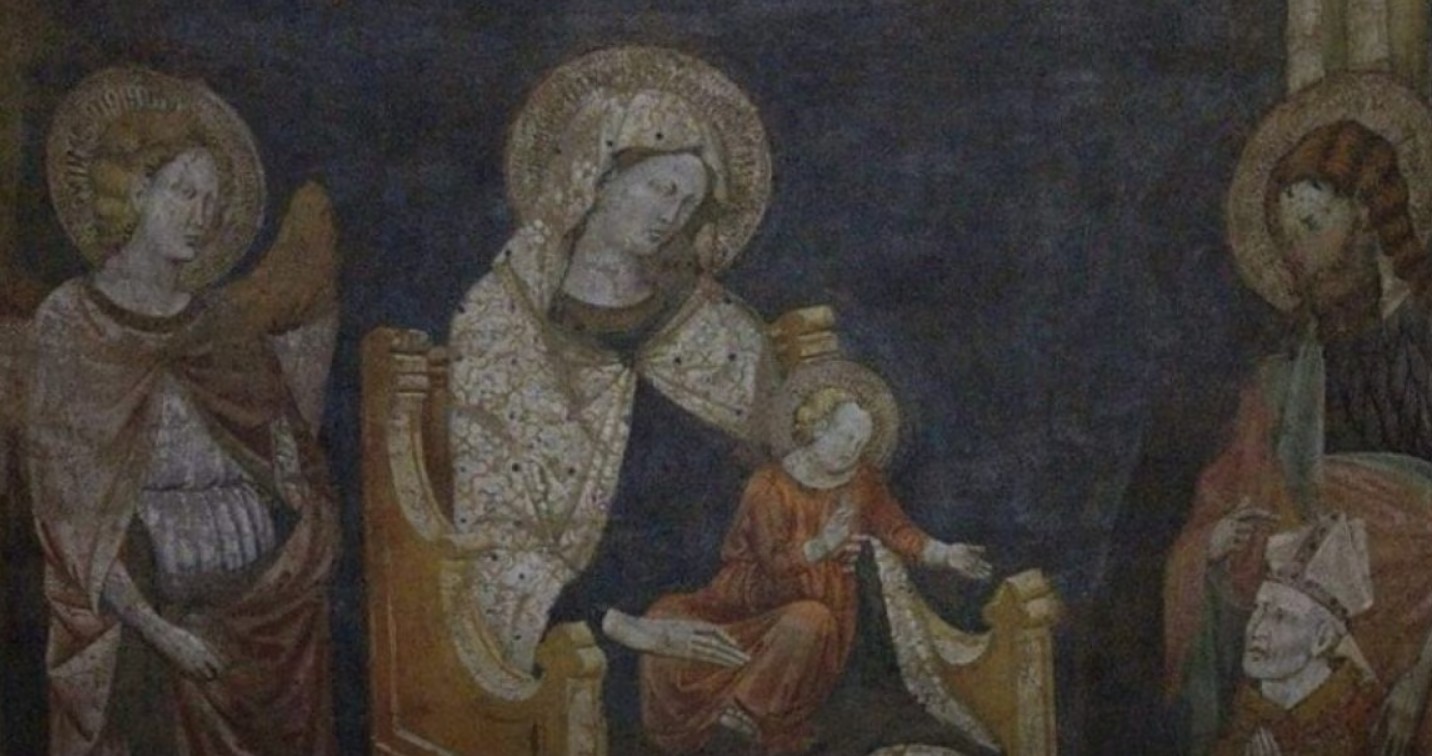
Una svista apparentemente banale si è trasformata in uno dei casi più imbarazzanti degli ultimi anni per la tutela del patrimonio culturale italiano. Una “Madonna col Bambino” considerata fino al 2020 un modesto dipinto ottocentesco è stata autorizzata all’esportazione verso la Svizzera. Solo successivamente, grazie a un restauro, è emersa la vera identità dell’opera: non risaliva al 1850 ma al 1350.
Quello sciocco e poco credibile errore di interpretazione ha cambiato radicalmente il destino del dipinto e il suo valore economico. Da una stima iniziale di 38 mila euro si è passati a una valutazione superiore al mezzo milione di euro.
Il dettaglio che ha ingannato gli esperti: un 3 letto come un 8
Tutto ruota attorno a un’iscrizione presente sul retro della tavola. Al momento della richiesta di esportazione, presentata da una società con sede a Lugano, il dipinto veniva descritto come una produzione italiana in stile bizantino del XIX secolo.
La scritta posteriore sembrava infatti indicare una realizzazione nel 1850 da parte di Alfonso Martorelli Fiori, pittore bolognese. Su queste basi gli esperti incaricati dell’esame non individuarono particolari elementi di pregio storico o artistico tali da giustificare il blocco dell’esportazione.
Il via libera arrivò nell’estate del 2020 con il rilascio dell’attestato di libera circolazione, documento indispensabile per consentire l’uscita dell’opera dal territorio nazionale.
Ora dico io: ma basta guardarla quell’opera per comprendere che non sia ottocentesca ma assai precedente. L’errore della mala interpretazione del numero è così sciocco da far venire qualche dubbio. Possibile a nessuno sia balenata in mente una datazione precedente a quella ottocentesca? Permettetemi il beneficio del dubbio. Pare un errore fatto di proposito per consentire a quell’opera di lasciare l’Italia.
Se davvero ci fosse stato un dubbio sulla datazione, perché non fare altre analisi come per esempio quella del colore? Mi rimane difficile, molto difficile, credere a questa storia.
La scoperta dopo il restauro in Svizzera
La svolta è arrivata due anni più tardi. Durante un intervento di restauro effettuato in Svizzera, gli specialisti hanno riesaminato attentamente l’iscrizione, scoprendo che la data non era 1850 ma 1350.
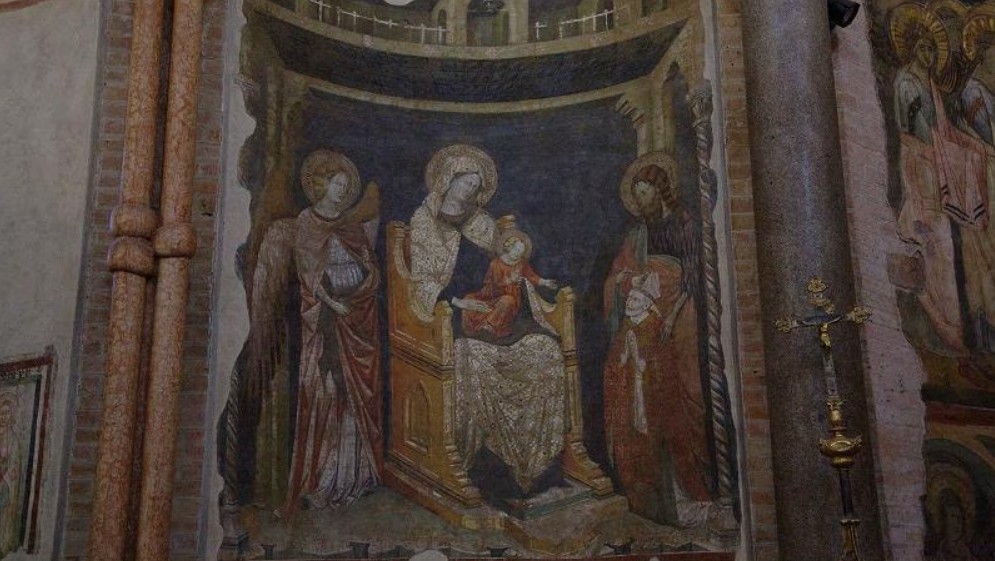
L’opera risultava quindi appartenere al pieno Medioevo e non all’età contemporanea. Gli studi successivi hanno attribuito il dipinto al cosiddetto Maestro del 1302, noto anche come Maestro del Battistero di Parma, artista anonimo attivo in Emilia nella prima metà del XIV secolo e figura di rilievo nella pittura italiana medievale.
Una scoperta che ha completamente rivoluzionato la valutazione economica e storico-artistica del quadro.
Da opera “modesta” a pezzo da asta internazionale
Dopo il riconoscimento della nuova attribuzione, il dipinto è entrato nel circuito del grande mercato internazionale dell’arte.
La celebre casa d’aste Christie’s lo ha inserito tra gli Old Masters, stimandolo tra le 400 mila e le 500 mila sterline. Una cifra che evidenzia quanto fosse distante la valutazione iniziale effettuata al momento dell’autorizzazione all’esportazione.
In pratica, un’opera medievale di eccezionale interesse è uscita legalmente dall’Italia con una valutazione paragonabile a quella di un dipinto decorativo di epoca molto più recente.
Il tentativo del ministero e la sconfitta nei tribunali
Quando l’errore è emerso, il ministero della Cultura ha cercato di correre ai ripari. Nel 2023 è stato avviato il procedimento di annullamento dell’autorizzazione concessa nel 2020, sostenendo che il via libera fosse stato rilasciato sulla base di una valutazione errata.
La società proprietaria dell’opera ha però impugnato la decisione davanti alla giustizia amministrativa.
Prima il Tar del Lazio e successivamente il Consiglio di Stato hanno dato ragione alla società svizzera, stabilendo che l’annullamento era arrivato troppo tardi e confermando la validità dell’attestato di libera circolazione già rilasciato.
Un caso che riaccende il dibattito sulla tutela del patrimonio
Il caso evidenzia come un singolo errore di valutazione possa avere conseguenze enormi, soprattutto quando si tratta di opere d’arte antiche e di rilevanza storica. Io però a un errore di valutazione così banale non posso credere.
Oggi quella Madonna col Bambino del Trecento, partita dall’Italia come un quadro ottocentesco di modesto valore, è destinata a rimanere all’estero. Una beffa.
Per il momento il sempre vostro Michelangelo Buonarroti vi saluta dandovi appuntamento ai prossimi post e sui social.
A glaring error or an intentional one? A 14th-century masterpiece exported as a €38,000 work
The medieval masterpiece mistaken for a 19th-century work
A seemingly trivial oversight has turned into one of the most embarrassing cases in recent years for the protection of Italy’s cultural heritage. A “Madonna and Child,” thought until 2020 to be a modest 19th-century painting, was authorized for export to Switzerland. Only later, thanks to a restoration, did the true identity of the work emerge: it dated not to 1850 but to 1350.
That silly and implausible error of interpretation radically changed the fate of the painting and its economic value. From an initial estimate of €38,000, it has risen to a valuation of over half a million euros.
The detail that fooled the experts: a 3 read as an 8
Everything revolves around an inscription on the back of the panel. At the time of the export request, submitted by a company based in Lugano, the painting was described as a 19th-century Italian Byzantine-style work.
The inscription on the back seemed to indicate a date of 1850 by Alfonso Martorelli Fiori, a painter from Bologna. On this basis, the experts in charge of the examination identified no particular elements of historical or artistic value that would justify blocking the export.
The green light came in the summer of 2020 with the issuance of the certificate of free circulation, a document essential for allowing the work to leave Italy.
Now I say: just looking at that work is enough to understand that it is not 19th-century, but much earlier. The mistake of misinterpreting the number is so silly as to raise some doubts. Could it be that no one had a dating earlier than the 19th century? Allow me to give you the benefit of the doubt. It seems like a mistake made on purpose to allow that work to leave Italy.
If there were truly any doubt about the dating, why not perform other analyses, such as the color? I find it difficult, very difficult, to believe this story.
The discovery after the restoration in Switzerland
The turning point came two years later. During a restoration in Switzerland, specialists carefully reexamined the inscription, discovering that the date was not 1850, but 1350.
The work therefore appeared to date back to the Middle Ages, not the contemporary period. Subsequent studies attributed the painting to the so-called Master of 1302, also known as the Master of the Parma Baptistery, an anonymous artist active in Emilia in the first half of the 14th century and a prominent figure in medieval Italian painting.
This discovery completely revolutionized the economic and art-historical valuation of the painting.
From a “modest” work to an international auction house
After the new attribution was recognized, the painting entered the circuit of the major international art market.
The renowned auction house Christie’s listed it among the Old Masters, estimating it between 400,000 and 500,000 pounds. This figure highlights how far off the initial valuation made when the export authorization was issued.
In practice, a medieval work of exceptional interest was legally exported from Italy with a valuation comparable to that of a much more recent decorative painting.
The Ministry’s Attempt and Defeat in the Courts
When the error emerged, the Ministry of Culture attempted to remedy the situation. In 2023, proceedings were initiated to annul the authorization granted in 2020, arguing that the green light had been issued based on an incorrect valuation.
The company that owned the work, however, appealed the decision before the administrative courts.
First, the Lazio Regional Administrative Court (TAR) and subsequently the Council of State ruled in favor of the Swiss company, ruling that the annulment had come too late and confirming the validity of the certificate of free circulation already issued.
A case that reignites the debate on heritage protection
The case highlights how a single error in judgment can have enormous consequences, especially when it comes to ancient and historically significant works of art. However, I cannot believe such a trivial error.
Today, that 14th-century Madonna and Child, which left Italy as a 19th-century painting of modest value, is destined to remain abroad. A mockery.
For now, yours truly, Michelangelo Buonarroti bids you farewell, saying he will see you in future posts and on social media.

Sostienici – Support Us
Se questo blog ti piace e ti appassiona, puoi aiutarci a farlo crescere sempre più sostenendoci in modo concreto condividendo i post, seguendo le pagine social e con un contributo che ci aiuta ad andare avanti con il nostro lavoro di divulgazione. . ENGLISH: If you like and are passionate about this blog, you can help us make it grow more and more by supporting us in a concrete way by sharing posts, following social pages and with a contribution that helps us to move forward with our dissemination work.
10,00 €
Condividi:


Questo sono io




sostienici

Sostienici – Support Us
Se questo blog ti piace e ti appassiona, puoi aiutarci a farlo crescere sempre più sostenendoci in modo concreto condividendo i post, seguendo le pagine social e con un contributo che ci aiuta ad andare avanti con il nostro lavoro di divulgazione. . ENGLISH: If you like and are passionate about this blog, you can help us make it grow more and more by supporting us in a concrete way by sharing posts, following social pages and with a contribution that helps us to move forward with our dissemination work.
€10,00


Un errore fatto ad arte, sicuramente voluto.
"Mi piace"Piace a 1 persona
Lo penso anch’io
"Mi piace""Mi piace"