

Il peso del tempo perduto
Quando scrissi questi versi avevo ormai compreso che il tempo dell’amore terreno era finito. Il cuore non si lasciava più incendiare dalla passione come negli anni della giovinezza e la bellezza di una donna mortale non esercitava più su di me il fascino e il tormento che avevano accompagnato gran parte della mia esistenza.
Sentivo che la mia ultima stagione era ormai vicina e che lo sguardo doveva rivolgersi non più alle cose del mondo, ma all’eternità.
Nel foglio su cui composi questi versi, riportai anche una nota per Luigi del Riccio: “Da qua- resima, vostro Michelagniolo vi si rachomanda”. Probabilmente li scrissi durante la Quaresima del 1544 o al più tardi, per quella dell’anno successivo.
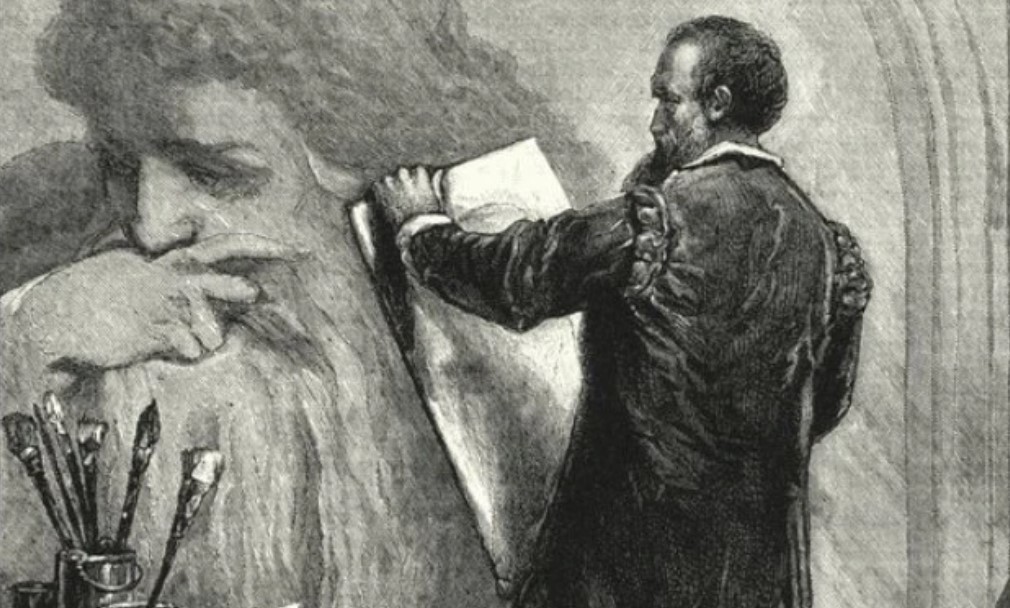
Il peso del tempo perduto
Mi resi conto allora di quanto fosse doloroso pensare al tempo trascorso. Da giovane avevo creduto che i giorni fossero infiniti, ma quando gli anni iniziarono a mancare, ogni istante perduto pesava più di qualsiasi altra sofferenza.
Più breve diventava il tempo che mi restava da vivere, più grande si faceva il rimorso per ciò che non avrei più potuto recuperare.
L’amore perdeva forza mentre la morte si faceva sempre più vicina
Amore continuava a colpirmi, ma le sue ferite non avevano più la forza di un tempo. A dominare i miei pensieri era un’altra presenza, molto più potente e inevitabile: la morte.
Sentivo che i suoi colpi diventavano ogni giorno più forti, mentre quelli dell’amore si affievolivano lentamente, come una fiamma destinata a spegnersi.
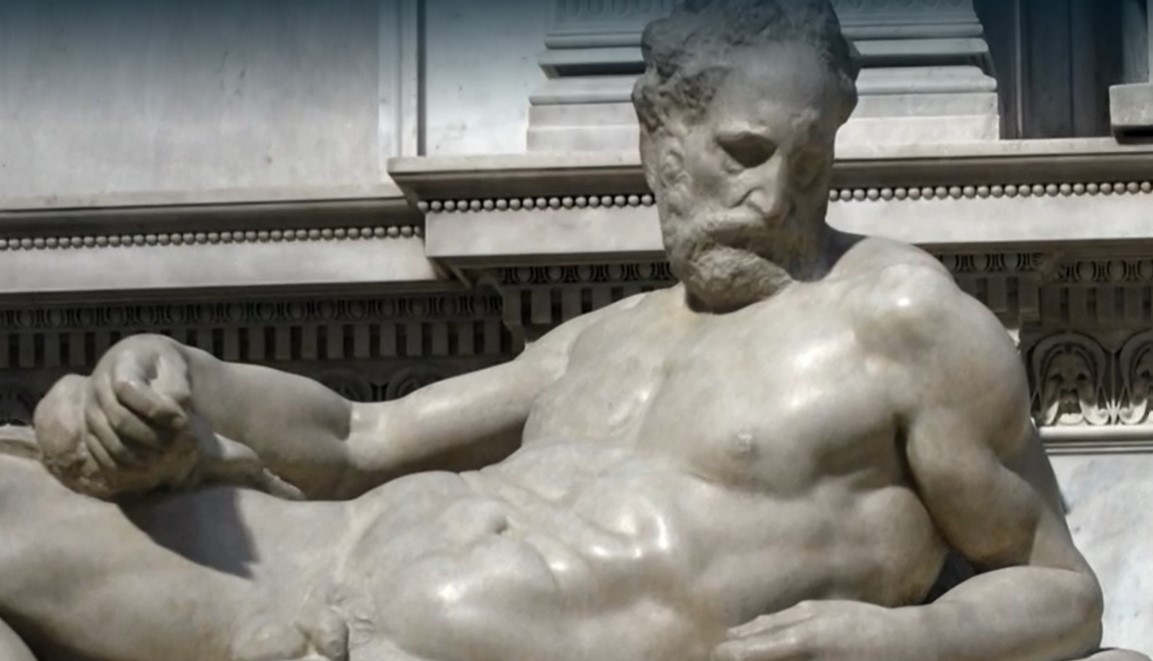
Il fuoco della passione diventarono lacrime di pentimento
Anche il mio ingegno e le parole che per tanti anni erano stati alimentati dal fuoco della passione cambiarono natura. Quell’ardore che aveva ispirato i miei versi e acceso il mio spirito si trasformò in lacrime. Non cantai più il desiderio terreno, ma piansi davanti alla consapevolezza della fragilità dell’uomo e dei suoi errori.
Compresi che il vero valore della mia vita non stava nelle passioni che avevano animato il mio cuore, ma nella capacità di riconoscere i miei limiti e di affidarmi alla misericordia divina.

Il desiderio di essere perdonato
Alla fine rivolsi il mio pensiero a Dio. Gli chiesi che, insieme alle lacrime che scorrevano sul mio volto, fossero lavati via anche tutti i peccati che avevano segnato la mia esistenza. Desideravo che quel pianto diventasse una purificazione dell’anima, così da presentarmi davanti al Creatore con un cuore finalmente libero dal peso delle colpe.
Fu questa la mia ultima vittoria sull’amore terreno: non rinnegarlo, ma riconoscere che, giunto al termine del cammino, nessuna bellezza umana avrebbe potuto avere più valore della speranza nella salvezza eterna.
Non è più tempo, Amor, che ’l cor m’infiammi,
né che beltà mortal più goda o tema:
giunta è già l’ora strema
che ’l tempo perso, a chi men n’ha, più duole.
Quante ’l tuo braccio dammi,
morte i gran colpi scema,
e ’ sua accresce più che far non suole.
Gl’ingegni e le parole,
da te di foco a mio mal pro passati,
in acqua son conversi;
e Die ’l voglia c’or versi
con essa insieme tutti e’ mie peccati.
Per il momento il sempre vostro Michelangelo Buonarroti vi saluta dandovi appuntamento ai prossimi post e sui social.
The Weight of Lost Time
When I wrote these verses, I had already understood that the time for earthly love was over. My heart no longer allowed itself to be inflamed by passion as in the years of my youth, and the beauty of a mortal woman no longer exerted upon me the fascination and torment that had accompanied much of my existence.
I felt that my final season was now near, and that my gaze must turn no longer to worldly things, but to eternity.
On the sheet of paper on which I composed these verses, I also included a note for Luigi del Riccio: “From Lent, your Michelangelo is recommended to you.” I probably wrote them during Lent of 1544, or at the latest, for Lent of the following year.
The Weight of Lost Time
I realized then how painful it was to think of the time gone by. As a young man, I had believed the days were infinite, but as the years began to slip away, every lost moment weighed more than any other suffering.
The shorter the time I had left to live, the greater my remorse for what I could never recover.
Love was losing strength as death drew ever closer
Love continued to strike me, but its wounds no longer had the strength they once had. A different presence, far more powerful and inevitable, dominated my thoughts: death.
I felt its blows grow stronger every day, while those of love slowly faded, like a flame destined to die out.
The fire of passion turned to tears of repentance
Even my ingenuity and the words that had been fueled by the fire of passion for so many years changed nature. That ardor that had inspired my verses and ignited my spirit turned to tears. I no longer sang of earthly desire, but wept at the awareness of man’s fragility and his mistakes.
I understood that the true value of my life lay not in the passions that had animated my heart, but in the ability to recognize my limitations and entrust myself to divine mercy.
The Desire for Forgiveness
Finally, I turned my thoughts to God. I asked Him that, along with the tears streaming down my face, all the sins that had marked my existence would also be washed away. I desired that those tears would become a purification of my soul, so that I could present myself before the Creator with a heart finally free from the burden of sin.
This was my final victory over earthly love: not to deny it, but to recognize that, at the end of the journey, no human beauty could have more value than the hope of eternal salvation.
Non è più tempo, Amor, che ’l cor m’infiammi,
né che beltà mortal più goda o tema:
giunta è già l’ora strema
che ’l tempo perso, a chi men n’ha, più duole.
Quante ’l tuo braccio dammi,
morte i gran colpi scema,
e ’ sua accresce più che far non suole.
Gl’ingegni e le parole,
da te di foco a mio mal pro passati,
in acqua son conversi;
e Die ’l voglia c’or versi
con essa insieme tutti e’ mie peccati.
For now, yours truly, Michelangelo Buonarroti, bids farewell and invites you to join him in future posts and on social media.

Sostienici – Support Us
Se questo blog ti piace e ti appassiona, puoi aiutarci a farlo crescere sempre più sostenendoci in modo concreto condividendo i post, seguendo le pagine social e con un contributo che ci aiuta ad andare avanti con il nostro lavoro di divulgazione. . ENGLISH: If you like and are passionate about this blog, you can help us make it grow more and more by supporting us in a concrete way by sharing posts, following social pages and with a contribution that helps us to move forward with our dissemination work.
10,00 €
Condividi:


Questo sono io




sostienici

Sostienici – Support Us
Se questo blog ti piace e ti appassiona, puoi aiutarci a farlo crescere sempre più sostenendoci in modo concreto condividendo i post, seguendo le pagine social e con un contributo che ci aiuta ad andare avanti con il nostro lavoro di divulgazione. . ENGLISH: If you like and are passionate about this blog, you can help us make it grow more and more by supporting us in a concrete way by sharing posts, following social pages and with a contribution that helps us to move forward with our dissemination work.
€10,00


