
Entri in chiesa, ma per vedere illuminati gli affreschi devi pagare: è davvero giusto?
Dall’obolo per illuminare una cappella al diritto di fruire del patrimonio: un tema che merita una riflessione
Entrare in una chiesa dovrebbe essere un’esperienza di raccoglimento, spiritualità e bellezza. Eppure, capita che la visita a importanti capolavori dell’arte italiana si trasforma in una sequenza di monetine da inserire in una macchinetta.
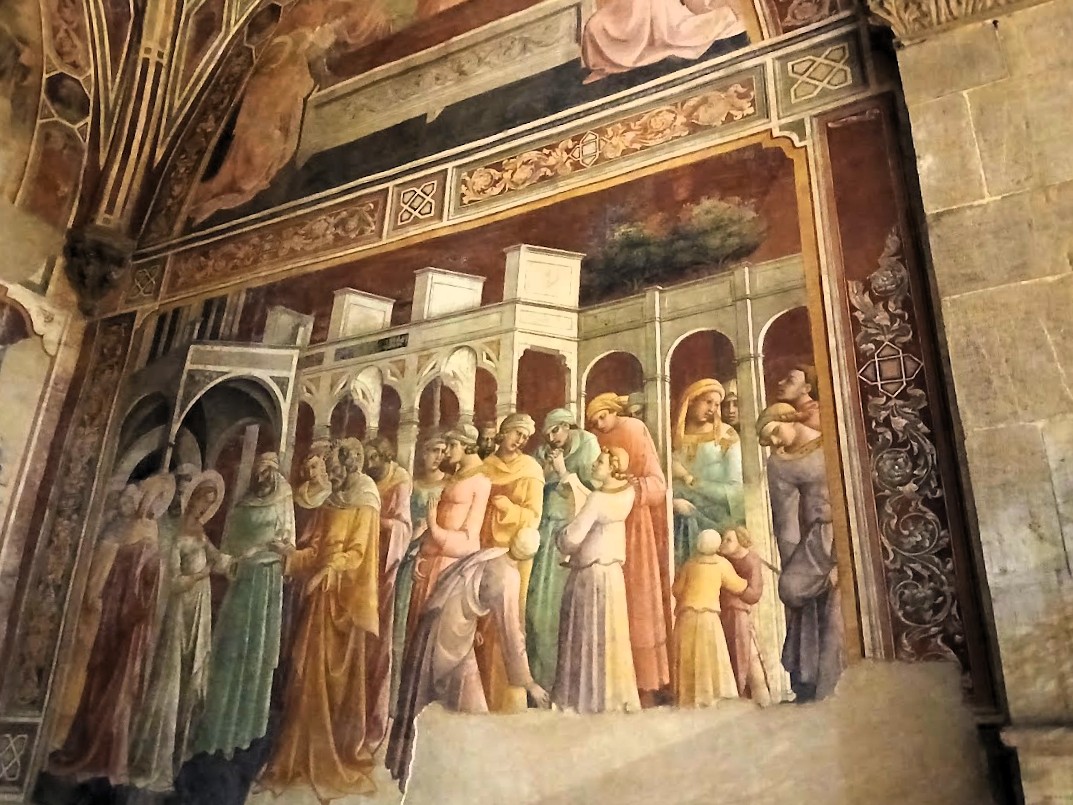
Accade, ad esempio, nella Chiesa di Santa Trinita di Firenze, dove alcune tra le cappelle più celebri possono essere ammirate soltanto dopo aver attivato un sistema di illuminazione a pagamento. Tra queste figurano la Cappella dei Sercialli, la Cappella Bartolini Salimbeni e la celebre Cappella Sassetti. Accade anche in Santa Maria sopra Minerva a Roma per vedere i mirabili affreschi di Filippino Lippi della Cappella Carafa e in tanti altri luoghi di culto.
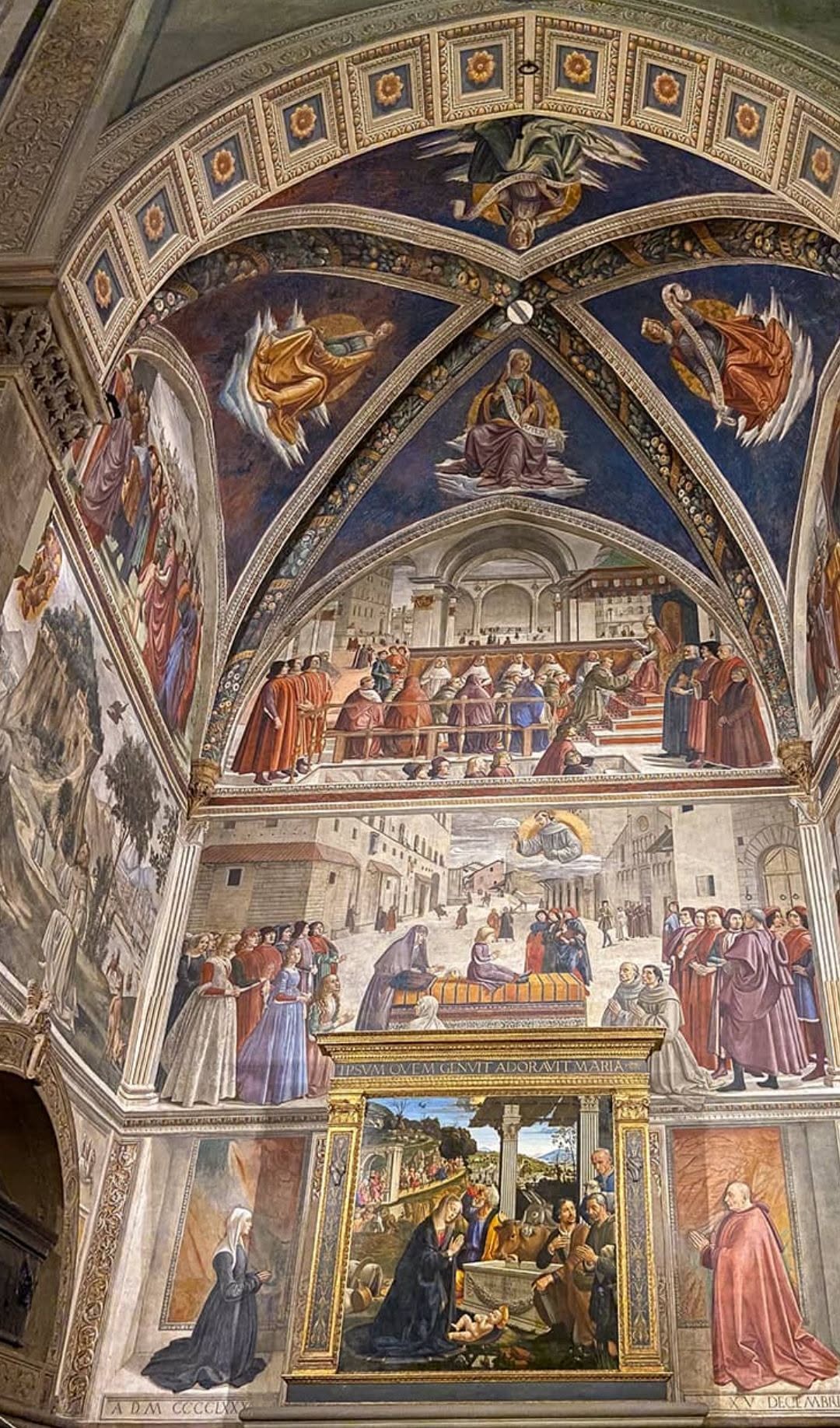
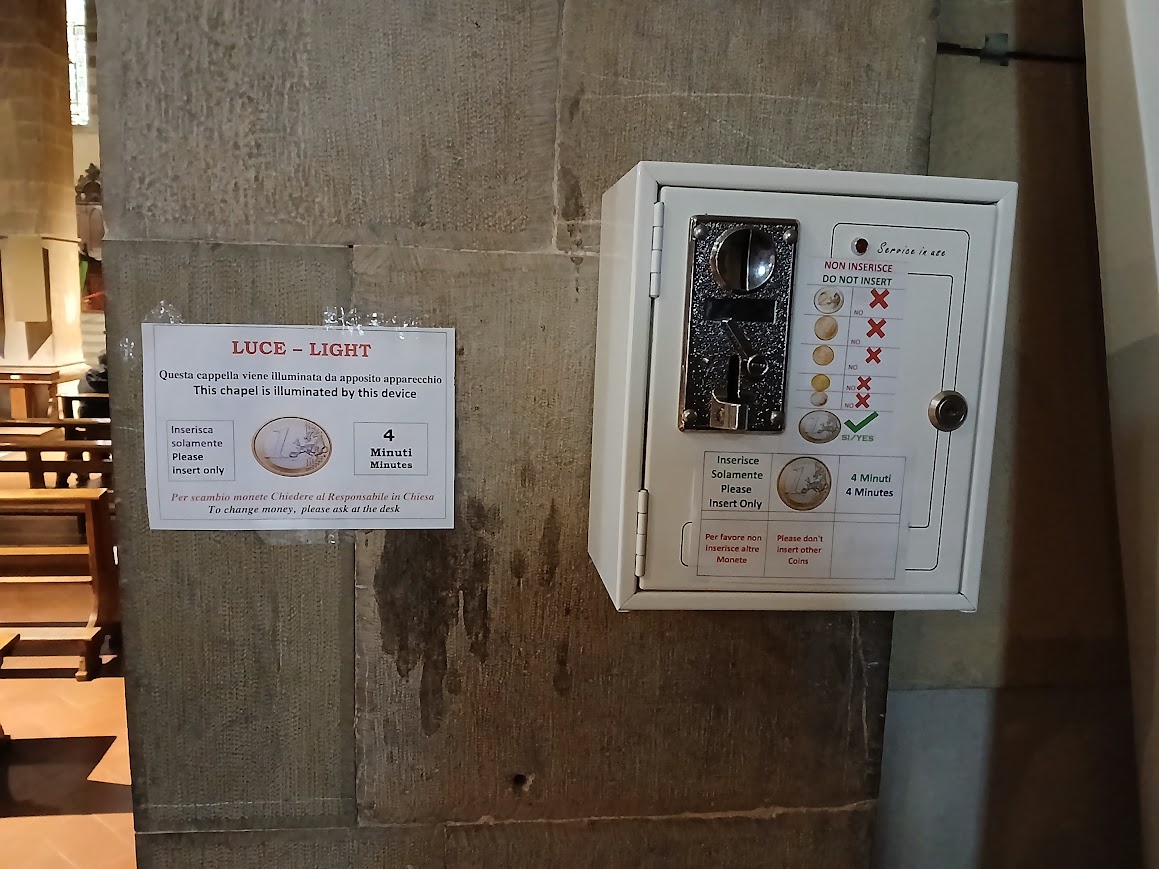
In alcuni casi l’illuminazione costa due euro, in altri un euro per pochi minuti, con tempi che variano a seconda dell’opera.
Il problema non è tanto l’importo della singola moneta. È il principio che questa modalità di fruizione introduce.
Quanto costa davvero studiare un’opera d’arte?
Per il turista che desidera dare un rapido sguardo agli affreschi, due euro possono sembrare una cifra trascurabile.
Ma cosa accade a uno studioso, a uno storico dell’arte, a uno studente o semplicemente a un appassionato che desideri osservare un ciclo di affreschi con calma?
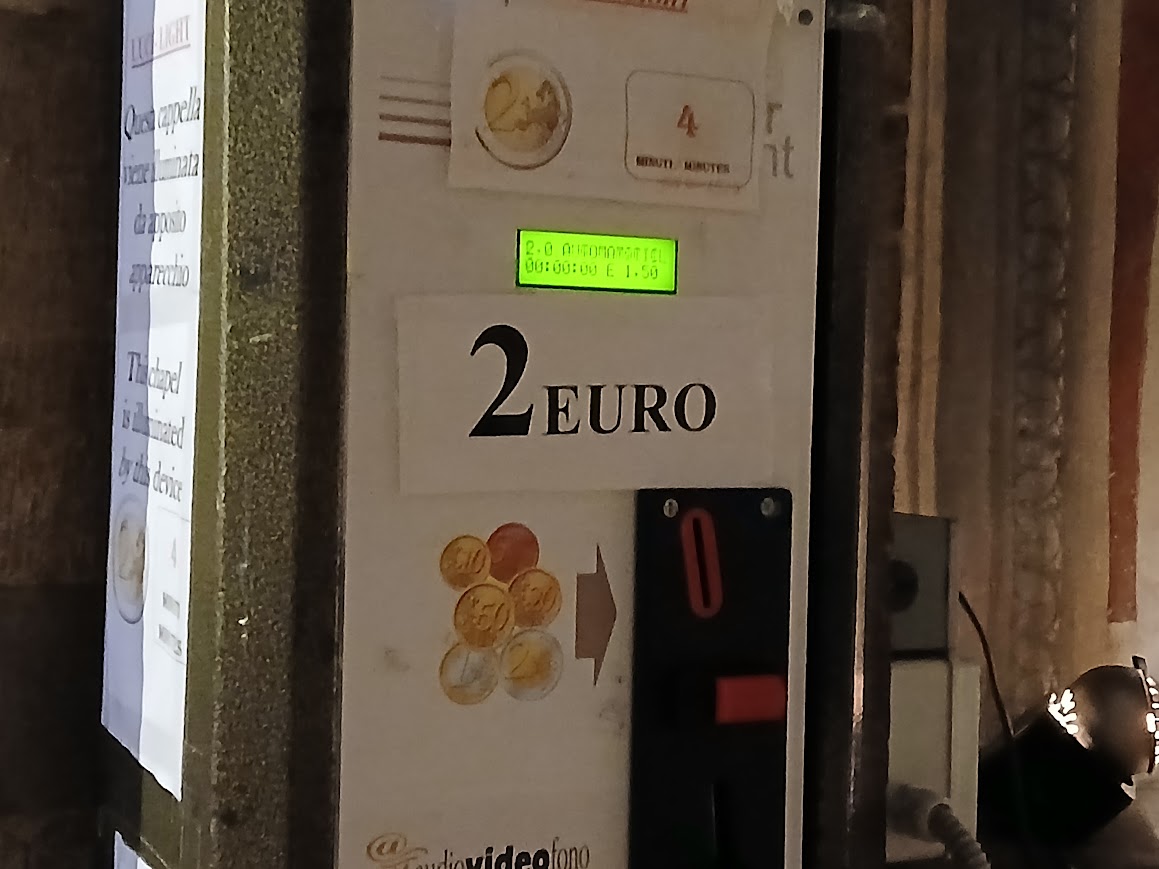
Se un minuto di illuminazione costa due euro, un’ora di luce continua arriverebbe a costare 120 euro per una sola cappella. Se poi si volessero studiare più ambienti nello stesso tempo, la cifra crescerebbe rapidamente fino a diventare difficilmente sostenibile.
L’arte, soprattutto quella custodita nelle chiese, richiede tempo. Gli affreschi non sono immagini da consumare in pochi secondi: raccontano storie, custodiscono dettagli iconografici, tecniche pittoriche e significati che emergono solo attraverso un’osservazione lenta.
Non sarebbe più logico un biglietto d’ingresso?
Chi scrive comprende perfettamente che mantenere una chiesa storica comporta costi elevati: restauri, impianti, pulizia, sicurezza e bollette hanno un peso economico reale.
Proprio per questo nasce una domanda.
Non sarebbe più trasparente prevedere un biglietto d’ingresso, magari destinato esclusivamente alla visita artistica, lasciando comunque libero l’accesso per la preghiera, piuttosto che costringere il visitatore a pagare ogni singola cappella o ogni minuto di illuminazione?
Un sistema del genere consentirebbe di osservare le opere senza la pressione del tempo che scorre e senza dover comprare a caro prezzo ogni sguardo rivolto a un affresco.
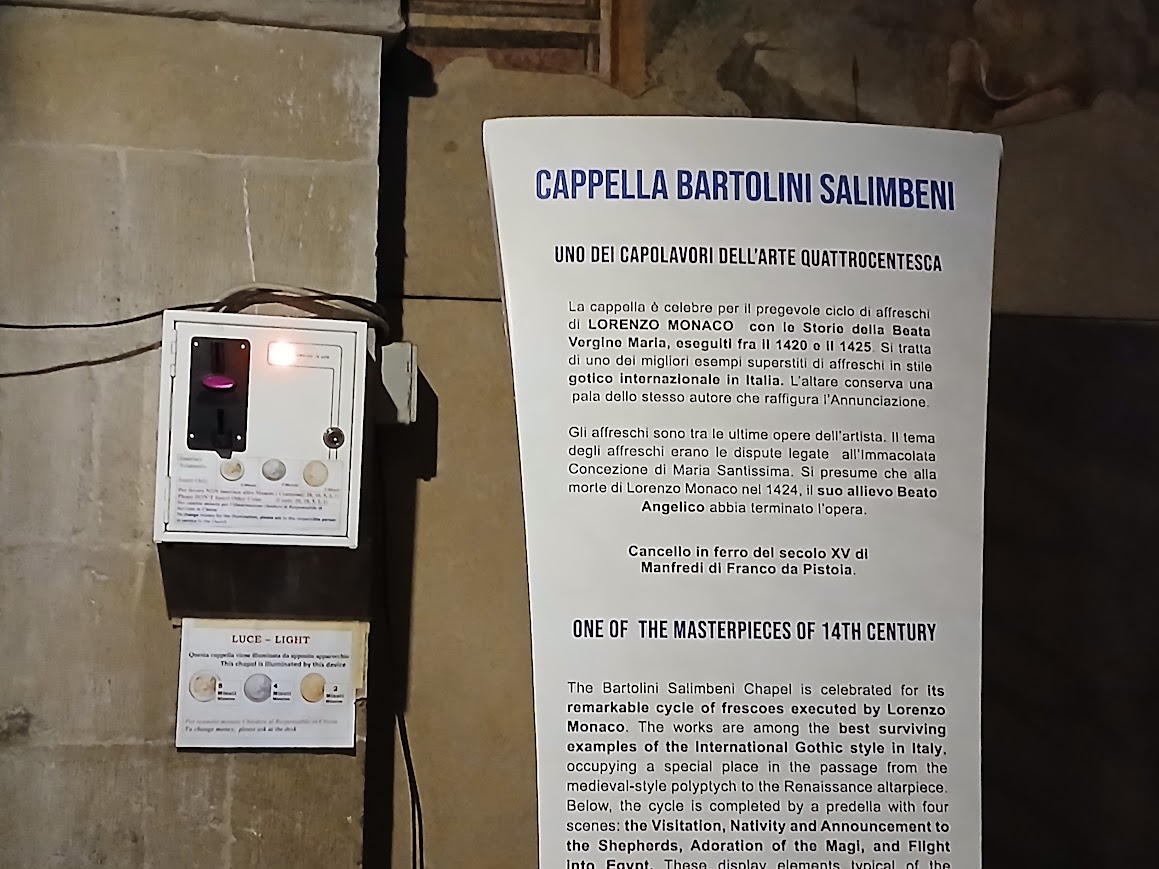
Le cappelle erano un dono ai fedeli, non un servizio a consumo
C’è poi un altro aspetto non trascurabile che è sempre bene ricordare. Le grandi famiglie che, tra Medioevo e Rinascimento, finanziarono la costruzione delle loro cappelle private e commissionarono cicli pittorici ai migliori artisti del tempo lo fecero certamente anche per affermare il proprio prestigio e lasciare memoria di sé.
Ma non solo.
Quelle opere erano anche un dono alla comunità dei fedeli. Erano strumenti di catechesi, manifestazioni di devozione e patrimoni destinati a essere contemplati dalle generazioni future.
Quei capolavori furono pagati profumatamente dai loro committenti proprio perché restassero nella chiesa, accessibili a tutti.
Viene quindi spontaneo chiedersi: se quelle opere nacquero come un dono pubblico, è giusto che oggi la loro visione sia subordinata all’inserimento di una moneta?
“La mia casa sarà chiamata casa di preghiera”
Davanti a queste situazioni torna inevitabilmente alla mente un celebre passo del Vangelo secondo Matteo. Quando Gesù Cristo scaccia i mercanti dal Tempio pronuncia parole destinate a rimanere nella memoria collettiva:
«La mia casa sarà chiamata casa di preghiera. Ma voi ne avete fatto una spelonca di ladri».
Sia chiaro: questo non significa dare dei “ladri” a chi oggi gestisce questi sistemi. Sarebbe un’accusa ingiusta e fuori luogo.
Quelle parole, però, invitano a riflettere sul rapporto tra denaro, luoghi sacri e accesso alla bellezza.
Conservazione e accessibilità possono convivere?
Nessuno mette in dubbio la necessità di reperire fondi per conservare un patrimonio straordinario che appartiene non solo alla Chiesa, ma alla storia dell’arte mondiale.
La domanda è un’altra. Esistono modalità più equilibrate per finanziare la manutenzione senza trasformare l’illuminazione delle opere in un servizio a consumo?
Un biglietto unico? Una donazione libera realmente facoltativa? Un sistema che garantisca un tempo congruo di osservazione? Oppure l’attuale modello è davvero il migliore possibile?
Il patrimonio artistico custodito nelle chiese non è un mero insieme di capolavori ma memoria collettiva, identità culturale e testimonianza di una civiltà che ha scelto di affidare alla bellezza il compito di parlare a tutti.
E proprio per questo vale la pena discuterne, senza pregiudizi ma con una domanda di fondo: l’arte sacra deve essere accessibile a chiunque oppure rischia di diventare un bene fruibile solo da chi può permettersi di pagare ogni minuto di luce?
Per il momento il sempre vostro Michelangelo Buonarroti vi saluta dandovi appuntamento ai prossimi post e sui social.
You enter a church, but to see the frescoes illuminated, you have to pay: is this really fair?
From the donation to illuminate a chapel to the right to enjoy its heritage: a topic worth reflecting on.
Entering a church should be an experience of contemplation, spirituality, and beauty. Yet, sometimes a visit to important masterpieces of Italian art turns into a series of coins inserted into a machine.
This happens, for example, in the Church of Santa Trinita in Florence, where some of the most famous chapels can only be admired after activating a paid lighting system. These include the Sercialli Chapel, the Bartolini Salimbeni Chapel, and the famous Sassetti Chapel. In some cases, the lighting costs two euros, in others one euro for a few minutes, with the duration varying depending on the work.
The problem isn’t so much the cost of the single coin. It’s the principle that this approach to enjoyment introduces.
How much does it really cost to study a work of art?
For a tourist wanting a quick look at the frescoes, two euros may seem like a negligible sum.
But what about a scholar, an art historian, a student, or simply an enthusiast who wants to observe a fresco cycle at leisure?
If a minute of illumination costs two euros, an hour of continuous light would cost up to 120 euros for a single chapel. If one wanted to study multiple spaces at the same time, the cost would quickly increase to the point of becoming unsustainable.
Art, especially that housed in churches, requires time. Frescoes are not images to be consumed in a few seconds: they tell stories, preserve iconographic details, pictorial techniques, and meanings that emerge only through slow observation.
Wouldn’t an entrance fee be more logical?
The author fully understands that maintaining a historic church is expensive: restoration, systems, cleaning, security, and bills all have a real economic impact.
This raises a question.
Wouldn’t it be more transparent to charge an entrance fee, perhaps exclusively for the artistic visit, while still allowing access for prayer, rather than forcing visitors to pay for each individual chapel or each minute of illumination?
Such a system would allow visitors to observe the works without the pressure of time passing and without having to pay dearly for every glimpse of a fresco.
The chapels were a gift to the faithful, not a paid service
There is another important aspect that is always worth remembering. The great families who, between the Middle Ages and the Renaissance, financed the construction of their private chapels and commissioned pictorial cycles from the best artists of the time certainly did so to affirm their prestige and leave a legacy.
But not only that.
Those works were also a gift to the community of the faithful. They were instruments of catechesis, expressions of devotion, and heritages destined to be contemplated by future generations.
Those masterpieces were paid handsomely by their patrons precisely so that they would remain in the church, accessible to all.
It therefore comes naturally to ask: if those works were born as a public gift, is it right that their viewing today is subordinate to the insertion of a coin?
“My house will be called a house of prayer”
Faced with these situations, a famous passage from the Gospel of Matthew inevitably comes to mind. When Jesus Christ drives the merchants from the Temple, he utters words destined to remain in the collective memory:
“My house will be called a house of prayer. But you have made it a den of thieves.”
Let me be clear: this does not mean calling those who manage these systems today “thieves.” That would be an unjust and misplaced accusation.
Those words, however, invite us to reflect on the relationship between money, sacred places, and access to beauty.
Can conservation and accessibility coexist?
No one doubts the need to raise funds to preserve an extraordinary heritage that belongs not only to the Church, but to the history of world art.
The question is another. Are there more balanced ways to finance maintenance without turning the lighting of artworks into a pay-as-you-go service?
A single ticket? A truly voluntary donation? A system that guarantees adequate viewing time? Or is the current model truly the best possible?
The artistic heritage preserved in churches is not a mere collection of masterpieces, but collective memory, cultural identity, and testimony to a civilization that has chosen to entrust beauty with the task of speaking to everyone.
And precisely for this reason, it is worth discussing it, without prejudice but with a fundamental question: should sacred art be accessible to everyone, or does it risk becoming a resource enjoyed only by those who can afford to pay for every minute of light?
For now, yours truly, Michelangelo Buonarroti, bids farewell and invites you to join him in future posts and on social media.

Sostienici – Support Us
Se questo blog ti piace e ti appassiona, puoi aiutarci a farlo crescere sempre più sostenendoci in modo concreto condividendo i post, seguendo le pagine social e con un contributo che ci aiuta ad andare avanti con il nostro lavoro di divulgazione. . ENGLISH: If you like and are passionate about this blog, you can help us make it grow more and more by supporting us in a concrete way by sharing posts, following social pages and with a contribution that helps us to move forward with our dissemination work.
10,00 €
Articoli
Condividi:


Questo sono io




sostienici

Sostienici – Support Us
Se questo blog ti piace e ti appassiona, puoi aiutarci a farlo crescere sempre più sostenendoci in modo concreto condividendo i post, seguendo le pagine social e con un contributo che ci aiuta ad andare avanti con il nostro lavoro di divulgazione. . ENGLISH: If you like and are passionate about this blog, you can help us make it grow more and more by supporting us in a concrete way by sharing posts, following social pages and with a contribution that helps us to move forward with our dissemination work.
€10,00


