
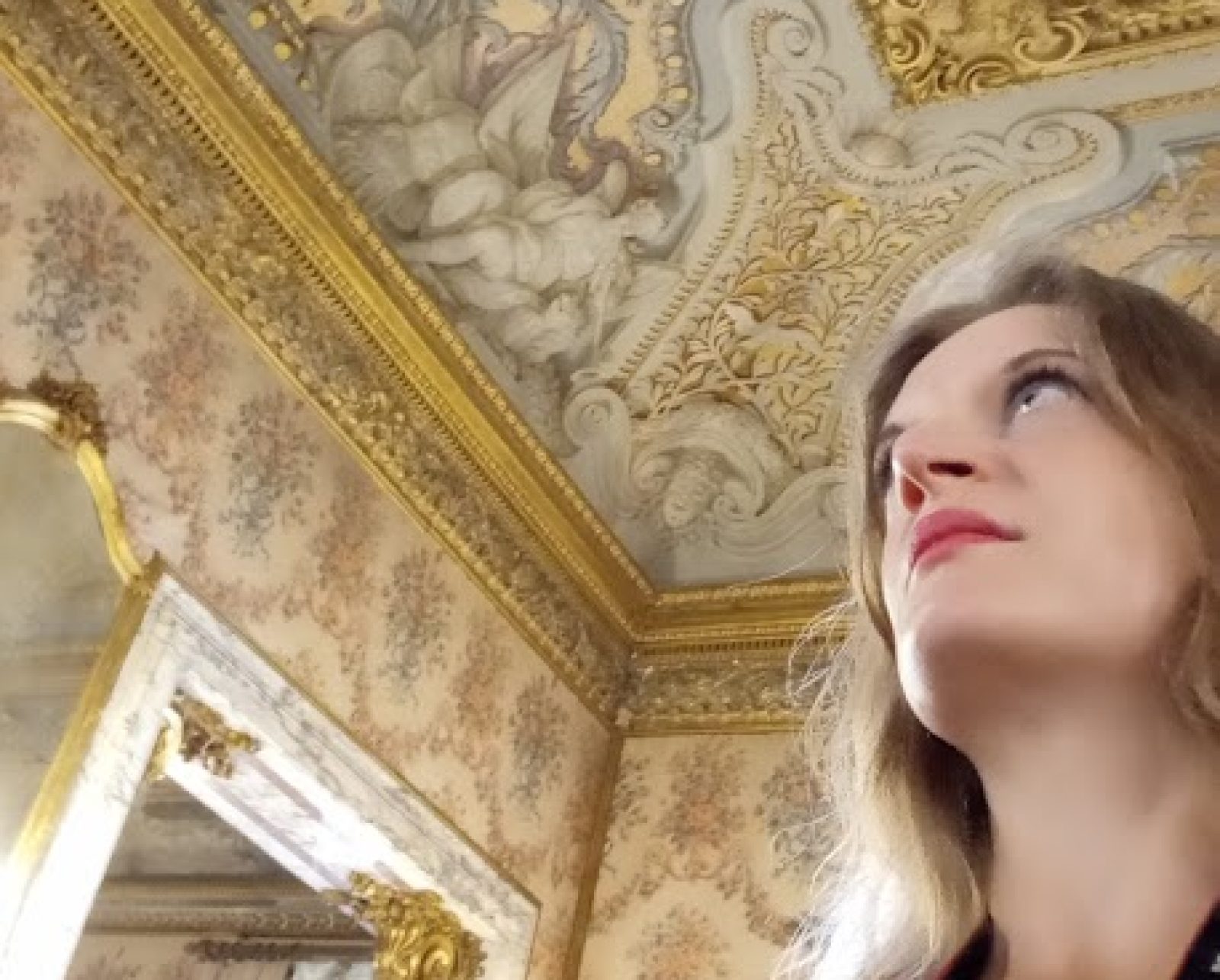
Pietro da Cortona e la rivoluzione dei soffitti illusionistici
Era il 1632 quando papa Urbano VIII Barberini commissionò a Pietro da Cortona il grande affresco della volta del salone di Palazzo Barberini, a Roma: fu quello l’inizio di una nuova era per il mondo dell’arte.
Un lavoro prestigioso che avrebbe contribuito ad arricchire la storia dell’arte con una nuovissima invenzione.
Immaginatevi la Roma del Seicento nella quale potenti committenti chiedevano agli artisti più noti opere sempre più grandiose, capaci di stupire e meravigliare.

C’era la necessità di creare qualcosa di completamente diverso, innovativo e che lasciasse tutti a bocca aperta. Questo lo sapeva bene Pietro da Cortona che per soddisfare papa Urbano VIII volle fare forma a un cielo che si aprisse sull’infinito.
Tra ripensamenti, viaggi, pause e duro lavoro, l’artista impiegò anni per portare a termine i 600 metri quadrati di superficie affrescata, con un’opera grandiosa che lo consacrò come l’inventore di un linguaggio figurativo innovativo.
Mischiò assieme sacro e profano per esaltare al meglio la famiglia Barberini. Dopo aver svelato quell’incredibile lavoro, divenne uno dei più richiesti e stimati artisti sulla scena nel Seicento.

Il Trionfo della Divina Provvidenza soddisfa infatti alcuni del parametri che erano divenuti fondamentali per il Barocco come la complessità, l’illusione e l’horror vacui.
Pittura e falsa architettura si intrecciano creando straordinarie illusioni ottiche. Prima di lui già io avevo affrescato il Giudizio Universale e il Mantegna la Camera degli Sposi a Mantova ma Pietro da Cortona arricchì il suo lavoro all’inverosimile aggiungendo personaggi che sforano le cornici, finte sculture, falsi bronzi e fronte che sembrano vere, medaglioni e ghirlande.
Lo spettatore, dinanzi a un’opera simile, non può fare altro che lasciarsi ingannare l’occhio e la mente da quel virtuosismo che rese possibile l’assoluta padronanza della prospettiva, del colore e finanche della luce.

Perché ho fatto accenno all’horror vacui?
Perché c’è spazio per tutto in quell’affresco, fuorché per il vuoto. L’orrore del vuoto si esprime attraverso il riempimento di ogni centimetro quadrato di superficie con un personaggio, un elemento architettonico, un’ape dei Barberini o qualsiasi altra cosa.
Figure sacre si mescolano a Veneri e amorini e lo spettatore invece di sentirsi opprimere da tanta complessità, ha come l’impressione di essere risucchiato verso l’alto.

Con questa straordinaria opera Pietro da Cortona diede il via alla realizzazione delle volte illusionistiche. Dopo di lui altri artisti vorranno cimentarsi in capolavori che raffigurino cieli sfondati come per esempio il Baciccio ce tra il 1676 e il 1679 affrescò nella chiesa del Gesù ‘Il Trionfo del nome di Gesù’ oppure Andrea Pozzo che qualche anno dopo, tra il 1691 e il 1694, affrescò la meravigliosa Gloria di Sant’Ignazio di Loyola a Roma, nell’omonima chiesa.
Per il momento il sempre vostro Michelangelo Buonarroti vi saluta dandovi appuntamento ai prossimi post e sui social.
Pietro da Cortona and the revolution of illusionistic ceilings
It was 1632 when Pope Urban VIII Barberini commissioned Pietro da Cortona to paint the large fresco on the vault of the hall of Palazzo Barberini in Rome.
A prestigious work that would contribute to enriching the history of art with a brand new invention. Imagine seventeenth-century Rome, where powerful clients asked the most famous artists for increasingly grandiose works, capable of surprising and astonishing. There was a need to create something completely different, innovative and that would leave everyone speechless. Pietro da Cortona knew this well, and to satisfy Pope Urban VIII he wanted to create a sky that opened onto infinity.
Between second thoughts, travels, pauses and hard work, the artist took years to complete the 600 square meters of frescoed surface, with a grandiose work that consecrated him as the inventor of an innovative figurative language.
He mixed together the sacred and the profane to best exalt the Barberini family. After revealing that incredible work, he became one of the most sought-after and esteemed artists on the scene in the seventeenth century.
The Triumph of Divine Providence in fact satisfies some of the parameters that had become fundamental for the Baroque such as complexity, illusion and horror vacui.
Painting and false architecture intertwine creating extraordinary optical illusions. Before him I had already frescoed the Last Judgement and Mantegna the Bridal Chamber in Mantua but Pietro da Cortona enriched his work beyond belief by adding characters that go beyond the frames, fake sculptures, fake bronzes and foreheads that seem real, medallions and garlands.
The spectator in front of a work like this can do nothing but let his eye and mind be fooled by so much virtuosity that made possible an absolute mastery of perspective, color and even light.
Why did I mention horror vacui? Because there is room for everything in that fresco except emptiness. The horror of emptiness is expressed by filling every square centimeter of surface with a character, an architectural element, a Barberini bee or anything else.
Sacred figures mix with Venuses and cupids and the spectator, instead of feeling oppressed by so much complexity, has the impression of being sucked upwards.
With this extraordinary work Pietro da Cortona started the creation of illusionistic vaults. After him, other artists will want to try their hand at masterpieces depicting broken skies, such as Baciccio who between 1676 and 1679 frescoed ‘The Triumph of the Name of Jesus’ in the church of the Gesù, or Andrea Pozzo who a few years later, between 1691 and 1694, frescoed the marvelous Glory of Saint Ignatius of Loyola in Rome, in the church of the same name.
For the moment, yours truly Michelangelo Buonarroti bids you farewell, making an appointment to see you in the next posts and on social media.

Sostienici – Support Us
Se questo blog ti piace e ti appassiona, puoi aiutarci a farlo crescere sempre più sostenendoci in modo concreto condividendo i post, seguendo le pagine social e con un contributo che ci aiuta ad andare avanti con il nostro lavoro di divulgazione. . ENGLISH: If you like and are passionate about this blog, you can help us make it grow more and more by supporting us in a concrete way by sharing posts, following social pages and with a contribution that helps us to move forward with our dissemination work.
10,00 €
Articoli
Condividi:


Questo sono io





sostienici

Sostienici – Support Us
Se questo blog ti piace e ti appassiona, puoi aiutarci a farlo crescere sempre più sostenendoci in modo concreto condividendo i post, seguendo le pagine social e con un contributo che ci aiuta ad andare avanti con il nostro lavoro di divulgazione. . ENGLISH: If you like and are passionate about this blog, you can help us make it grow more and more by supporting us in a concrete way by sharing posts, following social pages and with a contribution that helps us to move forward with our dissemination work.
€10,00


Che meraviglia questi soffitti!! 👏👏👏👏👏👏👏👏👏👏👏👏👏👏👏👏👏👏
"Mi piace"Piace a 1 persona