

Il Ritratto dell’Artista: la nuova mostra dei Musei di San Domenico di Forlì
I Musei di San Domenico di Forlì si stanno preparando per accogliere un’altra grande mostra. Dopo il grande successo dell’esposizione dedicata ai Preraffaelliti, la prossima esposizione sarà dedicata agli autoritratti degli artisti e alla loro evoluzione nel corso dei secoli.
“Nello specchio di Narciso. Il volto, la maschera, il selfie” aprirà i battenti al pubblico dal 23 febbraio al 29 giugno 2025.
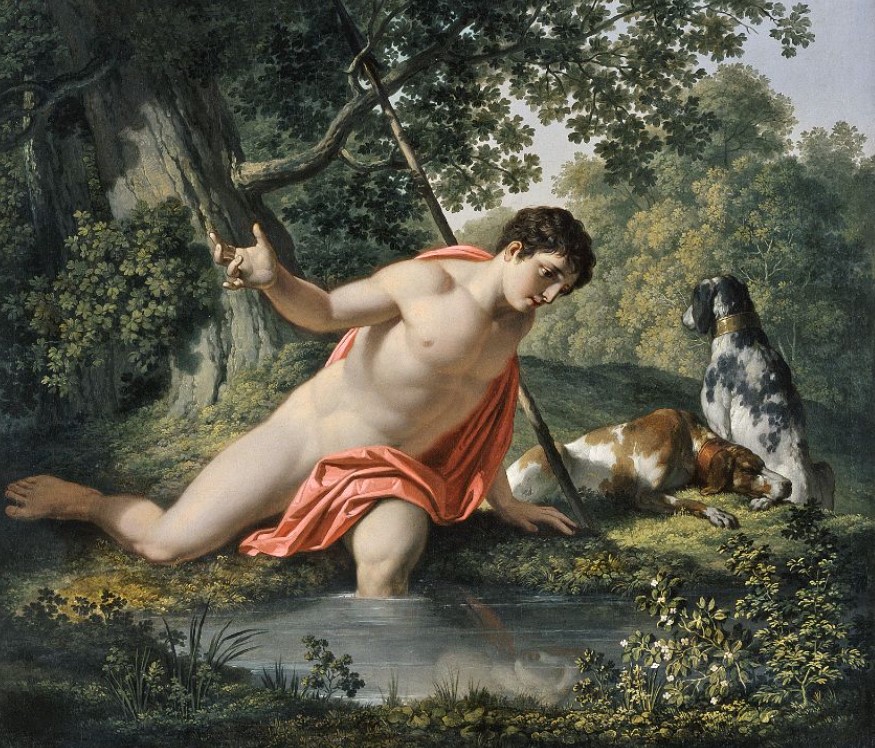
Il primo autoritratto nella storia è quello Narciso che, guardandosi nello specchio d’acqua, riconobbe le proprie sembianze.
Nel corso dei secoli, ritrarre il proprio volto è stata una sfida per gli artisti, un tributo a sé stessi che talvolta celava messaggio da lasciare ai posteri. Ritrarsi non è un semplice esercizio di stile ma richiede il mettersi in gioco, il mostrare senza filtri le proprie emozioni e mettere a nudo i pensieri che turbinano in testa.
Per fare un proprio ritratto c’è la necessità di usare uno specchio: qualcuno davanti a tale strumento appariva timido, prudente mentre altri hanno mostrato una certa bramosia nel guardarsi. Lo specchio è anche l’allegoria di vizi e virtù e anche ciò acquista un significato non trascurabile nell’arte.
Negli autoritratti i pittori diventano modelli e artisti e, a volte, più che un ritratto, il risultato ottenuto sulla tela è una maschera di sé stessi.
C’è da considerare anche un dettaglio di non poco conto. Non sempre l’artista realizza un autoritratto isolato da qualsiasi contesto. A volte si auto dipinge nel bel mezzo di un contesto mitologico, talvolta in una scena sacra o bucolica. Basti pensare a Botticelli ma anche al Perugino, Dürer, Hayez e tanti altri.
Nudo o vestito, truccato o travestito, sorridente o malinconico, attraverso l’immagine di sé, l’artista rintraccia il proprio mondo interiore.
Da Tiziano a Rembrandt, a Van Gogh, da De Chirico a Warhol, il ritratto dell’artista è un autografo esistenziale che racconta ai posteri l’animo di chi l’ha realizzato.

Segnatevi date e luogo: “Nello specchio di Narciso. Il volto, la maschera, il selfie” dal23 febbraio al 29 giugno 2025, ai Musei di San Domenico di Forlì.
Per il momento il sempre vostro Michelangelo Buonarroti vi saluta dandovi appuntamento ai prossimi post e sui social.
The Portrait of the Artist: the new exhibition at the San Domenico Museums in Forlì
The San Domenico Museums in Forlì are preparing to host another great exhibition. After the great success of the exhibition dedicated to the Pre-Raphaelites, the next exhibition will be dedicated to the self-portraits of artists and their evolution over the centuries.
“In the Mirror of Narcissus. The Face, the Mask, the Selfie” will open its doors to the public from February 23 to June 29, 2025.
The first self-portrait in history is that of Narcissus who, looking at himself in the mirror of water, recognized his own features.
Over the centuries, portraying one’s own face has been a challenge for artists, a tribute to themselves that sometimes concealed a message to leave to posterity. Portraying oneself is not a simple exercise in style but requires putting yourself on the line, showing your emotions without filters and laying bare the thoughts that swirl in your head.
To make a self-portrait you need to use a mirror: some people in front of this instrument appeared shy, cautious while others showed a certain greed in looking at themselves. The mirror is also the allegory of vices and virtues and this also acquires a significant meaning in art.
In self-portraits artists become models and artists and sometimes more than a portrait, the result obtained on the canvas is a mask of themselves.
There is also a detail of no small importance to consider. The artist does not always make a self-portrait isolated from any context. Sometimes he paints himself in the middle of a mythological context, sometimes in a sacred or bucolic scene. Just think of Botticelli but also Perugino, Dürer, Hayez and many others.
Nude or dressed, made up or disguised, smiling or melancholic, through the image of himself, the artist traces his own inner world.
From Titian to Rembrandt, to Van Gogh, from De Chirico to Warhol, the portrait of the artist is an existential autograph that tells posterity the soul of the person who created it.
Write down the dates and places: “In the Mirror of Narcissus. The Face, the Mask, the Selfie” from February 23 to June 29, 2025, at the Museums of San Domenico in Forlì.
For the moment, yours truly Michelangelo Buonarroti bids you farewell, making an appointment for the next posts and on social media.

Sostienici – Support Us
Se questo blog ti piace e ti appassiona, puoi aiutarci a farlo crescere sempre più sostenendoci in modo concreto condividendo i post, seguendo le pagine social e con un contributo che ci aiuta ad andare avanti con il nostro lavoro di divulgazione. . ENGLISH: If you like and are passionate about this blog, you can help us make it grow more and more by supporting us in a concrete way by sharing posts, following social pages and with a contribution that helps us to move forward with our dissemination work.
10,00 €
-
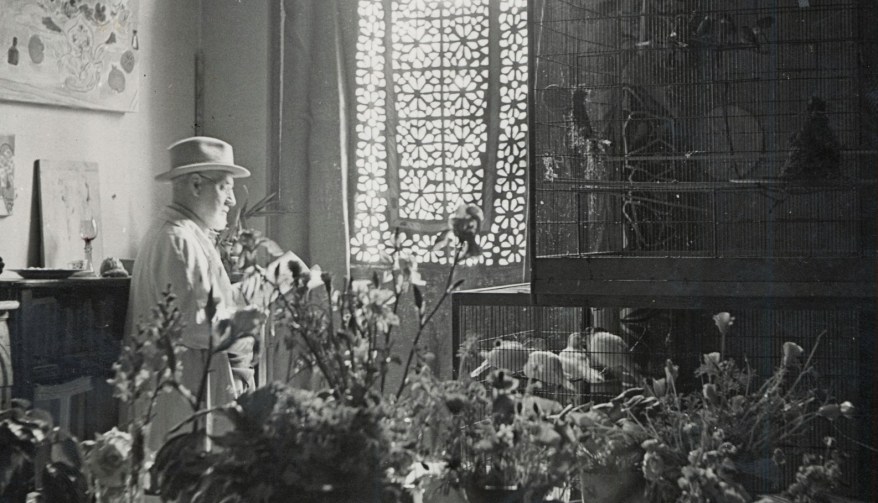
Matisse, il mondo intero dentro una stanza: al MUDEC la mostra che racconta la sua arte
🇮🇹’Matisse. Il mondo in una stanza’ al MUDEC di Milano racconta come Africa, Islam, Russia, Cina e Tahiti cambiarono l’arte di Henri Matisse… 🇬🇧’Matisse: The World in a Room’ at MUDEC in Milan tells the story of how Africa, Islam, Russia, China, and Tahiti transformed the art of Henri Matisse…
-
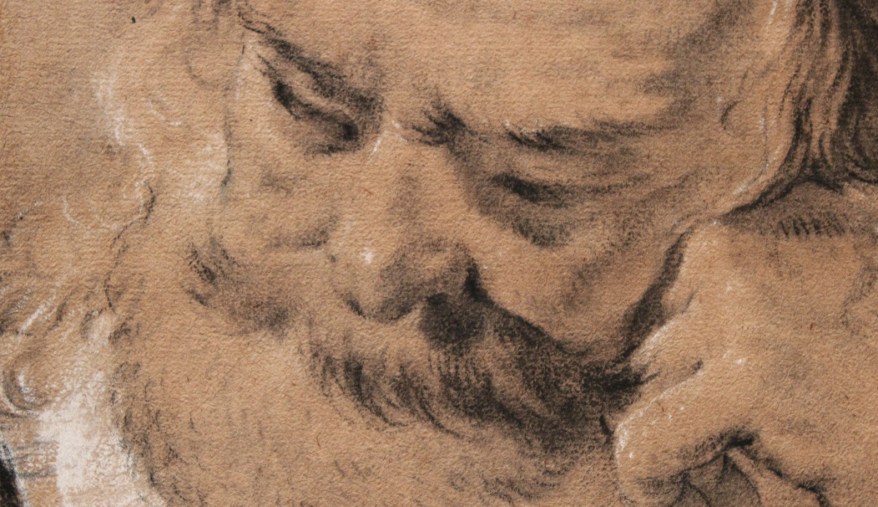
Giovanni Battista Piazzetta, il vecchio che sembra vivo: la poesia in un disegno
🇮🇹Una testa, una barba, due mani e una luce straordinaria: nella Testa di vecchio, Piazzetta trasforma gesso bianco e nero e carta bruna in un’immagine di incredibile intensità… 🇬🇧A head, a beard, two hands, and extraordinary light: in *Head of an Old Man*, Piazzetta transforms black and white chalk and brown paper into an image…
-
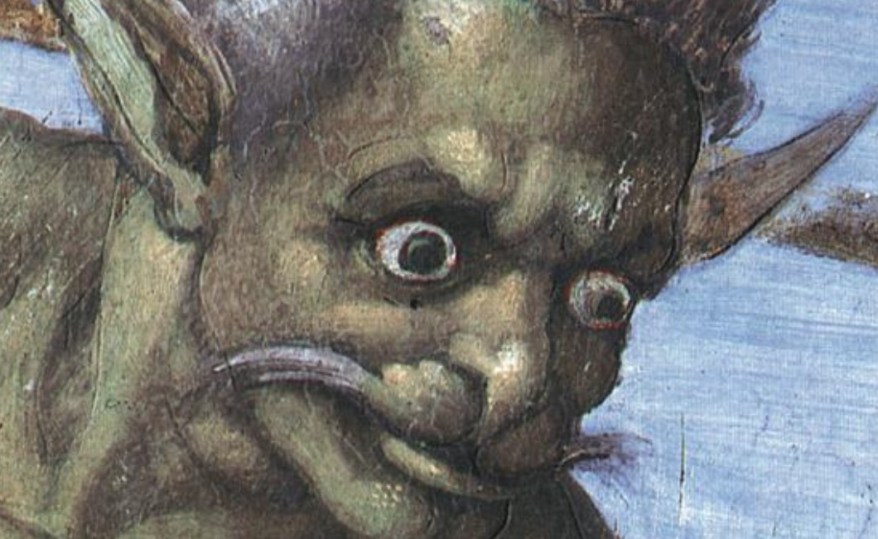
La firma nascosta nel Giudizio Universale: chi ha firmato sul remo di Caronte?
🇮🇹Sapete che nel Giudizio Universale c’è una firma non mia e che si trova proprio sul remo di Caronte?… 🇬🇧Did you know that in the *Last Judgment* there is a signature that isn’t mine, and that it is located right on Charon’s oar?…
Condividi:


Questo sono io




sostienici

Sostienici – Support Us
Se questo blog ti piace e ti appassiona, puoi aiutarci a farlo crescere sempre più sostenendoci in modo concreto condividendo i post, seguendo le pagine social e con un contributo che ci aiuta ad andare avanti con il nostro lavoro di divulgazione. . ENGLISH: If you like and are passionate about this blog, you can help us make it grow more and more by supporting us in a concrete way by sharing posts, following social pages and with a contribution that helps us to move forward with our dissemination work.
€10,00


