
Le tre età di Klimt: oro, platino e argento per far brillare l’opera
Klimt, per creare effetti iridescenti nella sua celebre opera ‘Le tre età’ ha adoperato lamine e polveri metalliche.
Questo è quanto anno confermato le analisi effettuate dal team di ricercatori del CNR sul dipinto dell’artista viennese. L’utilizzo diffuso di metalli preziosi evidenzia quanto il dipinto sia ancor più prezioso.
Quella brillantezza rimasta inalterata nel tempo assieme ai suoi diversi livelli di lettura, rende ‘Le tre età’ di Klimt una delle opere più apprezzate dell’artista.
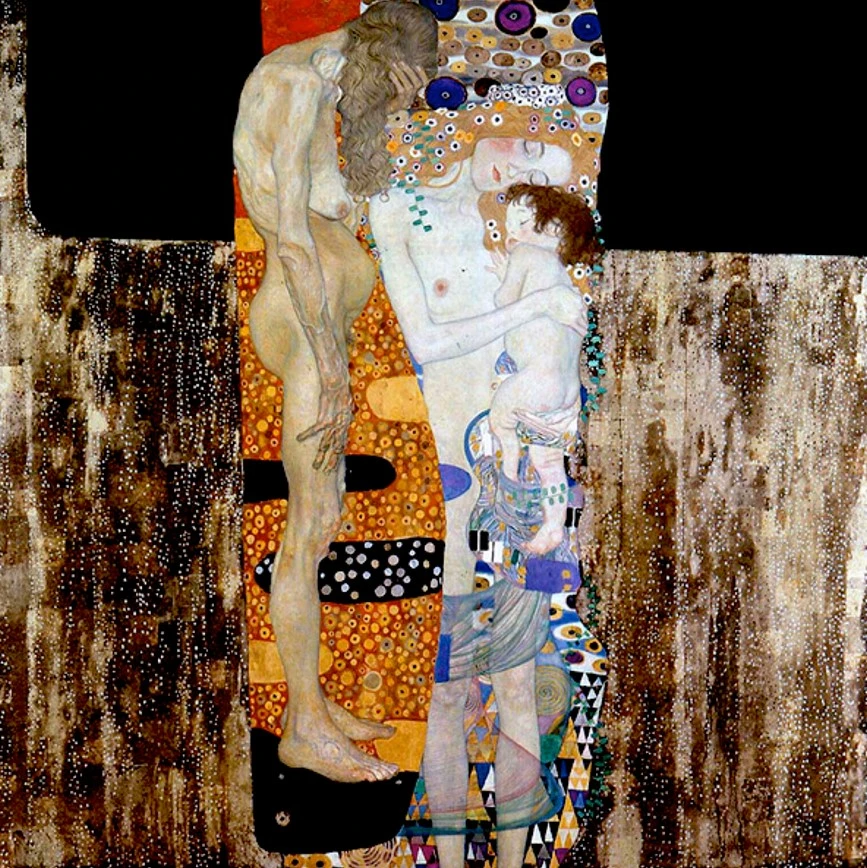
Mediante un accordo tra la Galleria Nazionale d’Arte Moderna e Contemporanea di Roma e la Galleria Nazionale dell’Umbria, le analisi condotte sull’opera dal Consiglio nazionale delle ricerche e dal Centro di Eccellenza Smaart dell’Universita’ degli Studi di Perugia, hanno confermato la presenza diffusa di lamine e polveri metalliche dai toni iridescenti con cui l’artista ha creato effetti cangianti della superficie.
Le mappe elementari Xrf hanno evidenziato l’impiego di oro, platino e argento sia negli sfondi che a ornamento delle figure femminili.

La celeberrima opera dipinta a olio su tela da Gustav Klimt nel 1905, è frutto della maturità dell’artista.
Tre corpi femminili di Klimt, stretti tra due ali di pioggia che cade da una superficie nera compatta, è uno dei brani di pittura più celebri dell’artista.
La donna più anziana possiede un corpo dal volume deciso, che si impone con le sue ombre portate all’altezza del ventre, della schiena e del collo, mentre esplora lo spazio con i piedi dipinti in perfetta prospettiva. La giovane madre ha un corpo quasi a due dimensioni, bianco, diafano, alleggerito dall’assenza dei piedi, ma Klimt concentra la nostra attenzione piuttosto sul suo viso, immerso in una chioma bionda arricchita di fiori.
La giovane dorme beata con la figlia in braccio chiudendo il cerchio della vita.
Per il momento il sempre vostro Michelangelo Buonarroti vi saluta dandovi appuntamento ai prossimi post e sui social.
The Three Ages of Klimt: gold, platinum and silver to make the work shine
Klimt, to create iridescent effects in his famous work ‘The Three Ages’ used metal sheets and powders.
This is what the analyses carried out by the CNR research team on the painting by the Viennese artist have confirmed. The widespread use of precious metals highlights how the painting is even more precious.
That brilliance that has remained unchanged over time together with its different levels of interpretation, makes ‘The Three Ages’ by Klimt one of the artist’s most appreciated works.
Through an agreement between the National Gallery of Modern and Contemporary Art in Rome and the National Gallery of Umbria, the analyses conducted on the work by the National Research Council and the Smaart Centre of Excellence of the University of Perugia, have confirmed the widespread presence of metal sheets and powders with iridescent tones with which the artist created iridescent effects on the surface.
The Xrf elemental maps have highlighted the use of gold, platinum and silver both in the backgrounds and in the decoration of the female figures.
The very famous work painted in oil on canvas by Gustav Klimt in 1905, is the result of the artist’s maturity.
Three female bodies by Klimt, squeezed between two wings of rain falling from a compact black surface, is one of the artist’s most famous pieces of painting.
The older woman has a body with a strong volume, which imposes itself with its shadows brought to the height of the belly, back and neck, while exploring the space with her feet painted in perfect perspective. The young mother has an almost two-dimensional body, white, diaphanous, lightened by the absence of feet, but Klimt focuses our attention instead on her face, immersed in a blond hair enriched with flowers.
The young woman sleeps blissfully with her daughter in her arms, closing the circle of life.
For the moment, the always your Michelangelo Buonarroti bids you farewell, making an appointment with you in the next posts and on social media.

Sostienici – Support Us
Se questo blog ti piace e ti appassiona, puoi aiutarci a farlo crescere sempre più sostenendoci in modo concreto condividendo i post, seguendo le pagine social e con un contributo che ci aiuta ad andare avanti con il nostro lavoro di divulgazione. . ENGLISH: If you like and are passionate about this blog, you can help us make it grow more and more by supporting us in a concrete way by sharing posts, following social pages and with a contribution that helps us to move forward with our dissemination work.
10,00 €
-

La Natività mistica di Botticelli: il significato nascosto del dipinto più enigmatico del Natale
🇮🇹Angeli danzanti, demoni in fuga e una profezia apocalittica: scopri che cosa si nasconde nella Natività mistica di Sandro Botticelli, il dipinto che trasforma la nascita di Gesù in un messaggio di speranza per un mondo in crisi… 🇬🇧Dancing angels, fleeing demons, and an apocalyptic prophecy: discover what lies hidden in Sandro Botticelli’s *Mystic Nativity*,…
-
Antonio Canova, 13 ottobre 1822: muore lo scultore che diede vita al marmo
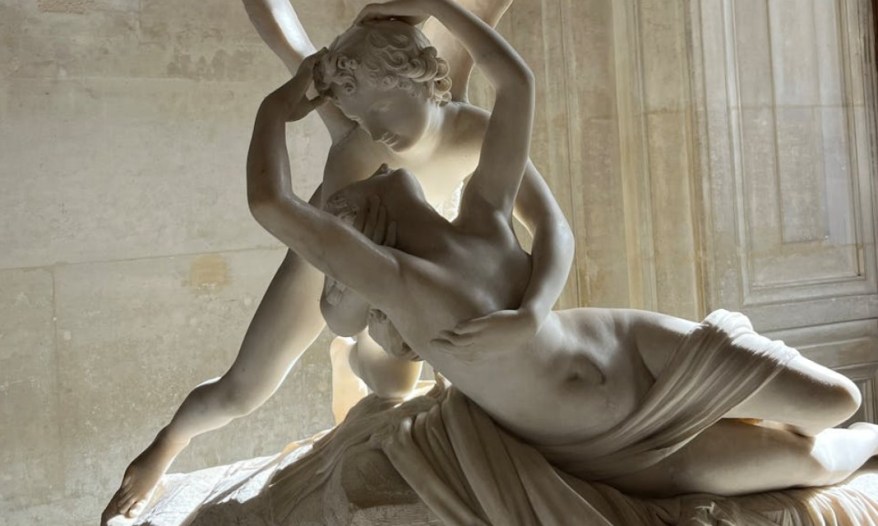
🇮🇹Il 13 ottobre 1822 moriva Antonio Canova. Scopri la vita, i capolavori, il rapporto con Napoleone e la missione per recuperare le opere d’arte italiane… 🇬🇧Antonio Canova died on October 13, 1822. Discover his life, his masterpieces, his relationship with Napoleon, and his mission to recover Italian works of art…
-
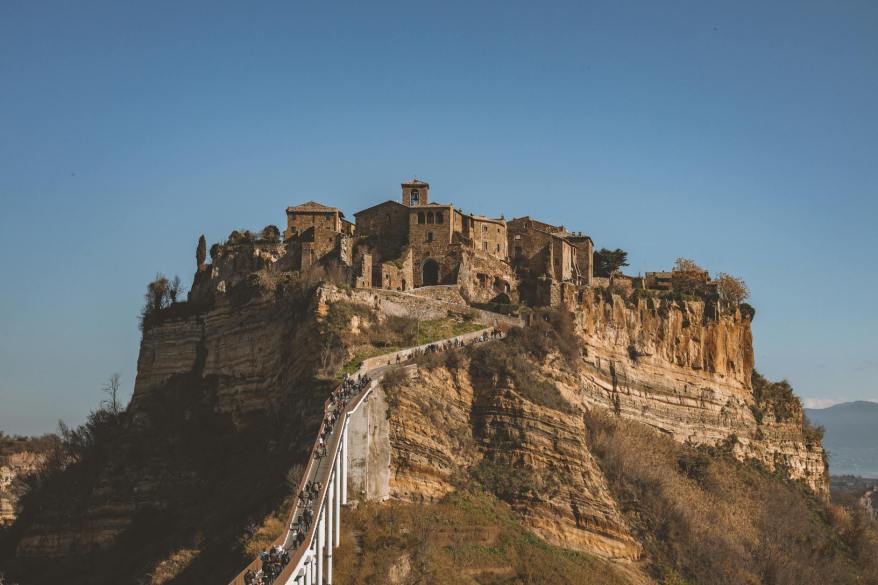
Civita di Bagnoregio e Bolsena Capitale italiana dell’Arte contemporanea 2028
🇮🇹Civita di Bagnoregio e Bolsena sono Capitale italiana dell’Arte contemporanea 2028 con il progetto Arte che viene, arte che va. Ecco cosa prevede… 🇬🇧Civita di Bagnoregio and Bolsena have been named the Italian Capital of Contemporary Art for 2028 with the project *Arte che viene, arte che va* (Art That Comes, Art That Goes). Here…
Condividi:


Questo sono io




sostienici

Sostienici – Support Us
Se questo blog ti piace e ti appassiona, puoi aiutarci a farlo crescere sempre più sostenendoci in modo concreto condividendo i post, seguendo le pagine social e con un contributo che ci aiuta ad andare avanti con il nostro lavoro di divulgazione. . ENGLISH: If you like and are passionate about this blog, you can help us make it grow more and more by supporting us in a concrete way by sharing posts, following social pages and with a contribution that helps us to move forward with our dissemination work.
€10,00


