

Il San Longino del Bernini nella Basilica di San Pietro in Vaticano
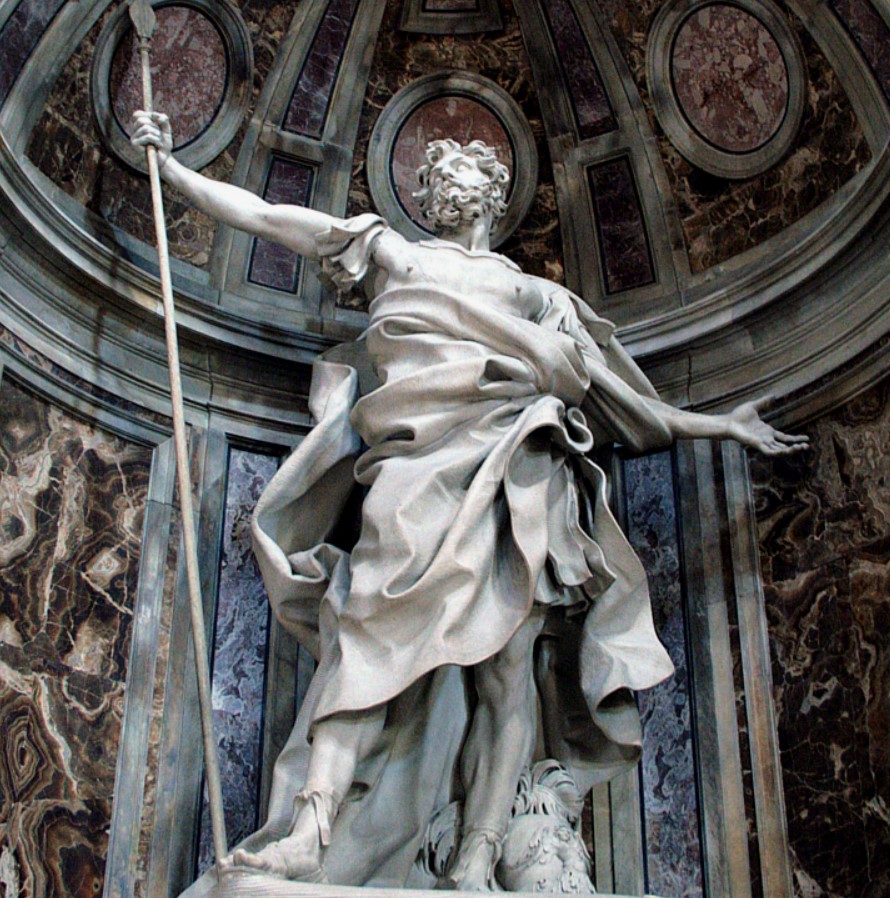
La scultura del giorno che vi propongo oggi è il San Longino scolpito da Gian Lorenzo Bernini per essere collocato in uno dei quattro pilastri realizzati per sorreggere l’enorme cupola della Basilica di San Pietro in Vaticano.
San Longino era il centurione romano che trafisse con la lancia il costato di Gesù sulla Croce. Proprio in seguito a quel gesto, si convertì alla fede cristiana.

Ora dovete sapere che a partire dal 1627 Bernini divenne il primo architetto della Fabbrica di San Pietro, sostituendo Carlo Maderno. Il suo ruolo fu quello di avere la completa supervisione su tutti i progetti relativi alla basilica fino al 1647.
Oltre a portare avanti la direzione delle decorazioni interne della Basilica, si occupò di realizzare personalmente alcune importanti opere per arricchirla, come il San Longino per l’appunto.
Fu papa Urbano VIII Barberini a commissionare la grande scultura al suo protetto Bernini assieme alle altre tre da collocare nelle nicchie ricavate nei pilastri che sorreggono la cupola: Sant’Andrea realizzato poi dal fiammingo François Duquesnoy, Sant’Elena al Bolgi e Santa Veronica a Mochi.

Come potete ben intuire, le quattro sculture erano direttamente collegate alle rispettive reliquie contenute nelle cappella del pilone.
Nello specifico, nella nicchia affidata a Bernini era stata collocata la reliquia della punta della lancia del Santo, arrivata a Roma nel 1492 grazie alla mediazione di papa Innocenzo VIII con Bayazid, il sultano turco.
Lo scultore barocco realizzò l’opera in un arco di tempo sette anni, fra il 1631 e il 1638, scegliendo di raffigurare l’uomo immediatamente convertito dopo aver commesso il celebre gesto. Mentre volge lo sguardo verso l’alto, San Longino ha un mantello che gli avvolge il corpo che pare mosso dal vento.

Cinque blocchi per un’opera unica
Come fu possibile trovare un blocco di marmo così grande per realizzare questo capolavoro e trasportarlo fino a Roma?
In effetti l’opera venne scolpita adoperando cinque diversi blocchi assemblati fra di loro con perni metallici.
Il più grande è quello del corpo centrale. Un altro blocco di marmo fu usato per il mantello, uno per ciascun braccio e infine uno per il drappeggio sul dietro.
Il costo e l’iscrizione
San Longino fu pagato al Bernini 3300 scudi romani: la stessa cifra che fu data agli altri tre artisti scelti per realizzare le altre sculture dei pilastri.
Sopra la nicchia è incisa l’iscrizione con la quale si racconta proprio della presenza della reliquia all’linterno del pilastro: “Longini Lanceam, quam Innocentius VIII. á Baiazette Turcarum Tyranno accepit, Vrbanus VIII. Statua adposita, et Sacello substructo, in exornatum conditorium transtulit”.
Per il momento il sempre vostro Michelangelo Buonarroti vi saluta dandovi appuntamento ai prossimi post e sui social.
© Riproduzione riservata



Sostienici – Support Us
Se questo blog ti piace e ti appassiona, puoi aiutarci a farlo crescere sempre più sostenendoci in modo concreto condividendo i post, seguendo le pagine social e con un contributo che ci aiuta ad andare avanti con il nostro lavoro di divulgazione. . ENGLISH: If you like and are passionate about this blog, you can help us make it grow more and more by supporting us in a concrete way by sharing posts, following social pages and with a contribution that helps us to move forward with our dissemination work.
10,00 €
Sculpture of the day: Bernini’s Saint Longinus
The sculpture of the day that I propose to you today is Saint Longinus sculpted by Gian Lorenzo Bernini to be placed in one of the four pillars that support the enormous dome of St. Peter’s Basilica in the Vatican.
Saint Longinus was the Roman centurion who pierced Jesus’ side with a spear on the Cross. It was precisely after that gesture that he converted to the Christian faith.
Now you should know that starting from 1627 Bernini became the first architect of the Fabbrica di San Pietro, replacing Carlo Maderno. His role was to have complete supervision over all the projects relating to the basilica until 1647.
In addition to carrying out the direction of the interior decorations of the Basilica, he was responsible for personally creating some important works to enrich it, such as Saint Longinus.
It was Pope Urban VIII Barberini who commissioned the large sculpture from his protégé Bernini along with three others to be placed in the niches in the pillars that support the dome: Saint Andrew, later created by Duquesnoym, Saint Helena at Bolgi and Saint Veronica at Mochi.
As you can well imagine, the four sculptures were directly connected to the respective relics contained in the chapel of the pylon.
Specifically, the relic of the tip of the Saint’s spear was placed in the niche entrusted to Bernini, which arrived in Rome in 1492 thanks to the mediation of Pope Innocent VIII with Bayazid, the Turkish sultan.
The Baroque sculptor created the work over a period of seven years, between 1631 and 1638, choosing to depict the man immediately converted after committing the famous gesture. As he looks upwards, Saint Longinus has a cloak that wraps his body that seems to be moved by the wind.
Five blocks for a unique work
How was it possible to find such a large block of marble to create this masterpiece and transport it to Rome?
In fact, the work was sculpted using five different blocks assembled together with metal pins.
The largest is that of the central body. Another block of marble was used for the cloak, one for each arm and finally one for the drapery on the back.
The cost and the inscription
Bernini was paid 3,300 Roman scudi for Saint Longinus: the same amount that was given to the other three artists chosen to create the other sculptures of the pillars.
Above the niche is an inscription that tells of the presence of the relic inside the pillar: “Longini Lanceam, quam Innocentius VIII. á Baiazette Turcarum Tyranno accepit, Vrbanus VIII. Statua adposita, et Sacello substructo, in exornatum conditorium transtulit”.
For the moment, yours ever Michelangelo Buonarroti bids you farewell, making an appointment with you in the next posts and on social media.
© Reproduction reserved
Sostienici – Support Us
Se questo blog ti piace e ti appassiona, puoi aiutarci a farlo crescere sempre più sostenendoci in modo concreto condividendo i post, seguendo le pagine social e con un contributo che ci aiuta ad andare avanti con il nostro lavoro di divulgazione. . ENGLISH: If you like and are passionate about this blog, you can help us make it grow more and more by supporting us in a concrete way by sharing posts, following social pages and with a contribution that helps us to move forward with our dissemination work.
10,00 €
-
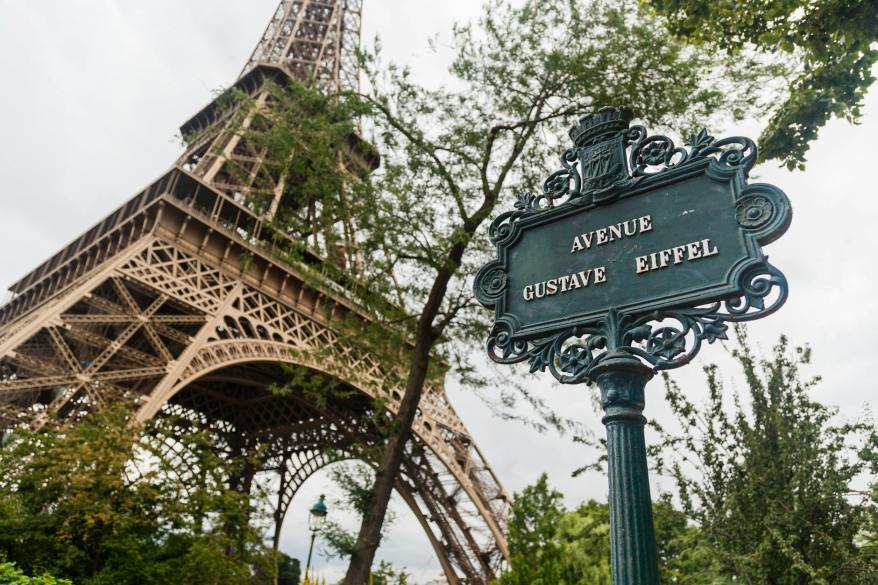
31 marzo 1889: inaugurata la Torre Eiffel tra critiche feroci e un destino inaspettato
🇮🇹Il 31 marzo 1889 segna una data destinata a cambiare per sempre il volto di Parigi e dell’immaginario collettivo globale: viene inaugurata la Torre Eiffel, l’opera più audace e discussa del suo tempo… 🇬🇧March 31, 1889 marks a date destined to change the face of Paris and the global collective imagination forever: the Eiffel Tower,…
-
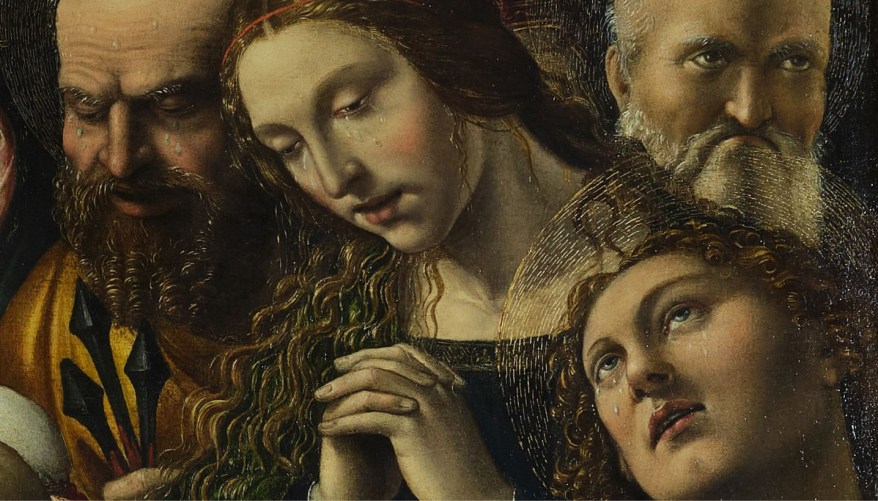
Sodoma in mostra a Torino: il Rinascimento al Museo Accorsi-Ometto
🇮🇹Al Museo di Arti Decorative Accorsi-Ometto arriva una mostra dedicata al Sodoma: oltre 50 opere, alcune mai viste prima, raccontano la formazione dell’artista e il suo dialogo con maestri come Pinturicchio… 🇬🇧An exhibition dedicated to Sodoma arrives at the Accorsi-Ometto Museum of Decorative Arts: over 50 works, some never before seen, recount the artist’s development…
-
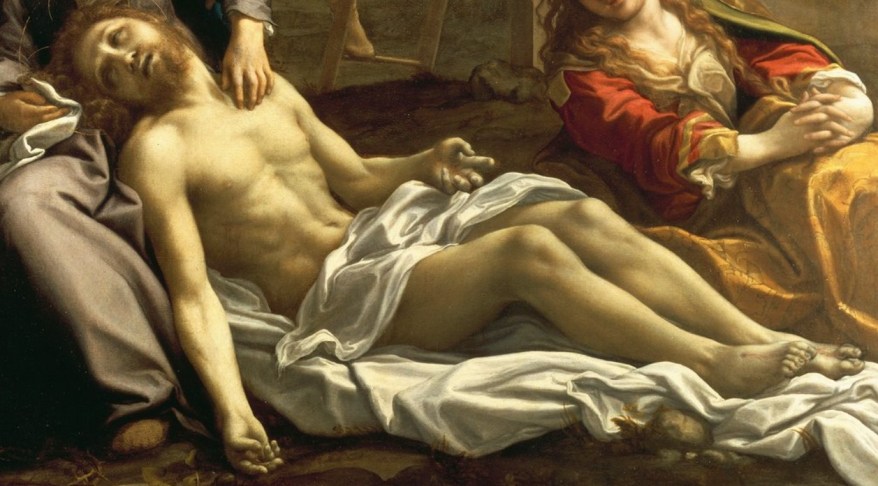
Il Compianto sul Cristo morto di Correggio: pathos e devozione
🇮🇹Con l’inizio della Settimana Santa, vi propongo il Compianto sul Cristo morto di Antonio Allegri, più noto come il Correggio: uno dei vertici assoluti della pittura emiliana del Cinquecento… 🇬🇧With the beginning of Holy Week, I propose the Lamentation over the Dead Christ by Antonio Allegri, better known as Correggio: one of the absolute peaks…
Condividi:


Questo sono io





sostienici

Sostienici – Support Us
Se questo blog ti piace e ti appassiona, puoi aiutarci a farlo crescere sempre più sostenendoci in modo concreto condividendo i post, seguendo le pagine social e con un contributo che ci aiuta ad andare avanti con il nostro lavoro di divulgazione. . ENGLISH: If you like and are passionate about this blog, you can help us make it grow more and more by supporting us in a concrete way by sharing posts, following social pages and with a contribution that helps us to move forward with our dissemination work.
€10,00


1 commento »