

Palazzo Mediceo di Seravezza: quando Montale pensava fosse casa mia
Sapete che Eugenio Montale era convinto che il Palazzo Mediceo di Seravezza fosse casa mia?
Ebbene sì, a suo dire mi feci costruire quella sontuosa dimora per alloggiarci nel periodo in cui papa Leone X mi costrinse ad andare a cavare marmi nelle pertinenze di Seravezza.
Un’idea bislacca e molto campata in aria quella di Montale. Ilpalazzo, dal 23 giugno 2013 dichiarato Patrimonio dell’Umanità, fu fatto edificare a partire dal 1561 per volere di Cosimo I de’ Medici.
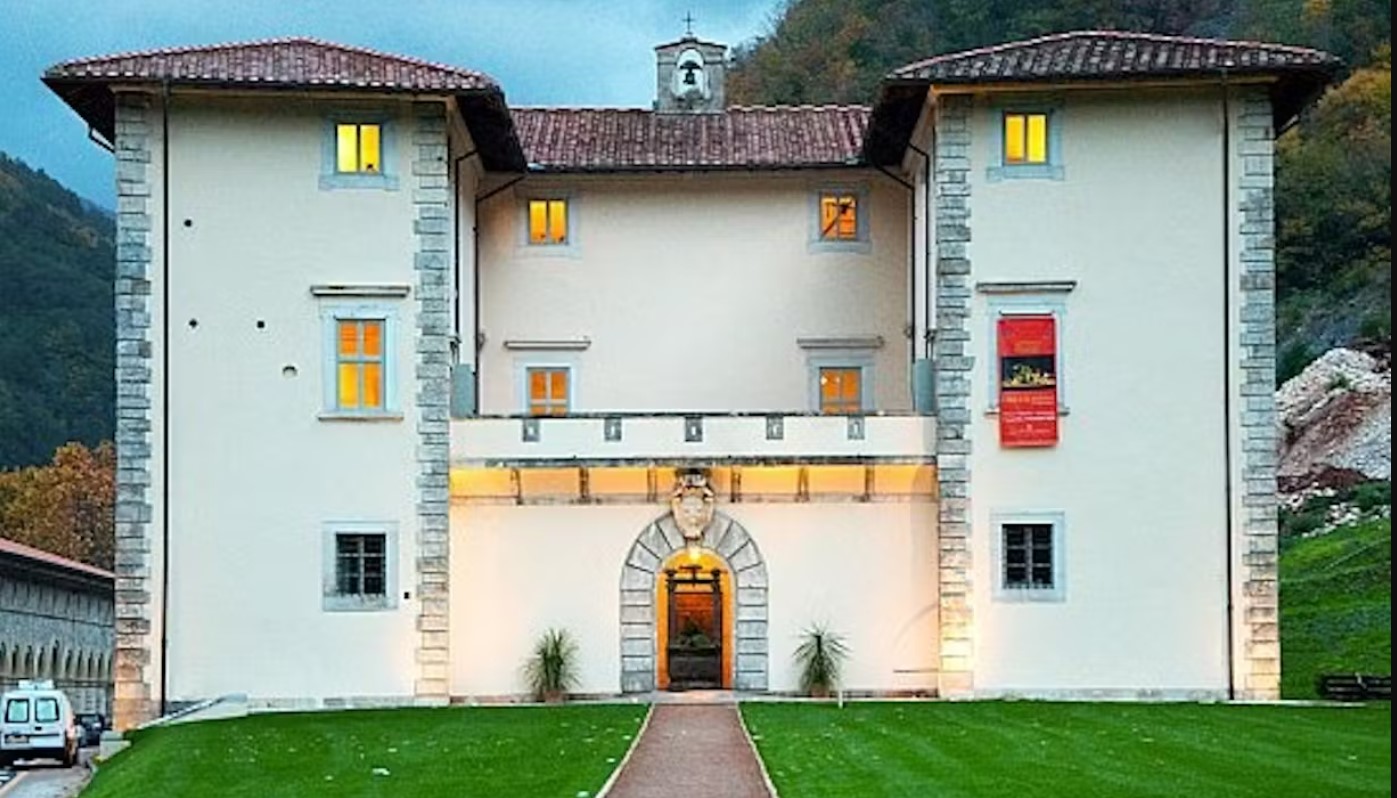
In quel frangente risiedevo da lungi in pianta stabile a Roma, a Macel de’ Corvi. Non ero certo intento a cercar marmi direttamente nelle cave. Avevo già 86 anni all’epoca. Erano ben altri gli anni in cui frequentavo personalmente gli agri marmiferi.
Montale però si immaginava di vedermi partire da Palazzo Mediceo, da lui ritenuta casa mia, a dorso di mulo alla volta delle cave attigue per scegliere i marmi. Una sua fantasia tutta campata in aria ma alla quale credeva fermamente.
Arrivato dinnanzi al palazzo esordì “Che lusso per una persona sola” ma non è finita qui.

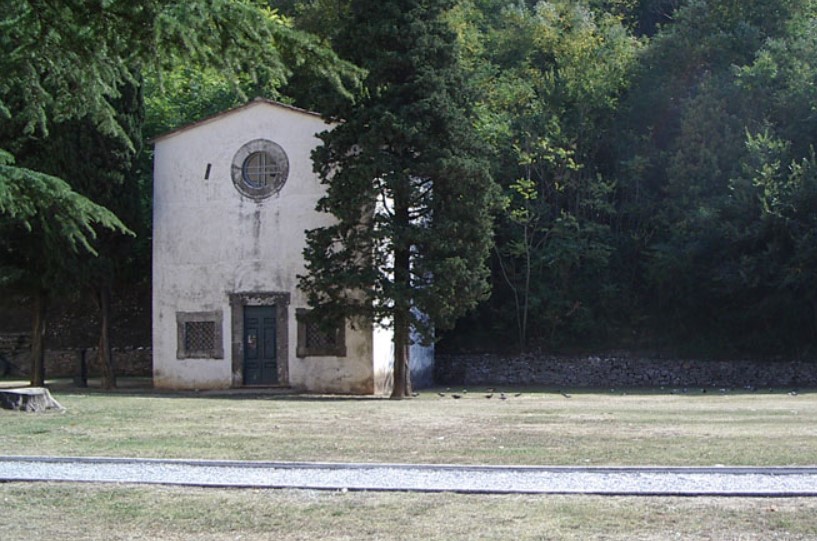
Sulla destra del Palazzo Mediceo c’è una piccola cappella oggi sconsacrata. Questa cappella è addirittura successiva alla costruzione dell’edificio principale. Fu fatta erigere al tempo di Maria Cristina.
Attribuita al Buontalenti, risale al 1620-1630 circa.
Niente da fare però. Nonostante all’epoca della sua costruzione fossi morto e stecchito da diversi decenni, Montale non esitò nel dire che ero solito frequentare quel luogo per pregare prima di partire alla volta delle cave di marmo.
“Andava lì all’alba a pregare prima d’intraprendere le sue escursioni – affermò Montale – può darsi che abbia avuto bisogno di farla, con le sollecitazioni della cavalcatura, durante il tragitto delle sue perlustrazioni. Avrà adoprato un ben levigato ciottolo di marmo oppure la più duttile superficie di qualche foglia? Ci sarebbe stata anche una frugale colazione all’aperto, stuzzicato l’appetito dall’aria fresca mattutina.
Forse l’amato servo che lo seguiva dappertutto avrà acceso un focherello di sterpi per arrostire qualche salsiccia e poi avrà tratto dal tascapane una fetta di berlingozzo del quale Michelangelo non poteva fare a meno. Pare che un corriere partisse espressamente da Firenze per portargli il berlingozzo a Roma dov’era intento alla Cappella Sistina.”
Anche sulla questione del berlingozzo avrei qualcosa da ridire. Diciamo che la fantasia a Montale mai gli mancò e pure in questa sua fantasiosa ricostruzione emerge prepotentemente.
Il sempre vostro Michelangelo Buonarroti vi saluta dandovi appuntamento ai prossimi post e sui social.

Sostienici – Support Us
Se questo blog ti piace e ti appassiona, puoi aiutarci a farlo crescere sempre più sostenendoci in modo concreto condividendo i post, seguendo le pagine social e con un contributo che ci aiuta ad andare avanti con il nostro lavoro di divulgazione. . ENGLISH: If you like and are passionate about this blog, you can help us make it grow more and more by supporting us in a concrete way by sharing posts, following social pages and with a contribution that helps us to move forward with our dissemination work.
10,00 €
Palazzo Mediceo in Seravezza: when Montale thought it was my home
Do you know that Eugenio Montale was convinced that the Palazzo Mediceo in Seravezza was my home? Well yes, according to him I had that sumptuous residence built for myself. The construction was done to accommodate me during the period in which Pope Leo X forced me to go and quarry marble in the Seravezza area.
Montale’s idea was bizarre and very far-fetched. That palace, declared a World Heritage Site on 23 June 2013, was built starting in 1561 at the behest of Cosimo I de’ Medici.
At that time I was living far away on a permanent basis in Rome, in Macel de’ Corvi. I certainly wasn’t intent on looking for marble directly in the quarries. I was already 86 years old at the time. Those were very different years in which I personally frequented the marble farms.
Montale, however, imagined seeing me leave Palazzo Mediceo, which he considered my home, on the back of a mule towards the adjacent quarries to choose the marbles. A fantasy of his completely unfounded but in which he firmly believed.
Arriving in front of the palace he began, “What luxury for one person alone,” but it didn’t end there.
On the right of Palazzo Mediceo there is a small chapel, now deconsecrated. This chapel actually dates back to after the construction of the main building. It was built at the time of Maria Cristina, the first-born daughter of Grand Duke Cosimo II de’ Medici and Maria Maddalena of Austria. Attributed to Buontalenti, it dates back to around 1620-1630.
But no way. Even though I had been dead and stiff for several decades at the time of its construction, Montale did not hesitate to say that I used to frequent that place to pray. This happened before leaving for the marble quarries.
“He went there at dawn to pray before setting out on his excursions,” Montale stated, “perhaps he needed to do so, with the pressure of his mount, during his explorations. Did he use a well-polished marble pebble or the more ductile surface of some leaves? There would also have been a frugal breakfast in the open air, his appetite whetted by the fresh morning air. Perhaps the beloved servant who followed him everywhere lit a small fire of brushwood to roast some sausages and then took a slice of berlingozzo from his haversack, which Michelangelo could not do without. It seems that a courier left expressly from Florence to bring him the berlingozzo to Rome where he was intent on the Sistine Chapel.”
I would also have something to say about the berlingozzo issue. Let’s say that Montale never lacked imagination and even in this imaginative reconstruction it emerges forcefully.
Yours ever Michelangelo Buonarroti greets you and gives you an appointment for the next posts and on social media.
Sostienici – Support Us
Se questo blog ti piace e ti appassiona, puoi aiutarci a farlo crescere sempre più sostenendoci in modo concreto condividendo i post, seguendo le pagine social e con un contributo che ci aiuta ad andare avanti con il nostro lavoro di divulgazione. . ENGLISH: If you like and are passionate about this blog, you can help us make it grow more and more by supporting us in a concrete way by sharing posts, following social pages and with a contribution that helps us to move forward with our dissemination work.
10,00 €
-
31 marzo 1889: inaugurata la Torre Eiffel tra critiche feroci e un destino inaspettato
🇮🇹Il 31 marzo 1889 segna una data destinata a cambiare per sempre il volto di Parigi e dell’immaginario collettivo globale: viene inaugurata la Torre Eiffel, l’opera più audace e discussa del suo tempo… 🇬🇧March 31, 1889 marks a date destined to change the face of Paris and the global collective imagination forever: the Eiffel Tower,…
-
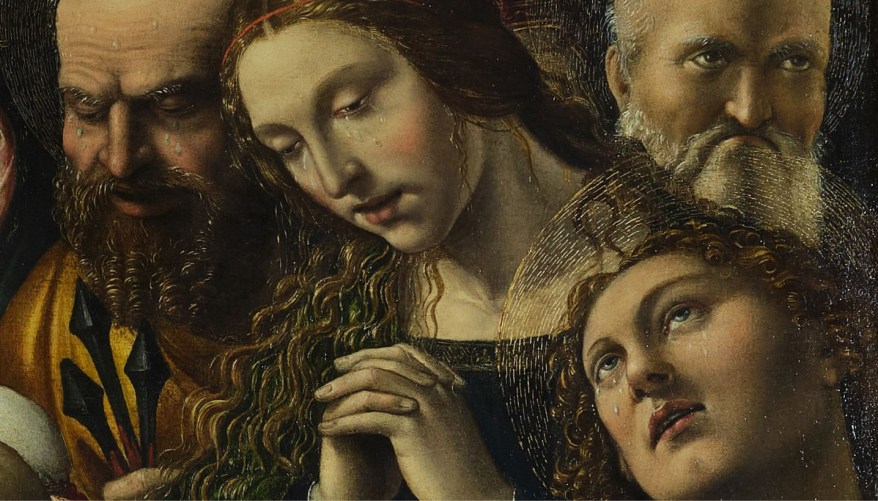
Sodoma in mostra a Torino: il Rinascimento al Museo Accorsi-Ometto
🇮🇹Al Museo di Arti Decorative Accorsi-Ometto arriva una mostra dedicata al Sodoma: oltre 50 opere, alcune mai viste prima, raccontano la formazione dell’artista e il suo dialogo con maestri come Pinturicchio… 🇬🇧An exhibition dedicated to Sodoma arrives at the Accorsi-Ometto Museum of Decorative Arts: over 50 works, some never before seen, recount the artist’s development…
-
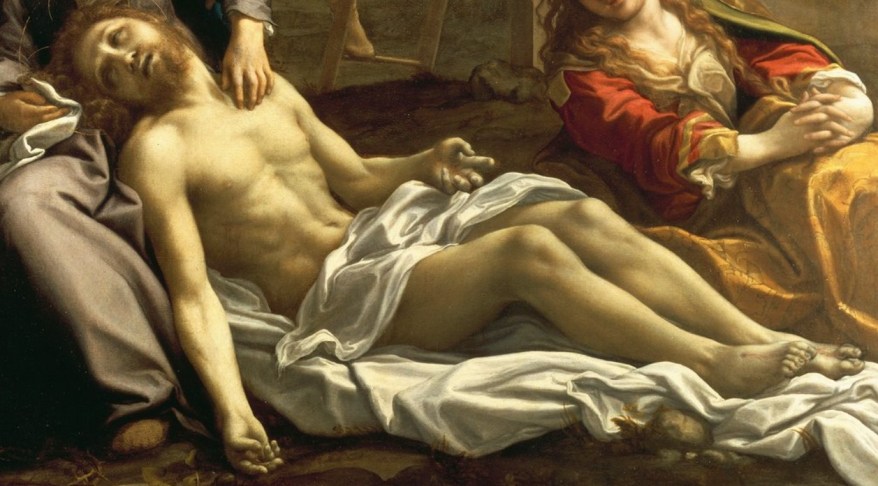
Il Compianto sul Cristo morto di Correggio: pathos e devozione
🇮🇹Con l’inizio della Settimana Santa, vi propongo il Compianto sul Cristo morto di Antonio Allegri, più noto come il Correggio: uno dei vertici assoluti della pittura emiliana del Cinquecento… 🇬🇧With the beginning of Holy Week, I propose the Lamentation over the Dead Christ by Antonio Allegri, better known as Correggio: one of the absolute peaks…
Condividi:


Questo sono io





sostienici

Sostienici – Support Us
Se questo blog ti piace e ti appassiona, puoi aiutarci a farlo crescere sempre più sostenendoci in modo concreto condividendo i post, seguendo le pagine social e con un contributo che ci aiuta ad andare avanti con il nostro lavoro di divulgazione. . ENGLISH: If you like and are passionate about this blog, you can help us make it grow more and more by supporting us in a concrete way by sharing posts, following social pages and with a contribution that helps us to move forward with our dissemination work.
€10,00


