
1 agosto 1626: ultimata la fusione delle colonne del Baldacchino del Bernini
Era il primo giorno d’agosto del 1626 quando fu completata la fusione delle quattro enormi colonne in bronzo del Baldacchino progettato da Gian Lorenzo Bernini assieme al Borromini.
Il grandioso progetto con le colonne tortili intendeva rievocare la complessa struttura del ciborio che un tempo decorava la precedente basilica costantiniana.

Le colonne vennero fuse in cinque parti ciascuna così suddivise: i tre tronconi del fusto, base e capitello, assemblate poi in un secondo momento. Mentre le colonne costantiniane erano avviluppate da tralci di vite, Bernini preferì optare per dei rami di alloro intervallati da api, entrambi elementi araldici dei Barberini, e da giocosi putti.
La parte più prossima alla base delle colonne presenta scalanature ritorte che ne intensificano visivamente il loro andamento complessivo.

Sapete chi realizzò i puttini?
Furono modellati da Stefano Maderno nel 1624.
Come vi ho accennato all’inizio, il primo d’agosto del 1626 fu ultimata la fusione delle enormi colonne tortili e poco dopo vennero innalzate al di sotto della cupola, sopra lo spazio riservato all’altare maggiore.

Solo un anno dopo, nel giorno dedicato a San Pietro e Paolo, furono scoperte e rese visibili a tutti le “Quattro grosse et bellissime colonne fatte nuovamente di bronzo indorate”, collocate al di sopra delle basi in marmo bianco decorate con i bassorilievi che riproducevano gli stemmi papali.
Le sculture in bronzo a coronamento del baldacchino vennero realizzate negli anni a seguire.

Al momento il Baldacchino del Bernini è in fase di restauro, intervento effettuato in vista del Giubileo 2025.
Padre Enzo Fortunato, direttore della comunicazione della Basilica di San Pietro, riferisce alla stampa che entro il mese di novembre il restauro dovrebbe essere ultimato e quindi verrà mostrata di nuovo la struttura libera dai ponteggi alla vigilia del Giubileo.

Per il momento il sempre vostro Michelangelo Buonarroti vi saluta dandovi appuntamento ai prossimi post e sui social.


Sostienici – Support Us
Se questo blog ti piace e ti appassiona, puoi aiutarci a farlo crescere sempre più sostenendoci in modo concreto condividendo i post, seguendo le pagine social e con un contributo che ci aiuta ad andare avanti con il nostro lavoro di divulgazione. . ENGLISH: If you like and are passionate about this blog, you can help us make it grow more and more by supporting us in a concrete way by sharing posts, following social pages and with a contribution that helps us to move forward with our dissemination work.
10,00 €
August 1, 1626: the casting of the four columns of Bernini’s Baldachin was completed
It was the first day of August 1626 when the casting of the four enormous bronze columns of the Baldachin designed by Gian Lorenzo Bernini together with Borromini was completed.
The grandiose project with the twisted columns was intended to evoke the complex structure of the ciborium that once decorated the previous Constantinian basilica.
The columns were cast in five parts each divided as follows: the three trunks of the shaft, base and capital, then assembled at a later time. While the Constantinian columns were wrapped in vine shoots, Bernini preferred to opt for laurel branches interspersed with bees, both heraldic elements of the Barberini, and playful cherubs.
The part closest to the base of the columns has twisted grooves that visually intensify their overall shape.
Do you know who made the cherubs? They were modeled by Stefano Maderno in 1624.
As I mentioned at the beginning, on August 1, 1626, the casting of the enormous twisted columns was completed and they were shortly thereafter erected beneath the dome, above the space reserved for the high altar.
Only a year later, on the day dedicated to Saints Peter and Paul, the “Four large and beautiful columns made again of gilded bronze” were discovered and made visible to all, placed above the white marble bases decorated with bas-reliefs reproducing the papal coats of arms.
The bronze sculptures crowning the canopy were created in the following years.
Bernini’s Baldachin is currently undergoing restoration, an intervention carried out in view of the Jubilee 2025.
Father Enzo Fortunato, director of communications for St. Peter’s Basilica, reports to the press that the restoration should be completed by November and therefore the structure free of scaffolding will be shown again on the eve of the Jubilee.
For the moment, yours truly Michelangelo Buonarroti bids you farewell, making an appointment to see you in the next posts and on social media.
Sostienici – Support Us
Se questo blog ti piace e ti appassiona, puoi aiutarci a farlo crescere sempre più sostenendoci in modo concreto condividendo i post, seguendo le pagine social e con un contributo che ci aiuta ad andare avanti con il nostro lavoro di divulgazione. . ENGLISH: If you like and are passionate about this blog, you can help us make it grow more and more by supporting us in a concrete way by sharing posts, following social pages and with a contribution that helps us to move forward with our dissemination work.
10,00 €
-
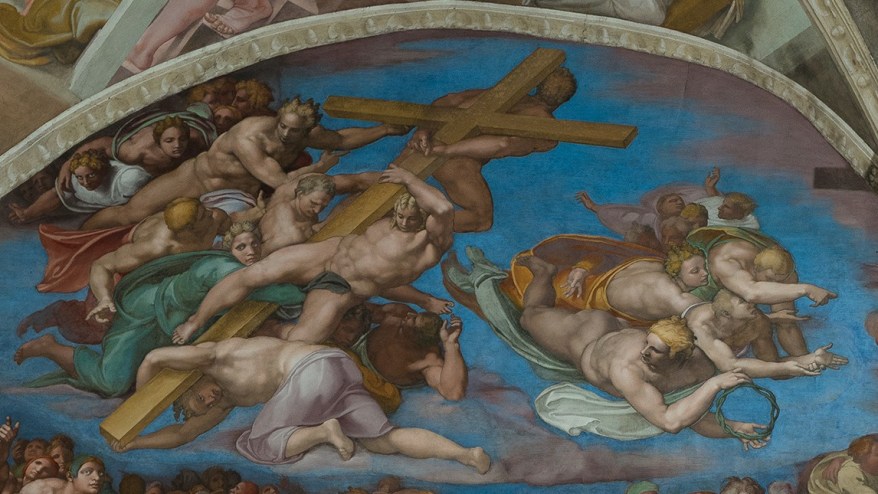
Come se la giustizia negata in vita possa compiersi altrove
🇮🇹Se davvero l’anima, una volta sciolta dal corpo, ritorna sulla terra per vivere ancora, così mi domando, quale sorte attende chi oggi appare tanto bella ai miei occhi, ma così crudele nel cuore? 🇬🇧If the soul, once freed from the body, truly returns to earth to live again, I ask myself, what fate awaits the…
-
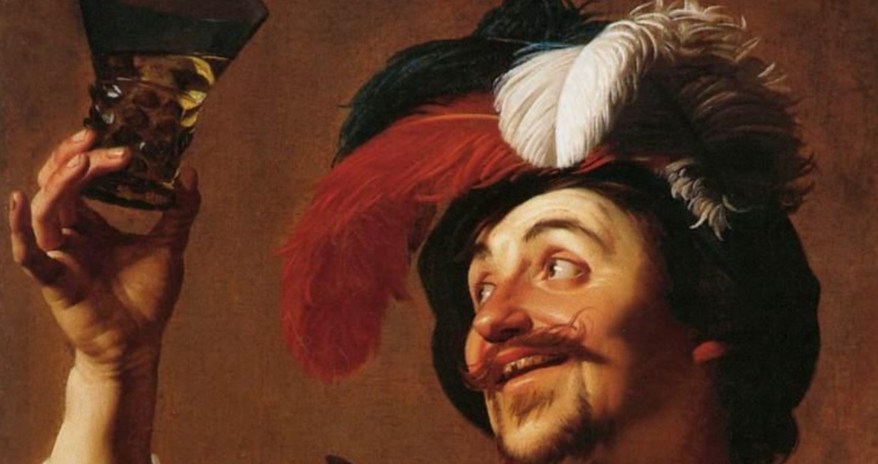
Quel sorriso del violinista felice di Gerrit van Honthorst
🇮🇹Un brindisi, un sorriso, una luce che taglia il buio. Conoscete il dipinto del violinista felice con un bicchiere di vino (1624) di Gerrit van Honthorst?… 🇬🇧A toast, a smile, a light that cuts through the darkness. Are you familiar with the painting of the Happy Violinist with a Glass of Wine (1624) by Gerrit…
-
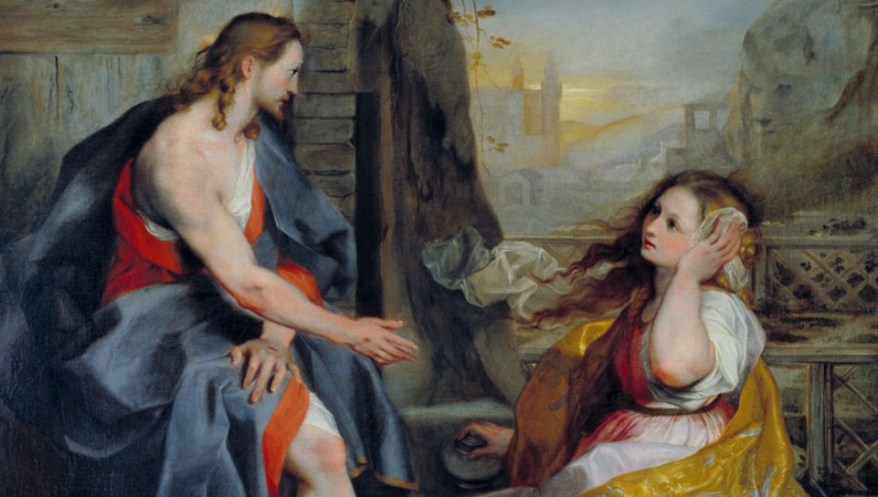
Noli me tangere di Federico Barocci: il capolavoro agli Uffizi che racconta l’incontro più emozionante dopo la Resurrezione
🇮🇹Nel Noli me tangere di Federico Barocci Maria Maddalena riconosce Cristo risorto e prova a toccarlo. Ma lui la ferma… 🇬🇧In Federico Barocci’s Noli Me Tangere, Mary Magdalene recognizes the risen Christ and tries to touch him. But he stops her…
Condividi:


Questo sono io





sostienici

Sostienici – Support Us
Se questo blog ti piace e ti appassiona, puoi aiutarci a farlo crescere sempre più sostenendoci in modo concreto condividendo i post, seguendo le pagine social e con un contributo che ci aiuta ad andare avanti con il nostro lavoro di divulgazione. . ENGLISH: If you like and are passionate about this blog, you can help us make it grow more and more by supporting us in a concrete way by sharing posts, following social pages and with a contribution that helps us to move forward with our dissemination work.
€10,00


