
La città di Damasco nella Conversione di Saulo
Appena terminai di metter mano al Giudizio Universale, papa Paolo III Farnese non mi concesse un attimo di tregua affidandomi la decorazione della cappella parva, la cappella privata di Sua Santità: la Paolina.
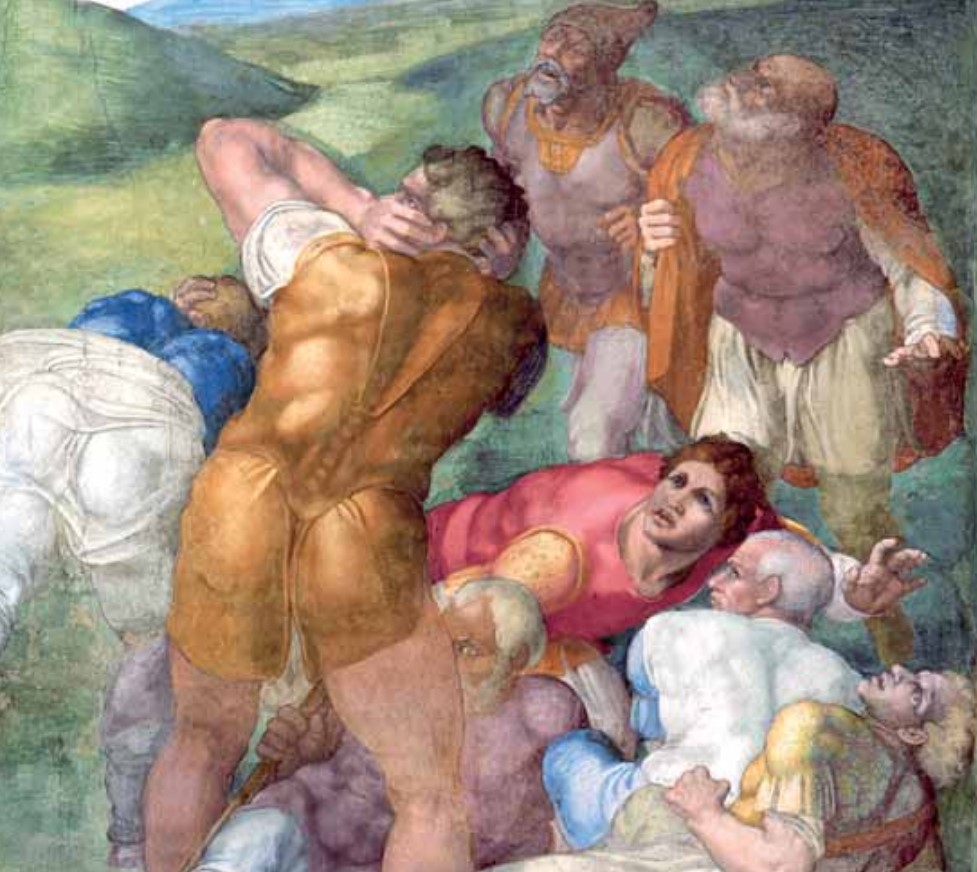
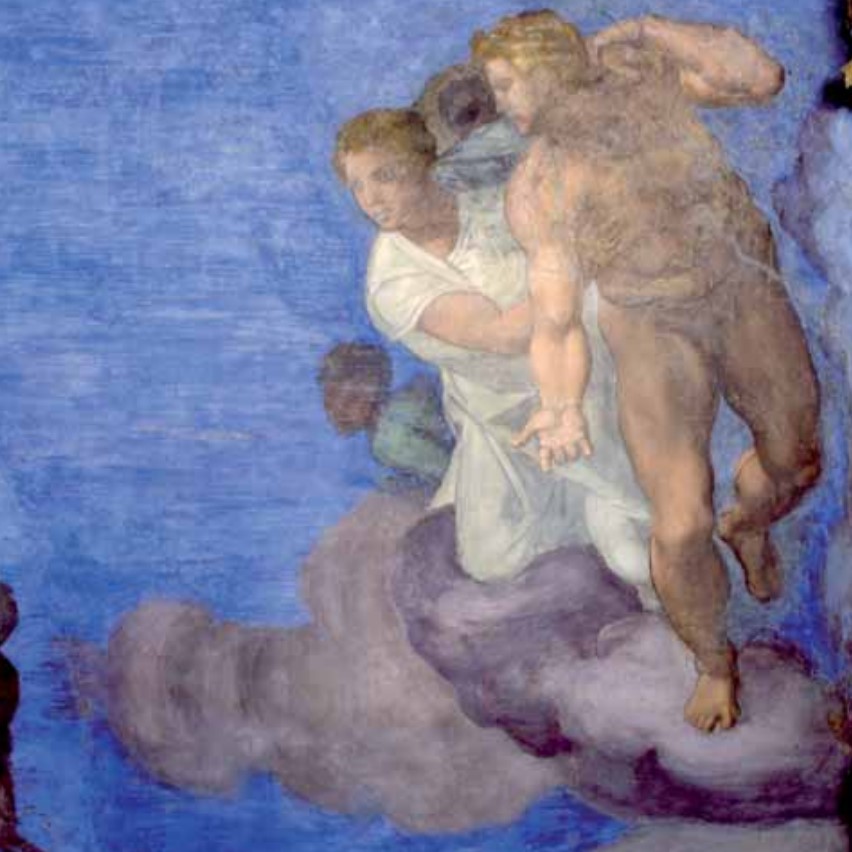
Mi ritrovai così ancora una volta chino sui fogli a far disegni su disegni per studiare la composizione di due grandi affreschi: la Conversione di Saulo e la Crocifissione di San Paolo.
Il peso degli anni iniziava a farsi sentire e già sapevo, prima ancora di mettermi all’opera, che non avrei potuto mantenere lo ritmo frenetico che ebbi sui ponteggi della Sistina.
In alcune giornate lavorai da mattina a sera sena nemmeno mangiare un boccone di pane e altri periodi in cui non stavo pere niente bene e dovetti fermarmi per settimane per non rimetterci le penne.
A differenza degli affreschi della volta e della parete d’altare della Cappella Sistina, quelli della Paolina presentano molti pentimenti e correzioni in corso d’opera.
Dato che il luogo tutt’oggi rimane privato e l’accesso al pubblico non è consentito, le due opere mie sono meno note e meno conosciuti sono le loro singolarità.
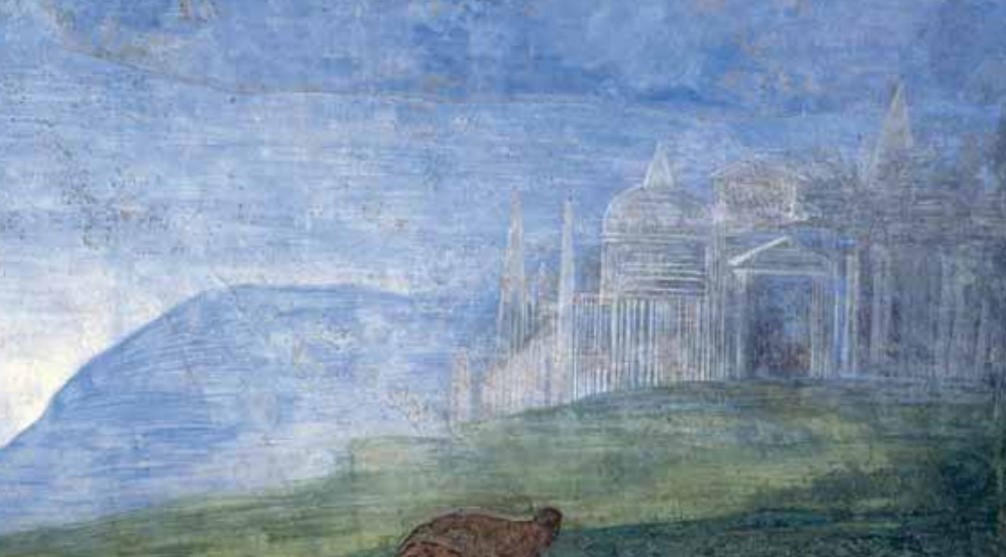
Sovrapposta alle colline, in fondo a destra nella parte alta dell’affresco della Conversione, volli affrescare la città di Damasco “i cui lineamenti architettonici sono tratteggiati a larghe masse volumetriche, di uno schematismo poderoso” come affermò il Biagetti.
La città orientaleggiante verso la quale si stava dirigendo Saulo prima di essere folgorato dalla celeste visione la rappresentai per sommi capi delineando edifici e moschee che potessero d’are l’idea di un luogo arabeggiante.
Ma non è tutto.
Guardando bene quella città non si può fare a meno di notare elementi che rimandano direttamente col pensiero alle architetture mie con quell’edicola triangolare collocata sopra un portale che ricorda quelle presenti nella Sagrestia Nuova.
Per il momento il sempre vostro Michelangelo Buonarroti vi saluta dandovi appuntamento ai prossimi post e sui social.

Sostienici – Support Us
Se questo blog ti piace e ti appassiona, puoi aiutarci a farlo crescere sempre più sostenendoci in modo concreto condividendo i post, seguendo le pagine social e con un contributo che ci aiuta ad andare avanti con il nostro lavoro di divulgazione. . ENGLISH: If you like and are passionate about this blog, you can help us make it grow more and more by supporting us in a concrete way by sharing posts, following social pages and with a contribution that helps us to move forward with our dissemination work.
10,00 €
The city of Damascus in the Conversion of Saul
As soon as I finished working on the Last Judgement, Pope Paul III Farnese did not give me a moment’s respite, entrusting me with the decoration of the cappella parva, the private chapel of His Holiness: the Paolina.
So I found myself once again bent over the sheets of paper making drawing after drawing to study the composition of two large frescoes: the Conversion of Saul and the Crucifixion of Saint Paul.
The weight of the years was starting to make itself felt and I already knew, even before starting to work, that I would not be able to maintain the frenetic pace that I had on the scaffolding of the Sistine Chapel.
On some days I worked from morning to night without even eating a bite of bread and other periods in which I was not at all well and had to stop for weeks to avoid losing my feathers.
Unlike the frescoes of the vault and the altar wall of the Sistine Chapel, those of the Paolina present many pentimenti and corrections during the work.
Since the place is still private and public access is not permitted, my two works are less well-known and their singularities are less well-known.
Superimposed on the hills, at the bottom right in the upper part of the fresco of the Conversion, I wanted to fresco the city of Damascus “whose architectural features are outlined in large volumetric masses, of a powerful schematism” as Biagetti stated.
I represented in broad terms the oriental city towards which Saul was heading before being struck by the celestial vision by outlining buildings and mosques that could give the idea of an Arab-style place.
But that’s not all. Looking closely at that city, one cannot help but notice elements that directly refer to my architecture with that triangular aedicule placed above a portal that recalls those present in the New Sacristy.
For the moment, yours truly Michelangelo Buonarroti bids you farewell, making an appointment with you in the next posts and on social media.

Sostienici – Support Us
Se questo blog ti piace e ti appassiona, puoi aiutarci a farlo crescere sempre più sostenendoci in modo concreto condividendo i post, seguendo le pagine social e con un contributo che ci aiuta ad andare avanti con il nostro lavoro di divulgazione. . ENGLISH: If you like and are passionate about this blog, you can help us make it grow more and more by supporting us in a concrete way by sharing posts, following social pages and with a contribution that helps us to move forward with our dissemination work.
10,00 €
-
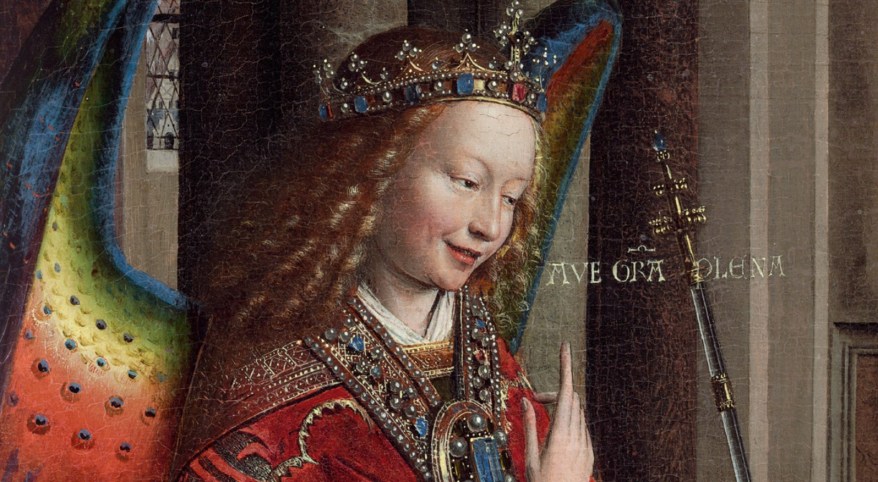
25 marzo: l’Annunciazione di Jan van Eyck, capolavoro fiammingo
🇮🇹Nel giorno del 25 marzo, tradizionalmente legato al mistero dell’Annunciazione, lo sguardo si posa su uno dei capolavori più raffinati della pittura nordica: l’Annunciazione di Jan van Eyck… 🇬🇧On March 25, traditionally linked to the mystery of the Annunciation, our gaze falls on one of the finest masterpieces of Northern European painting: The Annunciation by…
-
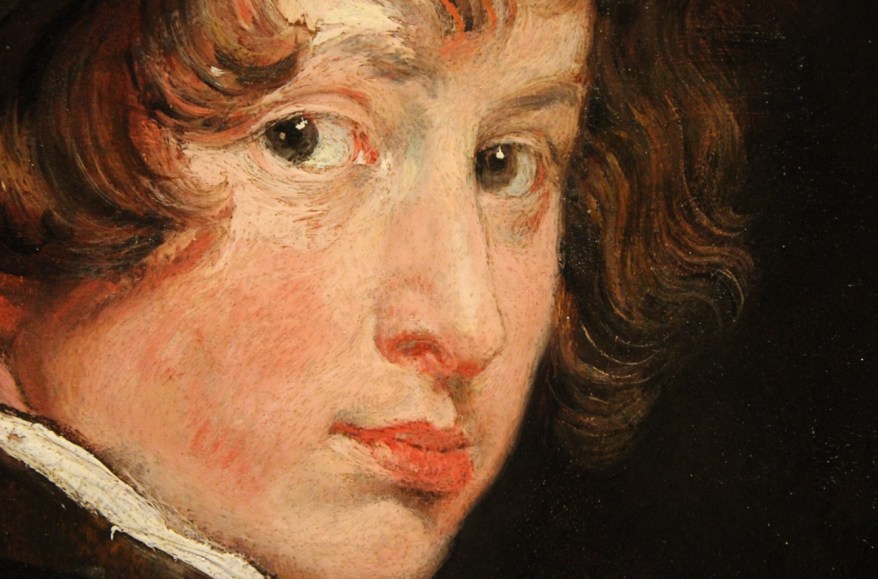
Van Dyck a Genova: la mostra che emoziona tra luce, mirabili dettagli e sguardi indimenticabili
🇮🇹Ho avuto modo di visitare la mostra “Van Dyck l’Europeo” a Genova: un viaggio emozionante tra Anversa, Genova e Londra attraverso dettagli, sguardi e capolavori senza tempo… 🇬🇧I had the opportunity to visit the exhibition “Van Dyck the European” in Genoa: an exciting journey between Antwerp, Genoa, and London through details, glances, and timeless masterpieces…
-
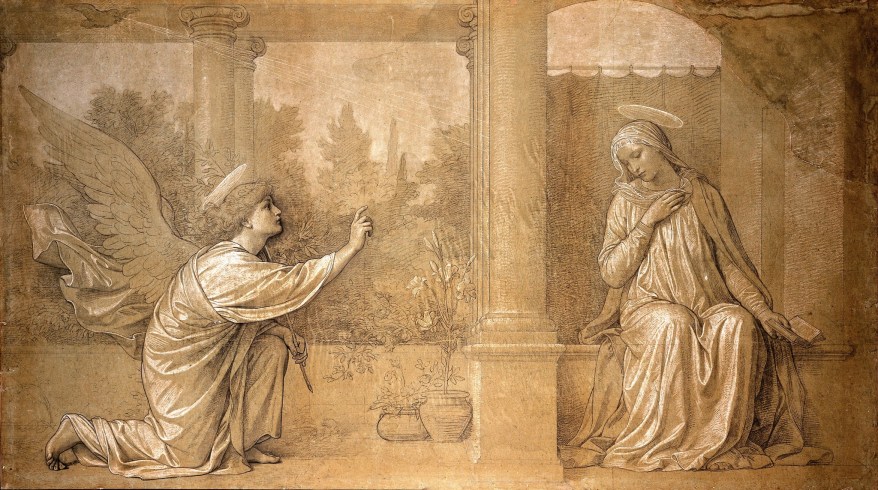
Quando il Capodanno cadeva il 25 marzo: l’Annunciazione di Alessandro Franchi
🇮🇹Il 25 marzo si celebra l’Annunciazione che per secoli, a Firenze e nel resto della Toscana, segnava l’inizio del nuovo anno. Tra le opere più suggestive che raffigurano l’Annunciazione, vi propongo il cartone realizzato da Alessandro Franchi intorno al 1884… 🇬🇧March 25th marks the celebration of the Annunciation, which for centuries marked the beginning of…
Condividi:


Questo sono io





sostienici

Sostienici - Support Us
Se questo blog ti piace e ti appassiona, puoi aiutarci a farlo crescere sempre più sostenendoci in modo concreto condividendo i post, seguendo le pagine social e con un contributo che ci aiuta ad andare avanti con il nostro lavoro di divulgazione. . ENGLISH: If you like and are passionate about this blog, you can help us make it grow more and more by supporting us in a concrete way by sharing posts, following social pages and with a contribution that helps us to move forward with our dissemination work.
€10,00


