
Biblioteca Medicea Laurenziana: “che la scala si facesse di legname”
Io avrei voluto una bella scalinata in legno di noce per raccordare il Vestibolo della Biblioteca Medicea Laurenziana al salone di lettura.
È così che l’avevo pensata ed è così che l’avevo progettata ma non come fu realizzata.
Il legno è un materiale caldo, accogliente e che invoglia al raccoglimento intimo. Così come i quadroni del soffitto e i banchi li avevo disegnati per essere intagliati nel legno, così avrei voluto fosse realizzata la grande scalinata.
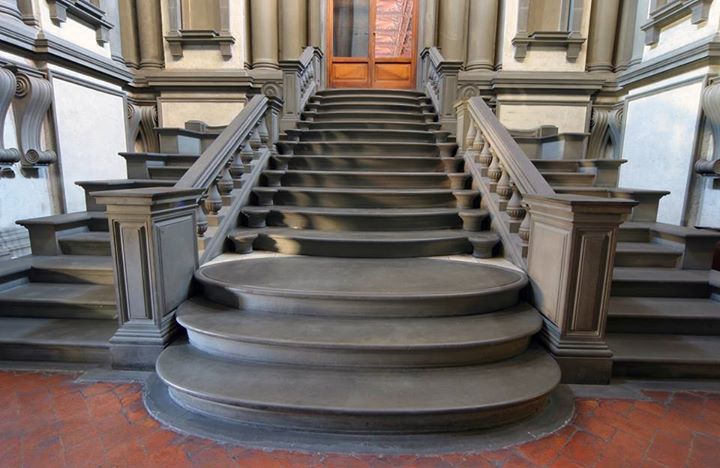
“Ho openione che quando detta scala si facesse di legname, cioè d’un bel noce, che starebbe meglio che di macigno e più a proposito a’ banchi, al palco e alla porta”, scrissi nella lettera che inviai da Roma a Firenze nel 1559, assieme al modello in argilla della scalinata.
L’austerità della pietra serena sarebbe stata addolcita da un materiale più caldo e familiare. Però Cosimo I mi mise i bastoni fra le ruote e non ebbi modo di porre più ti tanto obiezioni in merito visto che da qualche anno oramai risedevo stabilmente a Roma.

Cosimo I impose la sua volontà sull’Ammannati che in quel frangente stava portando avanti i lavori per terminare la Biblioteca e lo costrinse a costruire la scalinata seguendo il mio progetto ma in pietra serena invece che in legno di noce, ritenendo il materiale inalterabile e più duraturo.
Non aveva tutti i torti ma non seguì il mio desiderio e così il vestibolo perse quei contrasti cromatici e di materiali che avevo ideato.

Per il momento il sempre vostro Michelangelo Buonarroti vi saluta dandovi appuntamento ai prossimi post e sui social.
Laurentian Library: “that the staircase be made of wood”
I would have liked a beautiful staircase in walnut wood to connect the Vestibule of the Laurentian Library to the reading room.
That is how I had thought of it and that is how I had designed it but not how it was built.
Wood is a warm, welcoming material that encourages intimate meditation. Just as I had designed the ceiling squares and the benches to be carved in wood, so I would have liked the large staircase to be built.
“I have the opinion that if the said staircase were made of wood, that is, of a beautiful walnut, which would look better than sandstone and would be more appropriate for the benches, the stage and the door”, I wrote in the letter I sent from Rome to Florence in 1559, together with the clay model of the staircase.
The austerity of the pietra serena would have been softened by a warmer and more familiar material. But Cosimo I put a spoke in my wheels and I had no way to raise any more objections since I had been living in Rome for a few years now.
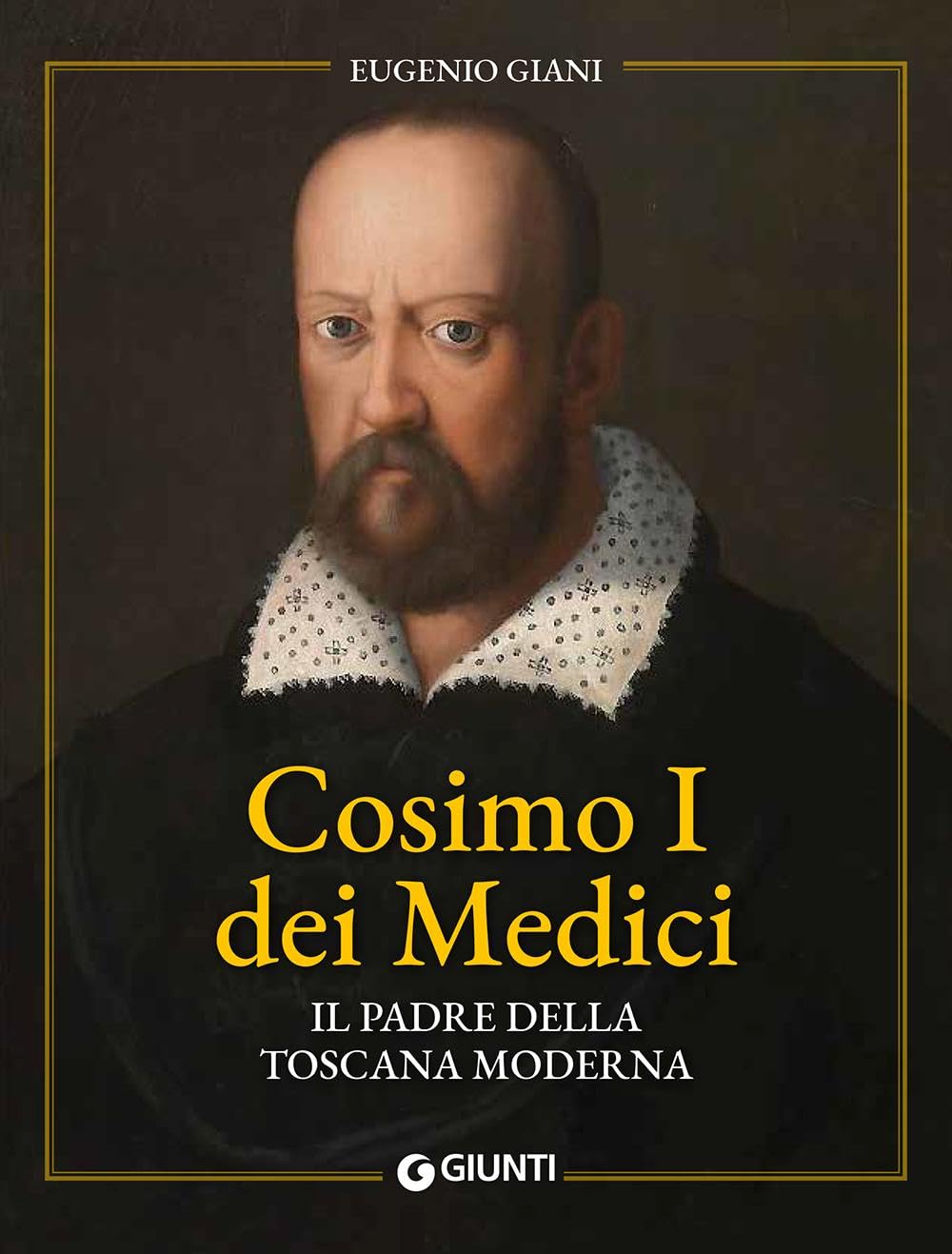
Cosimo I imposed his will on Ammannati who at that time was carrying out the work to finish the Library and forced him to build the staircase following my project but in pietra serena instead of walnut wood, considering the material unalterable and more durable.
He wasn’t entirely wrong but he didn’t follow my desire and so the vestibule lost those chromatic and material contrasts that I had designed.
For the moment, yours truly Michelangelo Buonarroti bids you farewell and gives you an appointment for the next posts and on social media.

Sostienici – Support Us
Se questo blog ti piace e ti appassiona, puoi aiutarci a farlo crescere sempre più sostenendoci in modo concreto condividendo i post, seguendo le pagine social e con un contributo che ci aiuta ad andare avanti con il nostro lavoro di divulgazione. . ENGLISH: If you like and are passionate about this blog, you can help us make it grow more and more by supporting us in a concrete way by sharing posts, following social pages and with a contribution that helps us to move forward with our dissemination work.
10,00 €
Sostienici – Support Us
Se questo blog ti piace e ti appassiona, puoi aiutarci a farlo crescere sempre più sostenendoci in modo concreto condividendo i post, seguendo le pagine social e con un contributo che ci aiuta ad andare avanti con il nostro lavoro di divulgazione. . ENGLISH: If you like and are passionate about this blog, you can help us make it grow more and more by supporting us in a concrete way by sharing posts, following social pages and with a contribution that helps us to move forward with our dissemination work.
10,00 €
-
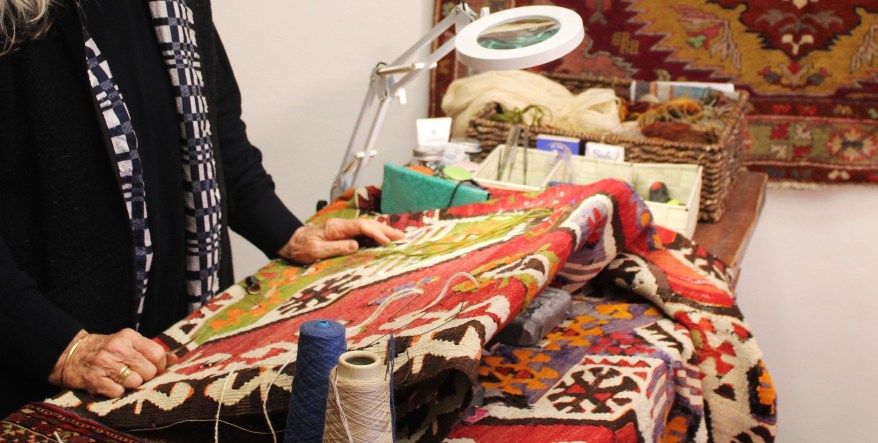
Restauro tappeti d’arte a Pietrasanta: tradizione e segreti di un laboratorio centenario
🇮🇹Il fascino dei tappeti d’arte prende vita a Pietrasanta. Venite con me nel laboratorio di “Restauro Tappeti d’Arte” di Orna Bachar e Benedetto Bumaguin, dove ogni tappeto antico è una vera opera d’arte… 🇬🇧The charm of artistic carpets comes to life in Pietrasanta. Come with me to Orna Bachar and Benedetto Bumaguin’s “Artistic Carpet Restoration”…
-
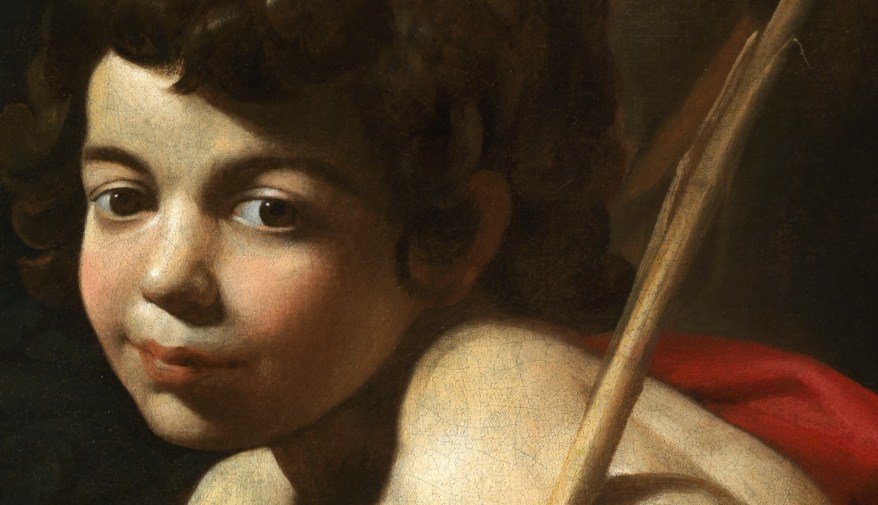
Battistello Caracciolo e il suo San Giovannino: il capolavoro che rivela l’eredità di Caravaggio
🇮🇹Per anni attribuito al Caravaggio, il San Giovannino del Caracciolo rivela invece la sensibilità unica di Battistello: un equilibrio perfetto tra realismo e dolcezza, tra inquietudine e grazia… 🇬🇧For years attributed to Caravaggio, Caracciolo’s Saint John the Baptist instead reveals Battistello’s unique sensitivity: a perfect balance between realism and sweetness, between restlessness and grace…
-
La fine dell’originalità: perché oggi tutta l’arte sembra già vista
🇮🇹La sensazione è sempre la stessa: guardiamo un quadro, una scultura o un’installazione e pensiamo “L’ho già visto da qualche parte”. Ma è davvero la fine dell’originalità? … 🇬🇧The feeling is always the same: we look at a painting, a sculpture, or an installation and think, “I’ve seen this before.” But is this really the…
Condividi:


Questo sono io





sostienici

Sostienici - Support Us
Se questo blog ti piace e ti appassiona, puoi aiutarci a farlo crescere sempre più sostenendoci in modo concreto condividendo i post, seguendo le pagine social e con un contributo che ci aiuta ad andare avanti con il nostro lavoro di divulgazione. . ENGLISH: If you like and are passionate about this blog, you can help us make it grow more and more by supporting us in a concrete way by sharing posts, following social pages and with a contribution that helps us to move forward with our dissemination work.
€10,00


