

Raffaello: l’arazzo della Pesca miracolosa per la Cappella Sistina in mostra a Castel Gandolfo
A partire dal 23 marzo, in concomitanza con le solennità pasquali, due capolavori custoditi abitualmente nei Musei Vaticani verranno esposti presso il Polo Museale di Castel Gandolfo, inaugurando la nuova stagione espositiva del Palazzo Papale.
Le due straordinarie opere in questione sono il Redentore del Correggio e il grande l’arazzo della Pesca miracolosa di Raffaello, realizzato dall’artista per decorare durante le solennità il primo registro della Cappella Sistina, su commissione di papa Leone X de’ Medici.
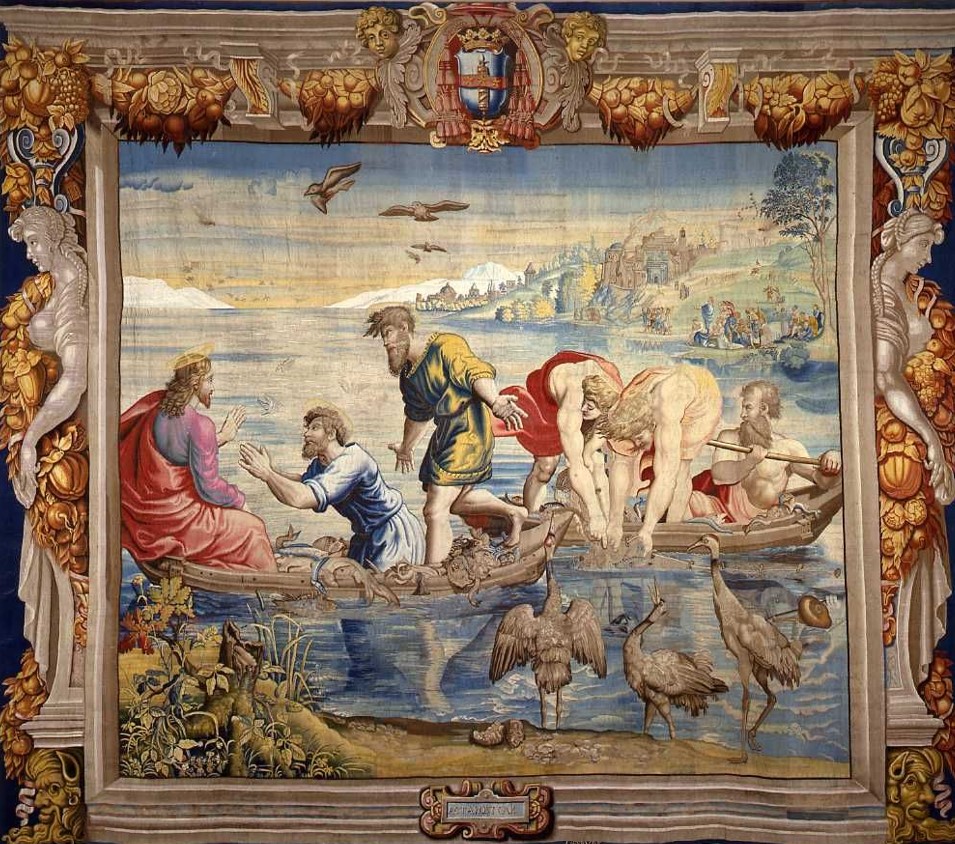
L’arazzo intessuto con fili di lana, seta e argento dorato, raffigura la scena raccontata nel Vangelo di Luca in cui, dopo una magra pesca, Cristo intima i pescatori Andrea e Pietro di calare di nuovo le reti.
Con grande sorpresa dei pescatori, dalle acque del lago di Galilea, issano a bordo della barca reti piene di pesci. Raffaello nel cartone adoperato per l’arazzo, riuscì a mostrare la meraviglia si volti dei pescatori nell’osservare tutta quell’abbondanza resa possibile dal miracolo di Cristo.

Dopo l’inaugurazione della mostra “Castel Gandolfo 1944” che ha aperto al pubblico il 10 febbraio, il Palazzo arricchisce la propria offerta culturale con queste due opere provenienti dai Musei vaticani.
I visitatori che entreranno a Castel Gandolfo avranno modo di visitare le mostre dal titolo “Raffaello. L’arazzo della Pesca miracolosa per la Cappella Sistina” e successivamente, nei nuovi spazi espositivi “Correggio. Il Redentore dei Musei Vaticani”, fino a qualche anno fa, prima dell’ultimo restauro, considerata una copia o della scuola del Correggio.

Per il momento il sempre vostro Michelangelo Buonarroti vi saluta dandovi appuntamento ai prossimi post e sui social.

Raphael: the tapestry of the Miraculous Fish of Fish for the Sistine Chapel on display in Castel Gandolfo
Starting from March 23, in conjunction with the Easter solemnities, two masterpieces usually kept in the Vatican Museums will be exhibited at the Museum Center of Castel Gandolfo, inaugurating the new exhibition season of the Papal Palace.
The two extraordinary works in question are Correggio’s Redeemer and the large tapestry of Raphael’s Miraculous Fishing created by the artist to decorate the first register of the Sistine Chapel during solemnities, commissioned by Pope Leo
The tapestry woven with wool, silk and gilded silver threads depicts the scene told in the Gospel of Luke in which, after a poor catch, Christ orders the fishermen Andrew and Peter to lower their nets again.
To the great surprise of the fishermen, from the waters of the Lake of Galilee, they hoist nets full of fish on board the boat. In the cartoon used for the tapestry, Raphael managed to show the wonder the fishermen faced when observing all that abundance made possible by the miracle of Christ.
After the inauguration of the “Castel Gandolfo 1944” exhibition which opened to the public on 10 February, the Palace enriches its cultural offering with these two works from the Vatican Museums.
Visitors who enter Castel Gandolfo will have the opportunity to visit the exhibitions entitled “Raphael. The tapestry of the Miraculous Fishing for the Sistine Chapel” and subsequently, in the new exhibition spaces “Correggio. The Redeemer of the Vatican Museums”, until a few years ago, before the last restoration, considered a copy of the Correggio school.
For the moment, your always Michelangelo Buonarroti greets you and will meet you in the next posts and on social media.

Sostienici – Support Us
Se questo blog ti piace e ti appassiona, puoi aiutarci a farlo crescere sempre più sostenendoci in modo concreto condividendo i post, seguendo le pagine social e con un contributo che ci aiuta ad andare avanti con il nostro lavoro di divulgazione. . ENGLISH: If you like and are passionate about this blog, you can help us make it grow more and more by supporting us in a concrete way by sharing posts, following social pages and with a contribution that helps us to move forward with our dissemination work.
8,00 €
-
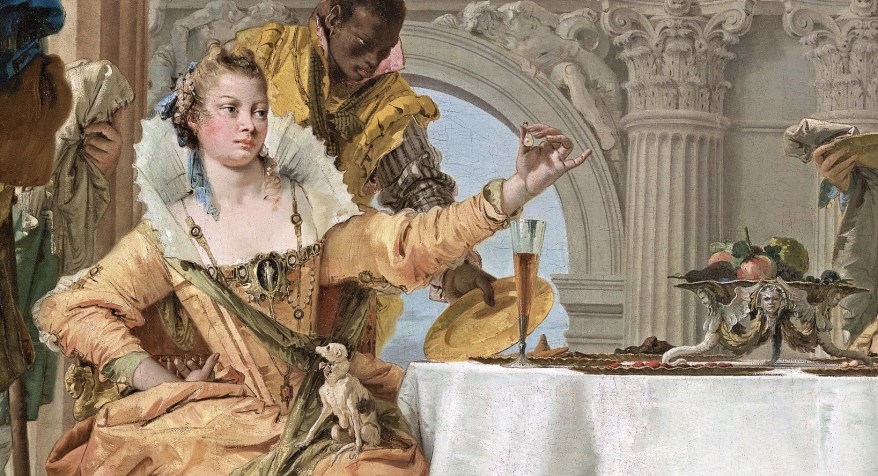
Quando Cleopatra umiliò Roma: il significato nascosto del celebre dipinto di Tiepolo
🇮🇹 Il dipinto che vi propongo è pura teatralità, lusso e strategia. Cleopatra scommette con Marco Antonio di poter offrire il banchetto più sontuoso della storia e per vincere compie un gesto folle… 🇬🇧 The painting I propose is pure theatricality, luxury, and strategy. Cleopatra bets Mark Antony that she can offer the most sumptuous…
-
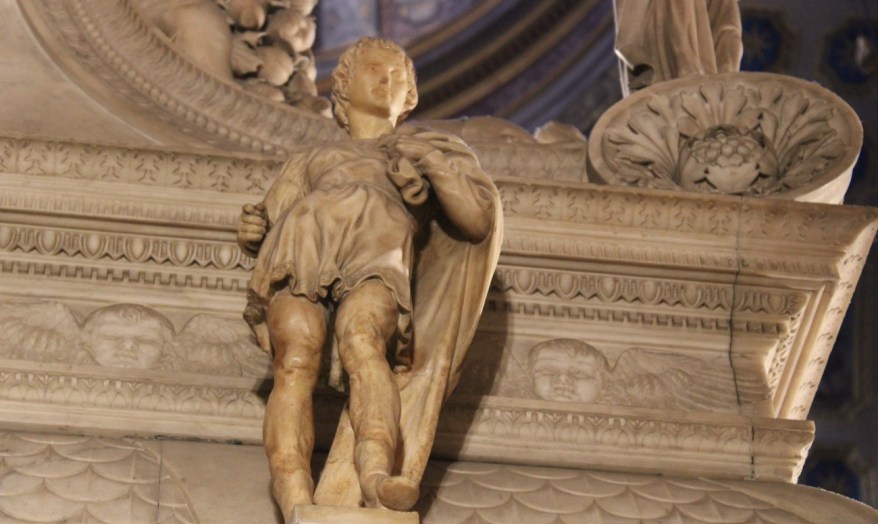
Il mio primo soggiorno a Bologna e l’incontro con Giovan Francesco Aldrovandi
🇮🇹Fuggii da Firenze a soli 19 anni. Senza certezze, senza protezioni. Solo con il mio talento. A Bologna trovai rifugio nella casa di Giovan Francesco Aldrovandi… 🇬🇧I fled Florence at just 19. Without certainties, without protection. Only with my talent. In Bologna, I found refuge in the home of Giovan Francesco Aldrovandi…
-
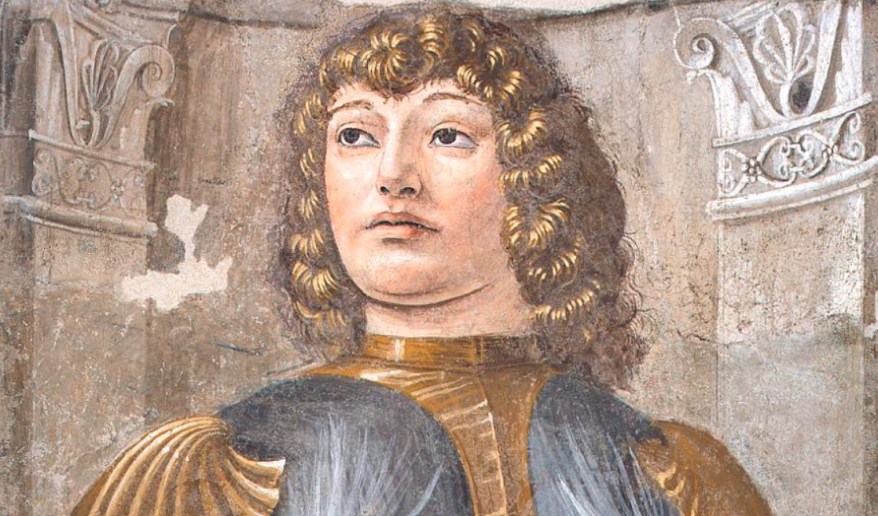
11 aprile 1514: muore Donato Bramante, il genio della scala elicoidale
🇮🇹Era l’11 aprile 1514 quando Donato Bramante morì a Roma. La sua scomparsa non cancellò però le tensioni, le rivalità e i giudizi contrastanti che avevano accompagnato tutta la sua carriera… 🇬🇧It was April 11, 1514, when Donato Bramante died in Rome. His passing, however, did not erase the tensions, rivalries, and conflicting opinions that…
Condividi:


Questo sono io





sostienici

Sostienici - Support Us
Se questo blog ti piace e ti appassiona, puoi aiutarci a farlo crescere sempre più sostenendoci in modo concreto condividendo i post, seguendo le pagine social e con un contributo che ci aiuta ad andare avanti con il nostro lavoro di divulgazione. . ENGLISH: If you like and are passionate about this blog, you can help us make it grow more and more by supporting us in a concrete way by sharing posts, following social pages and with a contribution that helps us to move forward with our dissemination work.
€10,00


