

Donna in cucina con Cena di Emmaus: il primo capolavoro di Velàzquez arriva a Galleria Borghese
Galleria Borghese inaugura la stagione espositiva 2024 con un prestito eccezionale proveniente dalla collezione permanente della National Gallery of Ireland: il dipinto della Donna in cucina con Cena di Emmaus di Diego Velàzquez.
E’ il primo dipinto noto dell’artista che iniziò la sua carriera artistica nella propria città natale, Siviglia e poco a poco si fece spazio grazie al suo talento divenendo il principale artista alla corte di Filippo IV a Madrid .

La mostra che aprirà i battenti a Galleria Borghese dal 26 marzo al 23 giugno avrà come protagonista assoluto il dipinto della Donna in cucina con Cena di Emmaus che raffigura Cristo che appare ai suoi discepoli a Emmaus sullo sfondo dell’opera mentre in primo piano si vede la domestica al lavoro in cucina.
L’inversione dei soggetti principali e secondari che volle raffigurare Velàzquez è spirata direttamente a pittori fiamminghi come per esempio Pieter Aertsen.
La mostra è stata ideata per mettere a confronto tra l’opera di due Maestri assoluti del Barocco: Velázquez artista internazionale che ebbe modo di visitare nel corso della propria vita due volte Roma e Rubens, cui il museo ha da poco dedicato una mostra e che fa parte di quella schiera di artisti stranieri che dalla città e dai suoi maestri traggono insegnamento e ispirazione.

Il confronto tra Donna in cucina con Cena di Emmaus e i dipinti di Caravaggio presenti nella Sala si presta a letture che rivelano prospettive inedite di critica e approfondimento, collocando la mostra in quel filone dedicato allo sguardo degli artisti stranieri sulla Città Eterna cui il museo dedica da tempo una parte consistente della sua ricerca.
Per il momento il sempre vostro Michelangelo Buonarroti vi saluta dandovi appuntamento ai prossimi post e sui social.


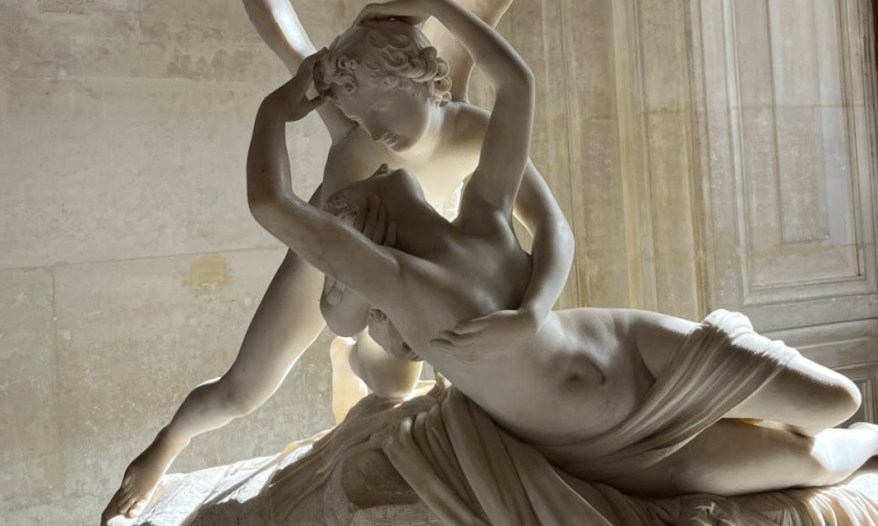
Woman in the kitchen with Supper at Emmaus: Velàzquez’s first masterpiece arrives at Galleria Borghese
Galleria Borghese inaugurates the 2024 exhibition season with an exceptional loan from the permanent collection of the National Gallery of Ireland: the painting Woman in the Kitchen with Supper at Emmaus by Diego Velàzquez.
It is the first known painting by the artist who began his artistic career in his hometown of Seville and gradually made his name thanks to his talent, becoming the main artist at the court of Philip IV in Madrid.
The exhibition which will open its doors at Galleria Borghese from 26 March to 23 June will have as its absolute protagonist the painting of the Woman in the kitchen with Supper at Emmaus which depicts Christ appearing to his disciples at Emmaus in the background of the work while in the foreground one can see the maid at work in the kitchen.
The inversion of the main and secondary subjects that Velàzquez wanted to depict was inspired directly by Flemish painters such as Pieter Aertsen.
The exhibition was conceived to compare the work of two absolute Masters of the Baroque: Velázquez, an international artist who had the opportunity to visit Rome twice during his life, and Rubens, to whom the museum has recently dedicated an exhibition and who he is part of that group of foreign artists who draw teaching and inspiration from the city and its masters.
The comparison between Woman in the Kitchen with Supper at Emmaus and the paintings by Caravaggio present in the Room lends itself to readings that reveal new perspectives of criticism and in-depth analysis, placing the exhibition in that vein dedicated to the gaze of foreign artists on the Eternal City to which the museum has dedicated since time a substantial part of his research.
For the moment, your always Michelangelo Buonarroti greets you and will meet you in the next posts and on social media.

Sostienici – Support Us
Se questo blog ti piace e ti appassiona, puoi aiutarci a farlo crescere sempre più sostenendoci in modo concreto condividendo i post, seguendo le pagine social e con un contributo che ci aiuta ad andare avanti con il nostro lavoro di divulgazione. . ENGLISH: If you like and are passionate about this blog, you can help us make it grow more and more by supporting us in a concrete way by sharing posts, following social pages and with a contribution that helps us to move forward with our dissemination work.
8,00 €
-
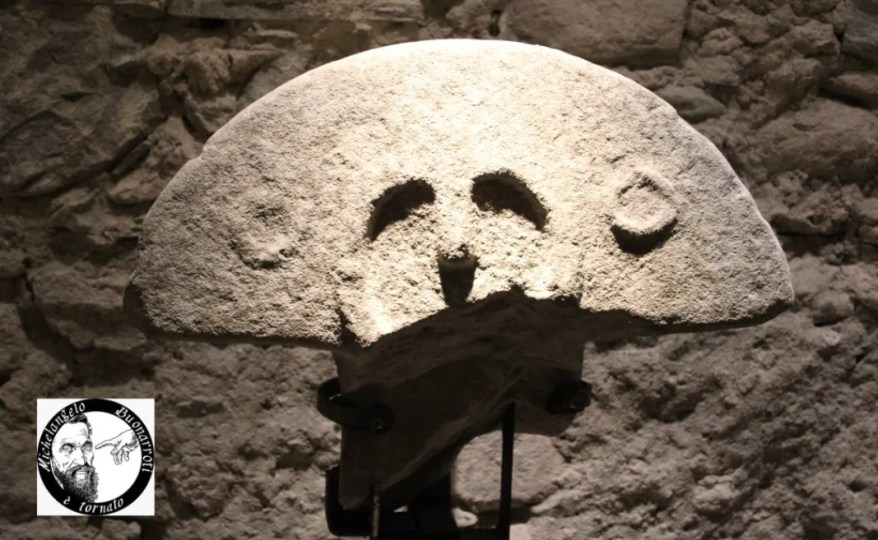
Pontremoli: il fascino silenzioso delle Statue Stele e il profumo dell’Amor
🇮🇹Ritorno al Castello del Piagnaro a Pontremoli: una visita al Museo delle Statue Stele Lunigianesi tra misteriosi volti di pietra e la dolce sosta all’Amor Pontremoli… 🇬🇧A return to the Castle of Piagnaro in Pontremoli: a visit to the Museum of the Lunigiana Stele Statues, amidst mysterious stone faces, followed by a delightful stop for…
-
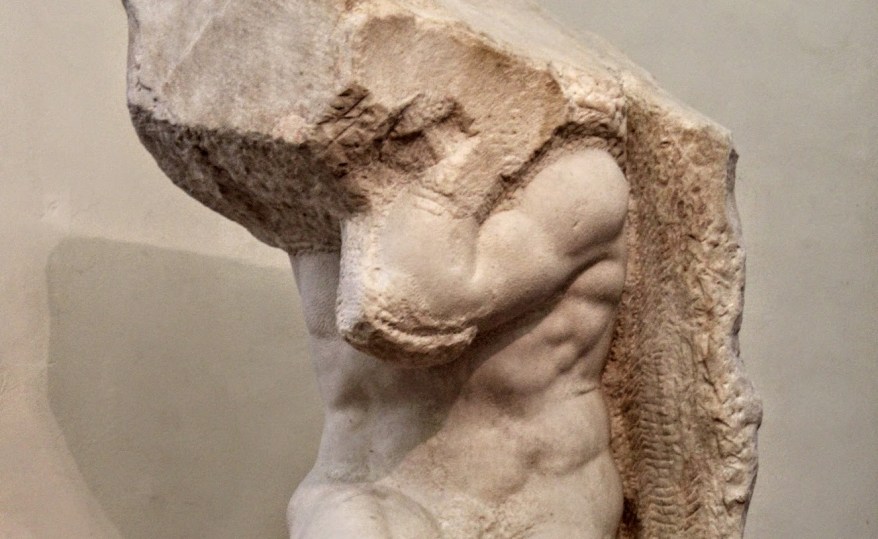
Il tormento del mio marmo ha stregato il Novecento: la nuova mostra a Firenze
🇮🇹Dal 15 dicembre 2026 la Galleria dell’Accademia di Firenze ospita “L’anima dei marmi”. Rodin, Bourdelle e i maestri del Simbolismo rileggono il mio genio… 🇬🇧Starting December 15, 2026, the Galleria dell’Accademia in Florence will host “The Soul of Marble.” Rodin, Bourdelle, and the masters of Symbolism reinterpret my genius…
-
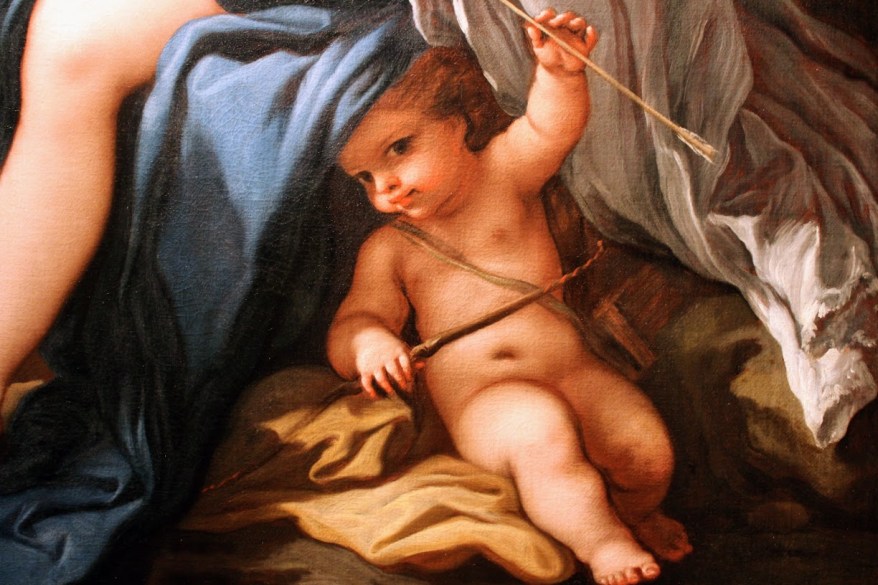
18 ottobre 1634: nasce Luca Giordano, il pittore che dipingeva così in fretta da essere chiamato «Luca fa’ presto»
🇮🇹Luca Giordano nacque a Napoli il 18 ottobre 1634. Scopri perché era chiamato «Luca fa’ presto» e i suoi capolavori, dalla Galleria degli Specchi alla corte di Spagna… 🇬🇧Luca Giordano was born in Naples on October 18, 1634. Discover why he was nicknamed “Luca fa’ presto” (“Luca, hurry up!”) and explore his masterpieces—from the Hall…
Condividi:


Questo sono io





sostienici

Sostienici - Support Us
Se questo blog ti piace e ti appassiona, puoi aiutarci a farlo crescere sempre più sostenendoci in modo concreto condividendo i post, seguendo le pagine social e con un contributo che ci aiuta ad andare avanti con il nostro lavoro di divulgazione. . ENGLISH: If you like and are passionate about this blog, you can help us make it grow more and more by supporting us in a concrete way by sharing posts, following social pages and with a contribution that helps us to move forward with our dissemination work.
€10,00


