
La Scultura del Giorno: la giovane della Tomba Burlando di Pietro da Verona a Staglieno
La scultura del giorno che vi propongo oggi è la giovane priva di vesti adagiata sulla Tomba Burlando scolpita da Pietro da Verona e ubicata nel porticato di Sant’Antonino del Cimitero di Staglieno, a Genova.
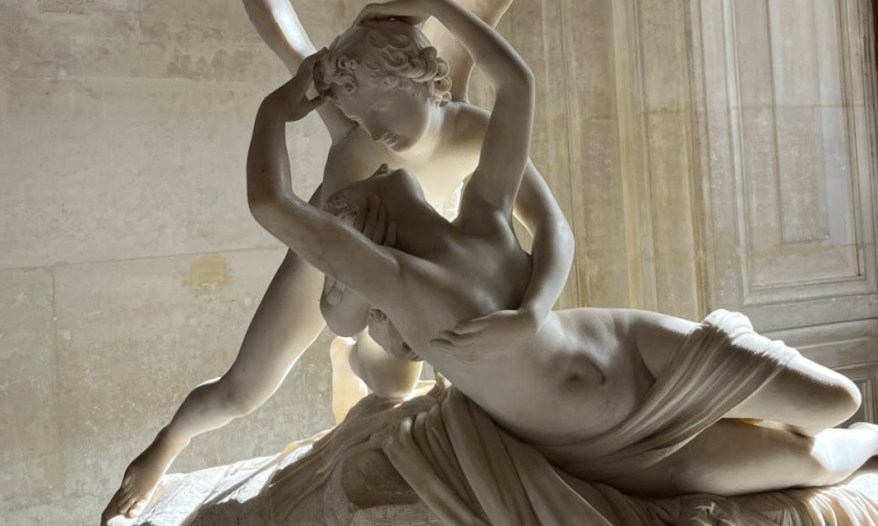
Appena ci si trova dinanzi a quest’opera ci si rende conto di quanto l’artista abbia voluto rendere l’idea dello stretto legame fra eros e thanatos, i due impulsi che guidano l’esistenza dell’uomo.

Pietro da Verona diede forma alla scultura che decora la Tomba Burlando nel 1920. Il corpo oramai esanime della giovane è adagiato su un panneggio finemente lavorato mentre un lembo le copre pudicamente il pube.
Proprio al di sotto dell’ascella destra si vede un mazzo di fiori, ornamento che rende la figura ancora più poetica.

La levigatezza del corpo è in netto contrasto con il trattamento del panneggio sul quale si leggono ancora i segni delle gradine a più denti.
Osservate con attenzione il braccio che senza più forza penzola nel vuoto.
Non vi ricorda forse quello della mia Pietà Vaticana? Mentre quello del Cristo è trattenuto nella sua discesa verso il basso da n lembo del sudario, quello della giovane è sostenuto dalla roccia scabra.

La posizione della scultura ne consente una visione completa.
Il retro è articolato e curato quanto la parte frontale, con quel piede destro piegato sotto le natiche e l’altra gamba ben delineata che pare avere un residuo di forza per poter indugiare sopra il sudario.

Per il momento il sempre vostro Michelangelo Buonarroti vi saluta dandovi appuntamento ai prossimi post e sui social.


Sostienici – Support Us
Se questo blog ti piace e ti appassiona, puoi aiutarci a farlo crescere sempre più sostenendoci in modo concreto condividendo i post, seguendo le pagine social e con un contributo che ci aiuta ad andare avanti con il nostro lavoro di divulgazione. . ENGLISH: If you like and are passionate about this blog, you can help us make it grow more and more by supporting us in a concrete way by sharing posts, following social pages and with a contribution that helps us to move forward with our dissemination work.
8,00 €
Sculpture of the Day: the young girl from the Burlando Tomb of Pietro da Verona in Staglieno
The sculpture of the day that I propose to you today is the young girl without clothes lying on the Burlando Tomb sculpted by Pietro da Verona and located in the portico of Sant’Antonino of the Staglieno Cemetery, in Genoa.
As soon as you find yourself in front of this work you realize how much the artist wanted to convey the idea of the close link between eros and thanatos, the two impulses that guide man’s existence.
Pietro da Verona gave shape to the sculpture that decorates the Burlando Tomb in 1920. The now lifeless body of the young woman is laid on a finely crafted drapery while a flap modestly covers her pubis.
Just below the right armpit you can see a bouquet of flowers, an ornament that makes the figure even more poetic.
The smoothness of her body is in stark contrast to the treatment of the drapery on which the marks of the multi-toothed steps can still be seen.
Look carefully at her arm which no longer dangles in space. Doesn’t it remind you of my Vatican Pietà? While that of Christ is held back in its descent downwards by an edge of the shroud, that of the young woman is supported by the rough rock.
The position of the sculpture allows for a complete view. The back is as articulated and cared for as the front, with that right foot bent under the buttocks and the other well-defined leg that seems to have a residual strength to be able to linger over the shroud.
For the moment, your always Michelangelo Buonarroti greets you and will meet you in the next posts and on social media.
Sostienici – Support Us
Se questo blog ti piace e ti appassiona, puoi aiutarci a farlo crescere sempre più sostenendoci in modo concreto condividendo i post, seguendo le pagine social e con un contributo che ci aiuta ad andare avanti con il nostro lavoro di divulgazione. . ENGLISH: If you like and are passionate about this blog, you can help us make it grow more and more by supporting us in a concrete way by sharing posts, following social pages and with a contribution that helps us to move forward with our dissemination work.
8,00 €
-
18 ottobre 1634: nasce Luca Giordano, il pittore che dipingeva così in fretta da essere chiamato «Luca fa’ presto»
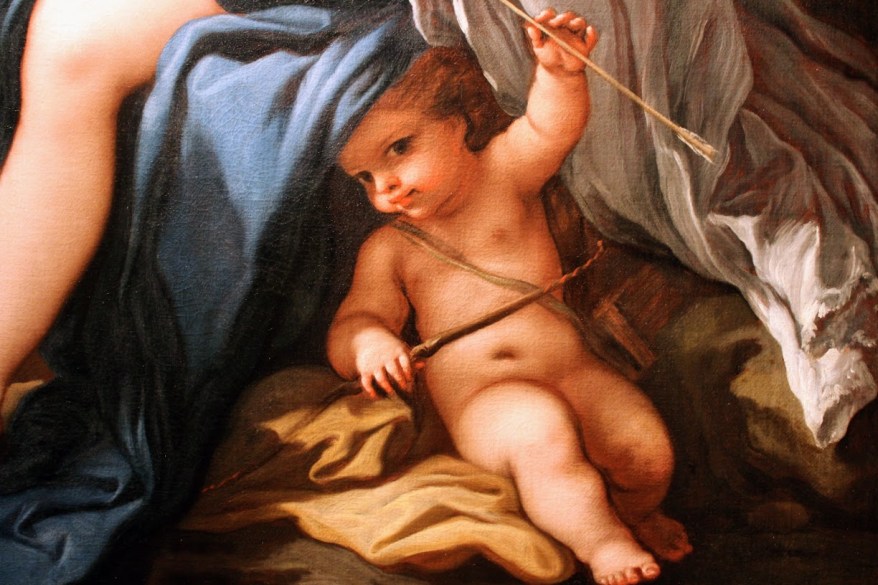
🇮🇹Luca Giordano nacque a Napoli il 18 ottobre 1634. Scopri perché era chiamato «Luca fa’ presto» e i suoi capolavori, dalla Galleria degli Specchi alla corte di Spagna… 🇬🇧Luca Giordano was born in Naples on October 18, 1634. Discover why he was nicknamed “Luca fa’ presto” (“Luca, hurry up!”) and explore his masterpieces—from the Hall…
-

Incendio al municipio di Limoges, crolla la torre dell’orologio: distrutto storico palazzo dell’Ottocento
🇮🇹Incendio a Limoges, il municipio storico è devastato: crollano il tetto e la torre dell’orologio alta 43 metri. Che cosa resta del patrimonio artistico? 🇬🇧Fire in Limoges: the historic town hall is devastated, with its roof and 43-meter-tall clock tower having collapsed. What remains of its artistic heritage?
-
Prima di Gesù Bambino viene l’Annunciazione: i dipinti che raccontano l’inizio della storia di Natale
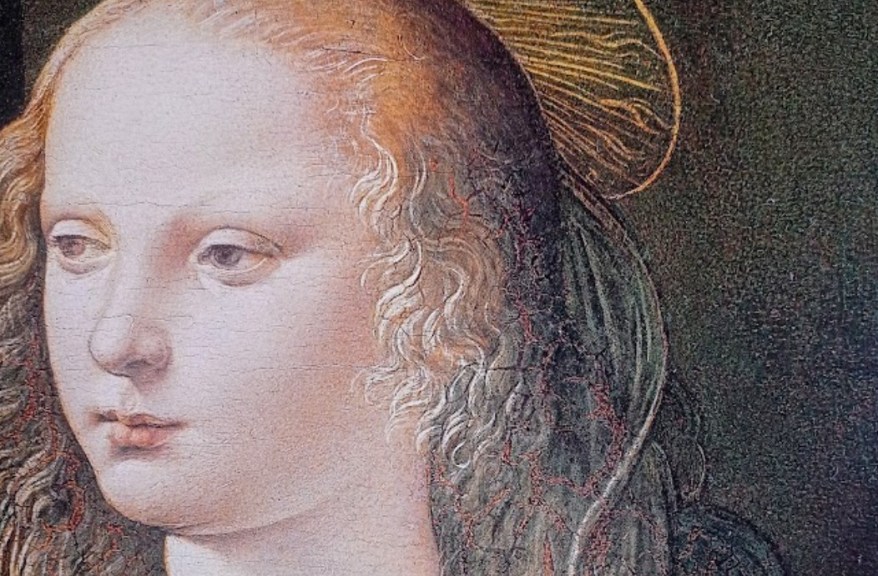
🇮🇹Prima di Gesù Bambino c’è l’Annunciazione: scopri i dipinti più celebri di Leonardo, Beato Angelico e Simone Martini e i simboli nascosti nell’arte cristiana… 🇬🇧Before the Christ Child comes the Annunciation: discover the most famous paintings by Leonardo, Fra Angelico, and Simone Martini, and the symbols hidden within Christian art…
Condividi:


Questo sono io





sostienici

Sostienici - Support Us
Se questo blog ti piace e ti appassiona, puoi aiutarci a farlo crescere sempre più sostenendoci in modo concreto condividendo i post, seguendo le pagine social e con un contributo che ci aiuta ad andare avanti con il nostro lavoro di divulgazione. . ENGLISH: If you like and are passionate about this blog, you can help us make it grow more and more by supporting us in a concrete way by sharing posts, following social pages and with a contribution that helps us to move forward with our dissemination work.
€10,00


trasmette sensualità e dolcezza, la posa realistica così fluida e abbandonata fa pensare a un corpo ancora vivo, in un languido riposo temporaneo. Notevole davvero!
"Mi piace"Piace a 1 persona