
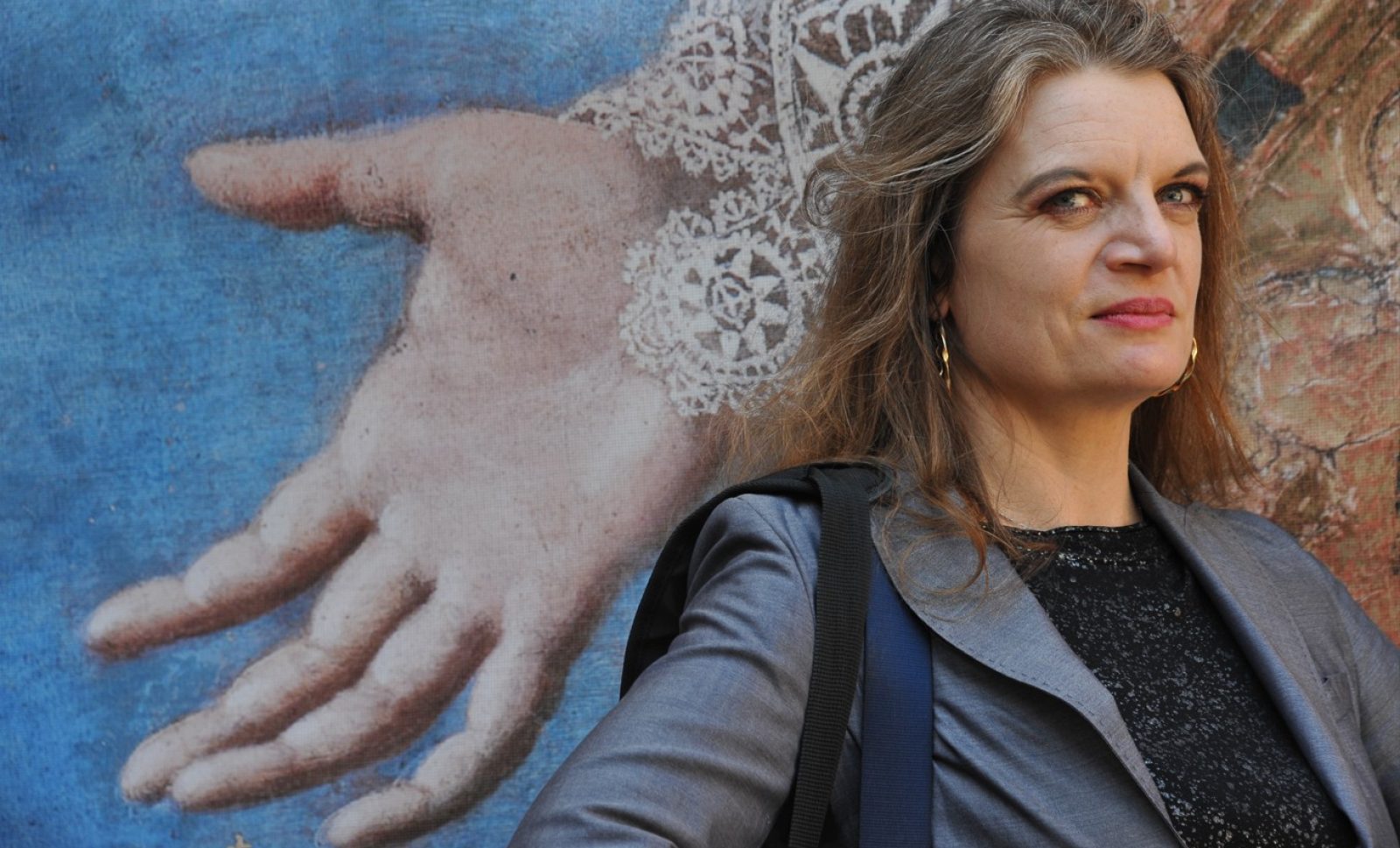
Apre la mostra a Forlì ed è subito Preraffaelliti mania
Apre oggi la grande mostra “Preraffaelliti: Rinascimento Moderno” ai Musei di San Domenico di Forlì. Grande mostra non solo per il quantitativo e la qualità delle opere esposte ma anche per le aspettative che ha creato prima e saputo mantenere poi.
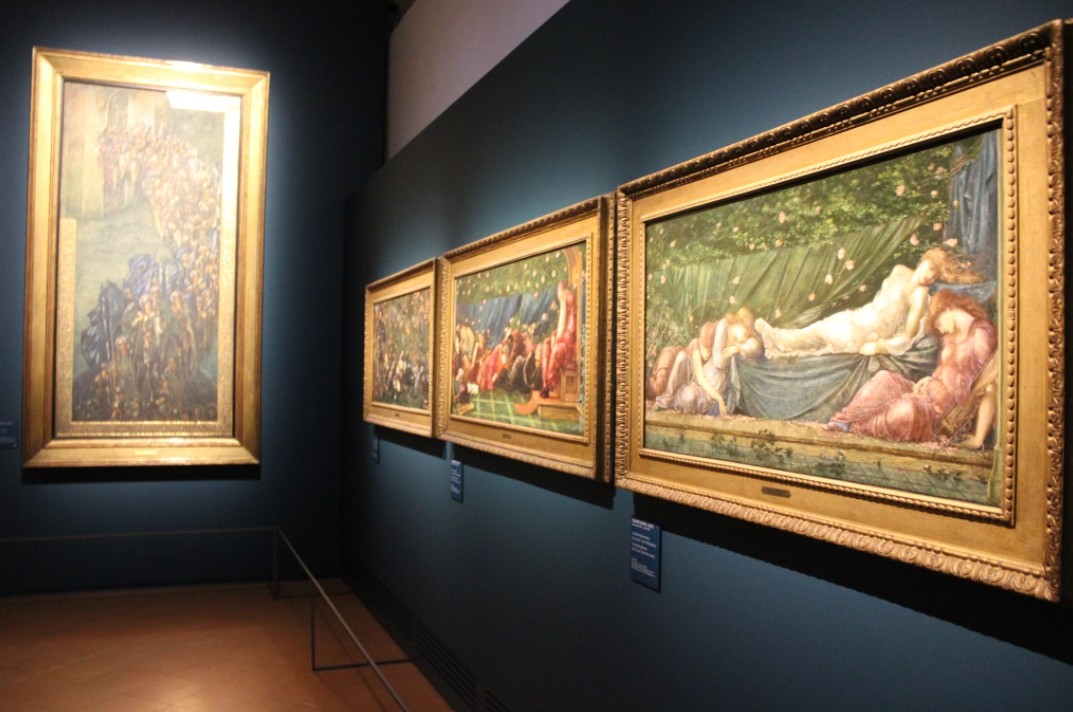
Sono 320 le opere di artisti nazionali e internazionali dislocate nelle numerose sale ci raccontano, una dopo l’altra, l’influenza che l’arte italiana, dal Medioevo al Rinascimento, ebbe su quella britannica.

Ritrovarsi dinanzi a così tante opere di Burne-Jones, Leighton Watts, Dante Gabriel Rossetti, Murray, Mulready, Armstrong, Godward ma anche Filadelfo Simi messe a confronto con capolavori di Giorgione, Botticelli, Pontormo, Filippo Lippi, Verrocchio e Lorenzo di Credi è un’esperienza più unica che rara.

La mostra approfondisce in modo accurato il racconto del movimento preraffaellita e tutte le sue sfaccettature sia attraverso i dipinti che oggetti artistici di varia natura che spaziano da un meraviglioso pianoforte dipinto fino alle ceramiche passando per i tessuti da tappezzeria e i gioielli, sculture, stampe, opere in vetro e metallo e preziosi manoscritti.
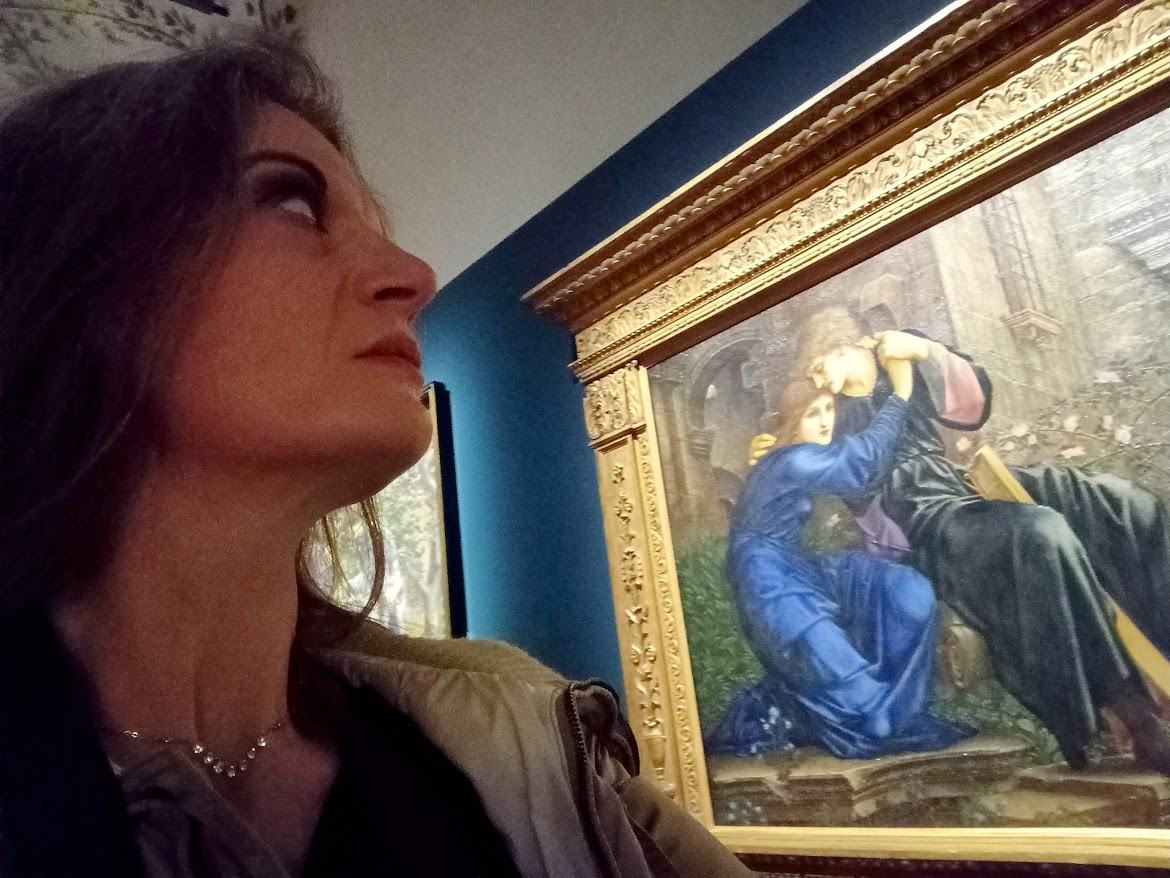
Il movimento artistico del Preraffaellitismo, nato nell’Inghilterra vittoriana del 1849 grazie alle idee degli artisti William Holman Hunt, John Everett Millais e Dante Gabriel Rossetti, aveva lo scopo principale di rinnovare la pittura inglese.

All’epoca l’arte in Inghilterra era in forte declino e la causa era da ricercare delle norme troppo rigide che poco lasciavano spazio all’immaginazione, imposte dalla Royal Academy. Così un gruppo di artisti si mise assieme nella confraternita dei Preraffaelliti che diede vita a un movimento artistico nuovo, dedito alla creazione di opere d’arte ispirate liberamente dalla natura, dalla musica, dalla poesia e che avessero uno sguardo sulla vita reale.

Fra i temi principali delle loro creazioni c’erano l’amore, il desiderio, la presenza della donna, la forza della natura e l’intenzione di godersi la fuggevolezza e la bellezza della vita.
Così, in piena epoca Vittoriana, i preraffalliti divennero i precorritori di idee originali sperimentando nuovi stili di vita tanto che anche le loro vite private e le relazioni personali erano spesso più libere e spregiudicate di quanto lo fossero per le altre persone nell’Ottocento.
Gli aderenti alle idee dei preraffaelliti andavano a ricercare la naturalezza e la spontaneità della pittura degli artisti del passato: da Giotto a Cimabue, dal Beato Angelico a Mantegna, dal Botticelli fino a me ma senza oltrepassare l’epoca di Raffaello. Temi, stili, dettagli venivano liberamente attinti dalle opere realizzate prima di Raffaello, da qui il loro nome Preraffaelliti.

Bisogna tenere in conto che l fine dell’Ottocento era un’epoca segnata da cambiamenti incredibili dal punto di vista sociale e industriale. Così anche le concezioni su l’arte, sul lavoro, sui rapporti umani, sull’amore, sulla religiosità e sulla morale erano in continua trasformazione.
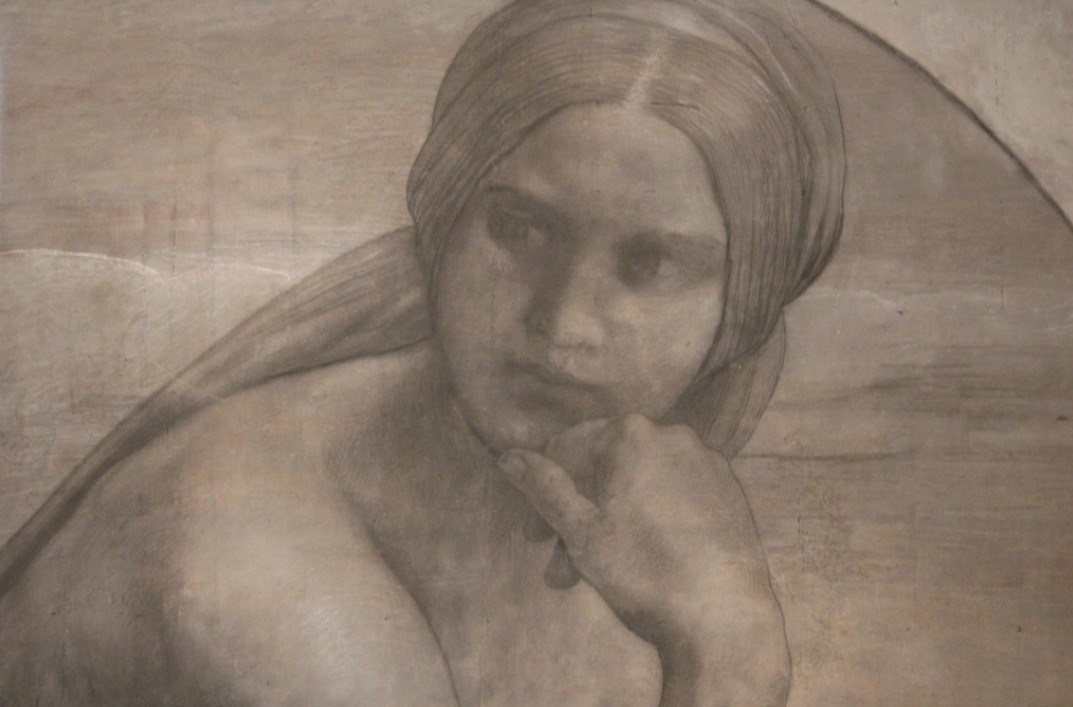
Fra i tanti maestri e personaggi del movimento Preraffaellita più in evidenza c’era il pittore e poeta inglese Dante Gabriel Rossetti (1828-1882 -Londra), di origini italiane. Colto ed entusiasta, non solo componeva sonetti ma era un profondo conoscitore di Dante e della Divina Commedia: fu proprio lui il fondatore e teorico della Confraternita dei Preraffaelliti. La modella che spesso compare nelle sue opere fu Elisabeth Siddal, una donna a cui oltre che artisticamente si legò in maniera profonda ma dopo una vita tormentata fatta di insicurezze, morirà.

Le caratteristiche fisiche di Elisabet erano quelle più amate dai Preraffaelliti: lunghi capelli rossi ondulati, il corpo armonioso e delicato e una bellezza al di fuori del comune.
La mostra “Preraffaelliti: Rinascimento Moderno” propone un percorso espositivo mirato a ricostruire le radici ottocentesche dei Nazareni e di Ruskin, estendendosi fino all’eredità novecentesca. Colonna portante della riflessione è stata la volontà di mettere in atto il confronto diretto tra gli artisti moderni e i maestri italiani dal Trecento al Cinquecento, evidenziando come lo sguardo al Rinascimento storico sia stata la premessa per questo nuovo Rinascimento artistico.
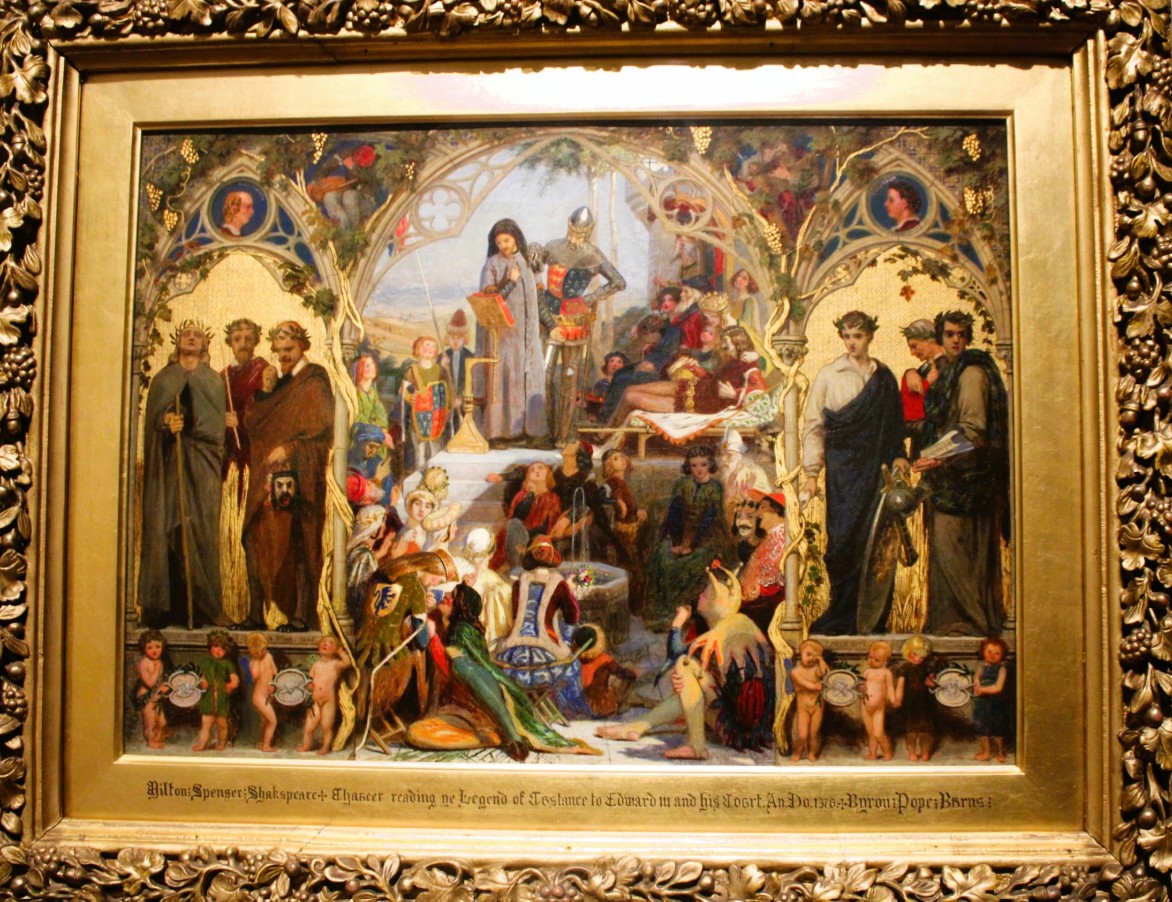
Se volete visitare la mostra vi consiglio di prendervi un po’ di tempo perchè la quantità di opere presenti è davvero notevole. Per vederla bene senza tralasciare niente servono dalle tre alle quattro ore più o meno.

Ampio spazio viene dato anche al dibattito che si accese su di me. In modo particolare l’artista Leighton nutriva per me una vera e propria venerazione fin dagli esordi della sua carriera da pittore. Nel 1862 dipingeva attingendo a quattro mani dalle mie opere, apprezzando in modo particolare il vigore delle mie figure dei corpi giovani e di quelli già in la con gli anni.
Poco tempo dopo, con l’acquisto prima della Deposizione di Cristo e poi della Madonna di Manchester da parte della National Gallery, si aprì un vero e proprio dibattito in tutta l’Inghilterra.

Così, fra una sala e l’altra vi troverete faccia a faccia con due opere che mi ritraggono risalenti a quel periodo: Michelangelo’s Dream di Joseph Noel Paton e Michelangelo Nursing his Dying servant di Federic Leighton oltre alla copia in gesso dello Schiavo Morente appartenente alla mia casa natale di Caprese.

Fra i disegni rinascimentali presenti avrete modo di apprezzare u n mio studio di gambe appartenente a Casa Buonarroti e due copie derivate da miei originali, una del Venusti e una di ignoto custodita presso il gabinetto dei disegni e delle stampe degli Uffizi.
La mostra “Preraffaelliti: Rinascimento Moderno” vi trasporterà direttamente nel cuore del movimento preraffaellita, fra i suoi colori e i suoi temi.
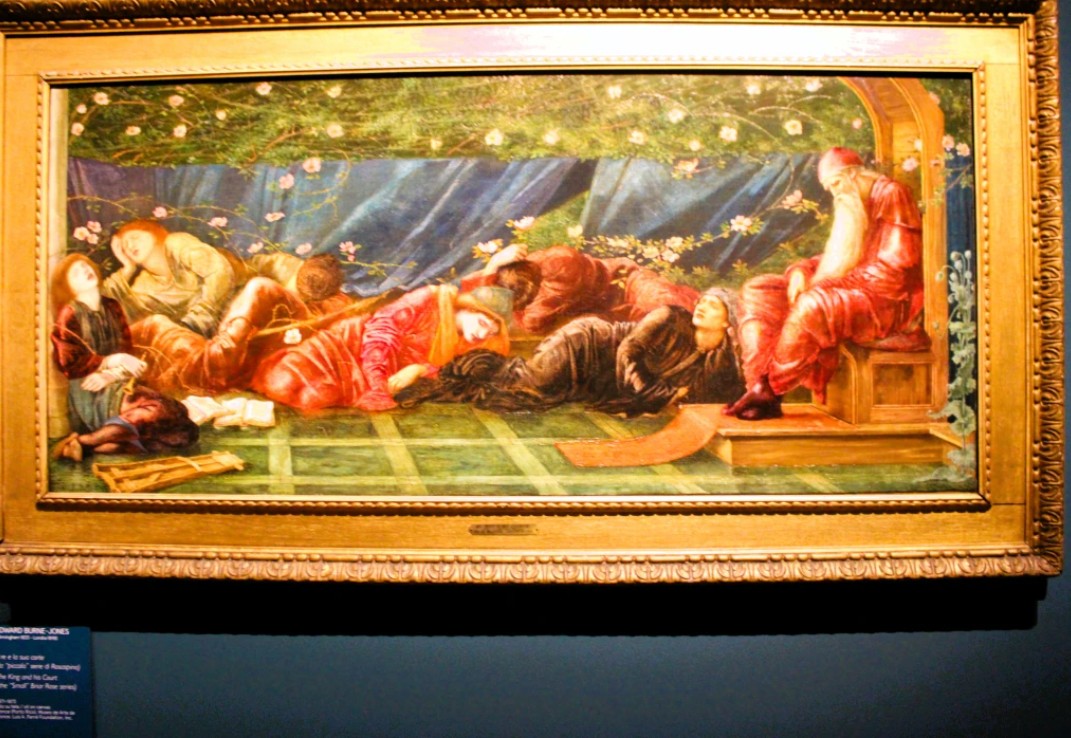
Apre al pubblico oggi 24 febbraio fino al 30 giugno 2024 ed è diretta da Gianfranco Brunelli, a cura di Elizabeth Prettejohn, Peter Trippi, Cristina Acidini e Francesco Parisi con la consulenza di Tim Barringer, Stephen Calloway, Charlotte Gere, Véronique Gerard Powell e Paola Refice .

L’esposizione mira infatti a narrare la storia delle tre generazioni di artisti associati o ispirati al movimento Preraffaellita, ricostruita attraverso un viaggio intorno al mondo nelle più prestigiose collezioni e musei come le Gallerie degli Uffizi e Casa Buonarroti di Firenze, Veneranda Fabbrica del Duomo di Milano, Galleria Nazionale d’Arte Moderna e Contemporanea di Roma, da Londra arrivano opere dal British Museum, Royal Academy of Arts, Victoria and Albert Museum, Tate, Royal Collection, dall’America ci sono prestiti dal Museo de Arte de Ponce, The Luis A. Ferré Foundation, Inc. (Portorico), dallo Yale Centre for British Art di New Haven (Stati Uniti), dai Vassar College e Dahesh Museum of Art di New York, dal Fine Art Museum of San Francisco e dalla Colección Perez Simón (Messico).

A mio avviso “Preraffaelliti: Rinascimento Moderno” allestita presso i Musei di San Domenico è la mostra dell’anno: non potete perdervela.
E’ organizzata dalla Fondazione Cassa dei Risparmi di Forlì in collaborazione con il Comune di Forlì, è accompagnata da un catalogo pubblicato da Dario Cimorelli Editore, con saggi dei curatori e contributi dei co-curatori ospiti.
Il progetto di allestimento è curato dallo Studio Lucchi & Biserni.

Per il momento il vostro michelangelo Buonarroti vi saluta con la meraviglia negli occhi dandovi appuntamento ai prossimi post e sui social.


Sostienici – Support Us
Se questo blog ti piace e ti appassiona, puoi aiutarci a farlo crescere sempre più sostenendoci in modo concreto condividendo i post, seguendo le pagine social e con un contributo che ci aiuta ad andare avanti con il nostro lavoro di divulgazione. . ENGLISH: If you like and are passionate about this blog, you can help us make it grow more and more by supporting us in a concrete way by sharing posts, following social pages and with a contribution that helps us to move forward with our dissemination work.
10,00 €
The exhibition opens in Forlì and it is immediately Pre-Raphaelite mania
The great exhibition “Pre-Raphaelites: Modern Renaissance” opens today at the San Domenico Museums in Forlì. Great exhibition not only for the quantity and quality of the works on display but also for the expectations that he created first and then managed to maintain.
There are 320 works by national and international artists located in the numerous rooms, telling us, one after the other, the influence that Italian art, from the Middle Ages to the Renaissance, had on British art.
Finding yourself in front of so many works by Burne-Jones, Leighton Watts, Dante Gabriel Rossetti, Murray, Mulready, Armstrong, Godward but also Filadelfo Simi compared with masterpieces by Giorgione, Botticelli, Pontormo, Filippo Lippi, Verrocchio and Lorenzo di Credi is a more unique than rare experience.
The exhibition accurately delves into the story of the Pre-Raphaelite movement and all its facets both through paintings and artistic objects of various nature ranging from a wonderful painted piano to ceramics, upholstery fabrics and jewellery, sculptures, prints, works in glass and metal and precious manuscripts.
The artistic movement of Pre-Raphaelitism, born in Victorian England in 1849 thanks to the ideas of the artists William Holman Hunt, John Everett Millais and Dante Gabriel Rossetti, had the main aim of renewing English painting.
At the time, art in England was in sharp decline and the cause was to be found in the overly rigid rules that left little room for the imagination, imposed by the Royal Academy. Thus a group of artists came together in the Pre-Raphaelite brotherhood which gave life to a new artistic movement, dedicated to the creation of works of art freely inspired by nature, music, poetry and which had a look at real life. Among the main themes of their creations were love, desire, the presence of women, the strength of nature and the intention to enjoy the fleetingness and beauty of life.
Thus, in the midst of the Victorian era, the Pre-Raphalites became the forerunners of original ideas, experimenting with new lifestyles, so much so that even their private lives and personal relationships were often freer and more unscrupulous than they were for other people in the nineteenth century.
Adherents of the ideas of the Pre-Raphaelites went in search of the naturalness and spontaneity of the painting of the artists of the past: from Giotto to Cimabue, from Beato Angelico to Mantegna, from Botticelli to me but without going beyond the era of Raphael. Themes, styles, details were freely drawn from the works created before Raphael, hence their name Pre-Raphaelites.
It must be taken into account that the end of the nineteenth century was an era marked by incredible changes from a social and industrial point of view. The same goes for conceptions of art. on work, on human relationships, on love, on religiosity and on morality were in continuous transformation.
Among the many masters and figures of the Pre-Raphaelite movement, the most prominent was the English painter and poet Dante Gabriel Rossetti (1828-1882 – London), of Italian origins. Cultured and enthusiastic, he not only composed sonnets but was a profound expert on Dante and the Divine Comedy. It was he who was the founder and theoretician of the Pre-Raphaelite Brotherhood. The model who often appears in his works was Elisabeth Siddal, a woman to whom he bonded in a profound way as well as artistically but after a tormented life full of insecurities, she will die.
Elisabet’s physical characteristics were those most loved by the Pre-Raphaelites: long wavy red hair, a harmonious and delicate body and an extraordinary beauty.
The exhibition “Pre-Raphaelites: Modern Renaissance” proposes an exhibition itinerary aimed at reconstructing the nineteenth-century roots of the Nazarenes and Ruskin, extending to the twentieth-century legacy. The cornerstone of the reflection was the desire to implement a direct comparison between modern artists and Italian masters from the fourteenth to the sixteenth century, highlighting how the look at the historical Renaissance was the premise for this new artistic Renaissance.
If you want to visit the exhibition I recommend you take some time because the quantity of works present is truly remarkable. To see it well without leaving anything out you need three to four hours more or less.
Ample space is also given to the debate that arose over me. In particular, the artist Leighton had a real veneration for me from the beginning of his career as a painter. In 1862 he painted drawing on my works, appreciating in particular the vigor of my figures of young bodies and those already advanced in years. Shortly afterwards, with the purchase first of the Deposition of Christ and then of the Madonna of Manchester by the National Gallery, a real debate began throughout England.
Thus, between one room and another you will find yourself face to face with two works that portray me dating back to that period: Michelangelo’s Dream by Joseph Noel Paton and Michelangelo Nursing his Dying servant by Federic Leighton as well as the plaster copy of the Dying Slave belonging to the my birthplace in Caprese.
Among the Renaissance drawings present you will be able to appreciate one of my study of legs belonging to Casa Buonarroti and two copies derived from my originals, one by Venusti and one by an unknown person kept in the drawings and prints cabinet of the Uffizi.
The exhibition “Pre-Raphaelites: Modern Renaissance” will transport you directly to the heart of the Pre-Raphaelite movement, among its colors and its themes.
It opens to the public today 24 February until 30 June 2024 and is directed by Gianfranco Brunelli, edited by Elizabeth Prettejohn, Peter Trippi, Cristina Acidini and Francesco Parisi with the advice of Tim Barringer, Stephen Calloway, Charlotte Gere, Véronique Gerard Powell and Paola Refice .
The exhibition aims in fact to narrate the story of the three generations of artists associated with or inspired by the Pre-Raphaelite movement, reconstructed through a journey around the world in the most prestigious collections and museums such as the Uffizi Galleries and Casa Buonarroti in Florence, Veneranda Fabbrica del Duomo in Milan, National Gallery of Modern and Contemporary Art in Rome, from London come works from the British Museum, Royal Academy of Arts, Victoria and Albert Museum, Tate, Royal Collection, from America there are loans from the Museo de Arte de Ponce, The Luis A. Ferré Foundation, Inc. (Puerto Rico), the Yale Center for British Art in New Haven (United States), the Vassar Colleges and Dahesh Museum of Art in New York, the Fine Art Museum of San Francisco and the Colección Perez Simón (Mexico).
In my opinion “Pre-Raphaelites: Modern Renaissance” set up at the San Domenico Museums is the exhibition of the year: you can’t miss it.
It is organized by the Cassa dei Risparmi di Forlì Foundation in collaboration with the Municipality of Forlì, and is accompanied by a catalog published by Dario Cimorelli Editore, with essays by the curators and contributions from guest co-curators.
The exhibition project is curated by Studio Lucchi & Biserni.
For the moment your Michelangelo Buonarroti greets you with wonder in his eyes and will meet you in future posts and on social media.
Sostienici – Support Us
Se questo blog ti piace e ti appassiona, puoi aiutarci a farlo crescere sempre più sostenendoci in modo concreto condividendo i post, seguendo le pagine social e con un contributo che ci aiuta ad andare avanti con il nostro lavoro di divulgazione. . ENGLISH: If you like and are passionate about this blog, you can help us make it grow more and more by supporting us in a concrete way by sharing posts, following social pages and with a contribution that helps us to move forward with our dissemination work.
10,00 €
-
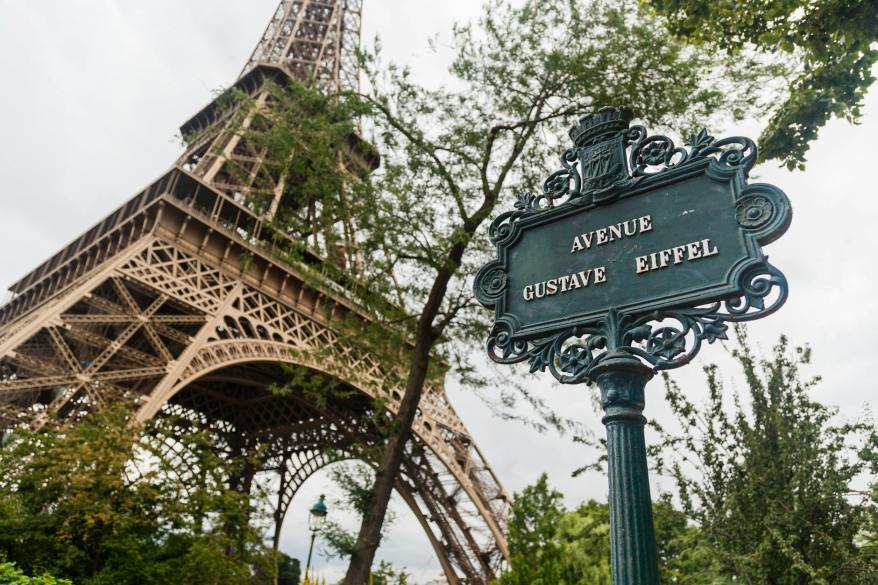
31 marzo 1889: inaugurata la Torre Eiffel tra critiche feroci e un destino inaspettato
🇮🇹Il 31 marzo 1889 segna una data destinata a cambiare per sempre il volto di Parigi e dell’immaginario collettivo globale: viene inaugurata la Torre Eiffel, l’opera più audace e discussa del suo tempo… 🇬🇧March 31, 1889 marks a date destined to change the face of Paris and the global collective imagination forever: the Eiffel Tower,…
-
Sodoma in mostra a Torino: il Rinascimento al Museo Accorsi-Ometto
🇮🇹Al Museo di Arti Decorative Accorsi-Ometto arriva una mostra dedicata al Sodoma: oltre 50 opere, alcune mai viste prima, raccontano la formazione dell’artista e il suo dialogo con maestri come Pinturicchio… 🇬🇧An exhibition dedicated to Sodoma arrives at the Accorsi-Ometto Museum of Decorative Arts: over 50 works, some never before seen, recount the artist’s development…
-
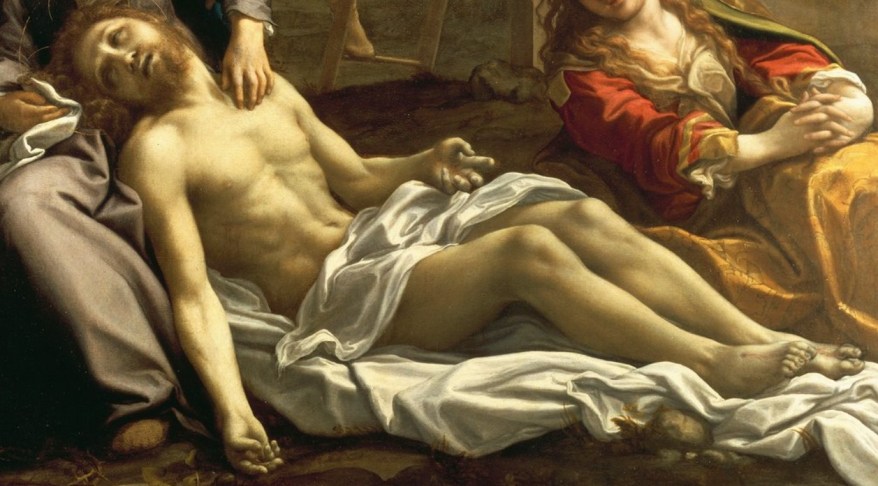
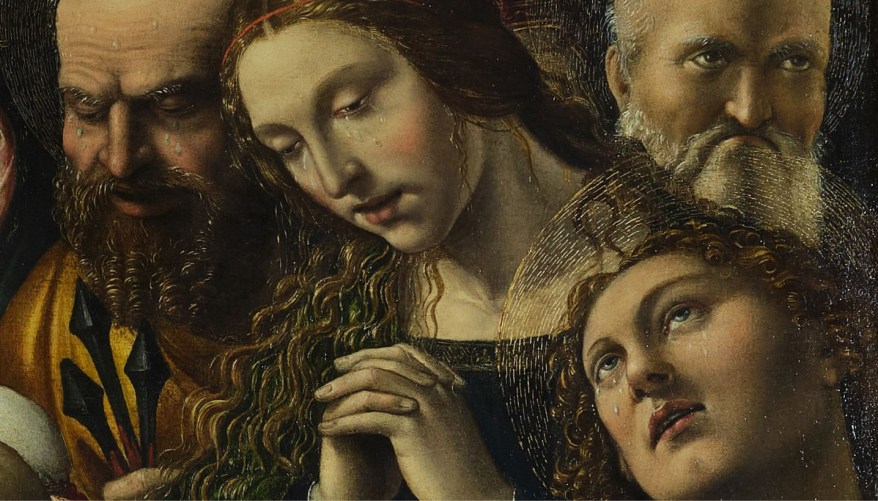
Il Compianto sul Cristo morto di Correggio: pathos e devozione
🇮🇹Con l’inizio della Settimana Santa, vi propongo il Compianto sul Cristo morto di Antonio Allegri, più noto come il Correggio: uno dei vertici assoluti della pittura emiliana del Cinquecento… 🇬🇧With the beginning of Holy Week, I propose the Lamentation over the Dead Christ by Antonio Allegri, better known as Correggio: one of the absolute peaks…
Condividi:


Questo sono io





sostienici

Sostienici – Support Us
Se questo blog ti piace e ti appassiona, puoi aiutarci a farlo crescere sempre più sostenendoci in modo concreto condividendo i post, seguendo le pagine social e con un contributo che ci aiuta ad andare avanti con il nostro lavoro di divulgazione. . ENGLISH: If you like and are passionate about this blog, you can help us make it grow more and more by supporting us in a concrete way by sharing posts, following social pages and with a contribution that helps us to move forward with our dissemination work.
€10,00


1 commento »