

La Scultura del giorno: il Tavolo Demidoff del Bartolini
Il 7 gennaio del 1777 nella cittadina di Savignano, in provincia di Prato, nasceva lo scultore Lorenzo Bartolini.
Per rendergli omaggio in questa giornata dedicata al suo compleanno, vi propongo il Tavolo Demidoff, scolpito da lui nel 1845.

Fu il conte Anatoly Nicolaevich Demidoff a commissionare il singolare tavolo all’artista toscano.
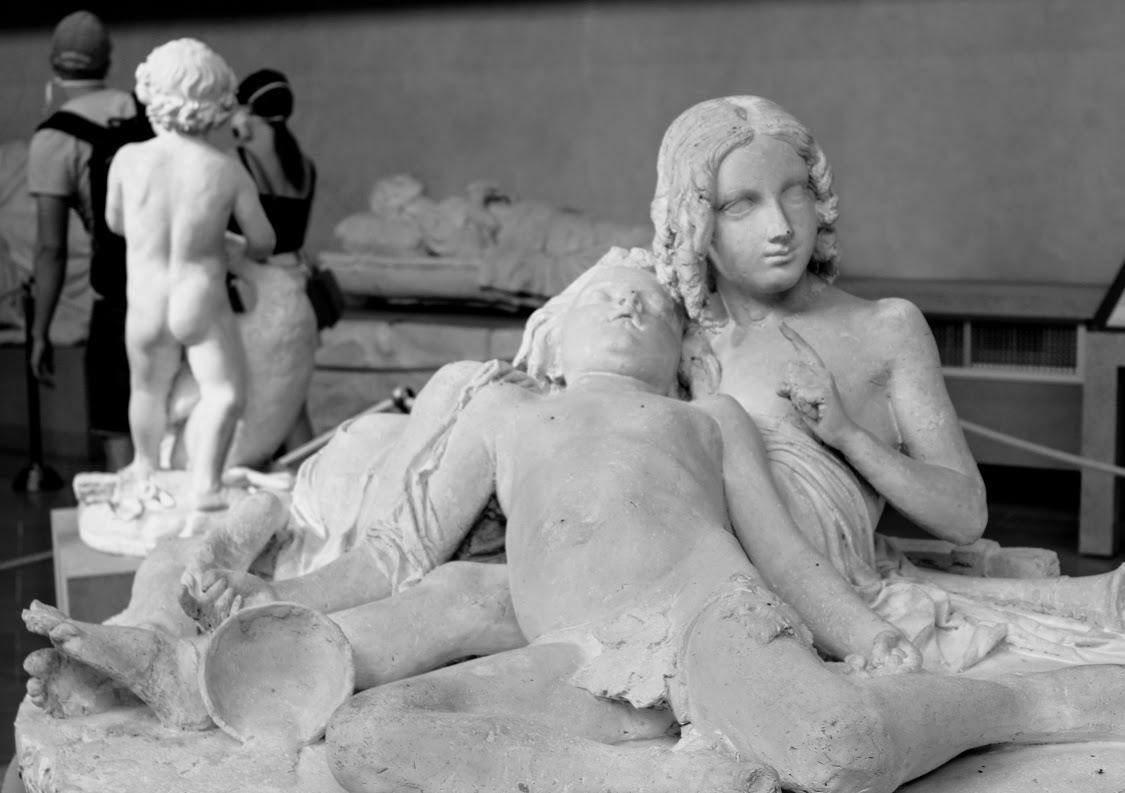
Il soggetto raffigurato è una complessa allegoria cosmologica che Bartolini stesso volle così descrivere: “Steso sul piano del mondo c’è Cupido, dio della generazione, che sostiene e veglia sul genio simbolico della ricchezza dissoluta senza virtù, che russa nel sonno, sognando passati passatempi di piacere.
Lasciato a se stesso, il genio dell’ambiziosa rettitudine nel lavoro dorme il sonno agitato della sfortuna e della gloria, la sua testa si estende oltre la periferia del mondo.”

l tema dell’opera fu tratto dallo scultore dalla IV, V e VII satira del Traitè du Sublime di Nicolas Boileau-Despréaux.
Il tavolo è decorato con tutti i segni zodiacali per simulare la sfera celeste.
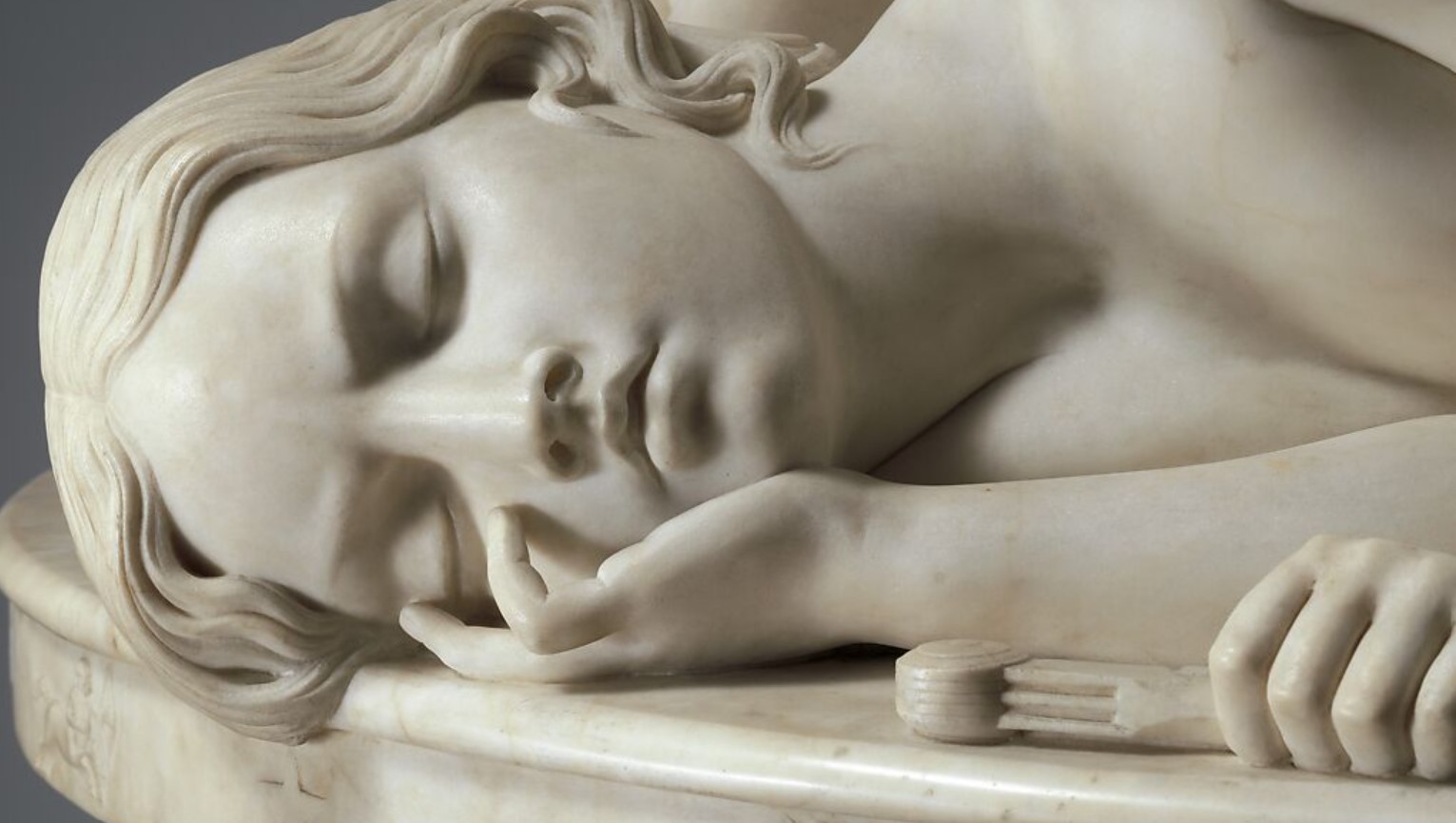
I tre giovani protagonisti scolpiti a grandezza naturale, sebbene abbiano i tratti dei loro volti molto idealizzati, a chi li osserva danno la sensazione di essere bambini reali, divenuti pietra per il tocco di Medusa.
Ogni ricciolo, piega della carneo postura è ripresa dal vero e niente è lasciato al caso.

Il complesso scultoreo, fu proposto nel 1870 a Parigi all’asta Demidoff e prontamente acquistato dal duca di Loubat che successivamente lo donò al Metropolitan Museum nel 1903, dove tutt’oggi si trova.
L’artista volle apporre la sua firma sul marmo incidendo in corsivo la dicitura “Di commissione del principe Anatolis Demidoff, Bartolini fece. 1845 Firenze”.

Per il momento il vostro Michelangelo Buonarroti vi saluta dandovi appuntamento ai prossimi post e sui social.
Sculpture of the day: Bartolini’s Demidoff Table
On 7 January 1777, the sculptor Lorenzo Bartolini was born in the town of Savignano, in the province of Prato.
To pay homage to him on this day dedicated to his birthday, I propose the Demidoff Table, sculpted by him in 1845.
It was Count Anatoly Nicolaevich Demidoff who commissioned the singular table from the Tuscan artist.
The subject depicted is a complex cosmological allegory that Bartolini himself wanted to describe as follows: “Lying on the plane of the world is Cupid, god of generation, who supports and watches over the symbolic genius of dissolute wealth without virtue, who snores in his sleep, dreaming of past pleasure pastimes.
Left to himself, the genius of ambitious righteousness in work sleeps the troubled sleep of misfortune and glory, his head extending beyond the periphery of the world.”
The theme of the work was taken by the sculptor from the IV, V and VII satire of the Traitè du Sublime by Nicolas Boileau-Despréaux.
The table is decorated with all the zodiac signs to simulate the celestial sphere.
The three young protagonists, sculpted in life-size, although their facial features are very idealised, give those who observe them the sensation of being real children, turned to stone by the touch of Medusa.
Every curl, fold of the flesh or posture is taken from life and nothing is left to chance.
The sculptural complex was proposed in 1870 in Paris at the Demidoff auction and promptly purchased by the Duke of Loubat who subsequently donated it to the Metropolitan Museum in 1903, where it is still located today.
The artist wanted to place his signature on the marble by engraving in italics the words “Commissioned by Prince Anatolis Demidoff, Bartolini made. 1845 Florence”.
The original plaster model of this masterpiece is kept in the Bartolini Gypsoteca inside the Galleria dell’Accademia in Florence.
For the moment, your Michelangelo Buonarroti greets you and will meet you in future posts and on social media.

Sostienici – Support Us
Se questo blog ti piace e ti appassiona, puoi aiutarci a farlo crescere sempre più sostenendoci in modo concreto condividendo i post, seguendo le pagine social e con un contributo che ci aiuta ad andare avanti con il nostro lavoro di divulgazione. . ENGLISH: If you like and are passionate about this blog, you can help us make it grow more and more by supporting us in a concrete way by sharing posts, following social pages and with a contribution that helps us to move forward with our dissemination work.
8,00 €
-
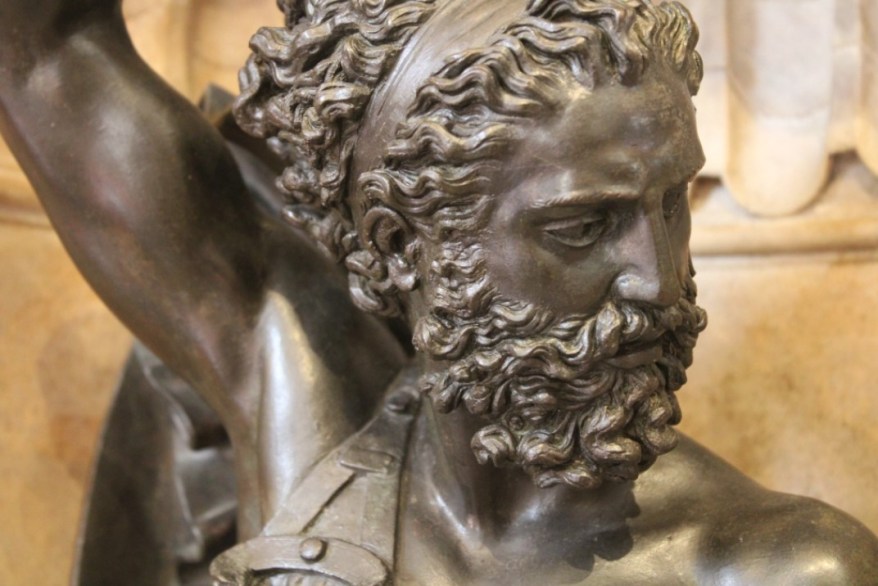
Al via il restauro del basamento del Perseo al Bargello con un cantiere visibile al pubblico
🇮🇹Al Museo Nazionale del Bargello prende il via il restauro del basamento del Perseo di Benvenuto Cellini. Il cantiere sarà visibile al pubblico… 🇬🇧The restoration of the base of Benvenuto Cellini’s Perseus begins at the Bargello National Museum. The work will be open to the public…
-
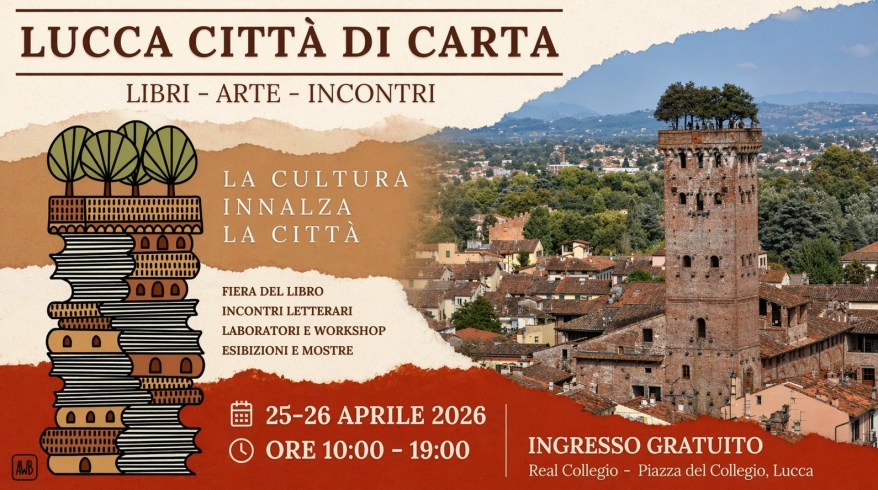
Lucca Città di Carta 2026: il 25 e 26 aprile tra libri, arte e creatività
🇮🇹Lucca profuma di carta, storie e creatività. Sabato 25 e domenica 26 aprile torna uno degli appuntamenti culturali più originali della Toscana: il festival Lucca Città di Carta, che animerà gli spazi del Real Collegio di Lucca con un ricco programma… 🇬🇧Lucca smells of paper, stories, and creativity. On Saturday, April 25th and Sunday, April…
-
Frammento dell’Iliade in una mummia in Egitto: scoperta straordinaria a Oxyrhynchus
🇮🇹Ritrovato a Oxyrhynchus un papiro con il “Catalogo delle navi” di Omero inserito intenzionalmente in un rituale di mummificazione: un caso unico nel mondo antico… 🇬🇧A papyrus containing Homer’s “Catalogue of Ships” intentionally inserted into a mummification ritual was found in Oxyrhynchus: a unique case in the ancient world…
Condividi:


Questo sono io





sostienici

Sostienici – Support Us
Se questo blog ti piace e ti appassiona, puoi aiutarci a farlo crescere sempre più sostenendoci in modo concreto condividendo i post, seguendo le pagine social e con un contributo che ci aiuta ad andare avanti con il nostro lavoro di divulgazione. . ENGLISH: If you like and are passionate about this blog, you can help us make it grow more and more by supporting us in a concrete way by sharing posts, following social pages and with a contribution that helps us to move forward with our dissemination work.
€10,00


🤍🤍
"Mi piace"Piace a 1 persona