

La Battaglia dei Centauri: la lettura della scena
Riuscire a leggere la scena concitata della Battaglia dei Centauri a prima vista non è cosa semplice. L’intricato intreccio di corpi, osservandolo meglio, permette di essere visto con una logica ben precisa.
Al centro del bassorilievo si erge la figura principale con il braccio destro piegato dietro il capo, assumendo una posizione che più che di difesa sembra d’attacco. Sembra stia per sferrare un colpo verso il basso per infierire sul lapito nemico con l’oggetto che tiene stretto in mano.
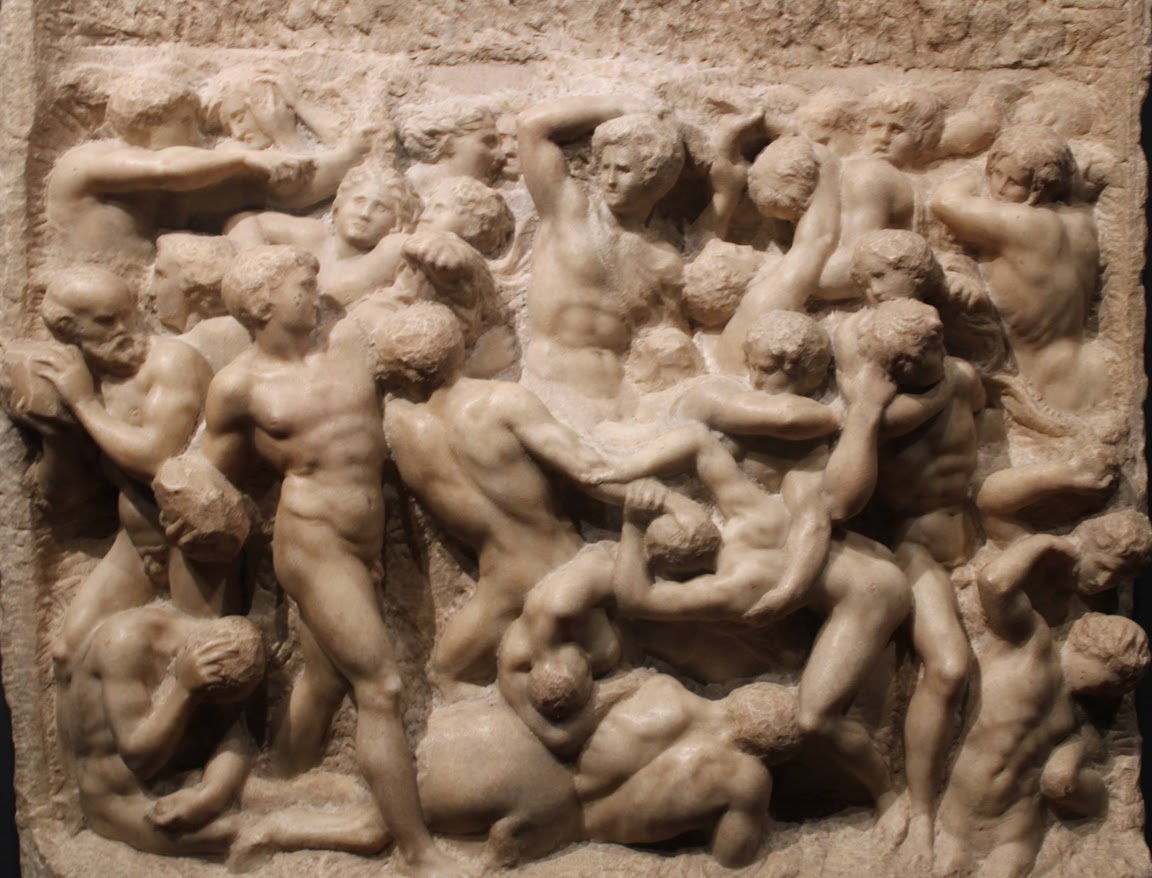
Guardando a sinistra noterete che si sta avvicinando al capo dei centauri un giovane che sta caricando con la mano destra una grossa pietra. Probabilmente l’avrà vinta chi attaccherà per primo e riuscirà ad atterrare l’altro.
L’uomo in posizione centrale può essere indentificato come Eurito mentre l’altro con il sasso in mano è Ercole, come suggerisce in modo corretto anche il Vasari.
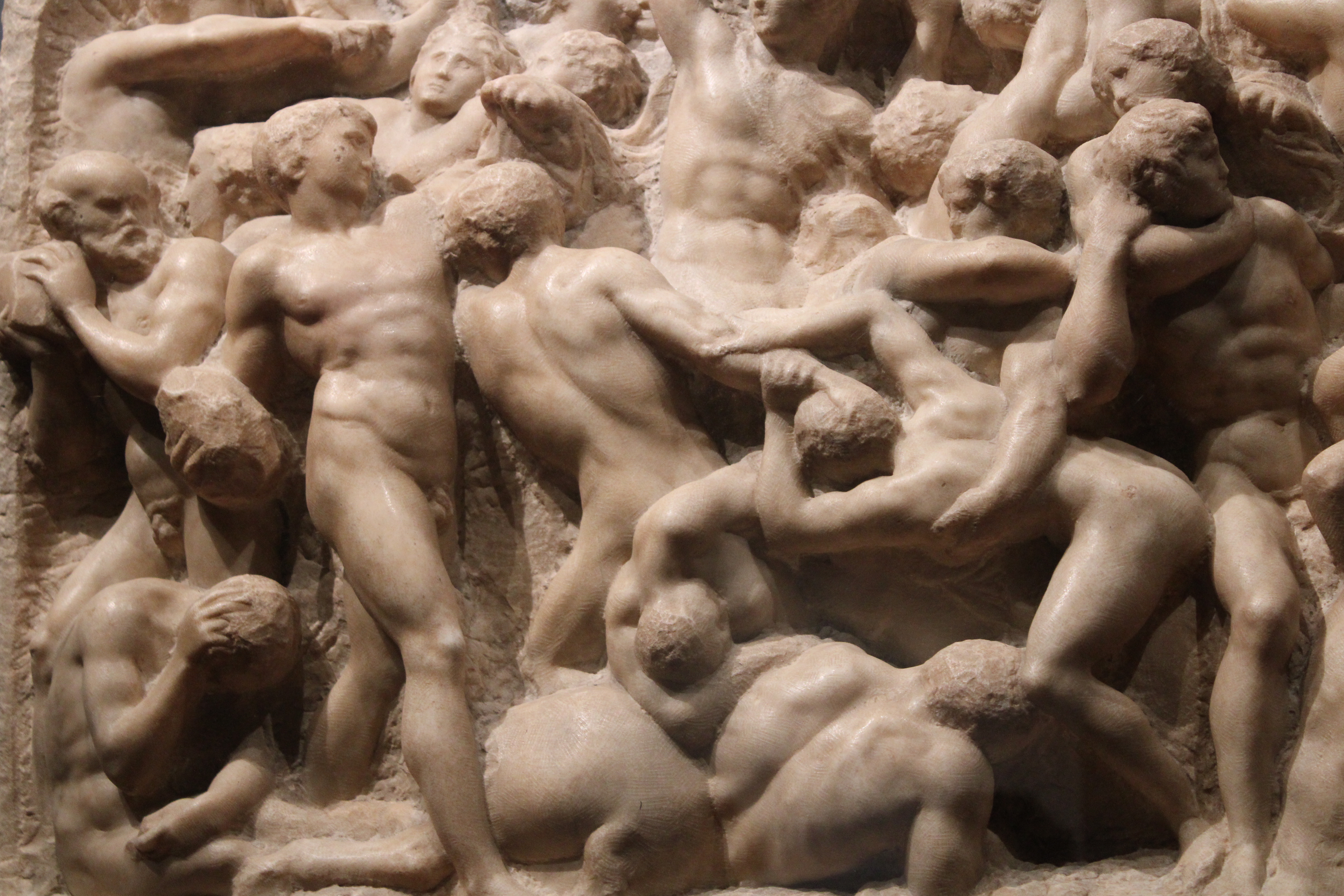
I due protagonisti si scontrano trascinando nella lotta chi parteggia per loro. Il motivo della contesa è Deianira che appare di spalle e che viene letteralmente tirata da due parti opposte da due uomini.
E’ la figura con la schiena piegata che viene tirata verso sinistra dalla parte del capo e verso destra da un braccio maschile posizionato all’altezza del seno.
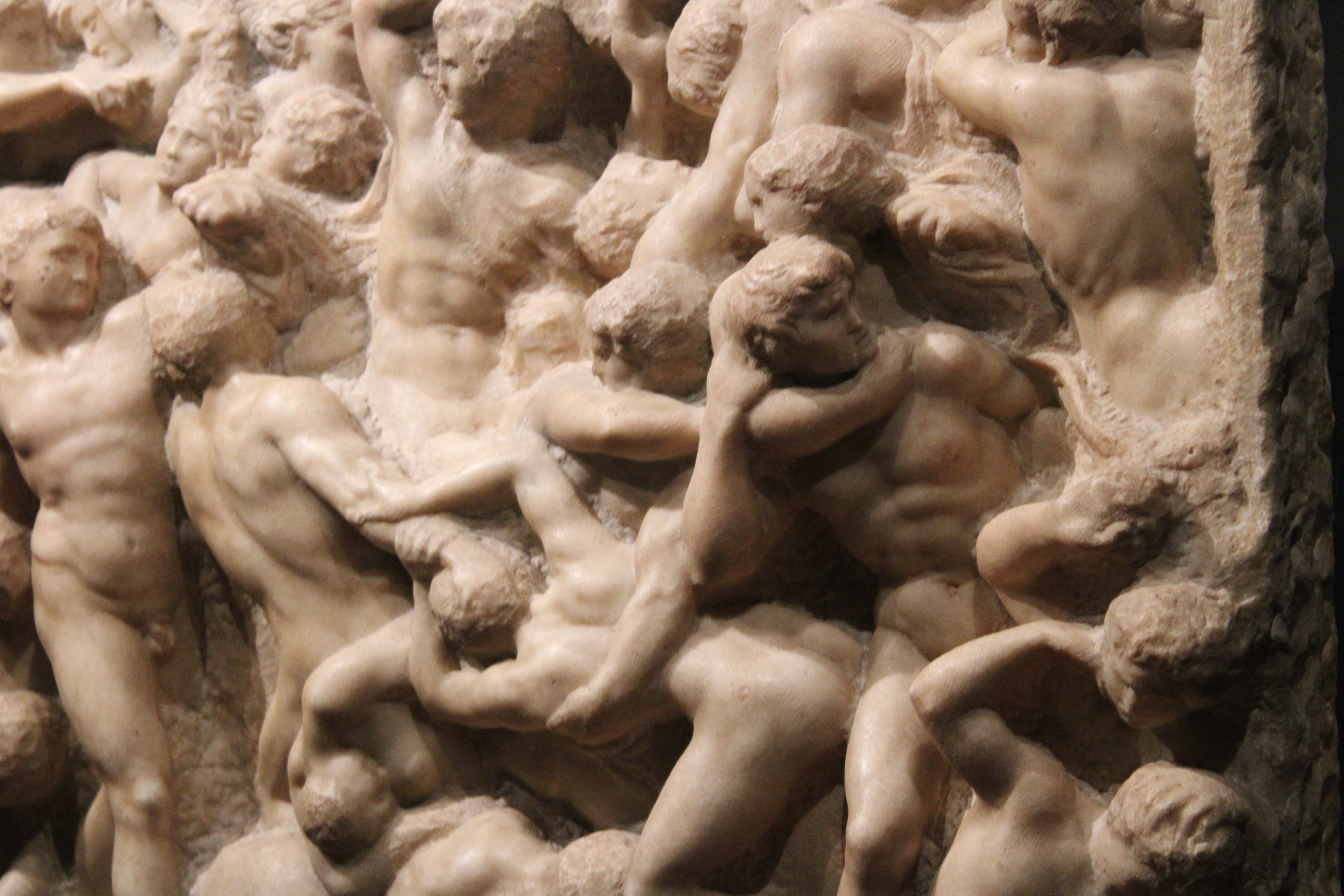
Immediatamente sotto la donna si vede un centauro a terra oramai vinto che probabilmente allude alla sconfitta finale proprio dei centauri.
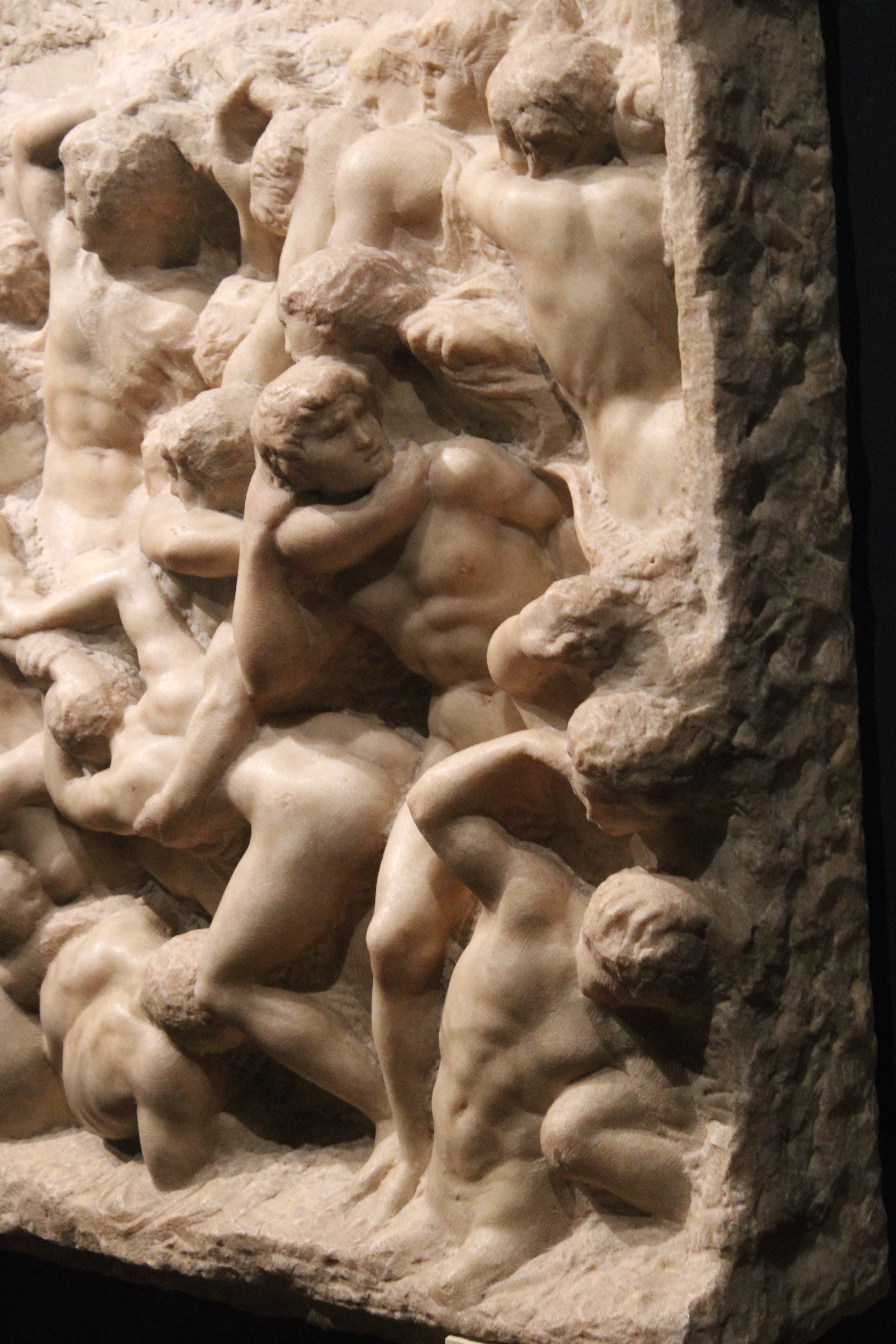
Tutt’attorno imperversa la lotta fra le due fazioni avverse che combattono con pietre e bastoni: le pietre sono usate dai lapiti mentre i bastoni dai centauri.
Come scrisse il Condivi, il poeta Poliziano alla corte del Magnifico aveva recitato più volte le differenti versioni del ratto di Deianira, moglie di Ercole e le battaglie dei centauri raccontate da Ovidio ma anche da altri antichi scrittori. Quelle parole mi erano entrate in mente e forse, anche s suggerimento dello stesso Poliziano, scelsi di raffigurare quei momenti immortalandoli per sempre nel marmo.
Per il momento il vostro Michelangelo Buonarroti vi saluta dandovi appuntamento ai prossimi post e sui social.

The Battle of the Centaurs: reading the scene
Being able to read the excited scene of the Battle of the Centaurs at first sight is not easy. The intricate intertwining of bodies, observing it better, allows it to be seen with a very precise logic.
At the center of the scene stands the main figure with his right arm bent behind his head, assuming a position that appears to be one of attack rather than defense. He seems to be about to launch a downward blow to attack the enemy with the object he holds tightly in his hand.
Looking to the left you will notice that the young man who is loading a large stone with his right hand is approaching him, identifiable as the leader of the centaurs. The one who attacks first and manages to land the other will probably win.
The man in the central position can be identified as Eurytus while the other with the stone in his hand can be seen as Hercules, as Vasari also correctly suggests.
The two protagonists clash, dragging those who side with them into the fight. The reason for the dispute is Deianira who appears from behind and who is literally pulled from two opposite sides by two men.
It is the figure with a bent back that is pulled to the left by the head and to the right by a male arm positioned at breast height.
Immediately below the woman we see a centaur on the ground now defeated which probably alludes to the final defeat of the centaurs.
All around the fight rages between the two opposing factions who fight with stones and sticks: the stones are used by the Lapiths while the sticks by the centaurs.
As Condivi wrote, the poet Poliziano at the court of the Magnificent had recited several times the different versions of the rape of Deianira, wife of Hercules and the battles of the centaurs told by Ovid but also by other ancient writers. Those words had entered my mind and perhaps, also at the suggestion of Poliziano himself, I chose to depict those moments immortalizing them forever in marble.
For the moment, your Michelangelo Buonarroti greets you and will meet you in future posts and on social media.

Sostienici – Support Us
Se questo blog ti piace e ti appassiona, puoi aiutarci a farlo crescere sempre più sostenendoci in modo concreto condividendo i post, seguendo le pagine social e con un contributo che ci aiuta ad andare avanti con il nostro lavoro di divulgazione. . ENGLISH: If you like and are passionate about this blog, you can help us make it grow more and more by supporting us in a concrete way by sharing posts, following social pages and with a contribution that helps us to move forward with our dissemination work.
8,00 €
-
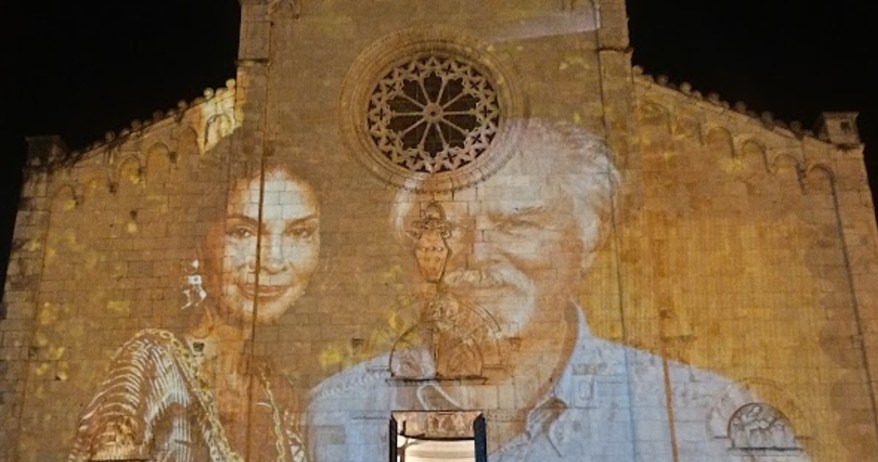
Pietrasanta: un museo per Fernando Botero
🇮🇹Pietrasanta prepara un museo dedicato a Fernando Botero con circa 90 bozzetti a Palazzo Panichi. Il legame con la città che lo nominò cittadino onorario nel 2001… 🇬🇧Pietrasanta is preparing a museum dedicated to Fernando Botero, featuring around 90 sketches at Palazzo Panichi. This reflects his connection to the city, which named him an honorary…
-
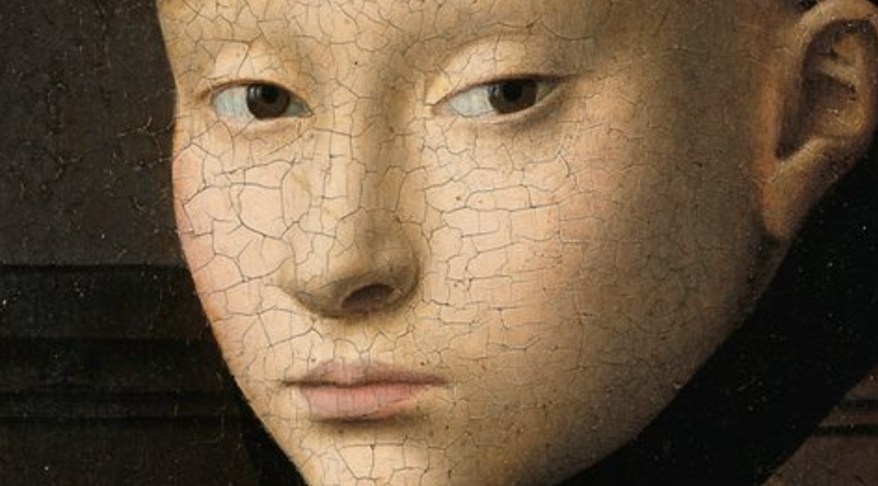
Il ritratto enigmatico di Petrus Christus
🇮🇹Chi è la giovane ritratta da Petrus Christus? Un volto misterioso, abiti preziosi e la luce del capolavoro fiammingo del 1470… 🇬🇧Who is the young woman portrayed by Petrus Christus? A mysterious face, exquisite attire, and the light of a Flemish masterpiece from 1470…
-
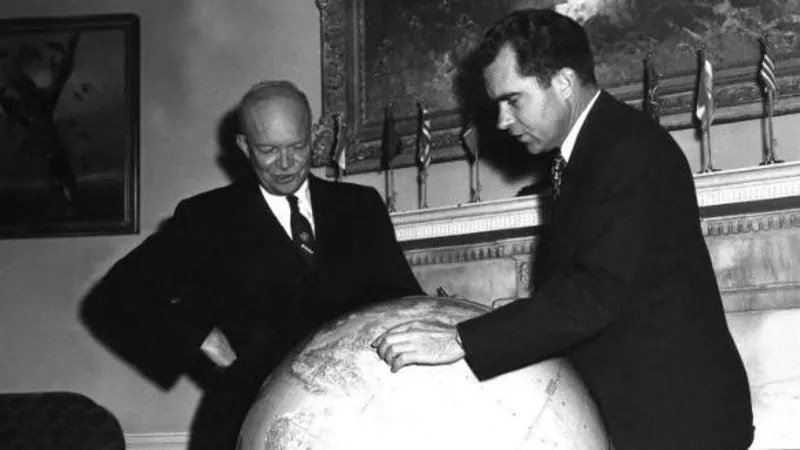
Pentagono, danneggiato il mappamondo legato a Eisenhower: era destinato all’ufficio di Hegseth
🇮🇹Il mappamondo di Eisenhower, cimelio della Seconda guerra mondiale conservato al Pentagono, è stato danneggiato durante un tentativo di trasferimento nell’ufficio di Pete Hegseth… 🇬🇧Eisenhower’s globe, a World War II relic kept at the Pentagon, was damaged during an attempt to move it to Pete Hegseth’s office…
Condividi:


Questo sono io




sostienici

Sostienici – Support Us
Se questo blog ti piace e ti appassiona, puoi aiutarci a farlo crescere sempre più sostenendoci in modo concreto condividendo i post, seguendo le pagine social e con un contributo che ci aiuta ad andare avanti con il nostro lavoro di divulgazione. . ENGLISH: If you like and are passionate about this blog, you can help us make it grow more and more by supporting us in a concrete way by sharing posts, following social pages and with a contribution that helps us to move forward with our dissemination work.
€10,00


