

Van Dyck, Le Quattro Età dell’Uomo: il capolavoro sulla vita e sulla morte
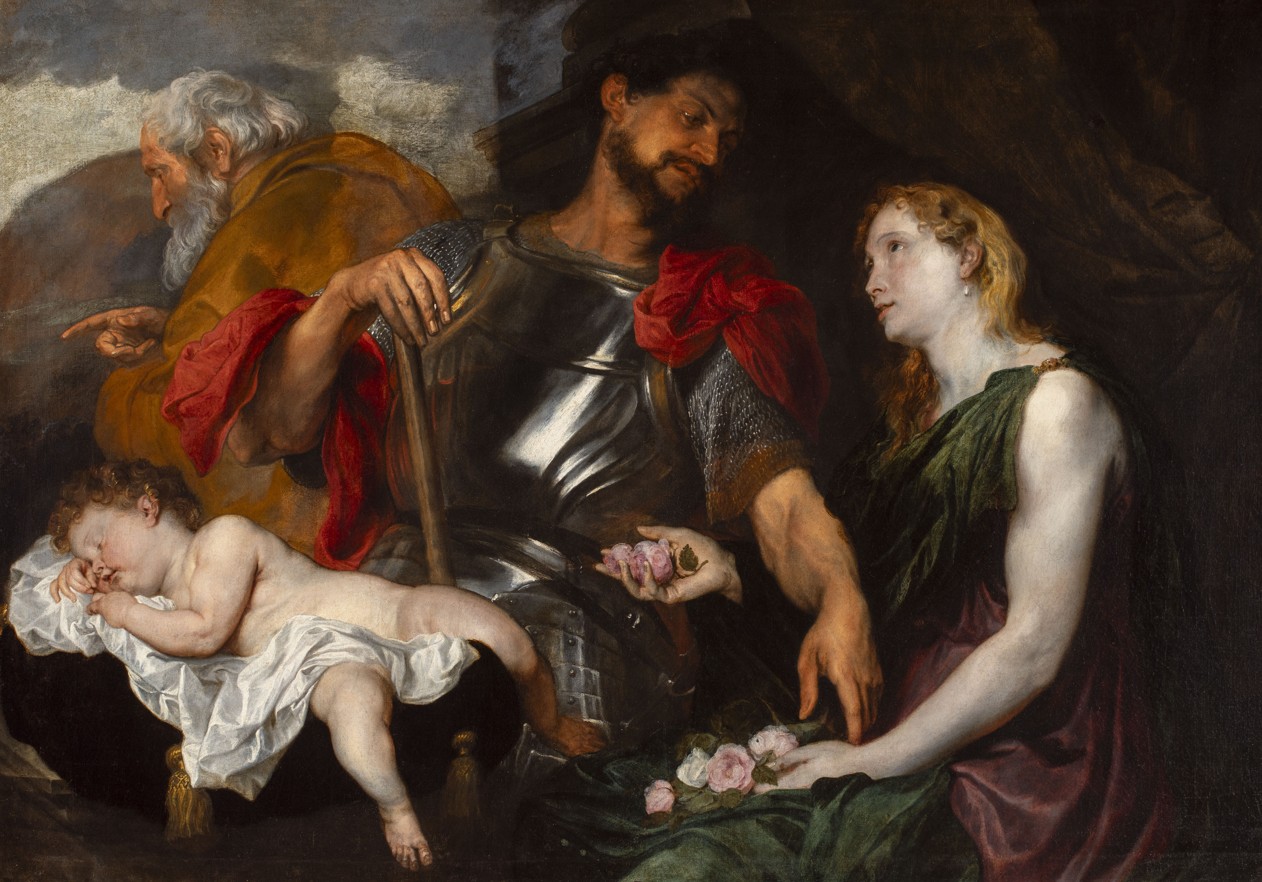
Le Quattro Età dell’Uomo di Anthony Van Dyck è uno dei vertici della produzione italiana del grande pittore fiammingo e racchiude un messaggio universale sul tempo, sulla fragilità dell’esistenza e sul destino inevitabile dell’uomo.
L’opera venne probabilmente realizzata tra il 1625 e il 1626. Ogni dettaglio sembra invitare lo spettatore a riflettere sul significato della vita, sul trascorrere degli anni e sul rapporto tra bellezza e caducità.
Il viaggio in Italia che trasformò Van Dyck
Quando Anthony Van Dyck arrivò in Italia nel 1621 era già considerato uno dei talenti più promettenti delle Fiandre. Formatosi nella bottega di Peter Paul Rubens, il giovane pittore intraprese un lungo viaggio di studio che lo portò a confrontarsi con i grandi maestri del Rinascimento italiano.
Venezia, Roma, Palermo, Genova, Mantova e Vicenza divennero tappe fondamentali della sua formazione artistica. Proprio a Vicenza il pittore si fermò durante il tragitto che da Venezia lo conduceva alla corte dei Gonzaga di Mantova, assimilando quella cultura figurativa veneta fatta di luce, poesia e colore che avrebbe lasciato un segno profondo nella sua pittura.
È in questo contesto che nacque uno dei suoi dipinti più misteriosi e affascinanti.
Un’allegoria della vita che parla ancora al pubblico di oggi
A un primo sguardo il dipinto sembra raccontare semplicemente il ciclo dell’esistenza umana. In realtà Van Dyck costruisce una narrazione molto più complessa.
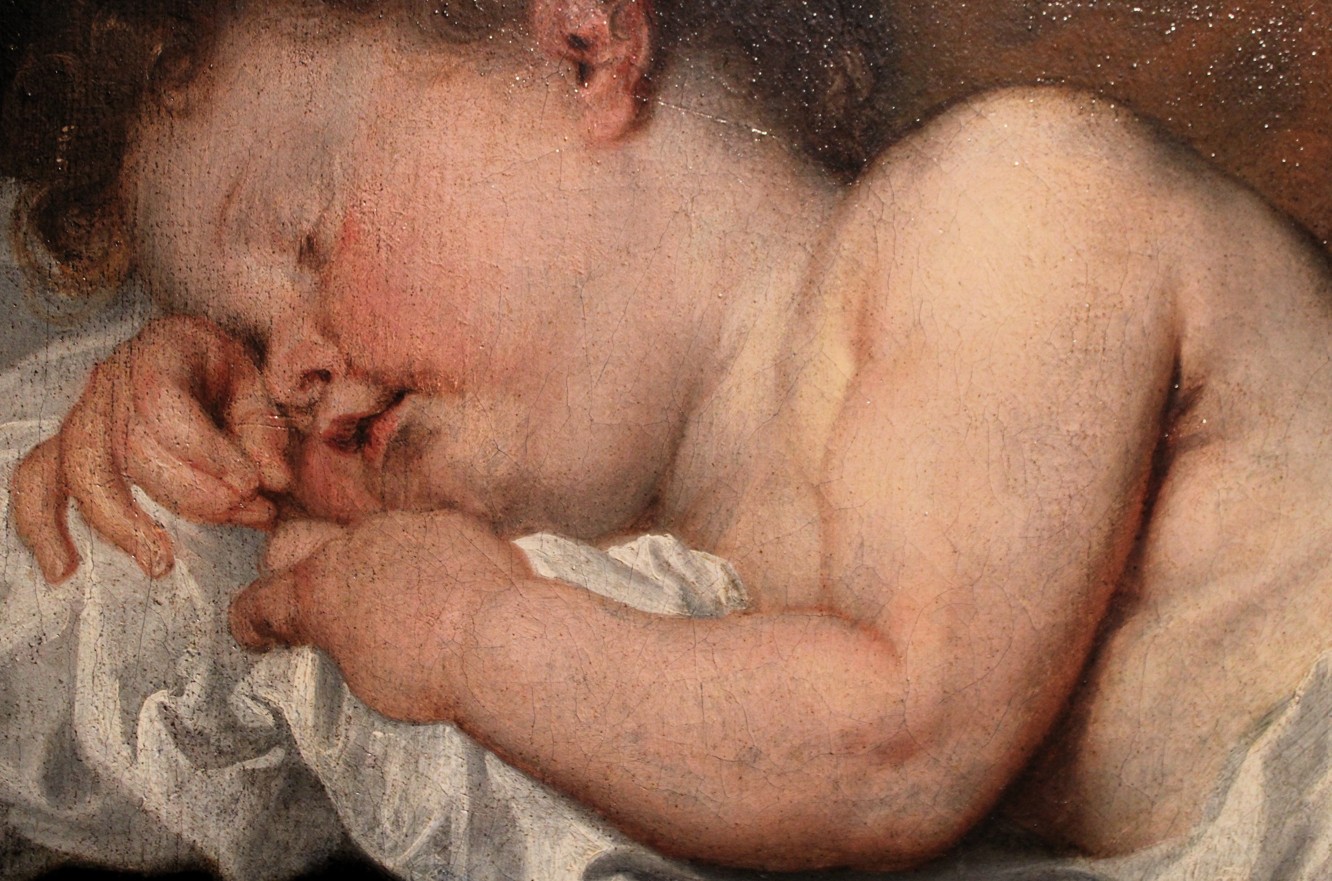
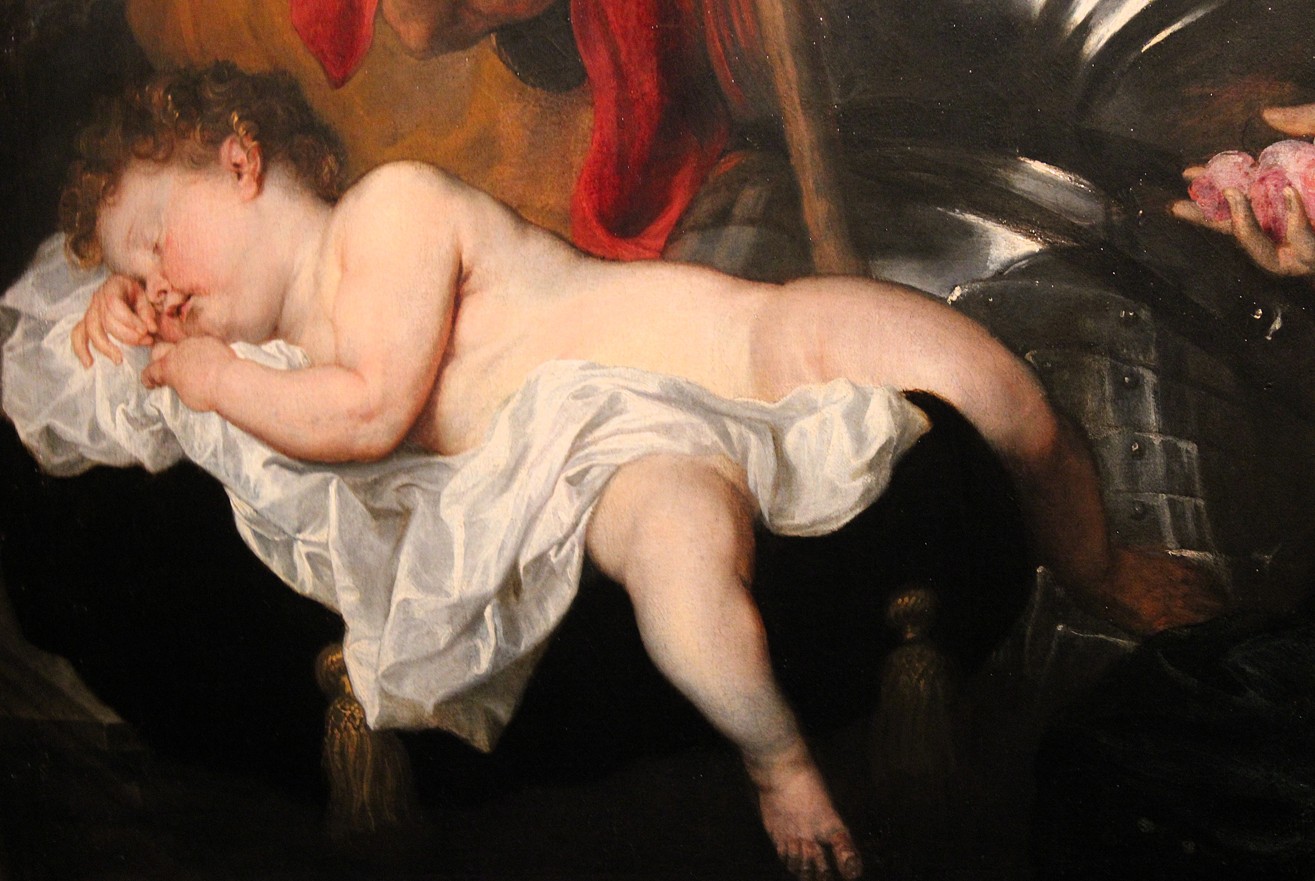
Il bambino addormentato rappresenta l’infanzia, la giovane donna incarna la stagione della giovinezza, mentre il guerriero allude alla maturità, il momento della forza, del desiderio e delle passioni. Sullo sfondo compare infine un vecchio che osserva la scena, simbolo della vecchiaia e dell’ultima fase della vita.
L’opera accompagna così lo spettatore lungo un percorso inevitabile, mostrando come ogni stagione dell’esistenza sia destinata a lasciare spazio alla successiva. Non c’è però alcun trionfalismo. Al contrario, il tono del dipinto è profondamente malinconico e invita a riflettere sul tempo che passa senza possibilità di ritorno.
Il significato nascosto: una potente Vanitas
È proprio nella simbologia che si nasconde il fascino più grande dell’opera. Molti studiosi leggono infatti il dipinto come una raffinata Vanitas, uno dei temi più amati dalla cultura barocca.
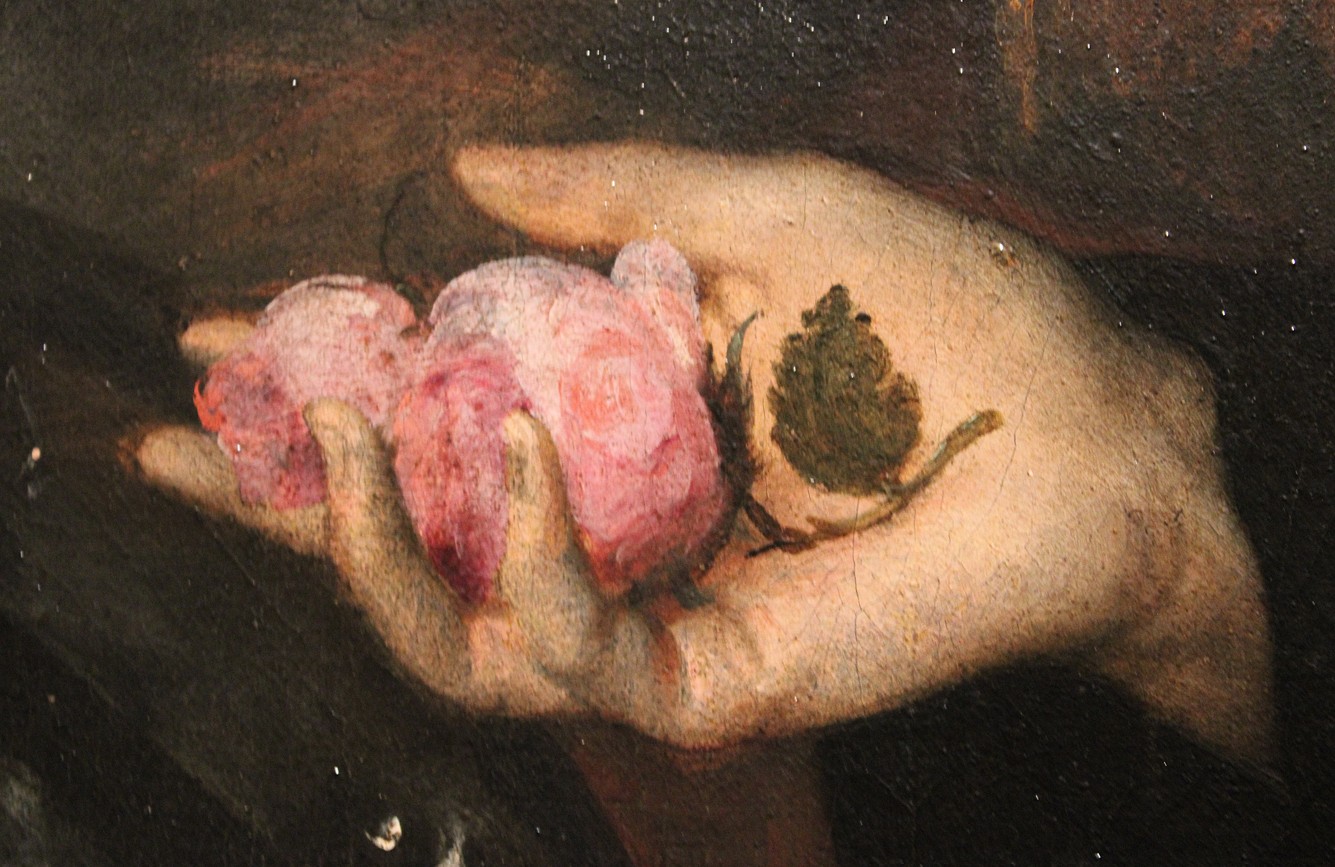
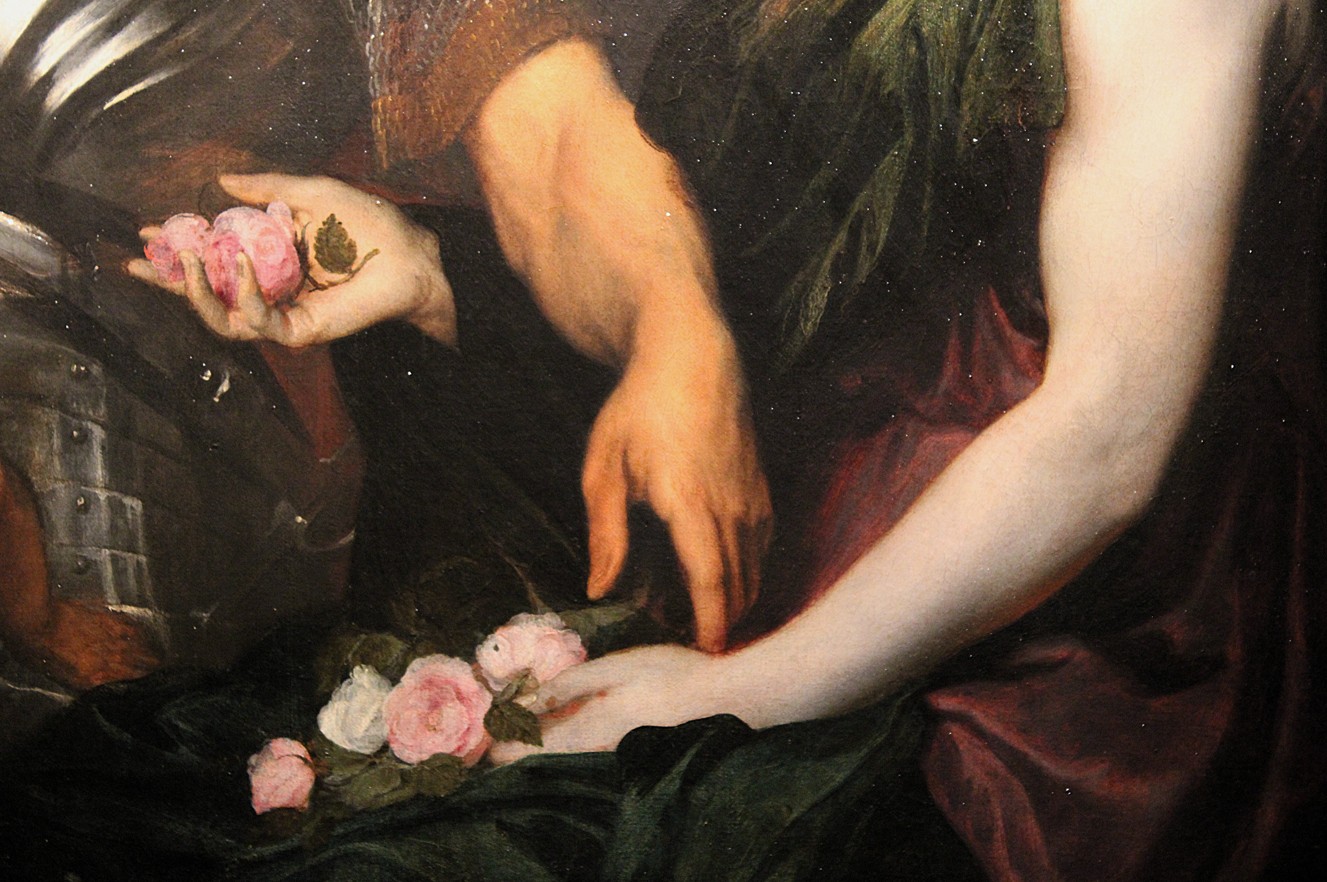
Le rose recise che la giovane tiene tra le mani non rappresentano soltanto la bellezza, ma ricordano quanto essa sia fragile e destinata ad appassire. Il bambino addormentato assume invece un significato ambiguo: può essere simbolo della nascita, ma anche anticipazione della morte, in un continuo dialogo tra inizio e fine dell’esistenza.
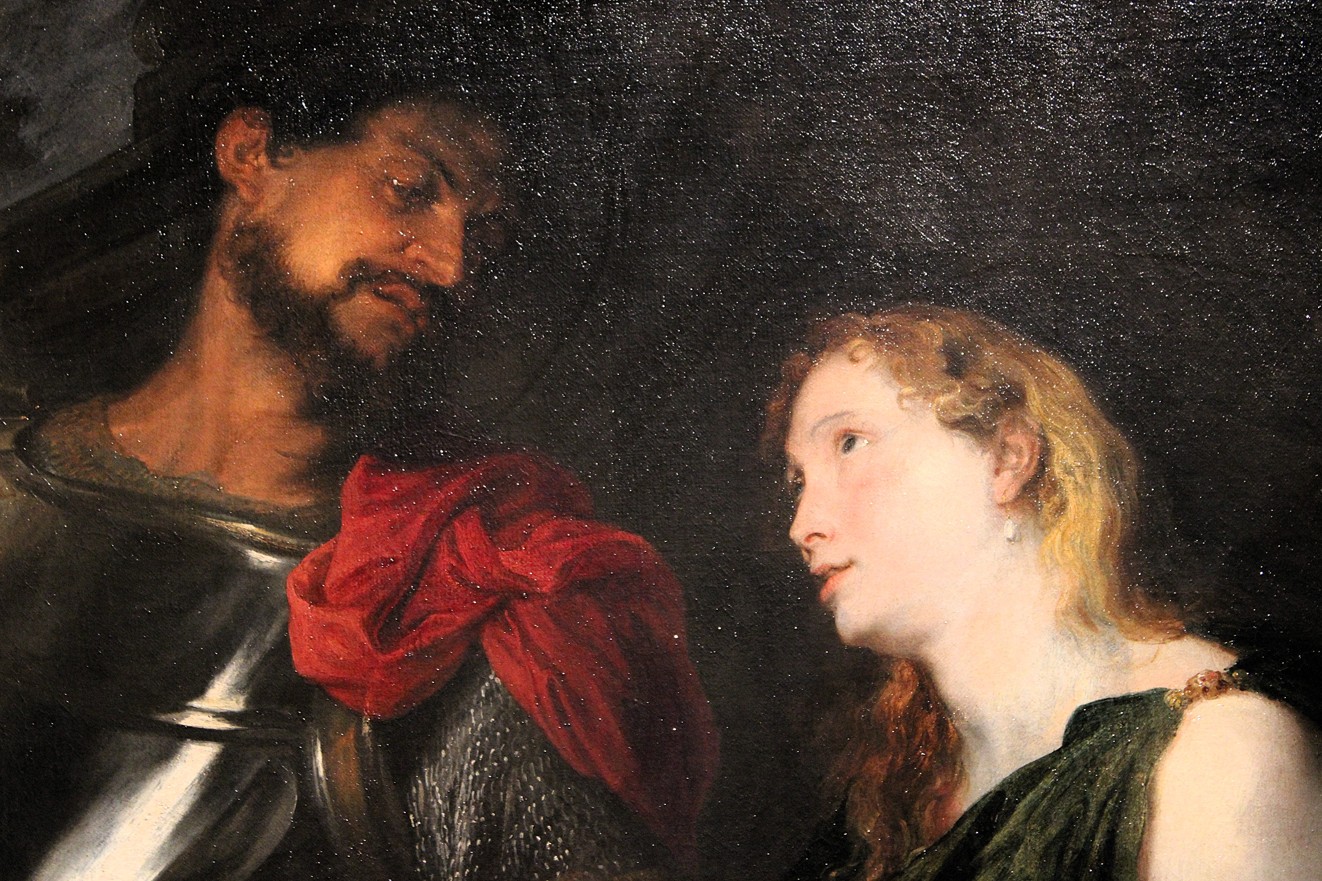
Anche il gesto del guerriero acquista un valore simbolico. La sua mano sembra indicare proprio quei fiori destinati a sfiorire, quasi a ricordare che forza, giovinezza e fascino non possono resistere allo scorrere del tempo. Sullo sfondo il vecchio, con il dito rivolto oltre la scena, sembra invitare l’osservatore a guardare oltre la dimensione terrena, aggiungendo alla composizione un significato morale e spirituale.
Il risultato è una meditazione silenziosa sul destino dell’uomo, capace ancora oggi di emozionare chiunque si fermi davanti alla tela.
C’è anche una lettura mitologica del capolavoro
L’allegoria delle età della vita non è però l’unica interpretazione proposta dagli studiosi. Secondo un’altra affascinante lettura iconografica, i protagonisti del dipinto rappresenterebbero alcune delle più celebri divinità del mondo classico.
Il bambino diventerebbe Cupido, la giovane donna sarebbe Venere, il guerriero rappresenterebbe Marte e il vecchio sullo sfondo assumerebbe le sembianze di Vulcano, marito tradito della dea della bellezza.
Questa doppia chiave di lettura rende il dipinto ancora più ricco di significati e testimonia la straordinaria cultura figurativa di Van Dyck, capace di fondere allegoria morale, filosofia e mitologia in un’unica composizione.
La lunga storia del dipinto: dai Gonzaga al museo di Vicenza
La storia dell’opera è altrettanto affascinante quanto il suo significato.
La prima testimonianza documentaria risale al 1665, quando il dipinto compare nell’inventario della prestigiosa collezione di Carlo II Gonzaga-Nevers, duca di Mantova. La tela era custodita nel Palazzo Ducale insieme a numerosi altri lavori di Van Dyck, segno della grande considerazione di cui il maestro godeva già pochi decenni dopo la sua morte.
Dopo la caduta dell’ultimo duca Gonzaga, Ferdinando Carlo, il dipinto seguì le vicende della dispersione delle collezioni ducali. Passò per Padova all’inizio del Settecento, fu inserito tra le opere messe in vendita dai creditori del duca e successivamente entrò nella raccolta della famiglia Porto Godi di Vicenza.
Fu proprio questa famiglia, nel 1826, a donare il dipinto al Museo Civico di Palazzo Chiericati, dove ancora oggi rappresenta uno dei capolavori più preziosi della collezione.
Dove fu dipinto? Un mistero ancora irrisolto
Nonostante le numerose ricerche condotte negli ultimi decenni, gli studiosi non sono ancora riusciti a stabilire con certezza il luogo in cui Van Dyck realizzò il dipinto.
Le ipotesi più accreditate oscillano tra Roma, Napoli, Palermo e Genova, città frequentate dall’artista durante il suo soggiorno italiano. Anche se la questione rimane aperta, la maggior parte degli storici concorda nel collocare la realizzazione dell’opera tra il 1625 e il 1626, uno dei momenti più fecondi della sua esperienza italiana.
L’influenza di Giorgione e Tiziano
Osservando la tela emerge con forza il dialogo che Van Dyck instaurò con la grande tradizione veneziana.
L’atmosfera sospesa, la costruzione poetica della scena e il tono meditativo richiamano infatti le invenzioni di Giorgione e Tiziano, artisti che il pittore ebbe modo di studiare durante il suo viaggio in Italia.
Alcuni studiosi ritengono addirittura che Van Dyck abbia reinterpretato una perduta allegoria di Giorgione dedicata al destino dell’uomo, trasformandola in una riflessione ancora più intensa sulla caducità dell’esistenza.
Per il momento il sempre vostro Michelangelo Buonarroti vi saluta dandovi appuntamento ai prossimi post e sui social.
Van Dyck, The Four Ages of Man: A Masterpiece on Life and Death
Anthony Van Dyck’s The Four Ages of Man is one of the pinnacles of the great Flemish painter’s Italian production and conveys a universal message about time, the fragility of existence, and the inevitable destiny of humanity.
The work was likely created between 1625 and 1626. Every detail seems to invite the viewer to reflect on the meaning of life, the passing of time, and the relationship between beauty and transience.
The Journey to Italy That Transformed Van Dyck
When Anthony Van Dyck arrived in Italy in 1621, he was already considered one of Flanders’ most promising talents. Trained in the workshop of Peter Paul Rubens, the young painter embarked on a long study trip that brought him face-to-face with the great masters of the Italian Renaissance.
Venice, Rome, Palermo, Genoa, Mantua, and Vicenza became fundamental stages in his artistic development. The painter stopped in Vicenza on his way from Venice to the Gonzaga court in Mantua, absorbing the Venetian figurative culture of light, poetry, and color that would leave a profound mark on his painting.
It is in this context that one of his most mysterious and fascinating paintings was born.
An allegory of life that still speaks to today’s audience
At first glance, the painting seems to simply narrate the cycle of human existence. In reality, Van Dyck constructs a much more complex narrative.
The sleeping child represents childhood, the young woman embodies youth, while the warrior alludes to maturity, the time of strength, desire, and passion. Finally, in the background, an old man observes the scene, a symbol of old age and the final stage of life.
The work thus leads the viewer along an inevitable path, demonstrating how each stage of existence is destined to give way to the next. However, there is no triumphalism. On the contrary, the tone of the painting is profoundly melancholic and invites reflection on the irreversible passage of time.
The hidden meaning: a powerful Vanitas
It is precisely in its symbolism that the work’s greatest charm lies. Many scholars interpret the painting as a refined Vanitas, one of the most beloved themes of Baroque culture.
The cut roses the young woman holds in her hands not only represent beauty, but also remind us of its fragility and its destiny to wither. The sleeping child, on the other hand, takes on an ambiguous meaning: it could be a symbol of birth, but also an anticipation of death, in a continuous dialogue between the beginning and end of existence.
The warrior’s gesture also takes on symbolic value. His hand seems to point precisely to those flowers destined to fade, almost as if to remind us that strength, youth, and charm cannot resist the passage of time. In the background, the old man, with his finger pointing beyond the scene, seems to invite the viewer to look beyond the earthly dimension, adding a moral and spiritual meaning to the composition.
The result is a silent meditation on the destiny of man, still capable of moving anyone who stops before the canvas.
There is also a mythological interpretation of the masterpiece
The allegory of the ages of life is not the only interpretation proposed by scholars. According to another fascinating iconographic interpretation, the painting’s protagonists represent some of the most famous deities of the classical world.
The child is Cupid, the young woman is Venus, the warrior represents Mars, and the old man in the background takes on the appearance of Vulcan, the betrayed husband of the goddess of beauty.
This dual interpretation makes the painting even richer in meaning and demonstrates Van Dyck’s extraordinary figurative culture, capable of blending moral allegory, philosophy, and mythology in a single composition.
The painting’s long history: from the Gonzaga family to the Vicenza museum
The history of the work is as fascinating as its meaning.
The first documentary evidence dates back to 1665, when the painting appears in the inventory of the prestigious collection of Charles II Gonzaga-Nevers, Duke of Mantua. The canvas was housed in the Palazzo Ducale along with numerous other works by Van Dyck, a sign of the high regard the master enjoyed even a few decades after his death.
After the fall of the last Gonzaga duke, Ferdinando Carlo, the painting was dispersed through the ducal collections. It passed through Padua in the early 18th century, was included among the works put up for sale by the duke’s creditors, and subsequently entered the collection of the Porto Godi family of Vicenza.
It was this family who, in 1826, donated the painting to the Civic Museum of Palazzo Chiericati, where it remains one of the collection’s most valuable masterpieces.
Where was it painted? A mystery still unsolved
Despite extensive research conducted in recent decades, scholars have still not been able to establish with certainty where Van Dyck painted the painting.
The most widely accepted hypotheses range between Rome, Naples, Palermo, and Genoa, cities frequented by the artist during his stay in Italy. Although the question remains open, most historians agree that the work was created between 1625 and 1626, one of the most fruitful periods of his Italian experience.
The Influence of Giorgione and Titian
Looking at the canvas, the dialogue Van Dyck established with the great Venetian tradition is clearly evident.
The suspended atmosphere, the poetic construction of the scene, and the meditative tone recall the inventions of Giorgione and Titian, artists the painter studied during his trip to Italy.
Some scholars even believe that Van Dyck reinterpreted a lost allegory by Giorgione dedicated to the destiny of man, transforming it into an even more intense reflection on the transience of existence.
For now, yours truly, Michelangelo Buonarroti bids you farewell and invites you to join him in future posts and on social media.

Sostienici – Support Us
Se questo blog ti piace e ti appassiona, puoi aiutarci a farlo crescere sempre più sostenendoci in modo concreto condividendo i post, seguendo le pagine social e con un contributo che ci aiuta ad andare avanti con il nostro lavoro di divulgazione. . ENGLISH: If you like and are passionate about this blog, you can help us make it grow more and more by supporting us in a concrete way by sharing posts, following social pages and with a contribution that helps us to move forward with our dissemination work.
10,00 €
Condividi:


Questo sono io




sostienici

Sostienici – Support Us
Se questo blog ti piace e ti appassiona, puoi aiutarci a farlo crescere sempre più sostenendoci in modo concreto condividendo i post, seguendo le pagine social e con un contributo che ci aiuta ad andare avanti con il nostro lavoro di divulgazione. . ENGLISH: If you like and are passionate about this blog, you can help us make it grow more and more by supporting us in a concrete way by sharing posts, following social pages and with a contribution that helps us to move forward with our dissemination work.
€10,00


