
Quando El Greco avrebbe voluto distruggere il Giudizio Universale
El Greco volentieri avrebbe fatto distruggere il Giudizio Universale qualora avesse avuto potere decisionale in merito. Sembra impossibile eppure fu davvero così.
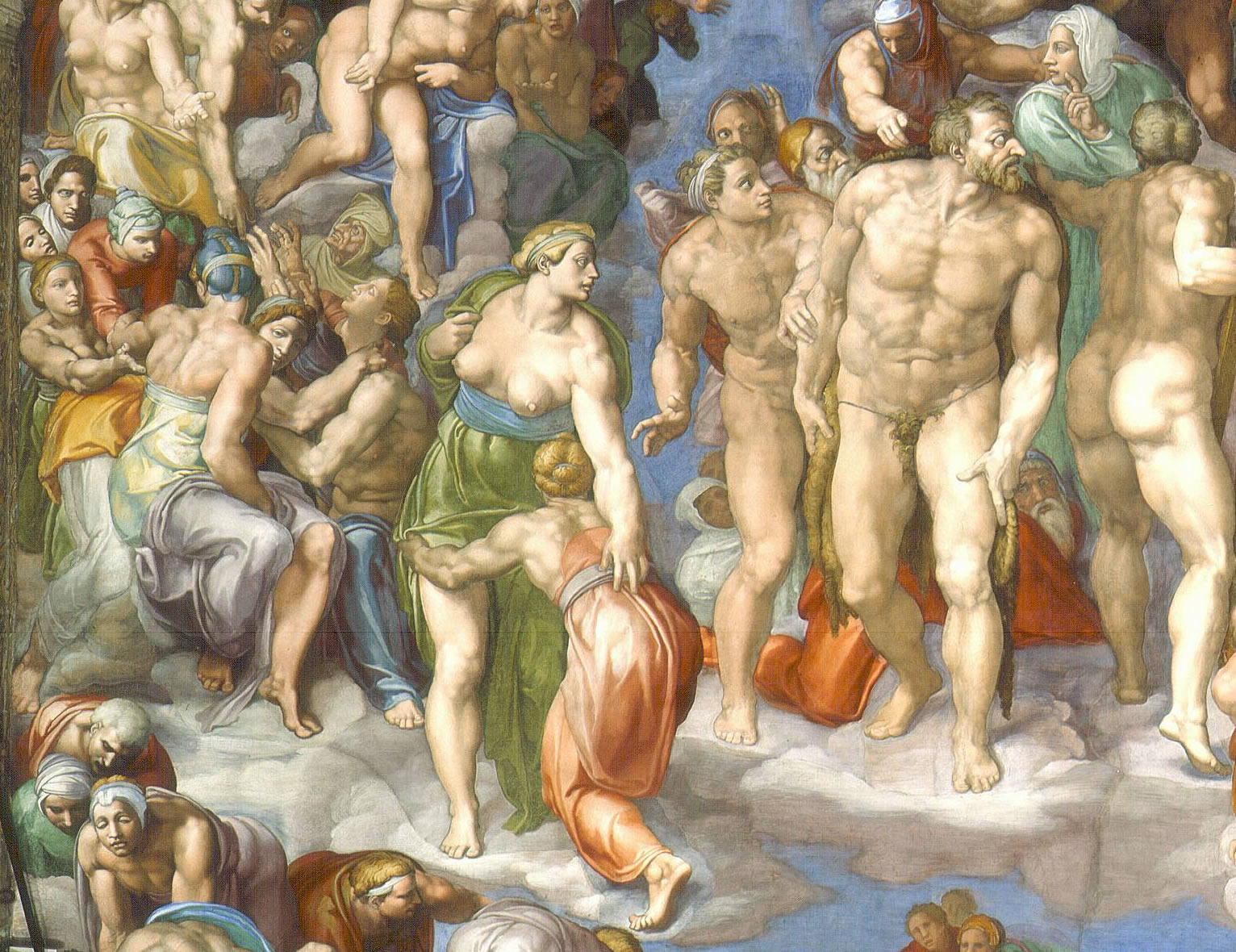
Nel periodo in cui, dopo la mia morte, Daniele da Volterra fu impegnato a eseguire le prime censure sul mio capolavoro, El Greco volle dire la sua in merito scagliandosi contro le nudità dell’opera.
Non furono tanto i nudi a destare scandalo per lui ma pensava più che altro a sé. La superbia gli suggerì che lui stesso avrebbe potuto fare opera migliore nella Sistina.

“Venendo l’occasione di coprir alcune figure del Giudizio proruppe in dire che, se si buttasse a terra tutta l’opera, l’avrebbe fatta, con onestà e decenza, non inferiore a quella bontà di pittura”, riportò il Mancini riferendosi all’idea di El Greco in merito.
Povero illuso.
Quella sfrontata dichiarazione gli costò carissima. Nessuno aveva mai osato tanto.
Sebbene non fu il primo a voler far crollare al suolo il Giudizio, fu il primo artista che pensò di poter far meglio di me quelle pitture.
Dopo quelle parole non ebbe vita facile e, come asserisce il Mancini, fu circondato da un’aspra ostilità da parte dell’ambiente artistico romano e fu costretto a partire per la Spagna, in cerca di lavoro.
Per il momento il vostro Michelangelo Buonarroti vi saluta dandovi appuntamento ai prossimi post e sui social.

When El Greco wanted to have the Last Judgment destroyed
El Greco would have willingly had the Last Judgment destroyed if he had had decision-making power in the matter. It seems impossible but it really was like that.
In the period in which, after my death, Daniele da Volterra was busy carrying out the first censorships on my masterpiece, he wanted to have his say on the matter by lashing out against the nudity of the work not so much because he believed it to be indecent but rather because his pride he suggested that he himself could have done a better job in the Sistine Chapel.
“When the opportunity arose to cover some figures of the Judgment, he burst out saying that, if the whole work were thrown to the ground, he would have done it, with honesty and decency, no less than the excellence of the painting”, reported Mancini, referring to the El Greco’s idea on the matter.
Poor dreamer.
That brazen declaration cost him dearly. No one had ever dared so much. Although he wasn’t the first to want to bring the Judgment down to the ground, he was the first artist who thought he could do those paintings better than me.
After those words he did not have an easy life and, as Mancini states, he was surrounded by bitter hostility from the Roman artistic environment and was forced to leave for Spain in search of work.
For the moment, your Michelangelo Buonarroti greets you and will meet you in future posts and on social media.

Sostienici – Support Us
Se questo blog ti piace e ti appassiona, puoi aiutarci a farlo crescere sempre più sostenendoci in modo concreto condividendo i post, seguendo le pagine social e con un contributo che ci aiuta ad andare avanti con il nostro lavoro di divulgazione. . ENGLISH: If you like and are passionate about this blog, you can help us make it grow more and more by supporting us in a concrete way by sharing posts, following social pages and with a contribution that helps us to move forward with our dissemination work.
8,00 €
-
31 marzo 1889: inaugurata la Torre Eiffel tra critiche feroci e un destino inaspettato
🇮🇹Il 31 marzo 1889 segna una data destinata a cambiare per sempre il volto di Parigi e dell’immaginario collettivo globale: viene inaugurata la Torre Eiffel, l’opera più audace e discussa del suo tempo… 🇬🇧March 31, 1889 marks a date destined to change the face of Paris and the global collective imagination forever: the Eiffel Tower,…
-
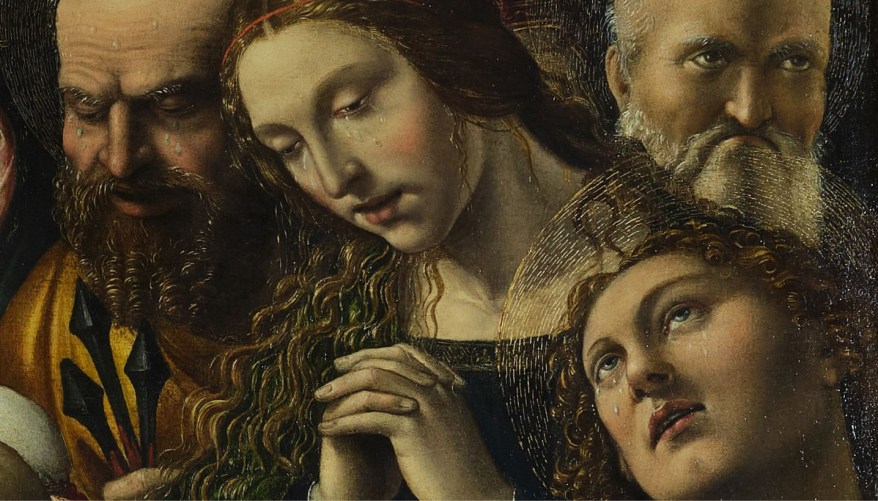
Sodoma in mostra a Torino: il Rinascimento al Museo Accorsi-Ometto
🇮🇹Al Museo di Arti Decorative Accorsi-Ometto arriva una mostra dedicata al Sodoma: oltre 50 opere, alcune mai viste prima, raccontano la formazione dell’artista e il suo dialogo con maestri come Pinturicchio… 🇬🇧An exhibition dedicated to Sodoma arrives at the Accorsi-Ometto Museum of Decorative Arts: over 50 works, some never before seen, recount the artist’s development…
-
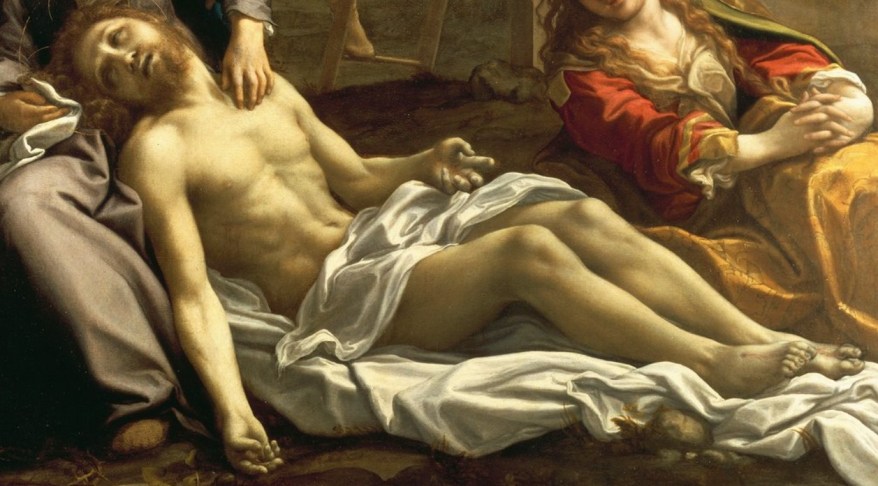
Il Compianto sul Cristo morto di Correggio: pathos e devozione
🇮🇹Con l’inizio della Settimana Santa, vi propongo il Compianto sul Cristo morto di Antonio Allegri, più noto come il Correggio: uno dei vertici assoluti della pittura emiliana del Cinquecento… 🇬🇧With the beginning of Holy Week, I propose the Lamentation over the Dead Christ by Antonio Allegri, better known as Correggio: one of the absolute peaks…
Condividi:


Questo sono io





sostienici

Sostienici – Support Us
Se questo blog ti piace e ti appassiona, puoi aiutarci a farlo crescere sempre più sostenendoci in modo concreto condividendo i post, seguendo le pagine social e con un contributo che ci aiuta ad andare avanti con il nostro lavoro di divulgazione. . ENGLISH: If you like and are passionate about this blog, you can help us make it grow more and more by supporting us in a concrete way by sharing posts, following social pages and with a contribution that helps us to move forward with our dissemination work.
€10,00


1 commento »