
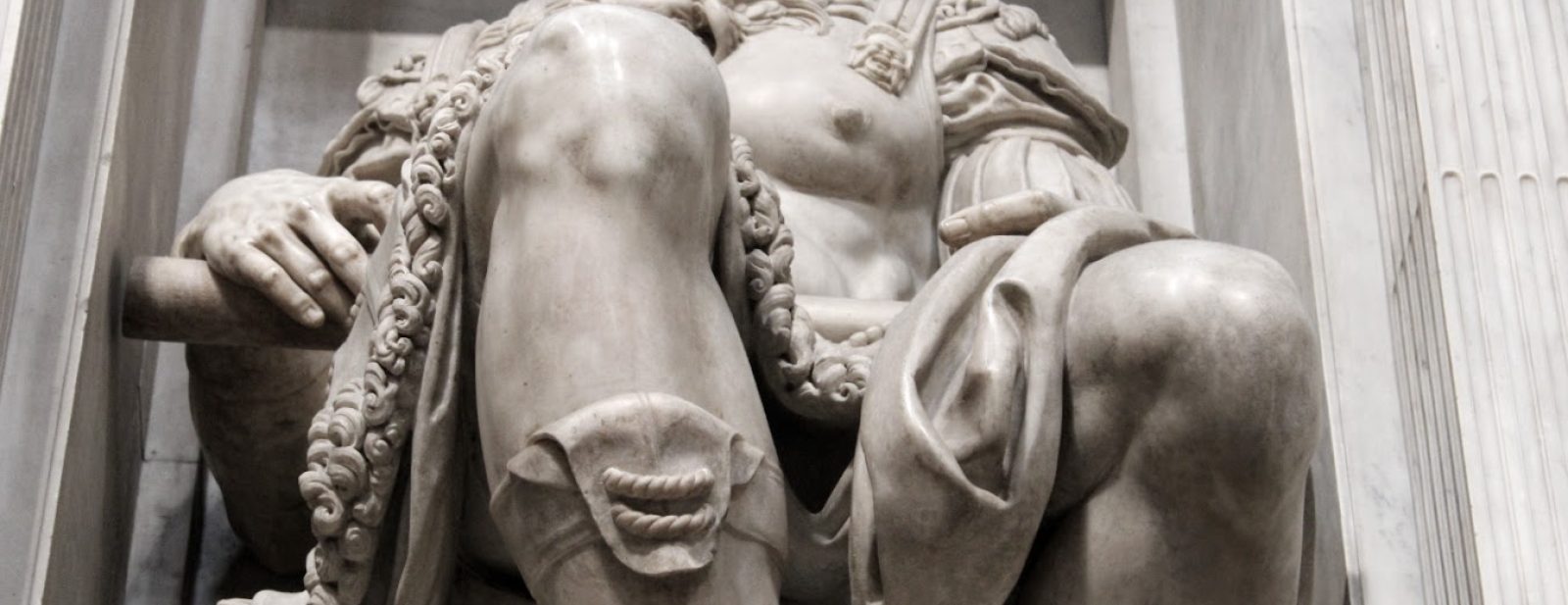
Quando ottenni il perdono papale
Da Roma scappai a gambe levate decidendo di farlo in meno di dieci minuti ma quella fuga rischiò di avere conseguenze pesantissime per tutto il dominio fiorentino.
Quando papa Giulio II non volle ricevermi dopo essere rientrato a Roma con parte dei marmi destinati alla sua maestosa sepoltura, gli voltai le spalle e lasciai la città eterna.
Dissi ai miei assistenti di vendere tutto quello che era in casa e di raggiungermi poi in quel di Firenze.
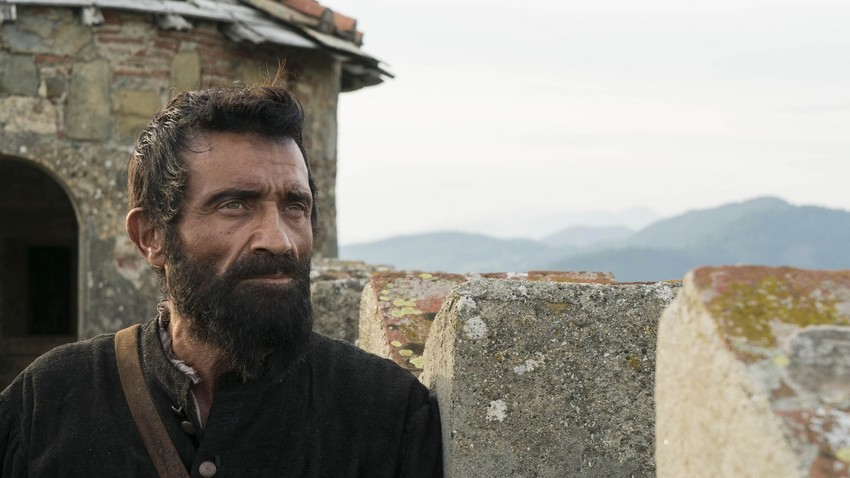
Sellai il cavallo e partii subito senza indugiare. Non potevo tollerare quel suo farsi attendere più d’una sposa all’altare. Mi doveva dei danari per pagare le maestranze che dal porto di Ripetta sul Tevere avevano condotto i marmi dinnanzi alla basilica costantiniana di San Pietro.
A dire il vero già li avevo pagati di tasca mia: avevano famiglie da sostentare, non potevano aspettare i comodi di Sua Santità che godeva degli agi di palazzo e mangiava quello che gli pareva a tutte le ore.
Appena venuto a sapere della mia fuga da Roma, Giulio II mi mandò dietro i suoi corrieri ma quando mi raggiunsero era troppo tardi: ero già sotto la giurisdizione fiorentina.

Quella fuga però rischiava di causare un importante incidente diplomatico fra Firenze, all’epoca repubblicana, e il papato.
Il pontefice scrisse per ben tre volte alla Signoria per farmi tornare sui miei passi mentre io meditavo di andarmene in Turchia, su invito del sultano Bayazid II.
Per far pace col pontefice ed evitare il peggio viste le lettere poco rassicuranti di Giulio II, il gonfaloniere della repubblica Soderini mi convinse ad andargli incontro a Bologna che aveva strappato ai Bentivoglio nel novembre del 1506.
Dovetti arrendermi e recarmi al cospetto del pontefice che pareva non attendesse altro di vedermi sbucare da dietro la porta da un momento all’altro.
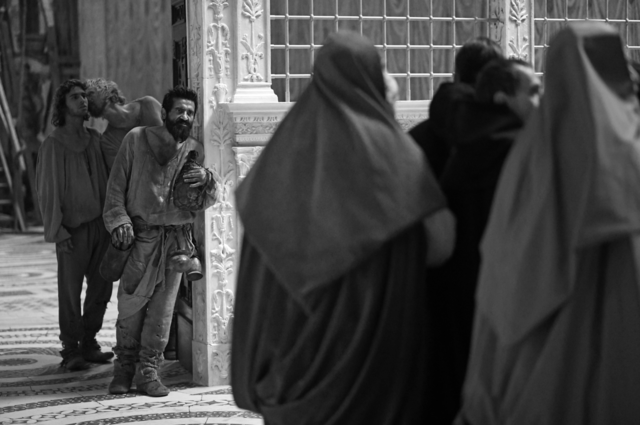
Ottenni il perdono papale e una nuova commissione: la grande fusione in bronzo di una scultura che riproducesse le sembianze del papa, da posizionare sulla facciata di San Petronio.
Opera che po fu distrutta quando i Bentivoglio ritornarono al potere riprendendosi la città.
Per il momento il vostro Michelangelo Buonarroti vi saluta dandovi appuntamento ai prossimi post e sui social.

When I obtained papal pardon
I ran away from Rome as fast as I could, deciding to do it in less than ten minutes but that escape risked having very serious consequences for the entire Florentine dominion.
When Pope Julius II did not want to receive me after returning to Rome with part of the marbles intended for his majestic burial, I turned my back on him and left the eternal city.
I told my assistants to sell everything that was in the house and then join me in Florence.
I saddled the horse and set off immediately without delay. I couldn’t tolerate him having to wait longer than a bride at the altar. He owed me money to pay the workers who had brought the marbles in front of the Constantinian basilica of St. Peter from the port of Ripetta on the Tiber. To tell the truth, I had already paid them out of my own pocket: they had families to support, they couldn’t wait for the comforts of His Holiness who enjoyed the comforts of the palace and ate whatever he wanted at all hours.
As soon as he learned of my escape from Rome, Gulio II sent his couriers after me but when they reached me it was too late: I was already under Florentine jurisdiction.
That escape, however, risked causing an important diplomatic incident between Florence in the republican era and the papacy.
The pontiff wrote to the Lordship three times to ask me to retrace my steps while I was thinking of leaving for Turkey, at the invitation of Sultan Bayazid II.
To make me make peace with the pontiff and avoid the worst given the less than reassuring letters from Julius II, the standard bearer of the republic Soderini convinced me to go to meet the pope in Bologna which he had wrested from the Bentivoglios in November 1506.
I had to give up and go in front of the pontiff who seemed to be waiting to see me emerge from behind the door at any moment.
I obtained papal pardon and a new commission: the large bronze casting of a sculpture reproducing the pope’s likeness, to be placed on the façade of San Petronio.
This work was destroyed when the Bentivoglio family returned to power and took back the city.
For the moment, your Michelangelo Buonarroti greets you and will meet you in future posts and on social media.

Sostienici – Support Us
Se questo blog ti piace e ti appassiona, puoi aiutarci a farlo crescere sempre più sostenendoci in modo concreto condividendo i post, seguendo le pagine social e con un contributo che ci aiuta ad andare avanti con il nostro lavoro di divulgazione. . ENGLISH: If you like and are passionate about this blog, you can help us make it grow more and more by supporting us in a concrete way by sharing posts, following social pages and with a contribution that helps us to move forward with our dissemination work.
8,00 €
-
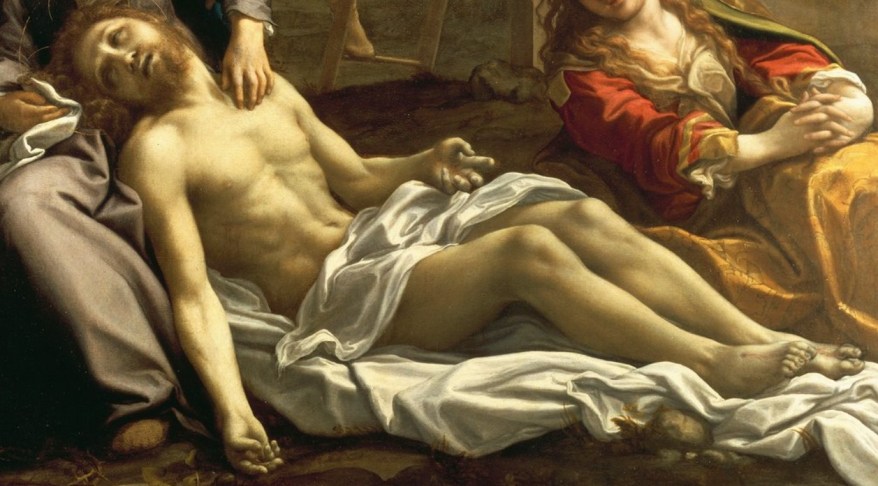
Il Compianto sul Cristo morto di Correggio: pathos e devozione
🇮🇹Con l’inizio della Settimana Santa, vi propongo il Compianto sul Cristo morto di Antonio Allegri, più noto come il Correggio: uno dei vertici assoluti della pittura emiliana del Cinquecento… 🇬🇧With the beginning of Holy Week, I propose the Lamentation over the Dead Christ by Antonio Allegri, better known as Correggio: one of the absolute peaks…
-
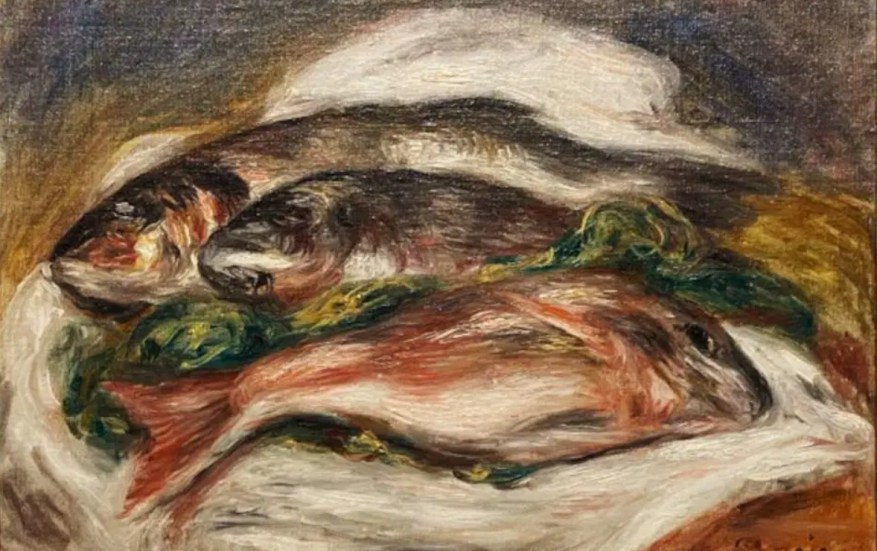
Furto milionario alla Magnani Rocca: rubati Renoir, Cézanne e Matisse
🇮🇹‼Tre capolavori storici spariti in meno di tre minuti: Les Poissons di Renoir, Tasse et plat de cerises di Cézanne e Odalisque sur la terrasse di Matisse sono stati rubati nella dalla Fondazione Magnani Rocca a Mamiano di Traversetolo, nel Parmense… 🇬🇧‼Three historic masterpieces disappeared in less than three minutes: Renoir’s Les Poissons, Cézanne’s Tasse…
-
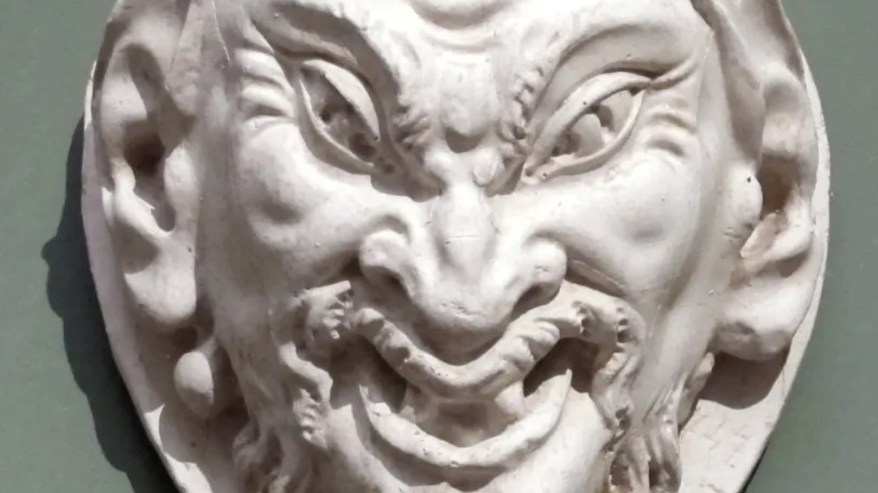
Fauno rubato: 15.000$ per ritrovarlo dopo 80 anni
🇮🇹Ero un ragazzino quando scolpii il Mascherone del Fauno sdentato. Oggi quel volto è perduto, rubato nella notte della guerra e da oltre 80 anni nessuno sa dove sia. Ora una ricompensa di 15.000$ riaccende la ricerca… 🇬🇧I was a boy when I sculpted the Toothless Faun Mask. Today that face is lost, stolen on…
Condividi:


Questo sono io





sostienici

Sostienici – Support Us
Se questo blog ti piace e ti appassiona, puoi aiutarci a farlo crescere sempre più sostenendoci in modo concreto condividendo i post, seguendo le pagine social e con un contributo che ci aiuta ad andare avanti con il nostro lavoro di divulgazione. . ENGLISH: If you like and are passionate about this blog, you can help us make it grow more and more by supporting us in a concrete way by sharing posts, following social pages and with a contribution that helps us to move forward with our dissemination work.
€10,00


