

Pietà Bandini: prigioniera a Livorno
La Pietà Bandini oggi è custodita all’interno del Museo del Duomo di Firenze ma quando passai a miglior vita ancora si trovava a Roma.
Come è finita dunque a Firenze? Ora dovete sapere che nel corso degli anni ha subito diversi spostamenti e addirittura ci fu un’estate intera in cui rimase bloccata a Livorno. Se vi raccontassi tutti i vari traslochi che subì nel corso degli anni e i vari passaggi di proprietà mi servirebbe un’oretta e rischierei di tediarvi.
Vi racconto dunque solo la parte del suo viaggio da Roma a Firenze, complesso e per niente facile.
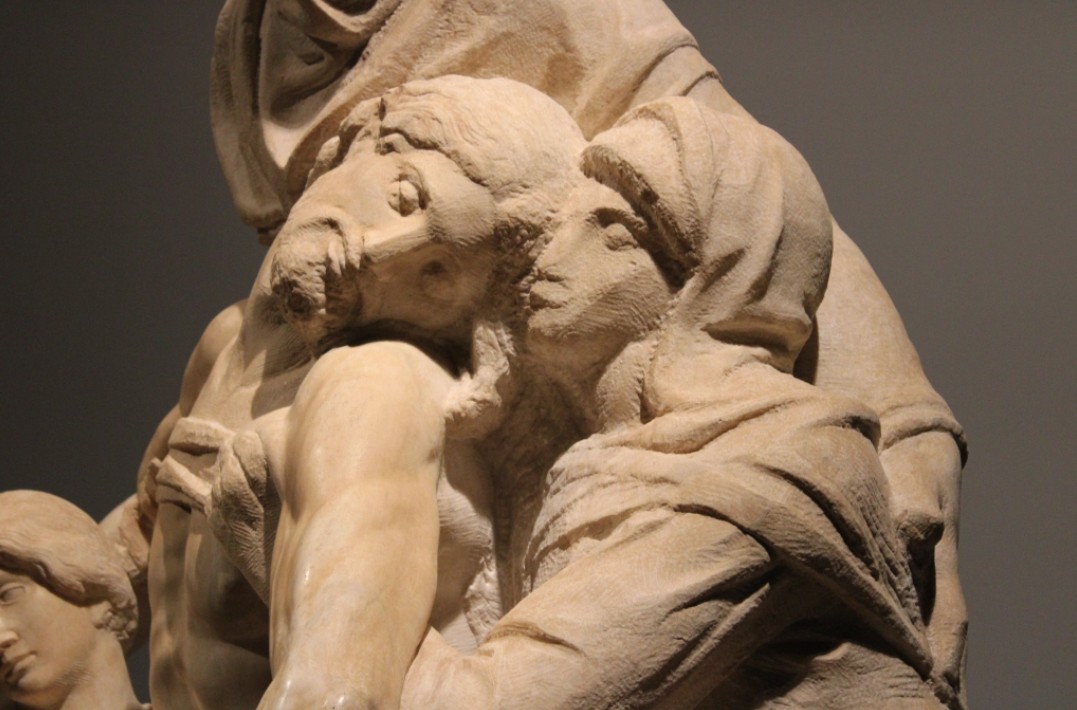
Come già in altre occasioni ho avuto modo di narrarvi, la Pietà in questione, dopo il tentativo di restauro prima e completamento poi a cura del mio collaboratore Tiberio Calcagni, fu acquisita da Francesco Bandini. Suo figlio ed erede univereale Pierantonio la fece collocare in una nicchia all’interno del giardino della propria villa sul colle del Quirinale.
Dopo diversi passaggi di proprietà, la scultura fu comprata nel 1671 da Cosimo III de’ Medici da Piero Capponi. Il Granduca di Toscana non perse tempo e la fece trasportare presso Palazzo Firenze a Roma.
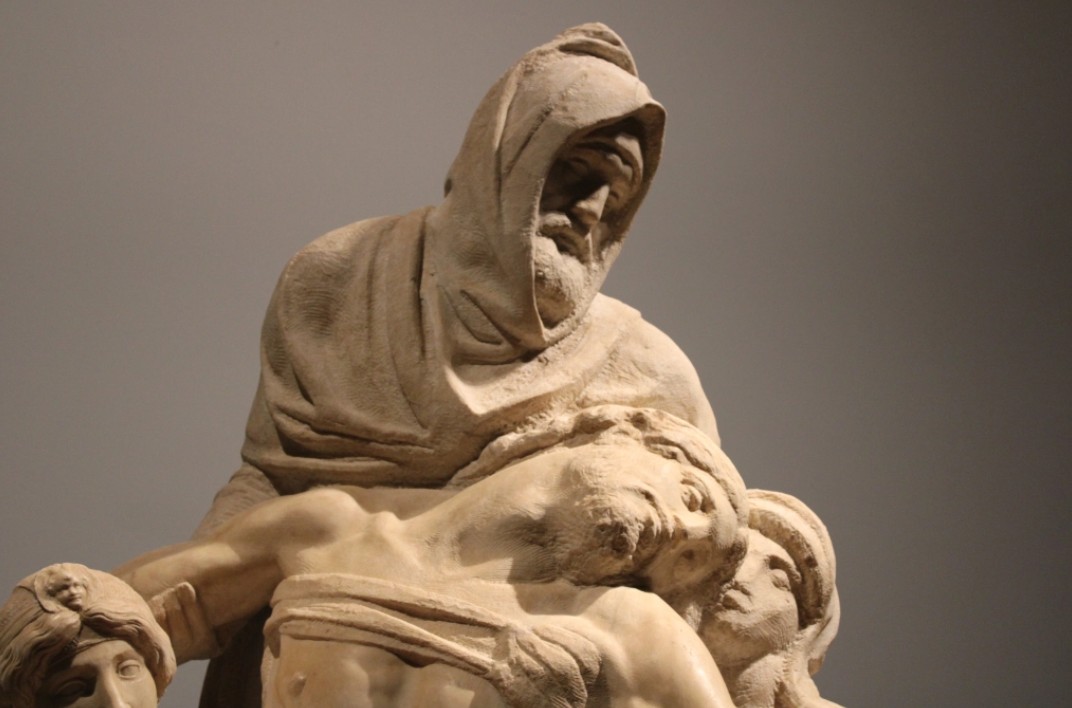
Tre anni dopo, nel 1674, la Pietà Bandini fu portata al porto di Ripa sul Tevere e condotta fino a Civitavecchia.
Lì fu caricata su una nave che raggiunse Livorno il 24 giugno del 1674.
Fu in quel momento che la navigazione dovette interrompersi in attesa delle piogge autunnali che avrebbero reso di nuovo navigabili le acque dell’Arno. Così, per qualche mese, la scultura rimase prigioniera della città labronica, custodita all’interno della Fortezza Nuova.

Quando le condizioni tornarono favorevoli per riprendere la navigazione, la Bandini fu caricata su una chiatta a fondo piatto e il 23 ottobre si lasciò alle spalle Livorno giungendo a Firenze cinque giorni dopo.
In un primo momento la scultura fu collocata all’interno della cripta della Cappella dei Principi fino a quando, nel 1722, fu sistemata dietro l’Altare Maggiore di Santa Maria del Fiore. Lì ci rimase novant’anni e nel 1933 venne posizionata su un altare minore del transetto Nord.

Escludendo il trasloco temporaneo che subì durante la Seconda Guerra Mondiale, la Pietà rimase nel duomo fino al 1981, quando fu definitivamente trasportata all’interno del Museo del Duomo.
Per il momento il vostro Michelangelo Buonarroti vi saluta dandovi appuntamento ai prossimi post e sui social.

The Pietà Bandini prisoner in Livorno
The Pietà Bandini is now kept in the Museo del Duomo in Florence but when I passed away it was still in Rome.
So how did it end up in Florence? Now you must know that over the years she has been moved several times and there was even an entire summer in which she was stuck in Livorno. If I told you all the various moves it underwent over the years and the various changes of ownership it would take me an hour and I would risk boring you.
So I’ll tell you only the part of his journey from Rome to Florence, complex and by no means easy.
As I have already had the opportunity to tell you on other occasions, the Pietà in question, after the attempted restoration first and then completed by my collaborator Tiberio Calcagni, was acquired by Francesco Bandini. His son and heir Pierantonio had it placed in a niche in the garden of his villa on the Quirinal hill.
After several changes of ownership, the sculpture was bought in 1671 by Cosimo III de’ Medici from Piero Capponi. The Grand Duke of Tuscany wasted no time and had it transported to Palazzo Firenze in Rome.
Three years later, in 1674, the Pietà Bandini was taken to the port of Ripa sul Tevere and carried up to Civitavecchia. There she was loaded onto a ship which reached Livorno on June 24, 1674.
It was at that moment that the navigation had to stop waiting for the autumn rains which would have made the waters of the Arno navigable again. So for a few months the sculpture remained a prisoner of the city of Livorno, kept inside the Fortezza Nuova.
When conditions returned favorable to resume sailing, the Bandini was loaded onto a flat-bottomed barge and on 23 October she left Livorno behind, arriving in Florence five days later.
At first the sculpture was placed inside the crypt of the Cappella dei Principi until, in 1722, it was placed behind the High Altar of Santa Maria del Fiore. There it remained for ninety years and in 1933 it was placed on a minor altar in the north transept.
Excluding the temporary move it underwent during the Second World War, the Pietà remained in the cathedral until 1981, when it was definitively moved inside the Cathedral Museum.
For the moment, your Michelangelo Buonarroti greets you by making an appointment for the next posts and on social media

Sostienici – Support Us
Se questo blog ti piace e ti appassiona, puoi aiutarci a farlo crescere sempre più sostenendoci in modo concreto condividendo i post, seguendo le pagine social e con un contributo che ci aiuta ad andare avanti con il nostro lavoro di divulgazione. . ENGLISH: If you like and are passionate about this blog, you can help us make it grow more and more by supporting us in a concrete way by sharing posts, following social pages and with a contribution that helps us to move forward with our dissemination work.
10,00 €
-
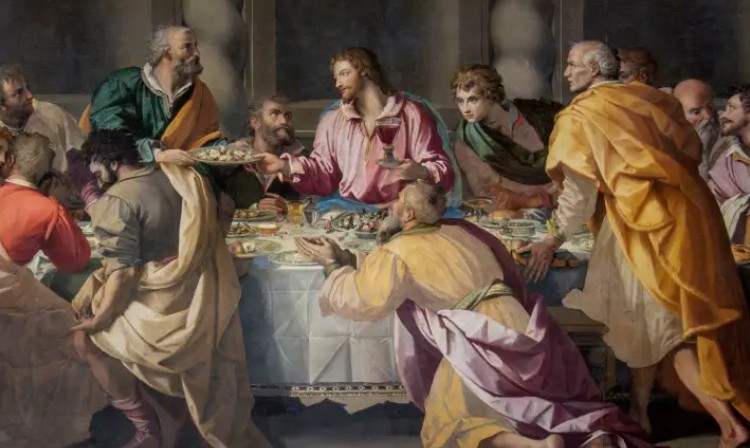
Giovedì Santo: l’Ultima Cena di Allori che pochi conoscono a Firenze
🇮🇹Nel cuore di Museo di Santa Maria Novella, a Firenze, si conserva una delle interpretazioni più affascinanti e meno note dell’Ultima Cena: quella realizzata da Alessandro Allori nel 1584… 🇬🇧In the heart of the Santa Maria Novella Museum in Florence, one of the most fascinating and least-known interpretations of the Last Supper is preserved: the…
-
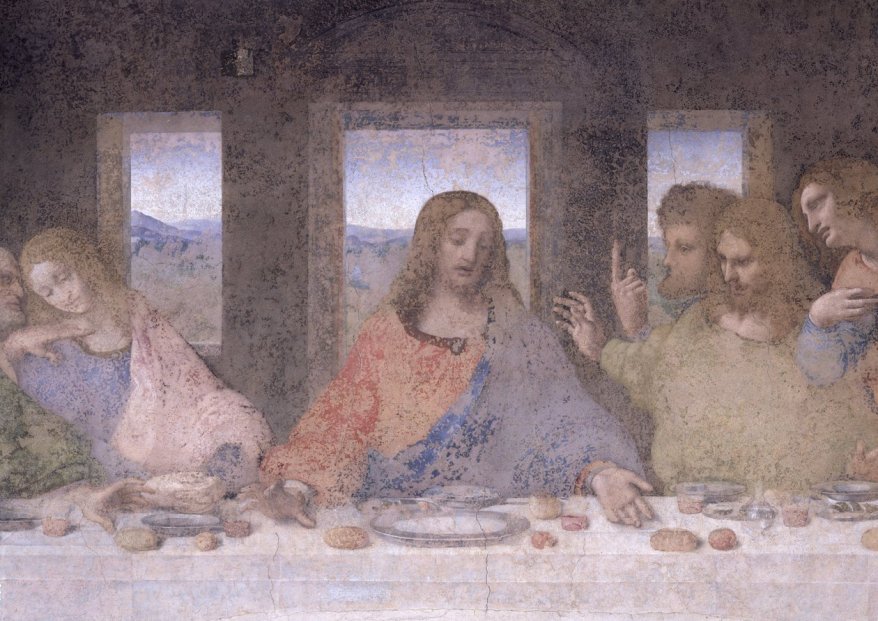
Cenacolo di Leonardo: i dettagli che raccontano il tradimento
🇮🇹Nel Cenacolo di Leonardo da Vinci, custodito a Santa Maria delle Grazie, Cristo annuncia il tradimento e il tempo si ferma… 🇬🇧In Leonardo da Vinci’s Last Supper, housed in Santa Maria delle Grazie, Christ announces the betrayal and time stands still…
-
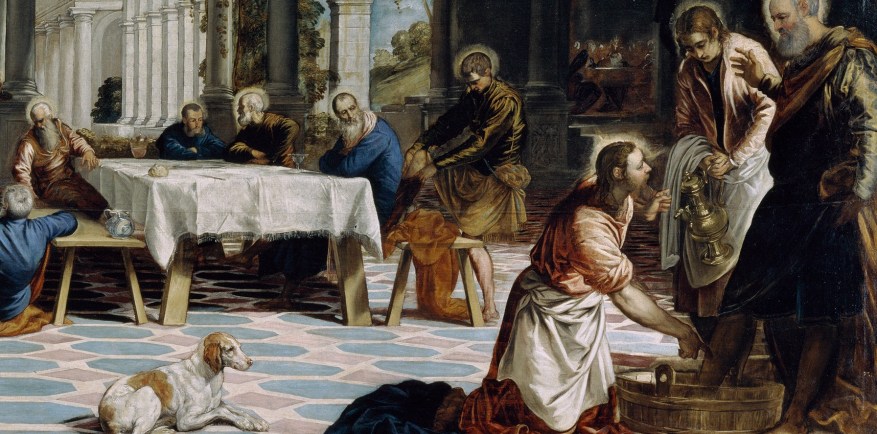
La Lavanda dei Piedi di Tintoretto: Il Capolavoro Veneziano al Prado
🇮🇹Tra i capolavori più affascinanti del Rinascimento veneziano, “La Lavanda dei Piedi” di Jacopo Tintoretto rappresenta un perfetto equilibrio tra spiritualità, innovazione compositiva e straordinaria forza narrativa… 🇬🇧Among the most fascinating masterpieces of the Venetian Renaissance, Jacopo Tintoretto’s “The Washing of the Feet” represents a perfect balance between spirituality, compositional innovation, and extraordinary narrative force…
Condividi:


Questo sono io





sostienici

Sostienici – Support Us
Se questo blog ti piace e ti appassiona, puoi aiutarci a farlo crescere sempre più sostenendoci in modo concreto condividendo i post, seguendo le pagine social e con un contributo che ci aiuta ad andare avanti con il nostro lavoro di divulgazione. . ENGLISH: If you like and are passionate about this blog, you can help us make it grow more and more by supporting us in a concrete way by sharing posts, following social pages and with a contribution that helps us to move forward with our dissemination work.
€10,00


