
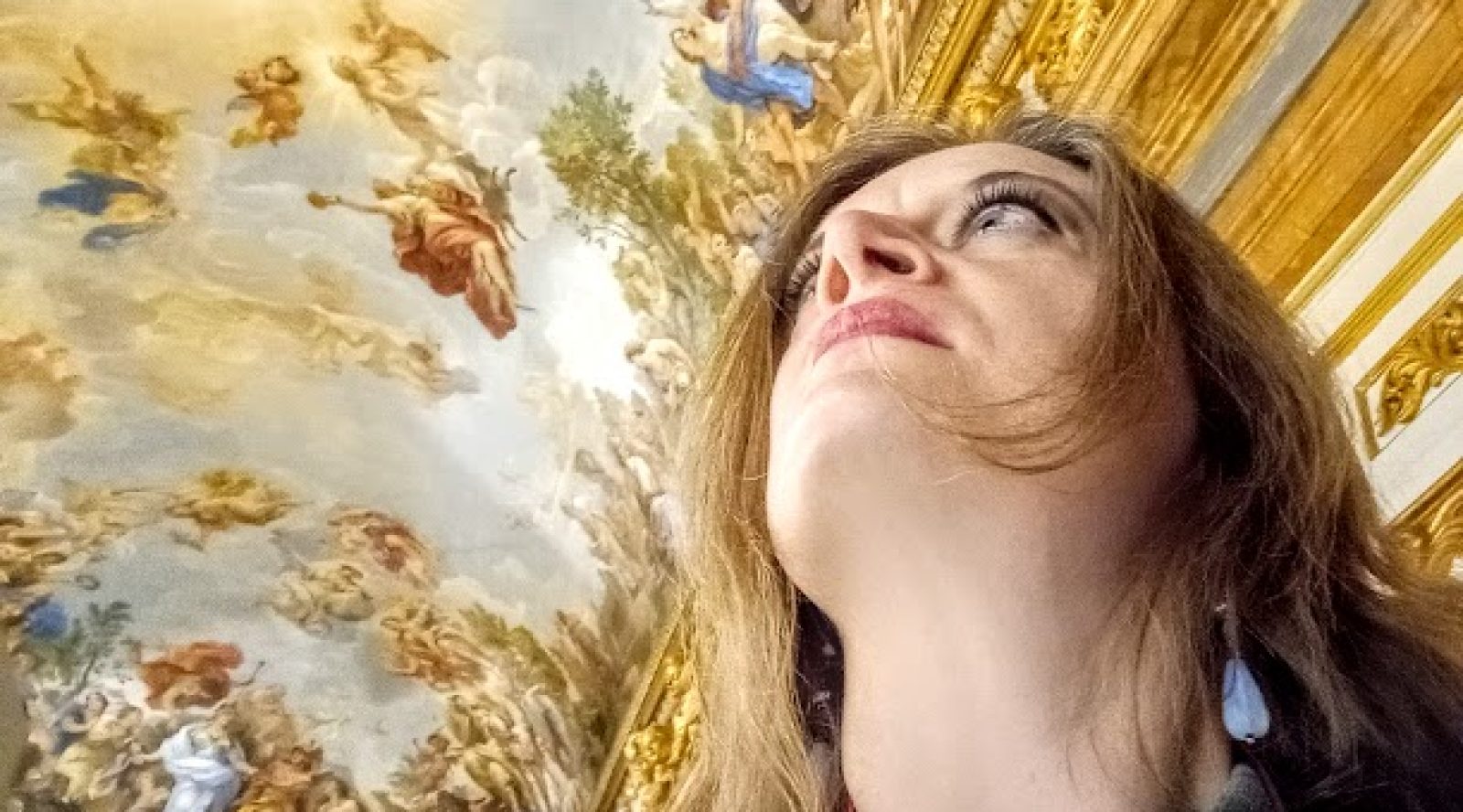
Infiltrazioni di acqua nella Sala Regia dei Palazzi Apostolici
Le copiose piogge degli ultimi giorni hanno provocato importanti infiltrazioni di acqua nella Sala Regia dei Palazzi Apostolici.
Gli inservienti di turno hanno rilevato la presenza di ampie chiazze di acqua piovana filtrate dal tetto. La situazione è assai preoccupante e nemmeno è cosa nuova. Già due anni fa era stato notato e segnalato il distacco di alcuno stucchi dei lacunari, caduti a terra.

Proprio a causa di queste problematiche, la Sala Regia era stata resa inaccessibile ai non addetti ai lavori, per consentire la messa in sicurezza e lo studio di un restauro che possa risolvere in via definitiva l’annoso problema delle infiltrazioni dell’acqua piovana.
Alla Sala si accede direttamente passando per la Scala Regia e venne progettata da Antonio da Sangallo il Giovane fra il 1540 e il 1573. E’ un ambiente raffinatissimo che inizialmente era dedicato a ricevere i sovrani durante le visite ufficiali. La Sala Regia, fino al momento della sua chiusura temporanea, ha sempre accolto gli incontri ufficiali fra il pontefice in carica e il Corpo Diplomatico accreditato presso la Santa Sede.

Sono numerosi gli artisti che si avvicendarono per la decorazione dell’imponente salone. Ad esempio Perin del Vaga lavorò agli stucchi della volta e alle preziose vetrate che finirono distrutte nel Settecento. Sono suoi anche gli stucchi che incastonano gli ignudi realizzati da Daniele da Volterra.
Le pareti e la volta sono ricoperti interamente di affreschi e stucchi. Fra i lavori più noti vale la pena menzionare la Battaglia di Lepanto realizzata dal mio caro amico Giorgio Vasari.
Fu Papa San Pio V a volere quest’opera, realizzata sulla parete ovest della Sala, nello spazio che c’è fra la porta che si apre sulla Cappella Sistina e la porta che conduce direttamente alla Scala Regia.
Sperando che questo problema possa essere risolto al più presto nel modo più opportuno, il sempre Vostro Michelangelo Buonarroti vi saluta dandovi appuntamento ai prossimi post e sui social.
Water infiltration in the Sala Regia of the Apostolic Palaces
The copious rains of the last few days have caused important infiltrations of water through the roof of the Sala Regia of the Apostolic Palaces.
The orderlies on duty noted the presence of large patches of rainwater. The situation is very worrying and neither is it new. Already two years ago the detachment of some stuccoes of the coffers, which had fallen to the ground, was noticed and reported.
Precisely because of these problems, the Sala Regia had been made inaccessible to non-experts, to allow for the safety measures and the study of a restoration that could definitively solve the age-old problem of rainwater infiltration.
The Hall can be accessed directly via the Scala Regia and was designed by Antonio da Sangallo the Younger between 1540 and 1573. It is a very refined environment that was initially dedicated to receiving the sovereigns during official visits. The Sala Regia, until its temporary closure, always hosted the official meetings between the pontiff in office and the Diplomatic Corps accredited to the Holy See.
There are numerous artists who alternated for the decoration of the imposing hall. For example, Perin del Vaga worked on the stuccoes of the vault and on the precious stained glass windows which were destroyed in the eighteenth century. The stuccos that set the nudes made by Daniele da Volterra are also by him.
The walls and the vault are entirely covered with frescoes and stuccos. Among the best known works it is worth mentioning the Battle of Lepanto created by my dear friend Giorgio Vasari.
It was Pope St. Pius V who wanted this work, built on the west wall of the Hall, in the space between the door that opens onto the Sistine Chapel and the door that leads directly to the Scala Regia.
Hoping that this problem can be resolved as soon as possible in the most appropriate way, yours always Michelangelo Buonarroti greets you by making an appointment for the next posts and on social media.

Sostienici – Support Us
Se questo blog ti piace e ti appassiona, puoi aiutarci a farlo crescere sempre più sostenendoci in modo concreto condividendo i post, seguendo le pagine social e con un contributo che ci aiuta ad andare avanti con il nostro lavoro di divulgazione. . ENGLISH: If you like and are passionate about this blog, you can help us make it grow more and more by supporting us in a concrete way by sharing posts, following social pages and with a contribution that helps us to move forward with our dissemination work.
5,00 €
-

23 aprile, San Giorgio: le opere d’arte più belle dedicate al santo guerriero
🇮🇹 Il 23 aprile si ricorda San Giorgio, il santo cavaliere che uccise il drago. Dalle visioni di Raffaello e Paolo Uccello fino alla forza scultorea di Donatello, il suo mito attraversa la storia dell’arte con potenza e bellezza… 🇬🇧 April 23rd marks the commemoration of Saint George, the holy knight who slew the dragon.…
-

23 aprile, Giornata del Libro: leggere è un atto rivoluzionario
🇮🇹23 aprile: oggi celebriamo la magia della lettura nella Giornata mondiale del libro e del diritto d’autore perché leggere non è solo un gesto: è un viaggio che ci cambia…. 🇬🇧April 23: Today we celebrate the magic of reading on World Book and Copyright Day because reading isn’t just a gesture: it’s a journey that…
-
Al via il restauro del basamento del Perseo al Bargello con un cantiere visibile al pubblico
🇮🇹Al Museo Nazionale del Bargello prende il via il restauro del basamento del Perseo di Benvenuto Cellini. Il cantiere sarà visibile al pubblico… 🇬🇧The restoration of the base of Benvenuto Cellini’s Perseus begins at the Bargello National Museum. The work will be open to the public…
Condividi:


Questo sono io





sostienici

Sostienici – Support Us
Se questo blog ti piace e ti appassiona, puoi aiutarci a farlo crescere sempre più sostenendoci in modo concreto condividendo i post, seguendo le pagine social e con un contributo che ci aiuta ad andare avanti con il nostro lavoro di divulgazione. . ENGLISH: If you like and are passionate about this blog, you can help us make it grow more and more by supporting us in a concrete way by sharing posts, following social pages and with a contribution that helps us to move forward with our dissemination work.
€10,00


speriamo possano risolvere in fretta questo grave problema, sarebbe un vero disastro se andassero rovinate opere di così pregevole importanza. Mi chiedo perchè non siano intervenuti prima…🤔
"Mi piace"Piace a 1 persona
Me lo chiedo anch’io…dalle prime avvisaglie sono passati due anni
"Mi piace"Piace a 1 persona