
Frammento dell’Iliade in una mummia in Egitto: scoperta straordinaria a Oxyrhynchus
Nel cuore dell’Egitto centrale, tra le sabbie di un sito che da oltre un secolo restituisce tesori della cultura antica, una scoperta inattesa sta ridefinendo il rapporto tra mondo greco e ritualità funeraria egizia.
Un frammento dell’Iliade, il celebre poema attribuito a Omero, è stato rinvenuto all’interno di una mummia di epoca romana, in un contesto che gli studiosi definiscono senza precedenti.
Il ritrovamento è avvenuto nel sito archeologico di Oxyrhynchus, oggi identificato con Al Bahnasa, grazie alla missione guidata dall’Università di Barcellona. Questa località, situata lungo il Bahr Yussef a circa 190 chilometri a sud del Cairo, è da tempo uno dei principali centri di scoperta di papiri del mondo greco-romano, ma quanto emerso durante la campagna di scavo tra novembre e dicembre 2025 ha sorpreso anche gli archeologi più esperti.
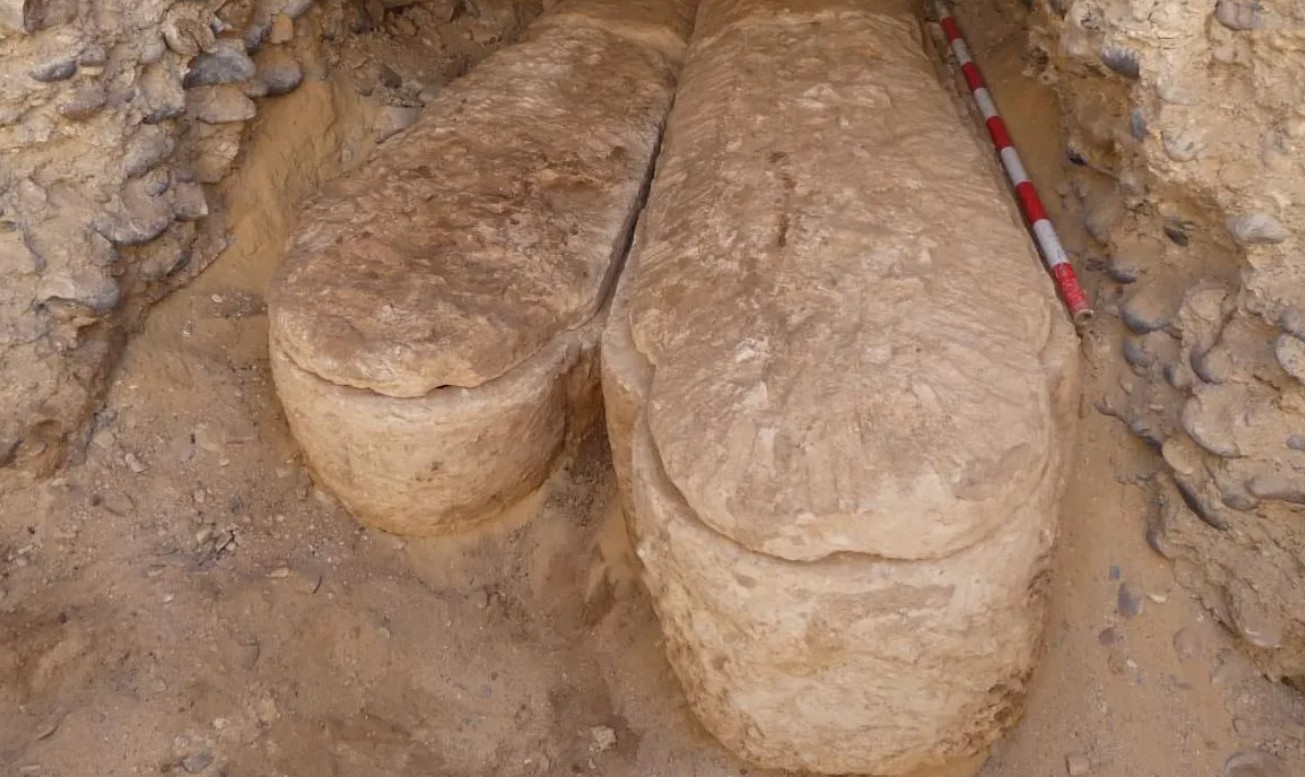
All’interno di un complesso funerario costituito da tre camere in pietra calcarea, nella cosiddetta Tomba 65 del Settore 22, gli studiosi hanno individuato il papiro adagiato sull’addome di una mummia.
Non si tratta di un semplice riutilizzo di materiale scritto, come spesso accadeva nell’antichità, bensì di un’integrazione intenzionale nel processo di imbalsamazione. Finora, infatti, i papiri rinvenuti in contesti simili contenevano esclusivamente testi magici o rituali, funzionali al viaggio nell’aldilà.
Il frammento, databile a circa 1.600 anni fa, è stato successivamente analizzato da un team interdisciplinare composto da restauratori, papirologi e filologi.
Lo studio ha permesso di identificare con precisione il testo: si tratta di un passo del celebre “Catalogo delle navi”, contenuto nel Libro II dell’Iliade, la sezione che elenca le forze greche partite per la guerra di Troia. Una scelta che apre interrogativi profondi sul valore simbolico attribuito alla letteratura greca in contesti funerari egizi di epoca romana.
La presenza di un testo epico in un rituale di mummificazione suggerisce una contaminazione culturale più complessa di quanto finora ipotizzato. Non è più possibile considerare la letteratura greca come un elemento esclusivamente intellettuale o scolastico: in questo caso, essa sembra assumere una dimensione quasi sacrale, forse legata a idee di memoria, identità o protezione nell’aldilà.
Oxyrhynchus si conferma così un crocevia straordinario di culture, dove la tradizione egizia e quella greco-romana si intrecciano in modi inattesi. Ma questa scoperta, più di altre, costringe gli studiosi a rivedere categorie consolidate, aprendo nuove prospettive sul ruolo dei testi letterari nella vita e nella morte nel mondo antico.
Per il momento il sempre vostro Michelangelo Buonarroti vi saluta dandovi appuntamento ai prossimi post e sui social.
Fragment of the Iliad in a mummy in Egypt: extraordinary discovery at Oxyrhynchus
In the heart of central Egypt, amid the sands of a site that has yielded treasures of ancient culture for over a century, an unexpected discovery is redefining the relationship between the Greek world and Egyptian funerary rituals.
A fragment of the Iliad, the famous poem attributed to Homer, was discovered inside a Roman-era mummy, in a context scholars describe as unprecedented.
The discovery was made at the archaeological site of Oxyrhynchus, now identified as Al Bahnasa, thanks to a mission led by the University of Barcelona. This site, located along the Bahr Youssef River about 190 kilometers south of Cairo, has long been one of the main centers for the discovery of papyrus from the Greco-Roman world, but what uncovered during the excavation campaign between November and December 2025 surprised even the most experienced archaeologists.
Inside a funerary complex consisting of three limestone chambers, in Tomb 65 in Sector 22, scholars identified the papyrus lying on the abdomen of a mummy.
This is not a simple reuse of written material, as often happened in antiquity, but rather an intentional addition during the embalming process. Until now, papyri found in similar contexts contained exclusively magical or ritual texts, instrumental to the journey to the afterlife.
The fragment, dated approximately 1,600 years ago, was subsequently analyzed by an interdisciplinary team of restorers, papyrologists, and philologists.
The study allowed the text to be precisely identified: it is a passage from the famous “Catalogue of Ships,” found in Book II of the Iliad, the section that lists the Greek forces that set sail for the Trojan War. This choice raises profound questions about the symbolic value attributed to Greek literature in Roman-era Egyptian funerary contexts.
The presence of an epic text in a mummification ritual suggests a more complex cultural contamination than previously assumed. Greek literature can no longer be considered exclusively intellectual or scholastic: in this case, it seems to take on an almost sacred dimension, perhaps linked to ideas of memory, identity, or protection in the afterlife.
Oxyrhynchus thus confirms itself as an extraordinary crossroads of cultures, where Egyptian and Greco-Roman traditions intertwine in unexpected ways. But this discovery, more than others, forces scholars to revisit established categories, opening new perspectives on the role of literary texts in life and death in the ancient world.
For now, yours truly, Michelangelo Buonarroti bids you farewell, and we look forward to seeing you in future posts and on social media.

Sostienici – Support Us
Se questo blog ti piace e ti appassiona, puoi aiutarci a farlo crescere sempre più sostenendoci in modo concreto condividendo i post, seguendo le pagine social e con un contributo che ci aiuta ad andare avanti con il nostro lavoro di divulgazione. . ENGLISH: If you like and are passionate about this blog, you can help us make it grow more and more by supporting us in a concrete way by sharing posts, following social pages and with a contribution that helps us to move forward with our dissemination work.
10,00 €

Condividi:


Questo sono io




sostienici

Sostienici – Support Us
Se questo blog ti piace e ti appassiona, puoi aiutarci a farlo crescere sempre più sostenendoci in modo concreto condividendo i post, seguendo le pagine social e con un contributo che ci aiuta ad andare avanti con il nostro lavoro di divulgazione. . ENGLISH: If you like and are passionate about this blog, you can help us make it grow more and more by supporting us in a concrete way by sharing posts, following social pages and with a contribution that helps us to move forward with our dissemination work.
€10,00


