
23 aprile, Giornata del Libro: leggere è un atto rivoluzionario
Il 23 aprile è la Giornata Mondiale del Libro e del Diritto d’Autore, nata per celebrare la forza delle storie e il valore della creatività.
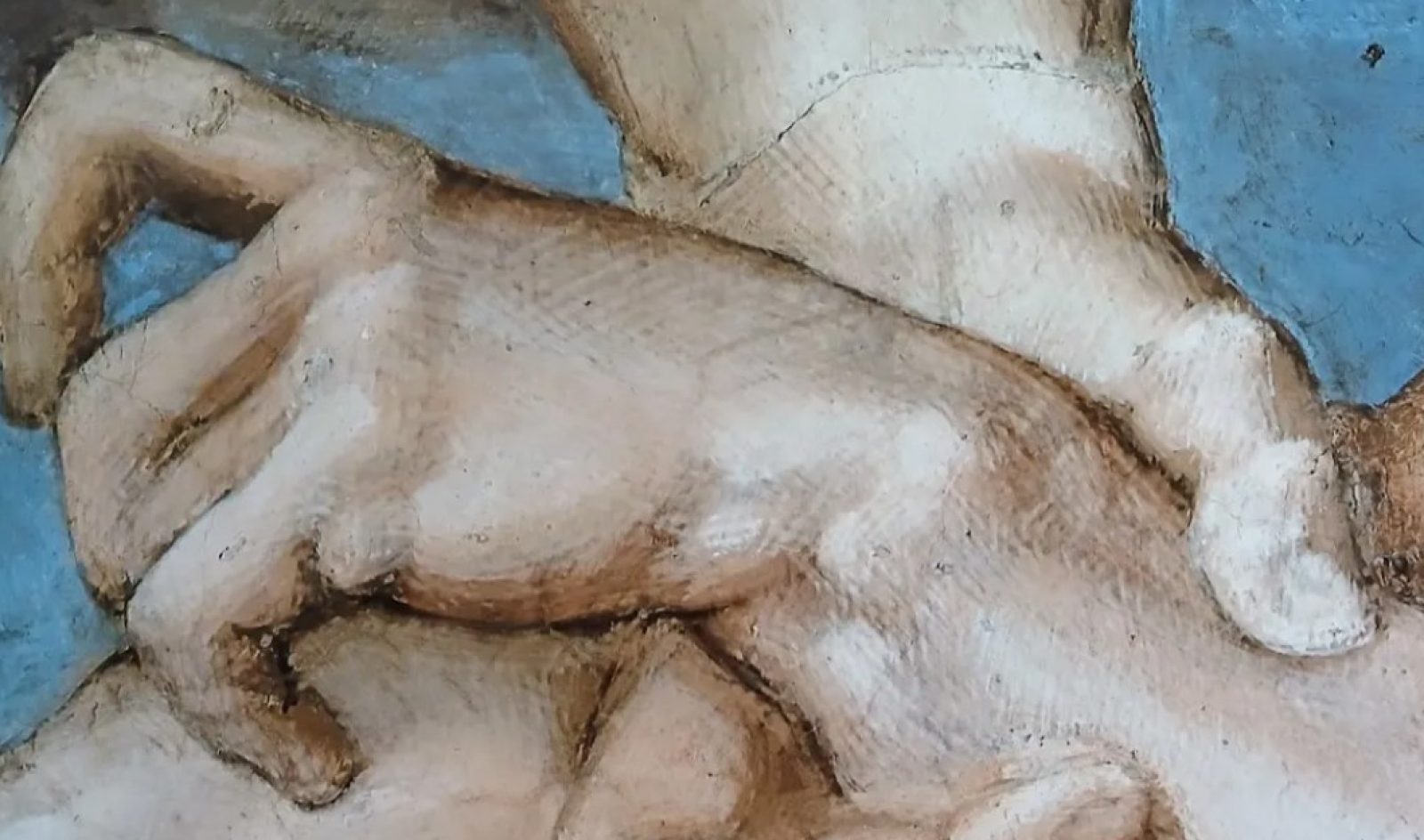
Questa data porta con sé però, anche un’eredità simbolica più profonda. Coincide con il giorno dedicato a San Giorgio, il cavaliere che sconfisse il drago, figura che ancora oggi rappresenta il trionfo della conoscenza sull’oscurità.
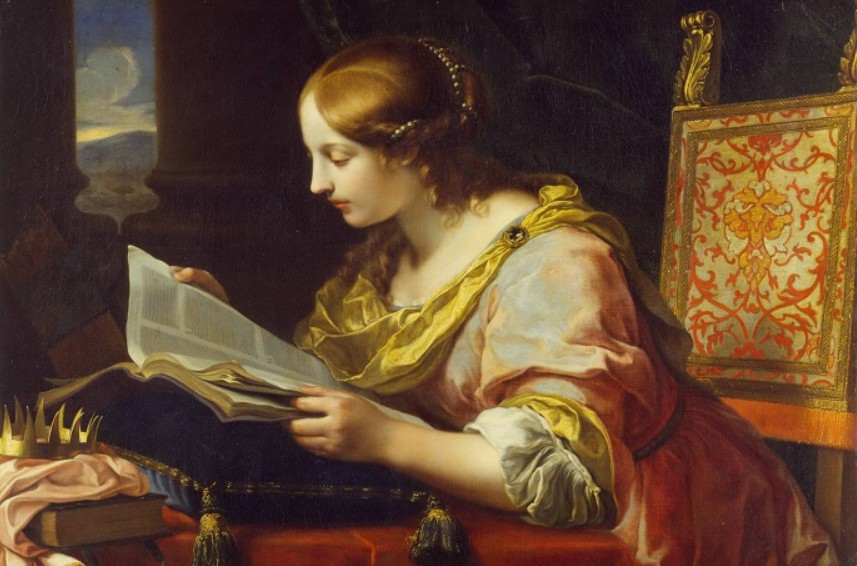
Non è un caso che proprio il 23 aprile del 1616 si spensero due pilastri della letteratura mondiale, William Shakespeare e Miguel de Cervantes. Tutte queste coincidenze hanno trasformato la giornata in un simbolo universale della parola scritta, come se la letteratura stessa avesse scelto il momento per rinnovarsi.
Libri e arte: il racconto contemporaneo della bellezza
Il libro può essere non è solo narrazione, ma anche sperienza artistica. Le nuove pubblicazioni raccontano l’arte come qualcosa di vivo, capace di attraversare il tempo e dialogare con le emozioni.
Tra i titoli più recenti, opere come “L’altra storia dell’arte. I vinti vincitori” di Flavio Caroli restituiscono una visione appassionata della storia artistica, mentre “Animali dipinti” di Stefano Zuffi esplora il legame profondo tra simbolismi religiosi, politici e sociali.
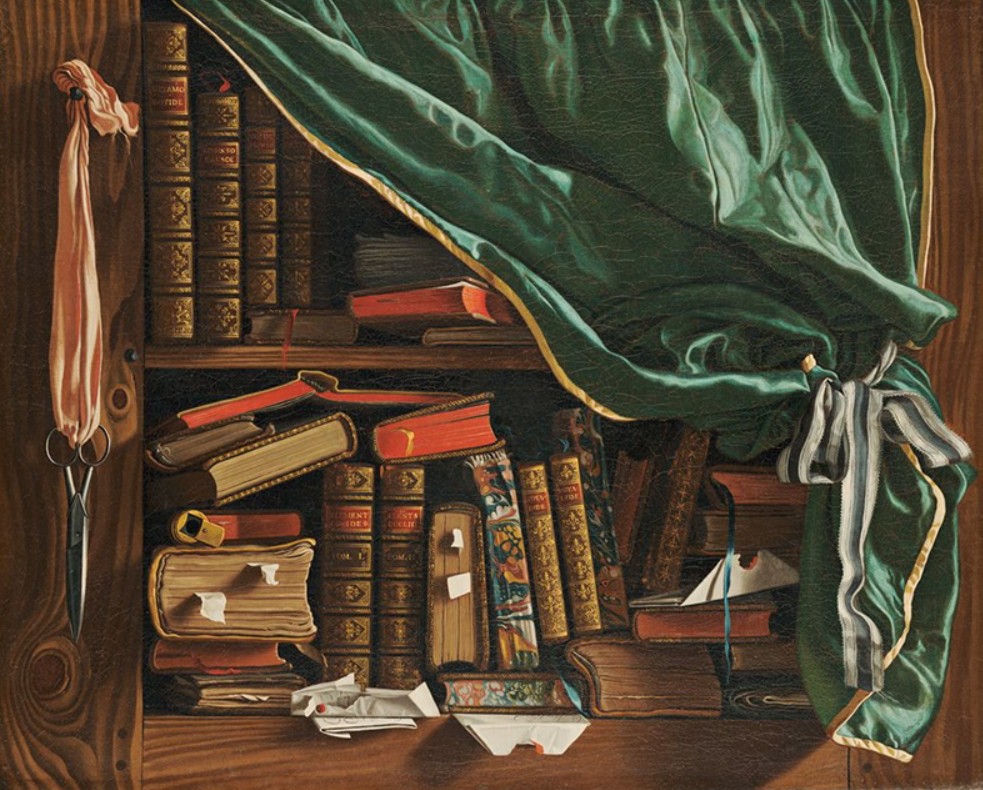
Parallelamente, il pensiero filosofico di Emanuele Coccia con “La vita delle forme” continua a influenzare il modo in cui interpretiamo la creatività contemporanea.
Questi libri non si limitano a spiegare l’arte: la trasformano in un’esperienza emotiva, accessibile, capace di parlare anche a chi non si considera esperto.
I grandi classici che continuano a ispirare
Accanto alle novità editoriali, restano fondamentali quei romanzi che hanno reso eterna la relazione tra letteratura e arte. Il ritratto di Dorian Gray di Oscar Wilde racconta la bellezza come ossessione e illusione, mentre Alla ricerca del tempo perduto di Marcel Proust trasforma la memoria in un’opera d’arte totale.
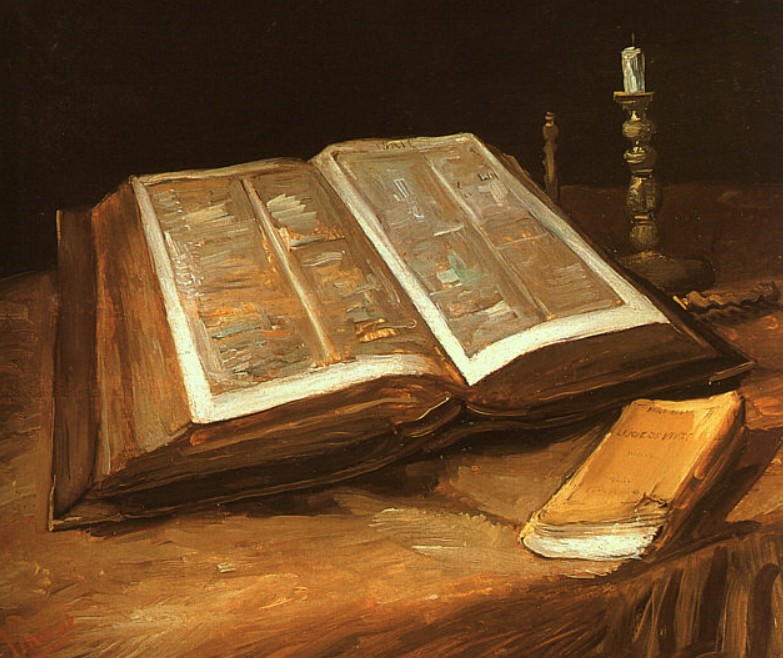
Allo stesso modo, Le città invisibili di Italo Calvino costruisce paesaggi immaginari che sembrano dipinti, e Il nome della rosa di Umberto Eco riflette sul potere dei libri come custodi del sapere.
Sono opere che non appartengono solo al passato, ma continuano a dialogare con il presente, offrendo nuove chiavi di lettura a ogni generazione.
Perché leggere oggi è un gesto rivoluzionario
Nei ritmi frenetici della contemporaneità, leggere diventa una scelta controcorrente. Aprire un libro significa fermarsi, ascoltare, immaginare. Significa concedersi il tempo di entrare in un’altra vita, in un’altra visione del mondo.
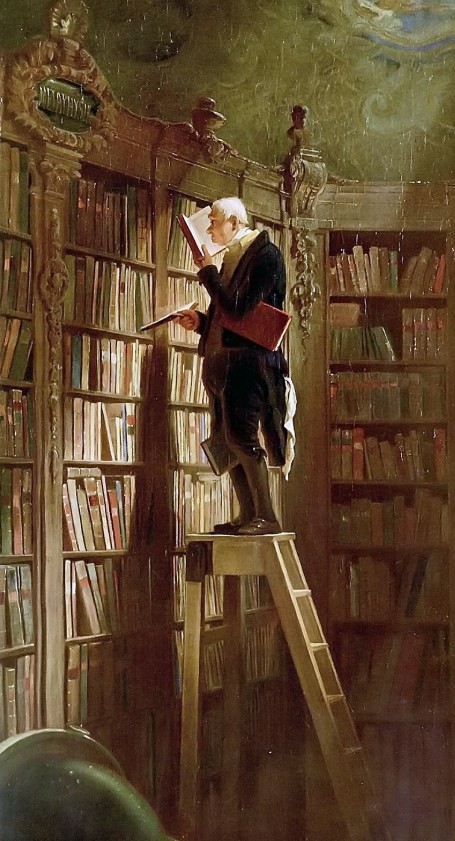
La Giornata mondiale del libro è un invito concreto a riscoprire il valore delle storie, regalare un libro, condividere un’emozione. Proprio come accade nella tradizione di San Giorgio, dove in Spagna una rosa accompagna le pagine, simbolo di un legame profondo tra bellezza e conoscenza.
In un’epoca dominata dalla velocità, i libri restano uno spazio di respiro. E il 23 aprile ci ricorda che, ogni volta che leggiamo, non stiamo solo sfogliando pagine: stiamo costruendo significato.
Per il momento il sempre vostro Michelangelo Buonarroti vi saluta dandovi appuntamento ai prossimi post e sui social.
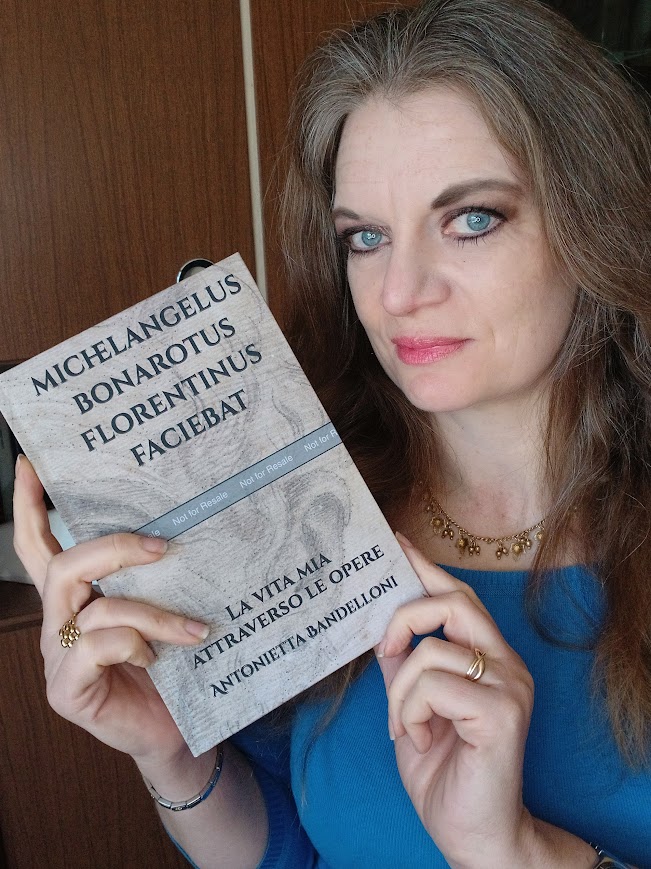
April 23, World Book Day: Reading is a Revolutionary Act
April 23 is World Book and Copyright Day, created to celebrate the power of stories and the value of creativity.
This date, however, also carries a deeper symbolic legacy. It coincides with the day dedicated to Saint George, the knight who defeated the dragon, a figure who still represents the triumph of knowledge over darkness.
It is no coincidence that on April 23, 1616, two pillars of world literature, William Shakespeare and Miguel de Cervantes, passed away. All these coincidences have transformed the day into a universal symbol of the written word, as if literature itself had chosen the moment to renew itself.
Books and Art: The Contemporary Story of Beauty
A book can be not only a narrative, but also an artistic experience. New publications present art as something alive, capable of transcending time and engaging with emotions.
Among the most recent titles, works such as “The Other History of Art. The Vanquished Winners” by Flavio Caroli offer a passionate vision of art history, while “Painted Animals” by Stefano Zuffi explores the profound connection between religious, political, and social symbolism.
At the same time, Emanuele Coccia’s philosophical thought, with “The Life of Forms,” continues to influence the way we interpret contemporary creativity.
These books do more than simply explain art: they transform it into an emotional, accessible experience, capable of speaking even to those who do not consider themselves experts.
The great classics that continue to inspire
Alongside new publications, those novels that have perpetuated the relationship between literature and art remain fundamental. Oscar Wilde’s The Picture of Dorian Gray describes beauty as obsession and illusion, while Marcel Proust’s In Search of Lost Time transforms memory into a total work of art.
Similarly, Italo Calvino’s Invisible Cities constructs imaginary landscapes that seem painted, and Umberto Eco’s The Name of the Rose reflects on the power of books as custodians of knowledge.
These works don’t just belong to the past, but continue to dialogue with the present, offering new interpretations to every generation.
Because reading today is a revolutionary gesture
In the frenetic pace of contemporary life, reading becomes a countercurrent choice. Opening a book means stopping, listening, imagining. It means giving yourself time to enter another life, another vision of the world.
World Book Day is a concrete invitation to rediscover the value of stories, to give a book as a gift, to share an emotion. Just as in the tradition of Saint George, where in Spain a rose accompanies the pages, symbolizing a profound connection between beauty and knowledge.
In an age dominated by speed, books remain a space for respite. And April 23 reminds us that, every time we read, we are not just leafing through pages: we are constructing meaning.
For now, yours truly, Michelangelo Buonarroti, bids farewell and invites you to join him in future posts and on social media.

Sostienici – Support Us
Se questo blog ti piace e ti appassiona, puoi aiutarci a farlo crescere sempre più sostenendoci in modo concreto condividendo i post, seguendo le pagine social e con un contributo che ci aiuta ad andare avanti con il nostro lavoro di divulgazione. . ENGLISH: If you like and are passionate about this blog, you can help us make it grow more and more by supporting us in a concrete way by sharing posts, following social pages and with a contribution that helps us to move forward with our dissemination work.
10,00 €
Condividi:


Questo sono io




sostienici

Sostienici – Support Us
Se questo blog ti piace e ti appassiona, puoi aiutarci a farlo crescere sempre più sostenendoci in modo concreto condividendo i post, seguendo le pagine social e con un contributo che ci aiuta ad andare avanti con il nostro lavoro di divulgazione. . ENGLISH: If you like and are passionate about this blog, you can help us make it grow more and more by supporting us in a concrete way by sharing posts, following social pages and with a contribution that helps us to move forward with our dissemination work.
€10,00


Non conoscevo questa giornata dedicata ai libri 📖📖📖📖📖📖👌👍
"Mi piace""Mi piace"
Libri essenziali per la crescita personale e sociale!!
"Mi piace"Piace a 1 persona