

Il rifacimento della mano di Dio
Durante lo svolgimento del conclave del 1565 che portò all’elezione sul soglio di Pietro papa Pio V, si aprirono delle grandi crepe sulla volta della Cappella Sistina.
I cardinali nel panico concessero in via straordinaria di entrare in quel luogo impenetrabile durante le votazioni per nominare in nuovo pontefice a tre architetti: Vignola, il Salustio e Nanni di Baccio.
La stabilità della Sistina era una faccenda complessa fin dalla sua costruzione. Quell’accadimento però, preceduto da tanti altri simili, fece sì che gli architetti iniziassero a lavorare per garantire la stabilità presente e futura di tutta la Sistina.

All’artista di Modena Domenico Carnevali fu chiesto di restaurare la volta laddove si erano create delle fratture evidenti e dove c’erano stati dei distacchi importanti della superficie pittorica. Molto probabilmente il suo lavoro si limitò al rifacimento in affresco delle parti cadute rovinosamente a terra che si sbriciolarono.
Il Carnevali non perse tempo e si mise a preparare i cartoni di quelle porzioni da rifare che poi avrebbe trasposto sull’intonaco appena steso con la tecnica dell’incisione indiretta. Era un artista assai ingegnoso e per niente sprovveduto. Prima di applicare il nuovo intonaco creava una struttura sottostante in fili di ferro trattenuti con grandi chiodi piantati nella parete.
Non sono molte le parti che il Carnevali rifece ma alcune sono di notevole importanza come per esempio la falange distale del medio di Adamo, parte della distale dell’anulare e la falange distale dell’indice nonché parte della sua falange intermedia nel celeberrimo riquadro scena della Creazione di Adamo.

Fu sempre il Carnevali a rifare a buon fresco la mano sinistra di Dio nel riquadro della Separazione delle acque con molta accuratezza.
Durante l’ultimo restauro la mano è stata ovviamente lasciata ma è stata tolta la stuccatura di fondo e rifatta ad acquerello secondo criteri più moderni di restauro.
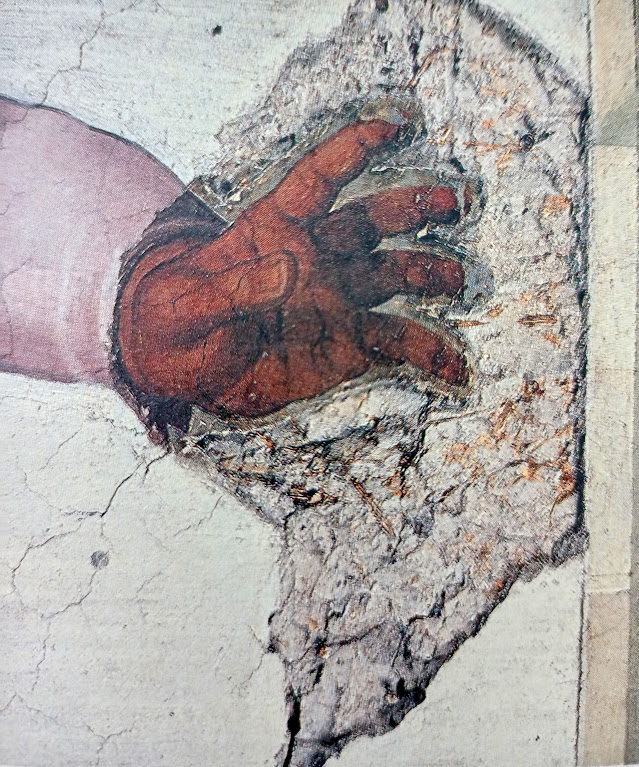
Intervenne anche su due figure nella scena con il Sacrificio di Noè, su piede di un ignudo su una parte del re e della regina nella Crocifissione di Aman e in una porzione del capo del profeta Geremia.
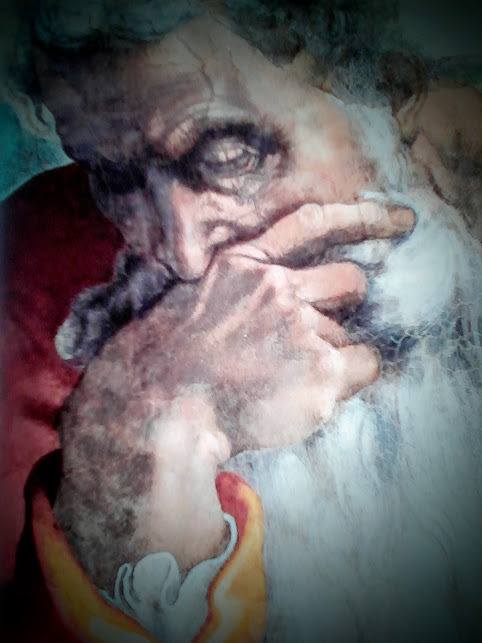
Insomma come vedete la Cappella Sistina è ricca di sorprese e a distanza di secoli dal giorno in cui è stata edificata, ancora non smette di stupire.
Per il momento il sempre vostro Michelangelo Buonarroti vi saluta dandovi appuntamento ai prossimi post e sui social.
The remaking of the hand of God
During the conclave of 1565 that led to the election of Pope Pius V on the throne of Peter, large cracks were opened on the vault of the Sistine Chapel.
The cardinals in panic granted extraordinary permission to enter that impenetrable place during the voting to appoint three architects as new pontiff: Vignola, Salustio and Nanni di Baccio.
The stability of the Sistine Chapel was a complex matter since its construction. However, that event, preceded by many others like it, meant that the architects began to work to ensure the present and future stability of the entire Sistine Chapel.
The Modena artist Domenico Carnevali was asked to restore the vault where evident fractures had been created and where there had been significant detachments of the pictorial surface. Most likely his work was limited to the reconstruction in fresco of the parts that fell ruinously to the ground and crumbled.
Carnevali wasted no time and began preparing the cartons of those portions to be redone which he would then transpose onto the freshly spread plaster with the indirect etching technique. He was a very ingenious artist and not at all inexperienced. Before applying the new plaster he created an underlying structure in iron wires held in place with large nails driven into the wall.
There are not many parts that Carnevali did again but some are of considerable importance such as the distal phalanx of the middle finger of Adam, part of the distal phalanx of the ring finger and the distal phalanx of the index finger as well as part of its intermediate phalanx in the famous scene box of the Creation of Adam.
It was always Carnevali who painted the left hand of God in the box of the Separation of the waters with great accuracy.
During the last restoration, the hand was obviously left but the background stucco was removed and redone in watercolor according to more modern restoration criteria.
He also intervened on two figures in the scene with the Sacrifice of Noah, on the foot of a naked on a part of the king and queen in the Crucifixion of Aman and in a portion of the head of the prophet Jeremiah.
In short, as you can see, the Sistine Chapel is full of surprises and centuries after the day it was built, it still does not cease to amaze.
For the moment your always your Michelangelo Buonarroti greets you by giving you an appointment to the next posts and on social networks

Sostienici – Support Us
Se questo blog ti piace e ti appassiona, puoi aiutarci a farlo crescere sempre più sostenendoci in modo concreto condividendo i post, seguendo le pagine social e con un contributo che ci aiuta ad andare avanti con il nostro lavoro di divulgazione. . ENGLISH: If you like and are passionate about this blog, you can help us make it grow more and more by supporting us in a concrete way by sharing posts, following social pages and with a contribution that helps us to move forward with our dissemination work.
5,00 €
-
Il Sacrificio di Isacco e quel momento tra la vita e la morte
🇮🇹Oggi voglio raccontarvi alcuni dettagli sul mio disegno del Sacrificio di Isacco, conservato oggi a Casa Buonarroti. Su quel foglio volli tracciare il momento preciso in cui la paura fa spazio al miracolo… 🇬🇧Today I want to tell you some details about my drawing of the Sacrifice of Isaac, now preserved at Casa Buonarroti. On…
-
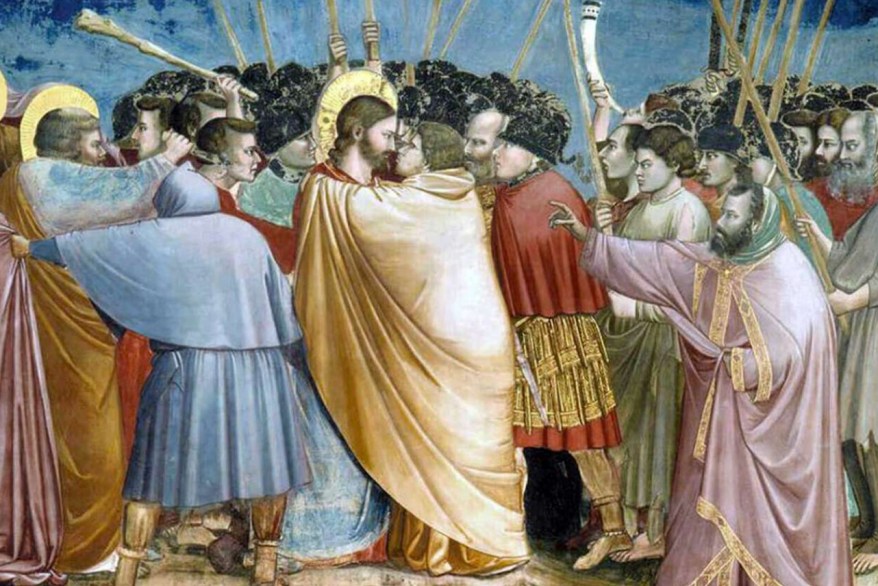
Mercoledì Santo: il giorno del tradimento di Giuda affrescato da Giotto
🇮🇹Il Mercoledì Santo è il giorno del silenzio, della riflessione e del tradimento. È il momento in cui Giuda sceglie di vendere Gesù per trenta denari, segnando uno dei passaggi più dolorosi della Settimana Santa…. 🇬🇧Holy Wednesday is a day of silence, reflection, and betrayal. ✝It is the moment when Judas chooses to sell Jesus…
-
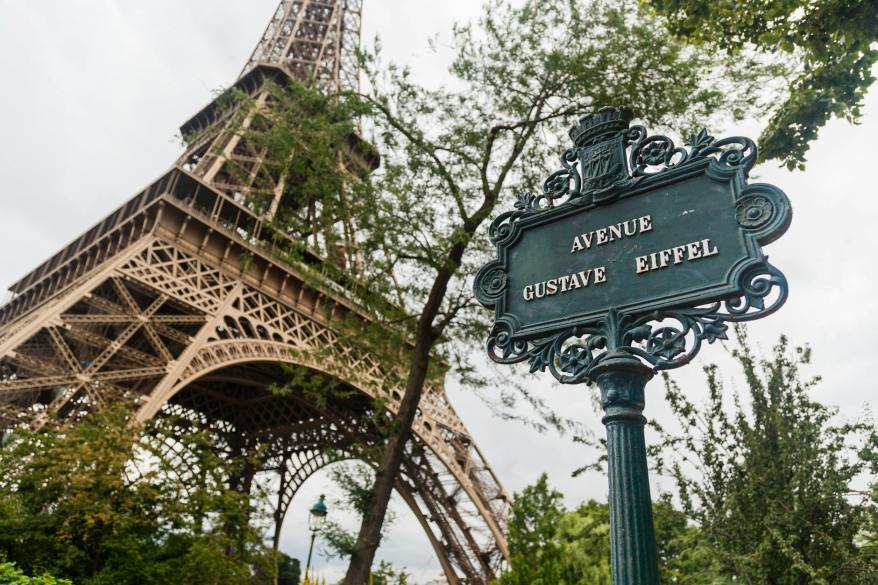
31 marzo 1889: inaugurata la Torre Eiffel tra critiche feroci e un destino inaspettato
🇮🇹Il 31 marzo 1889 segna una data destinata a cambiare per sempre il volto di Parigi e dell’immaginario collettivo globale: viene inaugurata la Torre Eiffel, l’opera più audace e discussa del suo tempo… 🇬🇧March 31, 1889 marks a date destined to change the face of Paris and the global collective imagination forever: the Eiffel Tower,…
Condividi:


Questo sono io





sostienici

Sostienici – Support Us
Se questo blog ti piace e ti appassiona, puoi aiutarci a farlo crescere sempre più sostenendoci in modo concreto condividendo i post, seguendo le pagine social e con un contributo che ci aiuta ad andare avanti con il nostro lavoro di divulgazione. . ENGLISH: If you like and are passionate about this blog, you can help us make it grow more and more by supporting us in a concrete way by sharing posts, following social pages and with a contribution that helps us to move forward with our dissemination work.
€10,00


