
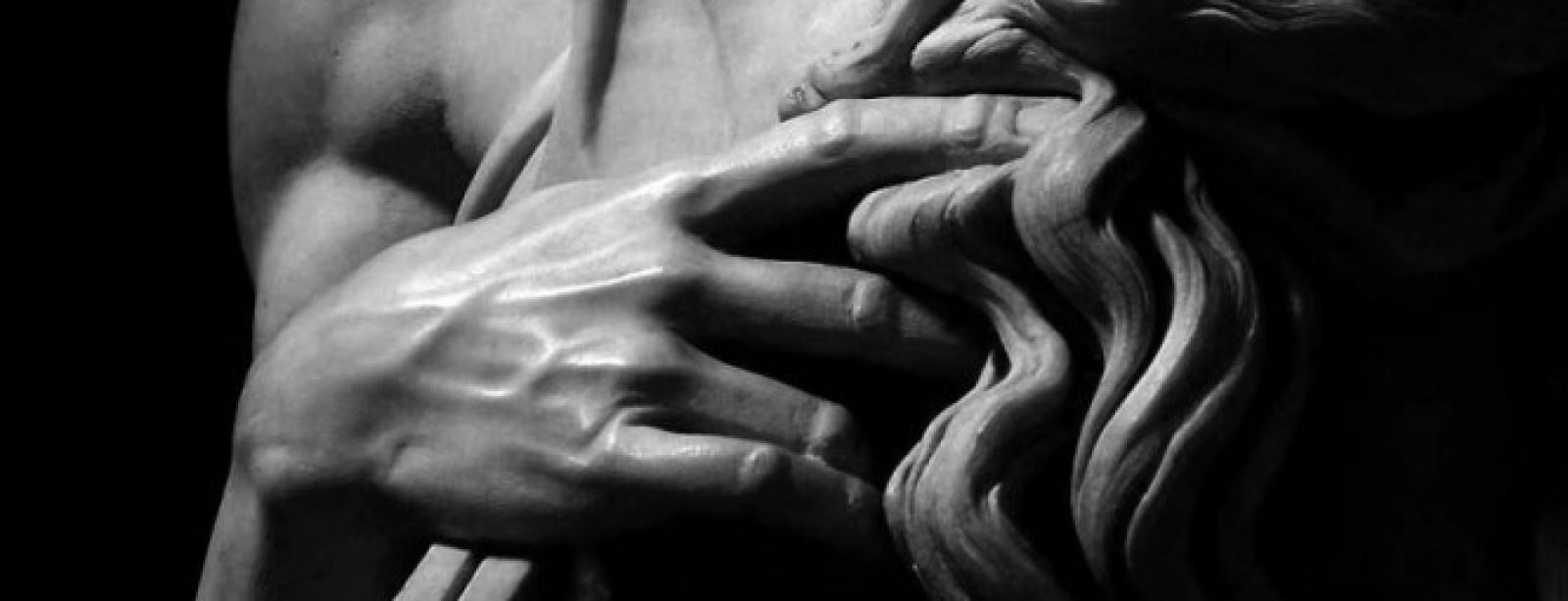
La punta dello scalpello ritrovata in un’opera mia
Quando vengono intrapresi restauri, spesso si scoprono cose nuove anche su opere molto note e restaurate magari trenta o quaranta anni prima.
E’ esattamente ciò che è accaduto durante il restauro che ha avuto come protagonista la Sagrestia Nuova a Firenze. Il restauro ha avuto inizio con la fase preliminare delle indagini diagnostiche e le approfondite ricerche documentarie nel 2013 per poi essere portato a termine nel 2021.
Il restauro è stato eseguito materialmente dalla restauratrice Marina Vincenti proveniente dall’Istituto Centrale del Restauro e da Daniela Manna, proveniente dall’Opificio delle Pietre Dure. Antonio Forcellino invece ha restaurato la Madonna Medici, San Cosma e San Damiano.
Durante questo restauro, per rimuovere macchie piuttosto persistenti, sono stati adoperati batteri provenienti da terreni inquinati. Ve ne ho parlato a suo tempo QUA.
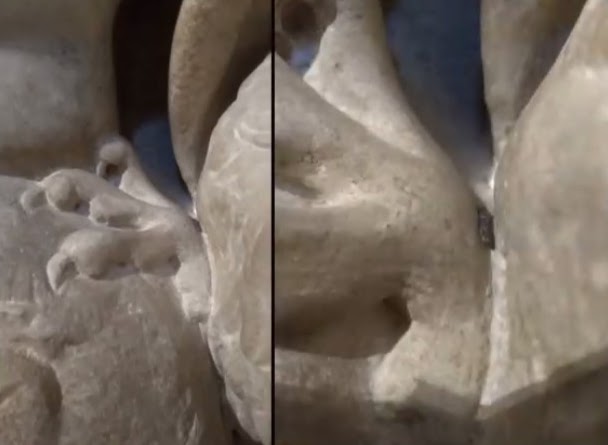
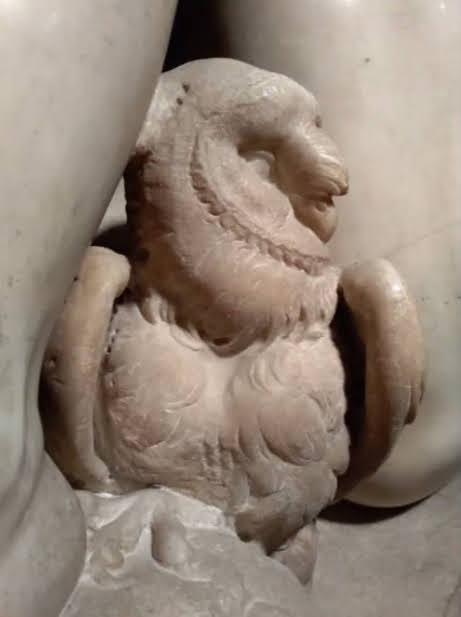
Durante i lavori di restauro è stato scoperto qualcosa di singolare e curioso, sicuramente degno di nota. Ebbene, incastrata nella zampa del barbagianni c’è la punta di un mio scalpello che ancora se ne sta lì ben conficcata nel marmo.
Immaginate con quanta potenza la incastrai lì dentro: impossibile rimuovere la punta dello scalpello anche volendo. Ecco perché ancora rimane lì nonostante gli spostamenti che hanno subito le opere sulle tombe dei duchi nel corso dei secoli, compreso lo smontaggio che fu necessario effettuare per tentare di proteggere le sculture durante la Seconda Guerra Mondiale.

A breve uscirà un volume dedicato al restauro della Sagrestia Nuova, pubblicato dalla Cassa di Risparmio di Firenze. Per il momento il vostro Michelangelo Buonarroti vi saluta dandovi appuntamento ai prossimi post e sui social.
The tip of the chisel found in a work of mine
When restorations are undertaken, new things are often discovered even on well-known and restored works perhaps thirty or forty years earlier.
This is exactly what happened during the restoration that had the New Sacristy in Florence as its protagonist. The restoration began with the preliminary phase of diagnostic investigations and in-depth documentary searches in 2013 and was then completed in 2021.
The restoration was physically carried out by the restorer Marina Vincenti from the Central Institute of Restoration and by Daniela Manna, from the Opificio delle Pietre Dure. Antonio Forcellino instead restored the Madonna Medici, San Cosma and San Damiano.
During this restoration, bacteria from polluted soils were used to remove rather persistent stains. I told you about it in time HERE.
During the restoration work, something singular and curious was discovered, certainly noteworthy. Well, stuck in the paw of the barn owl is the tip of one of my chisels that still sits there well stuck in the marble.
Imagine how powerfully I embedded it in there: impossible to remove it even if you wanted to. That is why it still remains there despite the movements that the works on the tombs of the dukes have undergone over the centuries, including the disassembly that was necessary to try to protect the sculptures during the Second World War.
A volume dedicated to the restoration of the New Sacristy will soon be published, published by the Cassa di Risparmio di Firenze.
For the moment, your Michelangelo Buonarroti greets you by giving you an appointment at the next posts and on social networks.

Sostienici – Support Us
Se questo blog ti piace e ti appassiona, puoi aiutarci a farlo crescere sempre più sostenendoci in modo concreto condividendo i post, seguendo le pagine social e con un contributo che ci aiuta ad andare avanti con il nostro lavoro di divulgazione. . ENGLISH: If you like and are passionate about this blog, you can help us make it grow more and more by supporting us in a concrete way by sharing posts, following social pages and with a contribution that helps us to move forward with our dissemination work.
5,00 €
-
26 ottobre 1890: muore Carlo Collodi, lo scrittore toscano che inventò Pinocchio
Il 26 ottobre 1890 moriva a Firenze Carlo Collodi, autore di Pinocchio. Dalla prima pubblicazione nel 1881 al successo mondiale del burattino…
-
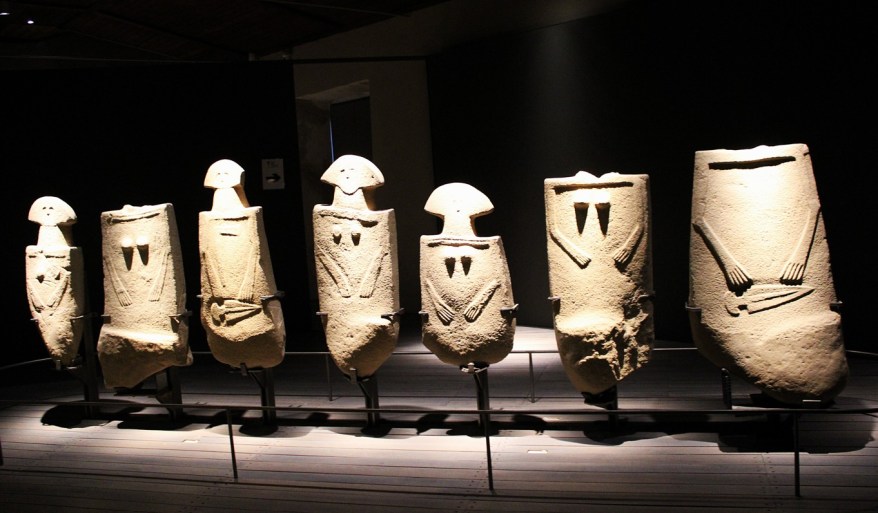
I musei meno conosciuti della Toscana che meritano una visita: 10 province, 10 luoghi da scoprire
🇮🇹Dalle statue stele della Lunigiana alle antiche botteghe artigiane, passando per case-museo, collezioni insolite e testimonianze della vita quotidiana: ecco dieci musei da visitare in Toscana, uno per ogni provincia, per scoprire un patrimonio artistico e culturale che va ben oltre le mete più famose… 🇬🇧From the stele statues of Lunigiana to ancient artisan workshops—not…
-
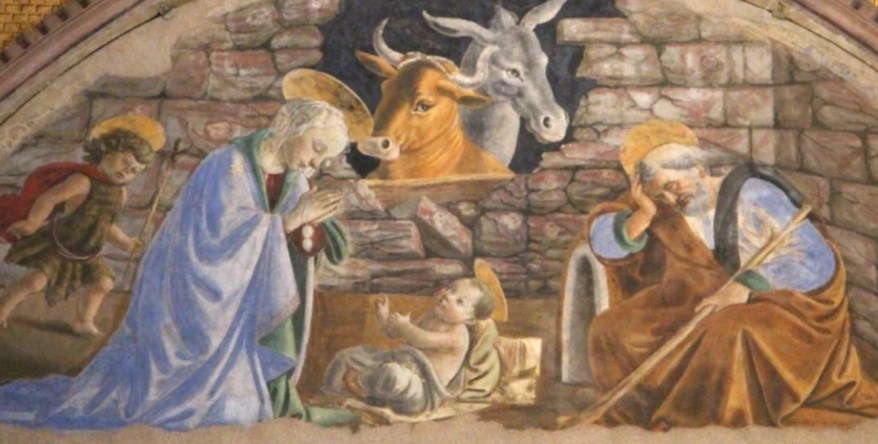
Perché il bue e l’asino sono accanto a Gesù Bambino? La storia dietro una tradizione secolare
🇮🇹Perché il bue e l’asinello sono accanto a Gesù Bambino nel presepe? Scopri le origini bibliche, il significato simbolico e la storia nell’arte… 🇬🇧Why are the ox and the donkey beside Baby Jesus in the nativity scene? Discover their biblical origins, symbolic meaning, and history in art…
Condividi:


Questo sono io




sostienici

Sostienici – Support Us
Se questo blog ti piace e ti appassiona, puoi aiutarci a farlo crescere sempre più sostenendoci in modo concreto condividendo i post, seguendo le pagine social e con un contributo che ci aiuta ad andare avanti con il nostro lavoro di divulgazione. . ENGLISH: If you like and are passionate about this blog, you can help us make it grow more and more by supporting us in a concrete way by sharing posts, following social pages and with a contribution that helps us to move forward with our dissemination work.
€10,00


1 commento »