

Il barbagianni della Notte
Sotto la gamba sinistra piegata della Notte si fa spazio la presenza di un rapace notturno. Al contrario di quanto spesso viene detto, non è una civetta ma un bel barbagianni.

Poco cambia ai fini simbolici, questo è chiaro, ma ci tenevo a precisare la specie di pennuto che osserva i visitatori della Sagrestia Nuova imperterrito da secoli.
L’allegoria della Notte è l’unica che è accompagnata da numerosi simboli che fanno riferimento a quella specifica fase della giornata mentre le altre non ne hanno nessuno.

Oltre al barbagianni, la Notte presenta sul capo un diadema con una stella e la falce lunare mentre appoggia il piede sinistro su un fascio di papaveri, allusivi al loro potere soporifero.

In primo piano si vede anche il mascherone di grande effetto scenico. Quello potrebbe essere un riferimento all’alternanza degli incubi e dei sogni ma anche a monna morte che ha condotto i duchi al sonno eterno.

Per il momento il vostro Michelangelo Buonarroti vi saluta dandovi appuntamento ai prossimi post e sui social.

The Night Owl
Under the bent left leg of the Night the presence of a nocturnal bird of prey makes room.
Contrary to what is often said, it is not an owl but a beautiful barn owl.
Little changes for symbolic purposes, this is clear, but I wanted to clarify the species of bird that has observed visitors to the New Sacristy undaunted for centuries.
The allegory of the Night is the only one that is accompanied by numerous symbols that refer to that specific phase of the day while the others have none.
In addition to the barn owl, the Night has a tiara on her head with a star and the crescent moon while she rests her left foot on a bundle of poppies, alluding to their soporific power.
In the foreground you can also see the mask of great scenic effect. That could be a reference to the alternation of nightmares and dreams but also to death that led the dukes to eternal sleep.
For the moment, your Michelangelo Buonarroti greets you by giving you an appointment at the next posts and on social networks

Sostienici – Support Us
Se questo blog ti piace e ti appassiona, puoi aiutarci a farlo crescere sempre più sostenendoci in modo concreto condividendo i post, seguendo le pagine social e con un contributo che ci aiuta ad andare avanti con il nostro lavoro di divulgazione. . ENGLISH: If you like and are passionate about this blog, you can help us make it grow more and more by supporting us in a concrete way by sharing posts, following social pages and with a contribution that helps us to move forward with our dissemination work.
5,00 €
-
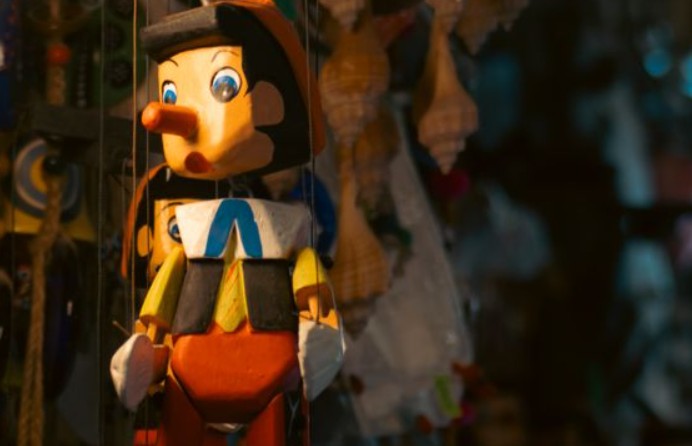
26 ottobre 1890: muore Carlo Collodi, lo scrittore toscano che inventò Pinocchio
Il 26 ottobre 1890 moriva a Firenze Carlo Collodi, autore di Pinocchio. Dalla prima pubblicazione nel 1881 al successo mondiale del burattino…
-
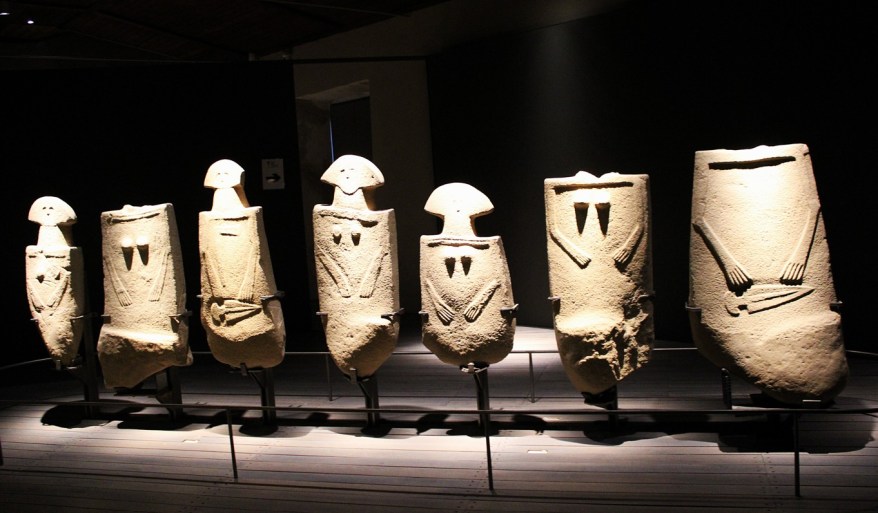
I musei meno conosciuti della Toscana che meritano una visita: 10 province, 10 luoghi da scoprire
🇮🇹Dalle statue stele della Lunigiana alle antiche botteghe artigiane, passando per case-museo, collezioni insolite e testimonianze della vita quotidiana: ecco dieci musei da visitare in Toscana, uno per ogni provincia, per scoprire un patrimonio artistico e culturale che va ben oltre le mete più famose… 🇬🇧From the stele statues of Lunigiana to ancient artisan workshops—not…
-
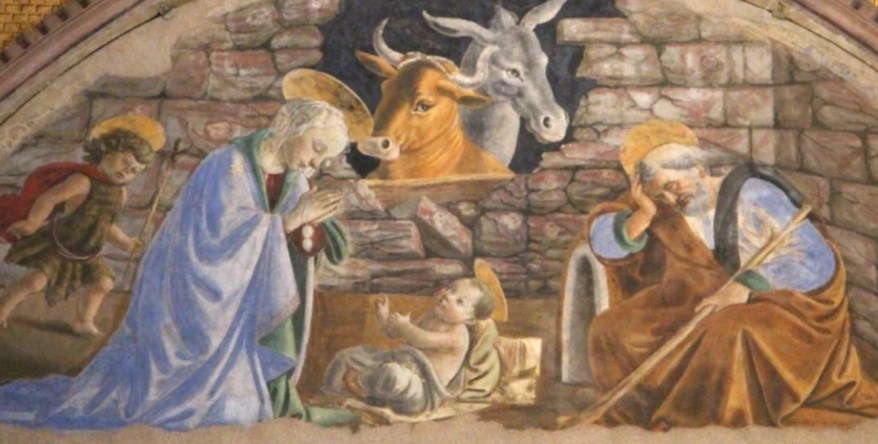
Perché il bue e l’asino sono accanto a Gesù Bambino? La storia dietro una tradizione secolare
🇮🇹Perché il bue e l’asinello sono accanto a Gesù Bambino nel presepe? Scopri le origini bibliche, il significato simbolico e la storia nell’arte… 🇬🇧Why are the ox and the donkey beside Baby Jesus in the nativity scene? Discover their biblical origins, symbolic meaning, and history in art…
Condividi:


Questo sono io




sostienici

Sostienici – Support Us
Se questo blog ti piace e ti appassiona, puoi aiutarci a farlo crescere sempre più sostenendoci in modo concreto condividendo i post, seguendo le pagine social e con un contributo che ci aiuta ad andare avanti con il nostro lavoro di divulgazione. . ENGLISH: If you like and are passionate about this blog, you can help us make it grow more and more by supporting us in a concrete way by sharing posts, following social pages and with a contribution that helps us to move forward with our dissemination work.
€10,00


1 commento »