

Giovanni dalle Bande nere del Bandinelli
Come sapete il Bandinelli non l’ho mai avuto simpatico anzi, l’avevo proprio a schifo. Cercava d’imitarmi ma con risultati che sfioravano il ridicolo. Pensate al suo Ercole davanti a Palazzo Vecchio e qui muscoli appiccicati che paion sacchi di poponi.
Perché vi fo’ questa premessa? Nonostante la sua poca dimestichezza con l’anatomia del corpo umano, ricevette diverse commissioni e le sue opere ancora le potete trovare in giro per Firenze. Una di queste è il monumento che fece a Giovanni delle Bande Nere che se ne sta davanti alla Basilica di San Lorenzo.

L’opera gli fu commissionata da Cosimo I de’ Medici con lo scopo di rendere omaggio al su babbo Giovanni. A differenza di altri valorosi condottieri raffigurati in piedi per avere un aspetto ancora più maestoso o in sella al proprio cavallo, Giovanni delle Bande Nere se ne sta seduto.
La sua posa non è casuale. In origine avrebbe dovuto essere collocato all’interno della Basilica di San Lorenzo, nella Cappella Neroni. Dato che gli spazi erano limitati, non poteva entrare là dentro ritto in piedi.

Il Bandinelli scolpì l’opera nel 1540. Dopo aver terminato il lavoro, Cosimo I preferì mettere la scultura nella Sala delle Udienze di Palazzo Vecchio priva del basamento originale. Secondo lui era troppo ingombrante e non ci stava bene lì. Volle però sistemare la base in Piazza San Lorenzo dove vedete oggi l’intero complesso monumentale. Nell’Ottocento fu adornata con fregi classicheggianti e venne aggiunta anche una fonte per far dissetare i cavalli che passavano di lì. L’acqua sgorgava dalla maschera leonina pensata da Giuseppe del Rosso.
Solo nel 1850 la scultura di Giovanni venne riposizionata sopra il suo basamento e per l’occasione iniziò a circolare un epigramma satirico che così recitava: “Messer Giovanni delle Bande Nere/ dal lungo cavalcar noiato e stanco/ scese di sella e si pose a sedere.”

Se guardate sul basamento troverete il racconto scritto di quella ricomposizione del monumento: “una parte di questo monumento, destinato da Cosimo I ad onorare la memoria del padre, Giovanni dalle Bande Nere, lungamente non curata qui stette, e il volgo la chiamò la base di san Lorenzo, restaurata nell’anno MDCCCL e postavi la statua del gran capitano ebbe infine compimento la pregevole opera scolpita dal Bandinelli”. Ora sul termine pregevole io avrei qualcosa da ridire, ma lasciamo stare via, tanto ormai siam morti tutti e due.
Per il momento il vostro Michelangelo Buonarroti vi saluta.

Giovanni dalle Bande Nere by Bandinelli
As you know, I have never liked Bandinelli, on the contrary, I really was disgusting. He tried to imitate me but with results that bordered on ridicule. Think of his Hercules in front of Palazzo Vecchio and here muscles placed there at random that look like sacks of melons.
Why am I making this premise? Despite his unfamiliarity with the anatomy of the human body, he received several commissions and his works can still be found around Florence. One of these is the monument he made to Giovanni delle Bande Nere who stands in front of the Basilica of San Lorenzo.
The work was commissioned by Cosimo I de ‘Medici with the aim of paying homage to his father Giovanni. Unlike other brave leaders depicted standing to have an even more majestic appearance or riding his horse, Giovanni delle Bande Nere is seated.
His pose is not accidental. Originally it should have been located inside the Basilica of San Lorenzo, in the Neroni Chapel. Since the spaces were limited, he could not walk in there standing upright.
Bandinelli sculpted the work in 1540. After finishing the work, Cosimo I preferred to place the sculpture in the Sala delle Adienze of Palazzo Vecchio without the original base. According to him it was too bulky and it didn’t fit there. However, he wanted to arrange the base in Piazza San Lorenzo where you can see the entire monumental complex today. In the nineteenth century it was adorned with classical friezes and a fountain was also added to quench the thirst of the horses passing by. The water flowed from the leonine mask designed by Giuseppe del Rosso.
Only in 1850 the sculpture of Giovanni was repositioned on its base and for the occasion a satirical epigram began to circulate that read as follows: “Messer Giovanni delle Bande Nere / from the long bored and tired ride / got out of the saddle and sat down . “
If you look on the base you will find the written account of that recomposition of the monument: “A part of this monument, destined by Cosimo I to honor the memory of his father, Giovanni dalle Bande Nere, was long uncared for here, and the common people called it the base of San Lorenzo, restored in the year MDCCCL and placed the statue of the great captain, finally the valuable work sculpted by Bandinelli was completed ”. Now on the term valuable I would have something to say, but let’s leave it alone, so much by now we are both dead.
For the moment your Michelangelo Buonarroti greets you.

Sostienici – Support Us
Se questo blog ti piace e ti appassiona, puoi aiutarci a farlo crescere sempre più sostenendoci in modo concreto condividendo i post, seguendo le pagine social e con un contributo che ci aiuta ad andare avanti con il nostro lavoro di divulgazione. . ENGLISH: If you like and are passionate about this blog, you can help us make it grow more and more by supporting us in a concrete way by sharing posts, following social pages and with a contribution that helps us to move forward with our dissemination work.
5,00 €
ULTIMI ARTICOLI
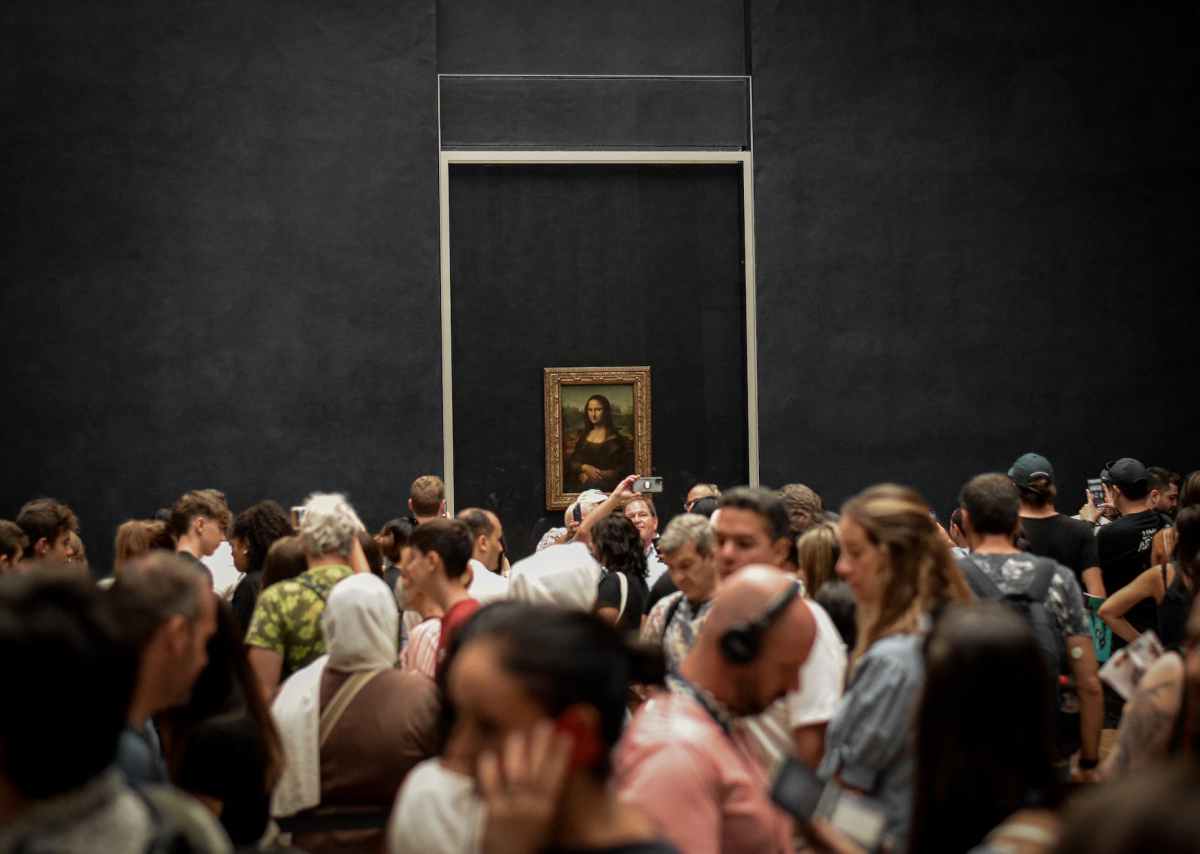
Il Louvre rischia la chiusura? Ecco cosa sta succedendo al museo dopo il furto da 88 milioni
🇮🇹Il Louvre rischia di chiudere senza una grande ristrutturazione. Dopo il furto dei gioielli della Corona, il direttore Christophe Leribault lancia l’allarme… 🇬🇧The Louvre risks closure without a major renovation. Following the theft of the Crown Jewels, director Christophe Leribault has raised the alarm…
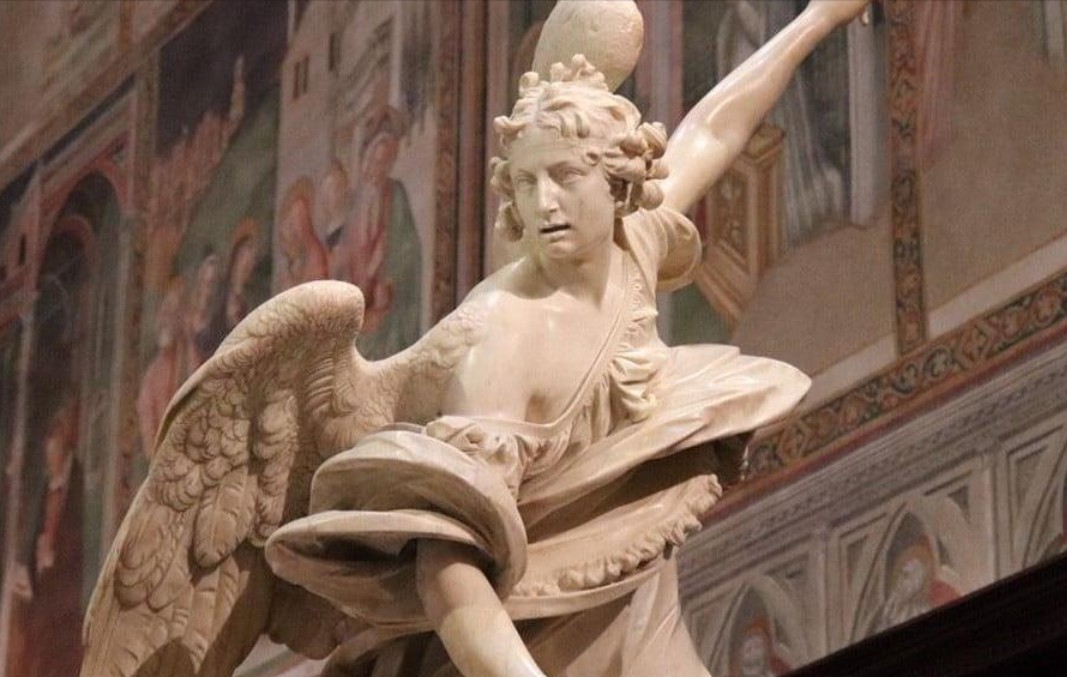
Francesco Mochi, lo scultore che liberò il marmo e il bronzo dal silenzio prima di Bernini
🇮🇹Prima di Bernini, c’è stato Francesco Mochi: scultore straordinario del Seicento, Mochi anticipò il dinamismo barocco con figure che sembrano sul punto di uscire dalla pietra e cavalli di bronzo carichi di energia… 🇬🇧Before Bernini, there was Francesco Mochi—an extraordinary 17th-century sculptor who anticipated Baroque dynamism with figures that seem on the verge of stepping…
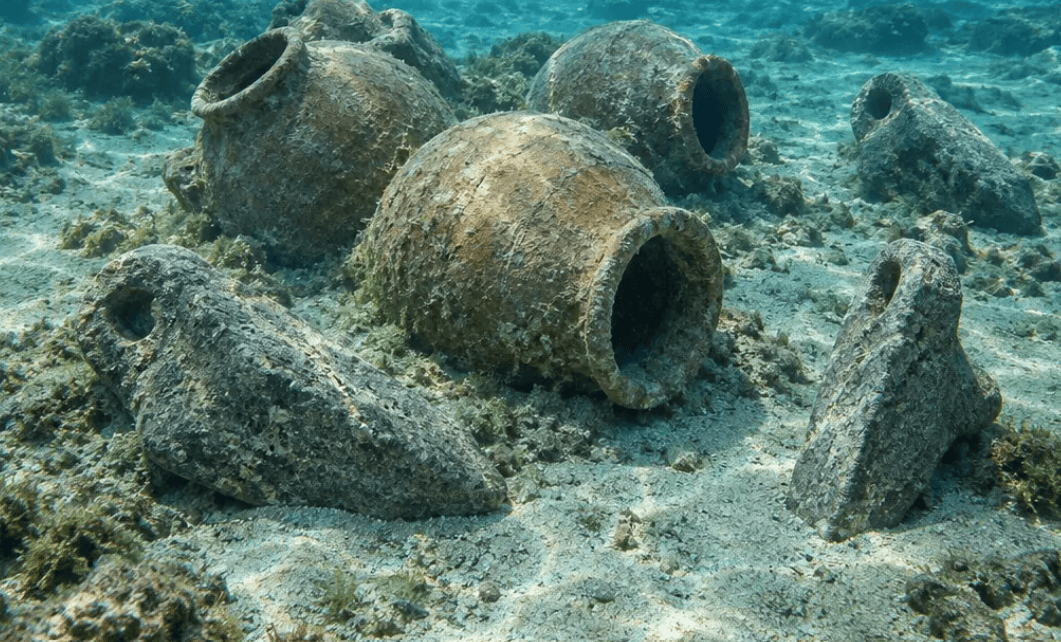
Kekova, Turchia: trovato un relitto di quasi 5.000 anni fa
🇮🇹Al largo di Kekova, in Turchia, un relitto che potrebbe risalire a 4.700 anni fa riporta l’attenzione sugli antichi commerci del Mediterraneo… 🇬🇧Off the coast of Kekova, in Türkiye, a shipwreck that may date back 4,700 years is drawing renewed attention to ancient Mediterranean trade…
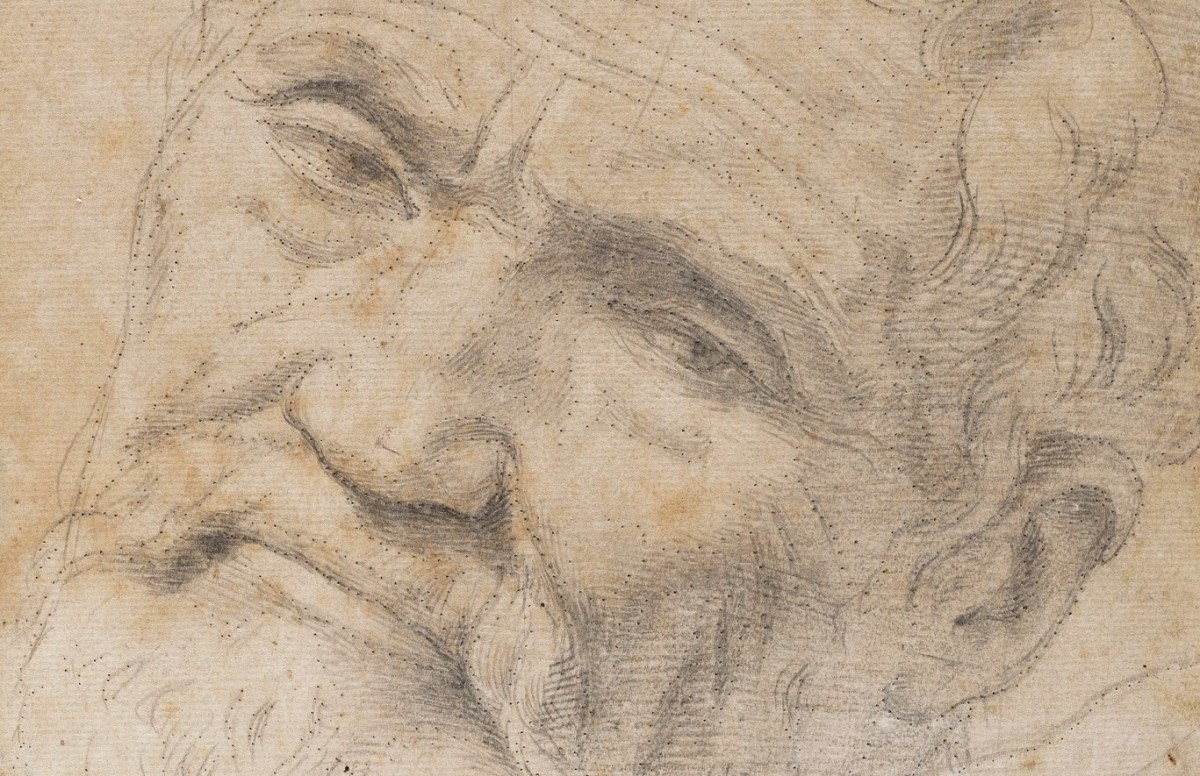
Se l’inferno fosse con te, sarebbe dolce
🇮🇹Vi racconto un mio madrigale sull’amore impossibile, la bellezza crudele e il desiderio di condividere con chi amo persino l’Inferno… 🇬🇧Let me share with you a madrigal of mine about impossible love, cruel beauty, and the desire to share even Hell with the one I love…
Si è verificato un problema. Aggiorna la pagina e/o riprova in seguito.
Condividi:


Questo sono io




sostienici

Sostienici – Support Us
Se questo blog ti piace e ti appassiona, puoi aiutarci a farlo crescere sempre più sostenendoci in modo concreto condividendo i post, seguendo le pagine social e con un contributo che ci aiuta ad andare avanti con il nostro lavoro di divulgazione. . ENGLISH: If you like and are passionate about this blog, you can help us make it grow more and more by supporting us in a concrete way by sharing posts, following social pages and with a contribution that helps us to move forward with our dissemination work.
€10,00


Buona domenica, Maestro! 😊
"Mi piace""Mi piace"
GRAZIEEE MILLE Aurora Scalora
"Mi piace""Mi piace"