
Il Salone Sistino della Biblioteca Apostolica Vaticana: la storia e il tour virtuale
Non basterebbe un anno intero per conoscere nel dettaglio tutte le opere, le sale, i corridoio e le stanze che sono presenti nei Musei Vaticani.
Oggi vi porto con me alla scoperta del Salone Sistino della Biblioteca Apostolica Vaticana.

La storia
La Biblioteca Apostolica Vaticana è stata fondata nel lontano 1451 per volere di papa Niccolò V, domenicano e raffinato umanista. Il nucleo più antico della biblioteca è costituito proprio dalla sua cospicua raccolta di libri che comprende anche i preziosi volumi arrivati fino in Vaticano dai mercati dell’Oriente e di tutta Europa.
La sua collezione comprende anche numerosi volumi posseduti dalla Biblioteca di Costantinopoli dopo la sua caduta nelle mani dei Turchi del 1453.
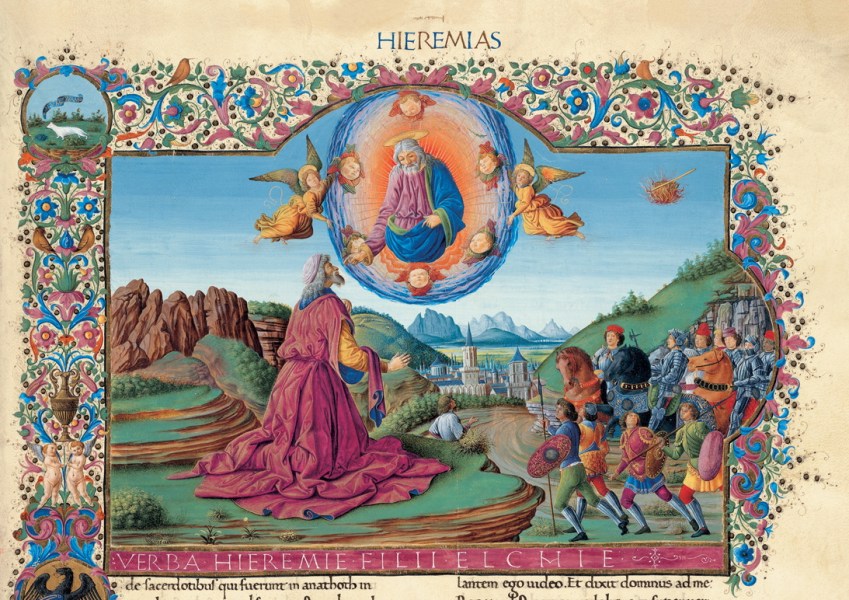
Sapete, gran parte delle elemosine entrate nelle casse papali in occasione dell’Anno Santo del 1450 fu adoperata per comprare preziosi volumi o per far realizzare raffinati codici miniati.
Se ricordo questo dettaglio mi vien da pensare quanto un tempo si investiva in cultura e lo rapporto a quanto si investe oggi: non vi nego che mi sale un groppo in gola che non si scioglie nemmeno con un quartino di Trebbiano.
Il tesoro della Biblioteca Apostolica Vaticana
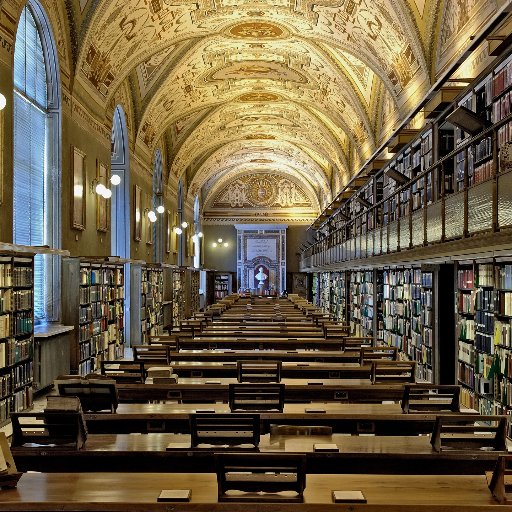
Il monumentale Salone Sistino della Biblioteca Apostolica Vaticana è opera di Domenico Fontana con quei grandi armadi addossati ai piloni e allineati lungo le pareti. Nei secoli successivi la biblioteca venne ingrandita verso nord e verso sud proprio lungo l’asse fissato da Pirro Logorio sul versante occidentale del Cortile del Belvedere.
Successivamente, il corridoio che dal Salone Sistino arriva fino ai Quattro Cancelli da una parte e alla Cappella di San Pietro Martire dall’altro, fu attrezzato per accogliere armadi e magazzini per raccogliere i volumi che continuamente arrivavano in Vaticano.
Il ricco patrimonio di cui attualmente dispone è in continua espansione. Al momento possiede circa un milione di libri stampati fra i quali 8400 sono incunaboli, 150mila manoscritti, 300mila monete e medaglie e 70mila stampe e incisioni pregiate.
Il Salone Sistino di Domenico Fontana
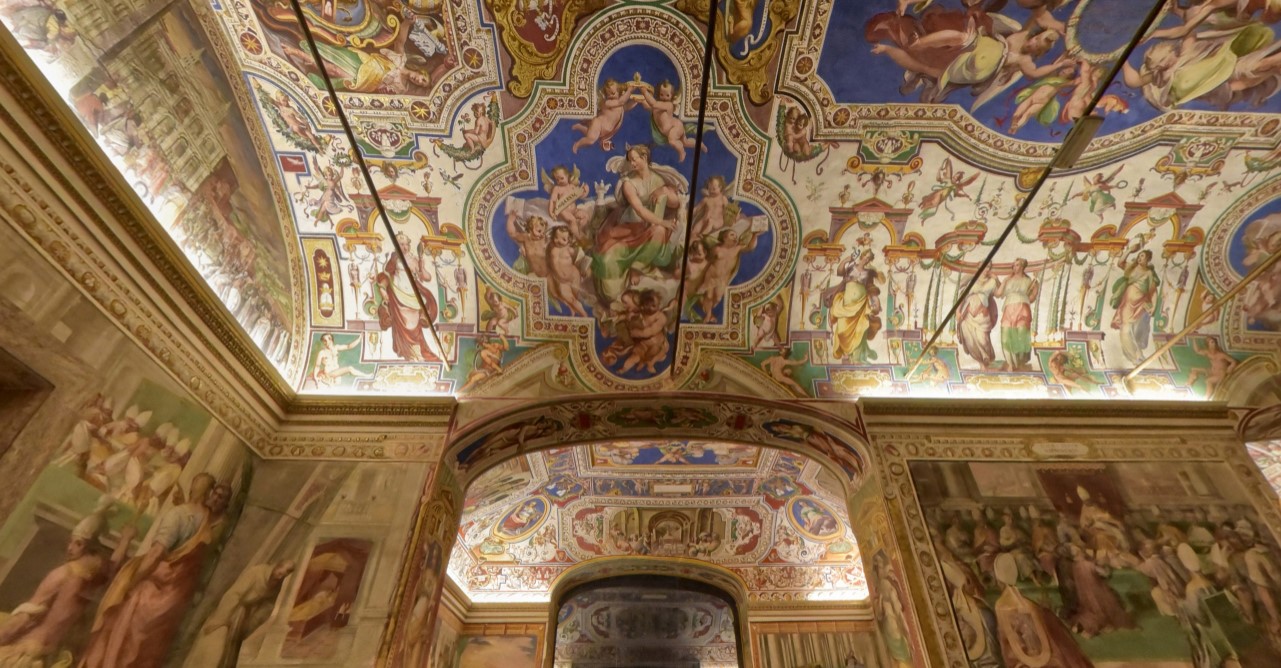
Un tempo il Salone Sistino era inondato dalla luce del sole che arrivava a rischiarare gli spazi dedicati alla consultazione dei volumi. Oggi i pesanti tendaggi davanti alle finestre servono per preservare i colori brillanti degli affreschi che decorano le colonne, le pareti e il soffitto.
Le due Sale Sistine progettate da Domenico Fontana sotto il papato di Sisto V ospitano un gran numero di doni ricevuti dai papi negli ultimi due secoli. Le lunette così come le pareti sono state affrescate con episodi accaduti durante i due anni di pontificato di papa Sisto V, dal 1588 al 1590.
Il grande Salone Sistino fu affrescato fra il 1585 e il 1588 dal modenese Giovanni Guerra e da Cesare Nebbia, arrivato per l’occasione da Orvieto. Durante il loro lungo lavoro furono aiutati da un gran numero di pittori fra i quali vale la pena menzionare Giovanni Baglione, Prospero Orsi e Andrea Lilio.

Il libro
Se volete approfondire la conoscenza sulla Biblioteca Apostolica Vaticana, sugli spazi che occupa e sui capolavori di cui dispone, vi consiglio il libro La Biblioteca Apostolica Vaticana. Ediz. illustrata edito da Electa con un importante apparato fotografico. Lo trovate QUA.

Il tour virtuale
Pronti per partire con un viaggio virtuale alla scoperta del Salone Sistino della Biblioteca Apostolica Virtuale? Cliccate QUA per esplorare ogni suo angolo.
Per il momento il vostro Michelangelo Buonarroti vi saluta lasciandovi in compagnia di questo tour virtuale.

The Sistine Hall of the Vatican Apostolic Library: history and virtual tour
A whole year would not be enough to know in detail all the works, halls, corridors and rooms that are present in the Vatican Museums. Today I take you with me to discover the Sistine Hall of the Vatican Apostolic Library.
History
The Vatican Apostolic Library was founded way back in 1451 at the behest of Pope Nicholas V, a Dominican and refined humanist. The oldest nucleus of the library consists precisely of its large collection of books which also includes the precious volumes that arrived as far as the Vatican from the markets of the East and from all over Europe.
Its collection also includes numerous volumes owned by the Library of Constantinople after its fall into Turkish hands in 1453.
You know, most of the alms that entered the papal coffers on the occasion of the Holy Year of 1450 were used to buy precious volumes or to have refined illuminated manuscripts created. If I recall this detail, it makes me think of how much people once invested in culture and how much we invest today: I won’t deny you that a lump rises in my throat that doesn’t even dissolve with a quart of Trebbiano wine.
The treasury of the Vatican Apostolic Library
The monumental Sistine Hall of the Vatican Apostolic Library is the work of Domenico Fontana with those large wardrobes leaning against the pillars and lined up along the walls. In the following centuries the library was enlarged to the north and south along the axis established by Pirro Logorio on the western side of the Cortile del Belvedere.
Subsequently, the corridor that from the Sistine Hall reaches the Quattro Cancelli on one side and the Chapel of San Pietro Martire on the other, was equipped to house wardrobes and warehouses to collect the volumes that continually arrived at the Vatican.
The rich heritage it currently has is constantly expanding. It currently has around one million printed books, of which 8,400 are incunabula, 150,000 manuscripts, 300,000 coins and medals and 70,000 fine prints and engravings.
The Sistine Hall by Domenico Fontana
Once upon a time the Salone Sistino was flooded with sunlight which came to illuminate the spaces dedicated to the consultation of the volumes. Today the heavy curtains in front of the windows serve to preserve the brilliant colors of the frescoes that decorate the columns, walls and ceiling.
The two Sale Sistine designed by Domenico Fontana under the papacy of Sixtus V house a large number of gifts received from the popes over the last two centuries. The lunettes as well as the walls were frescoed with episodes that occurred during the two years of the pontificate of Pope Sixtus V, from 1588 to 1590.
The great Salone Sistino was frescoed between 1585 and 1588 by Giovanni Guerra from Modena and by Cesare Nebbia, who had arrived for the occasion from Orvieto. During their long work they were helped by a large number of painters among which it is worth mentioning Giovanni Baglione, Prospero Orsi and Andrea Lilio.
The virtual tour
Ready to go on a virtual journey to discover the Sistine Hall of the Virtual Apostolic Library? Click HERE to explore every corner of it.
For the moment your Michelangelo Buonarroti greets you leaving you in the company of this virtual tour.

Sostienici – Support Us
Se questo blog ti piace e ti appassiona, puoi aiutarci a farlo crescere sempre più sostenendoci in modo concreto condividendo i post, seguendo le pagine social e con un contributo che ci aiuta ad andare avanti con il nostro lavoro di divulgazione. . ENGLISH: If you like and are passionate about this blog, you can help us make it grow more and more by supporting us in a concrete way by sharing posts, following social pages and with a contribution that helps us to move forward with our dissemination work.
5,00 €
“Nuovo Apollo e nuovo Apelle”: le parole che celebrarono la mia arte
🇮🇹Mi chiamò ‘Nuovo Apollo e nuovo Apelle’ e non fu certo un complimento da poco. A scrivere queste parole fu Francesco Benni, che arrivò a dire della mia arte: “E’ dice cose e voi dite parole.”… 🇬🇧He called me a “new Apollo and new Apelles,” and that was certainly no small compliment. It was Francesco…

Bologna, sei grandi mostre dal 2027: ecco il nuovo programma dei Musei nazionali
🇮🇹Musei nazionali di Bologna: ecco il programma 2027-2030 di Luigi Gallo, con sei mostre, restauri, riallestimenti e nuovi progetti in Emilia-Romagna… 🇬🇧Bologna’s national museums: here is Luigi Gallo’s 2027–2030 program, featuring six exhibitions, restoration work, redisplays, and new projects in Emilia-Romagna…
Il Guercino rubato nella notte: la Madonna scomparve da Modena e ricomparve devastata in Marocco
🇮🇹La storia del clamoroso furto del Guercino dalla chiesa di San Vincenzo a Modena nel 2014: il ritrovamento a Casablanca nel 2017 e il difficile restauro della tela… 🇬🇧The story of the sensational theft of the Guercino painting from the Church of San Vincenzo in Modena in 2014: its recovery in Casablanca in 2017 and…
Condividi:

Questo sono io




sostienici

Sostienici – Support Us
Se questo blog ti piace e ti appassiona, puoi aiutarci a farlo crescere sempre più sostenendoci in modo concreto condividendo i post, seguendo le pagine social e con un contributo che ci aiuta ad andare avanti con il nostro lavoro di divulgazione. . ENGLISH: If you like and are passionate about this blog, you can help us make it grow more and more by supporting us in a concrete way by sharing posts, following social pages and with a contribution that helps us to move forward with our dissemination work.
€10,00


❤️
"Mi piace"Piace a 1 persona