

Togliere o lasciare le mutande?
Togliere o lasciare le braghe dipinte a secco sul Giudizio Universale? Durante il cosiddetto restauro del secolo, gli addetti ai lavori si trovarono dinanzi a un dilemma non così semplice da affrontare che impegnò gli addetti ai lavori impegnò in lunghe indagini e discussioni a non finire.
Le braghe in totale erano quarantaquattro e realizzate in tempi assai differenti. C’erano quelle cinquecentesche imposte dal tremendo Concilio di Trento ma ce n’erano altre addirittura eseguite nel XIX secolo, secondo quanto riportato da alcuni scritti attendibili come quelli di De Lalande.
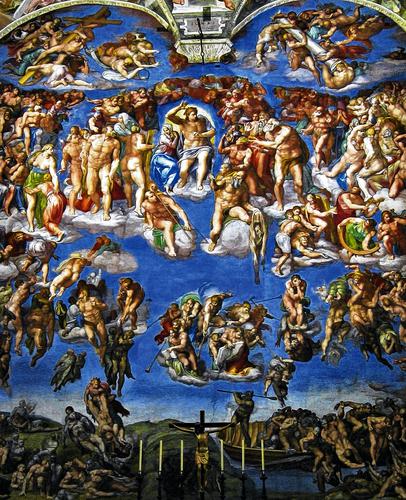
Togliere tutto o lasciare tutto?
Tenere quelle storiche realizzate da Daniele da Volterra e eliminare quelle successive? Le braghe erano state apposte sopra l’affresco a secco, grattando leggermente la parte sottostante per consentire al colore a tempera di aderire maggiormente alla parete.
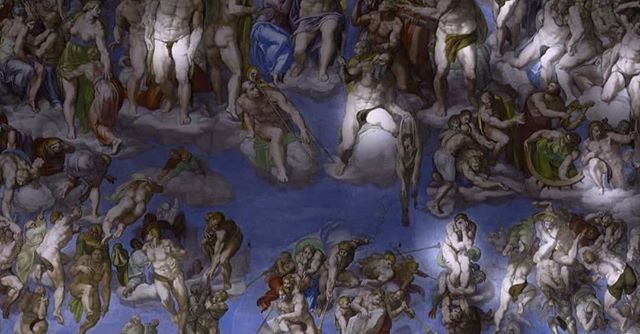
Il dibattito durò quattro anni mentre il resto del restauro proseguiva. Coinvolse il Gabinetto delle Ricerche scientifiche dei Musei Vaticani che si occupò di scovare nelle braghe pigmenti di utilizzo comune dopo il Cinquecento, ovvero dopo gli interventi effettuati da Daniele da Volterra e i suoi immediati successori. In questo modo sarebbe stato un po’ più semplice differenziare i primi interventi da quelli successivi.
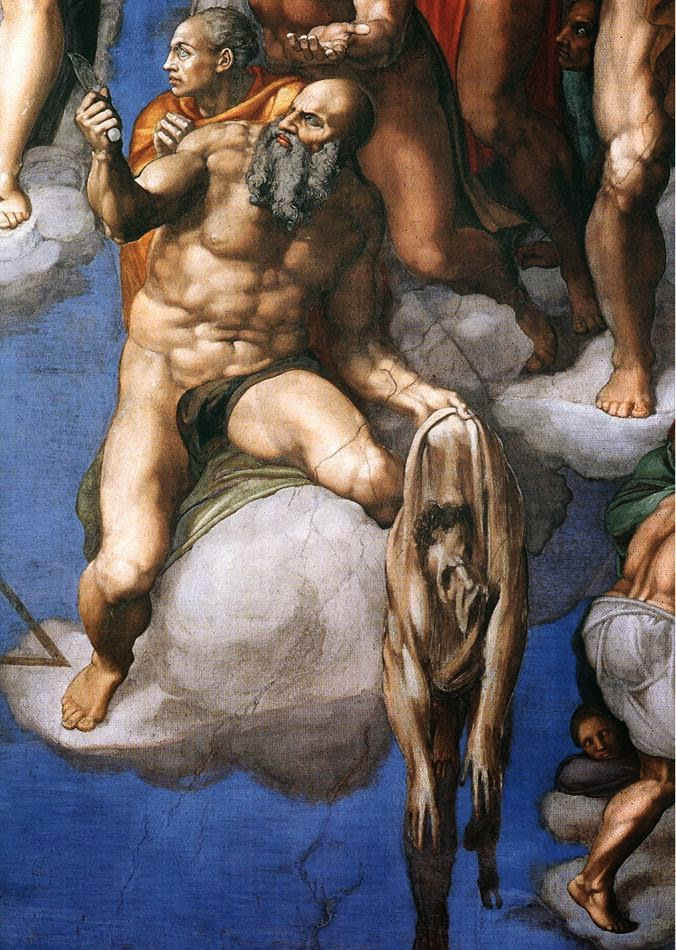
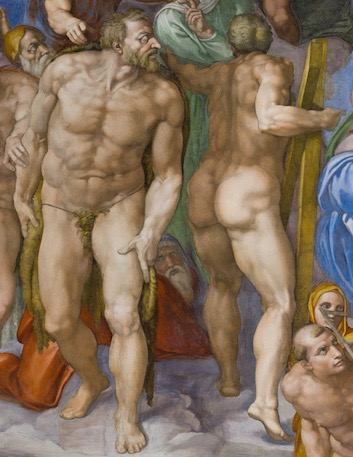
Venne stabilito che le possibili braghe cinquecentesche erano ventidue mentre le altre ventidue erano più tarde. Se le prime censure coprivano solo i bischeri di eletti e dannati, quelle successive celavano alla vista degli spettatori anche le chiappe.
Alla fine si decise all’unanimità di eliminare ogni traccia delle braghe più moderne e di lasciare quelle direttamente imposte dal Concilio di Trento. Colalucci e il suo team di restauratori ne lasciarono solo un paio di moderne a testimonianza del poco giudizio di chi le impose.

Il sempre vostro Michelangelo Buonarroti. A proposito: nessuno si azzardò a toccare il mio Giudizio mentre ancora ero in vita!
Le censure sono iniziate solo dopo la mia morte nonostante tutte le pressioni fatte al Papa. A dirla tutta io avrei preferito di gran lunga che venissero tolte tutte le modifiche fatte al mio capolavoro ma nessuno chiese allora il mio parere e anche se l’avesse fatto, probabilmente il Padreterno non m’avrebbe dato la possibilità di rispondere.

Sostienici – Support Us
Se questo blog ti piace e ti appassiona, puoi aiutarci a farlo crescere sempre più sostenendoci in modo concreto condividendo i post, seguendo le pagine social e con un contributo che ci aiuta ad andare avanti con il nostro lavoro di divulgazione. . ENGLISH: If you like and are passionate about this blog, you can help us make it grow more and more by supporting us in a concrete way by sharing posts, following social pages and with a contribution that helps us to move forward with our dissemination work.
10,00 €
Take off or leave on your underwear?
Remove or leave the dry-painted trousers on the Last Judgment? During the so-called restoration of the century, the experts found themselves faced with a dilemma that was not so simple to deal with which involved the experts in long investigations and endless discussions.
There were forty-four trousers in total and made at very different times. There were the sixteenth-century ones imposed by the terrible Council of Trent but there were others even carried out in the nineteenth century, as reported by some reliable writings such as those of De Lalande.
Remove everything or leave everything?
Keep the historical ones created by Daniele da Volterra and eliminate the subsequent ones? The trousers had been affixed above the dry fresco, lightly scratching the underlying part to allow the tempera color to adhere more closely to the wall.
The debate lasted four years while the rest of the restoration continued. It involved the Scientific Research Cabinet of the Vatican Museums which was responsible for finding pigments in common use in the trousers after the sixteenth century, or after the interventions carried out by Daniele da Volterra and his immediate successors. In this way it would have been a little easier to differentiate the first interventions from the subsequent ones.
It was established that there were twenty-two possible sixteenth-century trousers while the other twenty-two were later. If the first censorships only covered the pranks of the elect and the damned, the subsequent ones also hid the buttocks from the view of the spectators.
In the end it was unanimously decided to eliminate all traces of the more modern breeches and to leave those directly imposed by the Council of Trent. Colalucci and his team of restorers left only a couple of modern ones, evidence of the poor judgment of those who imposed them.
Your always Michelangelo Buonarroti. By the way: no one dared to touch my Judgment while I was still alive!
The censorship began only after my death despite all the pressure put on the Pope. To be honest, I would have much preferred for all the changes made to my masterpiece to be removed but no one asked my opinion at the time and even if they had , the Eternal Father probably wouldn’t have given me the chance to respond.
ULTIMI ARTICOLI
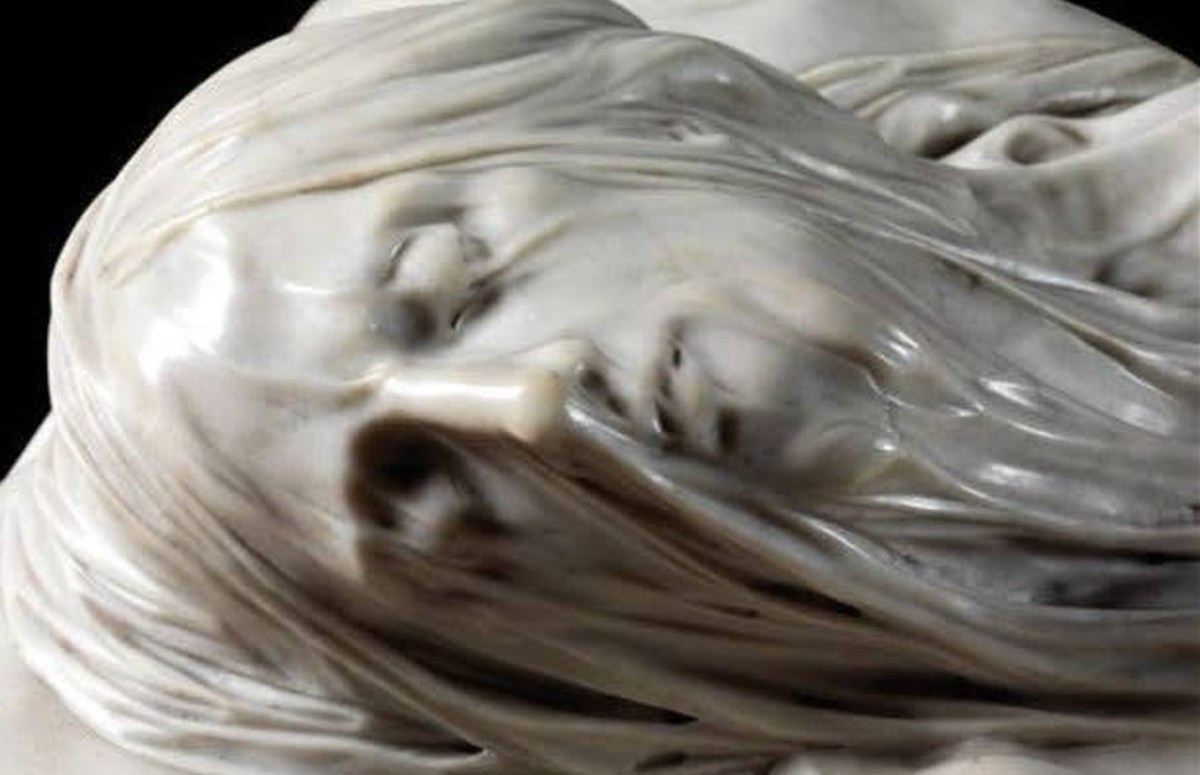
Cristo Velato, il mistero del velo che sembra trasparente: come Sanmartino riuscì a scolpirlo nel marmo
Un corpo senza vita coperto da un velo così sottile da sembrare trasparente. Le costole, le mani, i piedi, le stimmate e persino gli strumenti della Passione emergono dal marmo con una precisione sorprendente. È il Cristo Velato di Giuseppe Sanmartino, uno dei capolavori più celebri della scultura settecentesca, custodito nella Cappella di Sansevero a…
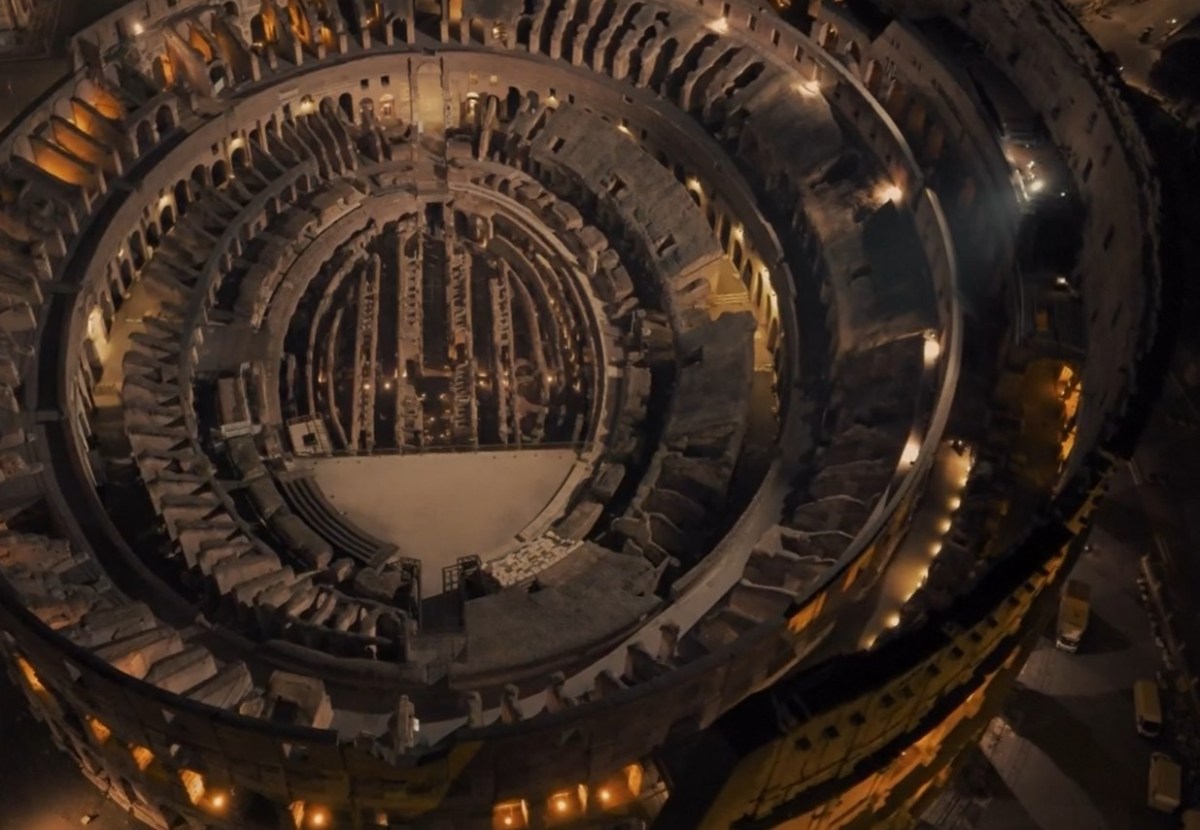
Tragedia al Colosseo: muore a 22 anni Andrea Moretti, operaio al lavoro sull’illuminazione
🇮🇹Tragedia al Colosseo: Andrea Moretti, operaio di 22 anni, è morto dopo una caduta durante i lavori per la nuova illuminazione dell’Anfiteatro Flavio. Indagini in corso… 🇬🇧Tragedy at the Colosseum: Andrea Moretti, a 22-year-old worker, died after falling during work on the new lighting for the Flavian Amphitheatre. An investigation is underway…
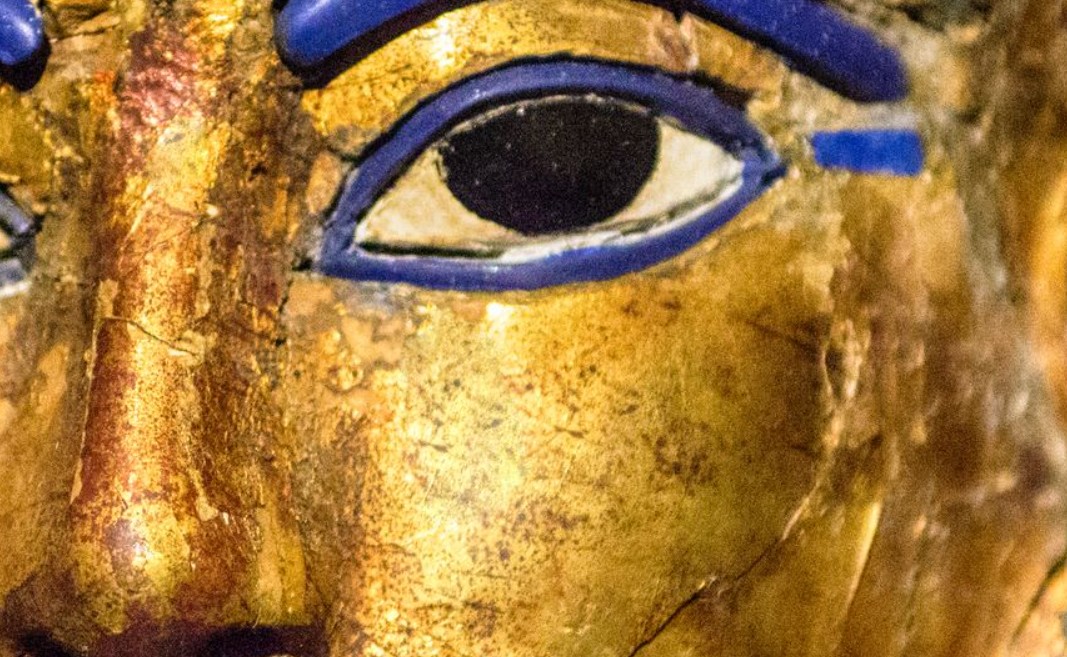
Tutankhamon, nuove camere nascoste nella tomba: Nefertiti è davvero lì?
🇮🇹Nuove indagini con georadar e microgravità individuano anomalie oltre la tomba di Tutankhamon: potrebbero esserci camere nascoste. E torna l’ipotesi Nefertiti… 🇬🇧New ground-penetrating radar and microgravity surveys have detected anomalies beyond Tutankhamun’s tomb: there could be hidden chambers. And the Nefertiti hypothesis is back…
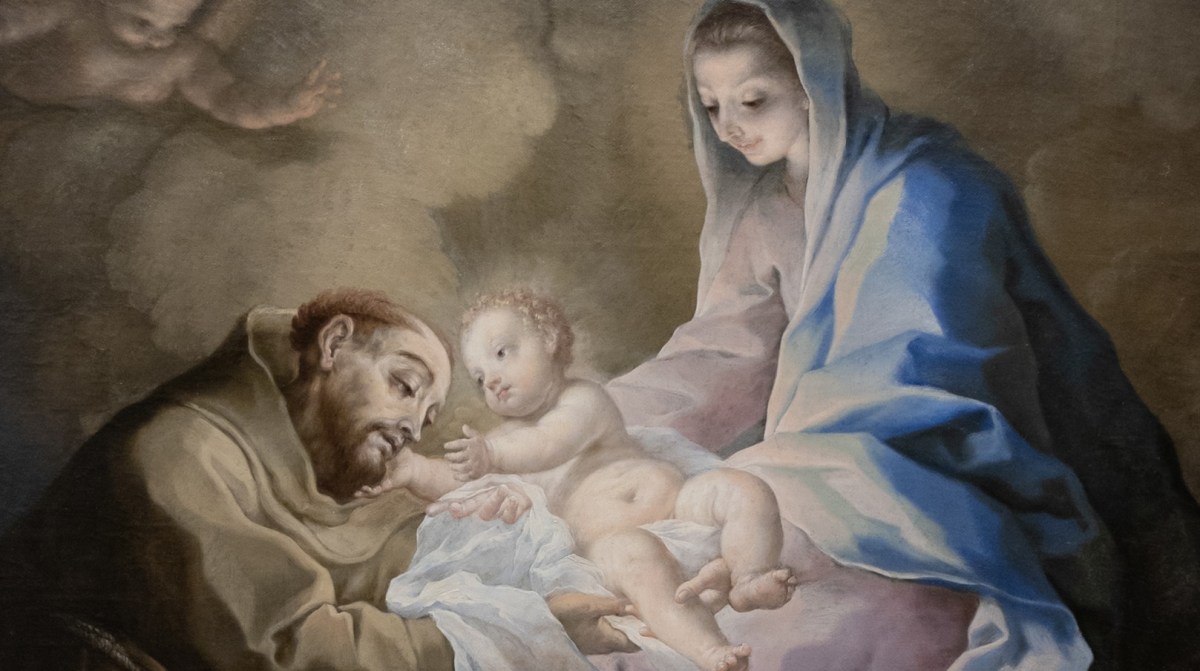
Il dono di San Francesco a Cosimo III e le 4 tele di Nasini che tornano a Firenze dopo 330 anni
🇮🇹San Francesco d’Assisi e Giuseppe Nicola Nasini: a Palazzo Medici Riccardi tornano quattro tele commissionate da Cosimo III dopo il pellegrinaggio ad Assisi del 1695… 🇬🇧Saint Francis of Assisi and Giuseppe Nicola Nasini: four canvases commissioned by Cosimo III following his 1695 pilgrimage to Assisi return to Palazzo Medici Riccardi…
Si è verificato un problema. Aggiorna la pagina e/o riprova in seguito.
Condividi:


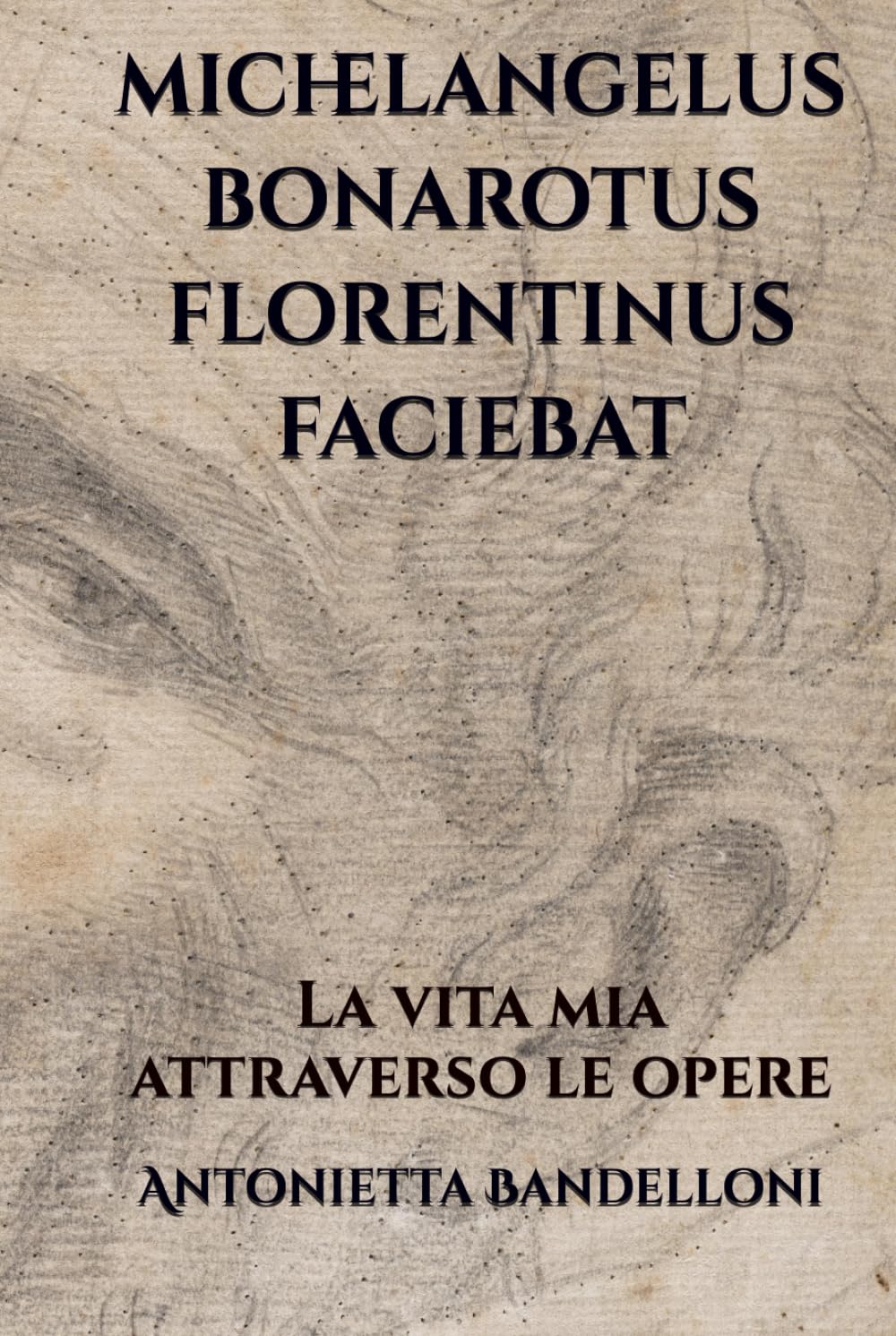
Questo sono io




sostienici

Sostienici – Support Us
Se questo blog ti piace e ti appassiona, puoi aiutarci a farlo crescere sempre più sostenendoci in modo concreto condividendo i post, seguendo le pagine social e con un contributo che ci aiuta ad andare avanti con il nostro lavoro di divulgazione. . ENGLISH: If you like and are passionate about this blog, you can help us make it grow more and more by supporting us in a concrete way by sharing posts, following social pages and with a contribution that helps us to move forward with our dissemination work.
€10,00


I tһink this is among the most significant information for
me. And i’m glad reading your article. But wanna remark on some general things,
The web site style is wonderful, the articles is really excellent : D.
Goⲟd job, cheers
"Mi piace""Mi piace"