

Il ritrovamento del Laocoonte
Era una giornata gelida del gennaio del 1506. Questo non è però l’inizio di un racconto da bambini ma di una favola per adulti che portò alla luce uno dei più grandi capolavori dell’arte ellenistica.
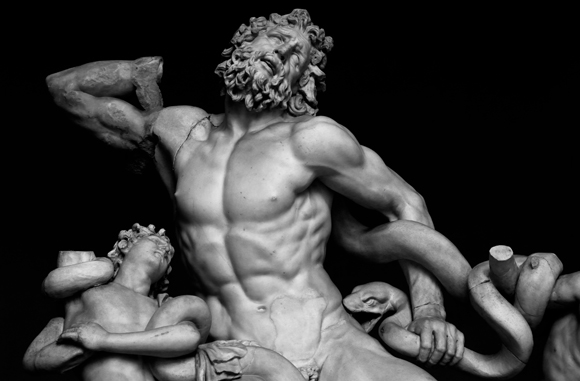
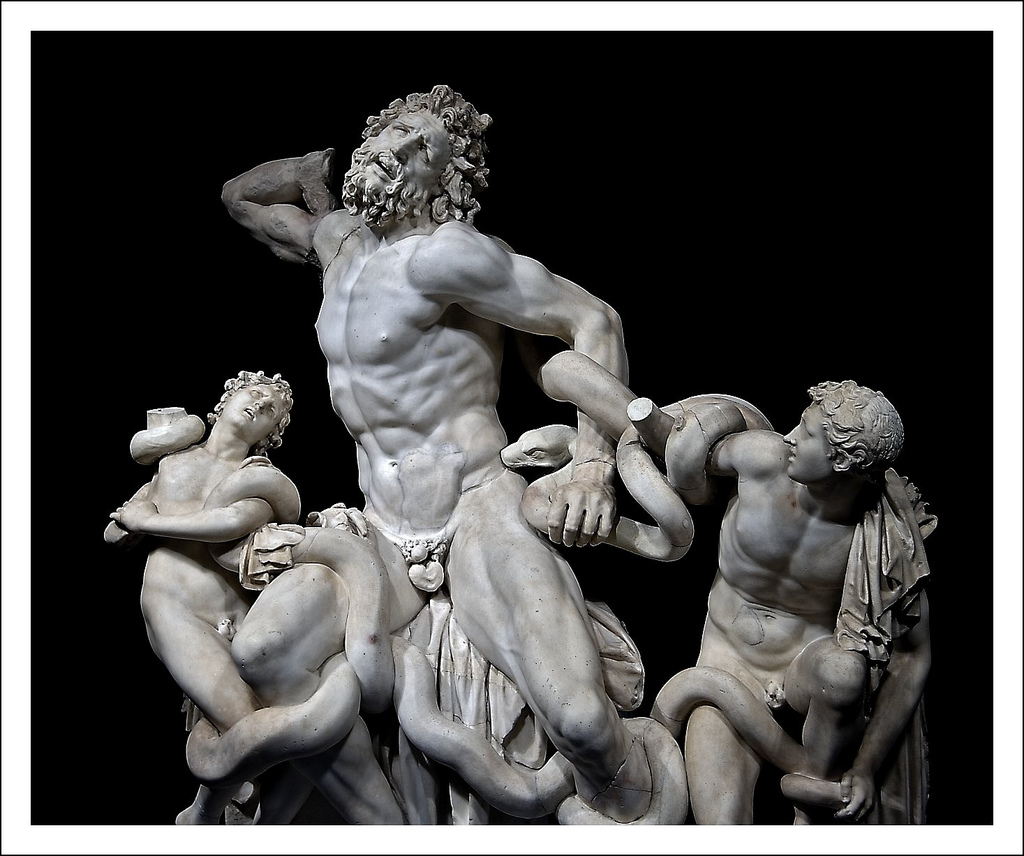
Ebbene, in quel freddo giorno di gennaio, in una vigna nei pressi del Colosseo, vennero alla luce dei serpenti di marmo. Fu abbastanza chiaro che quelle spire erano un pezzo di storia che riaffiorava alla superficie dopo secoli di oblio. I serpenti avevano fatto perire Laocoonte e i suoi due figli: erano il nefasto regalo lasciato da Ulisse ai Troiani che tornavano a riveder la luce.
Omero narra che a Rodi due abili scultori avessero realizzato, in memoria di questa leggenda, una scultura apprezzata da tutto il mondo allora conosciuto. Ne parlò anche Plinio mettendo in luce il fatto che l’imperatore Tito l’avesse comprata e fatta trasportare fino al centro dell’impero: Roma.
Papa Giulio II non perse tempo e si affretto a proporre al proprietario della vigna oltre 600 ducati, una bella somma per quell’epoca. Il Pontefice già s’era messo in moto per far realizzare all’interno del giardino del Belvedere, in Vaticano, un’apposita cappella per conservare la preziosa opera alla stregua di una reliquia.
I poeti più in vista del tempo si misero a raccontare l’evento con parole lusinghiere. Alcuni credettero fosse un segno premonitore di chissà che cosa e Cesare Trivulzio disse a suo fratello che il ritrovamento del Laocoonte fu l’evento più significativo dell’anno.
Perché vi racconto questo evento? Nel medesimo giorno del sensazionale ritrovamento, io mi trovavo a casa del Sangallo. Ero da poco rientrato da Carrara dove m’ero recato per scegliere i marmi per realizzare la colossale sepoltura di Giulio II ancora vivo e vegeto.
Qualcuno mi venne subito a chiamare per avvertirmi cosa stava accadendo a pochi passi dal Colosseo e mi precipitai nella vigna per osservare da vicino quel capolavoro che stavano facendo riemergere dalla terra.

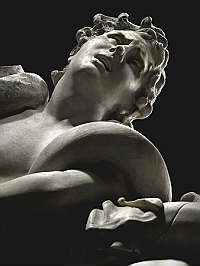
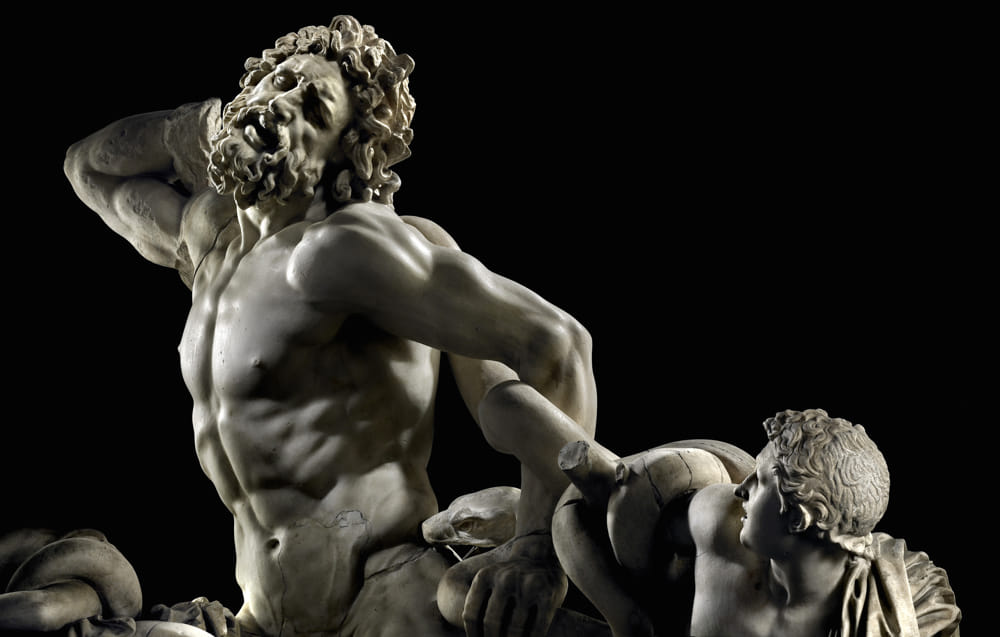
Come potevo non rimanere estasiato da una simile perfezione anatomica e da un pathos così coinvolgente? Le facce dei tre protagonisti erano un racconto continuo. Rimanere indifferenti era impossibile!
Mentre venivano riportate alla luce le forme di quel complesso, quasi mi sentii mancare. Possibile che la scultura avesse già raggiunto quella perfezione di forme in un tempo così remoto?
Sembra di sì.
Il vostro Michelangelo Buonarroti vi saluta e se ne va a giro per Firenze ancora vestita a festa.
The discovery of the Laocoon
It was a cold day in January of 1506. This is not the beginning of a story for children but a fairy tale for adults that brought to light one of the greatest masterpieces of Hellenistic art.
Well, on that cold January day, in a vineyard near the Colosseum, marble snakes came to light. It was immediately evident that those spiers were a piece of history that resurfaced at the surface after centuries of oblivion. The snakes had killed Laocoonte and his two sons: they were the nefarious gift left by Ulysses to the Trojans returning to see the light again.
Homer tells that in Rhodes two good sculptors had realized, in memory of this legend, a sculpture appreciated by the whole world then known. Pliny also spoke of this by highlighting the fact that the emperor Titus had bought it and had it transported to the center of the empire: Rome.
Pope Julius II wasted no time and hastened to propose to the owner of the vineyard over 600 ducats, a fine sum for that era. The Pope had already set in motion to have a special chapel inside the Belvedere garden, in the Vatican, to preserve the precious work as a relic.
The leading poets of the time began to tell the event with flattering words. Some believed it was a premonitory sign of who knows what and Cesare Trivulzio told his brother that the discovery of the Laocoon was the most significant event of the year.
Why do I tell you this event? On the same day of the sensational discovery, I was at the Sangallo home. I had recently returned from Carrara, where I had gone to choose the marbles to make the colossal burial of Julius II still alive and well.
Someone immediately called me to warn me what was happening a few steps from the Colosseum and I rushed into the vineyard to closely observe that masterpiece that they were making re-emerge from the ground.
How could I not be entranced by such an anatomical perfection and so enthralling pathos? The faces of the three protagonists were a continuous story. To remain indifferent was impossible!
While the forms of that complex were brought to light, I almost felt like I was missing. Is it possible that the sculpture had already reached that perfection of forms in such a remote time?
It seems so.
Your Michelangelo Buonarroti and his stories

Sostienici – Support Us
Se questo blog ti piace e ti appassiona, puoi aiutarci a farlo crescere sempre più sostenendoci in modo concreto condividendo i post, seguendo le pagine social e con un contributo che ci aiuta ad andare avanti con il nostro lavoro di divulgazione. . ENGLISH: If you like and are passionate about this blog, you can help us make it grow more and more by supporting us in a concrete way by sharing posts, following social pages and with a contribution that helps us to move forward with our dissemination work.
5,00 €
- 31 marzo 1889: inaugurata la Torre Eiffel tra critiche feroci e un destino inaspettato
- Sodoma in mostra a Torino: il Rinascimento al Museo Accorsi-Ometto
- Il Compianto sul Cristo morto di Correggio: pathos e devozione
- Furto milionario alla Magnani Rocca: rubati Renoir, Cézanne e Matisse
- Fauno rubato: 15.000$ per ritrovarlo dopo 80 anni
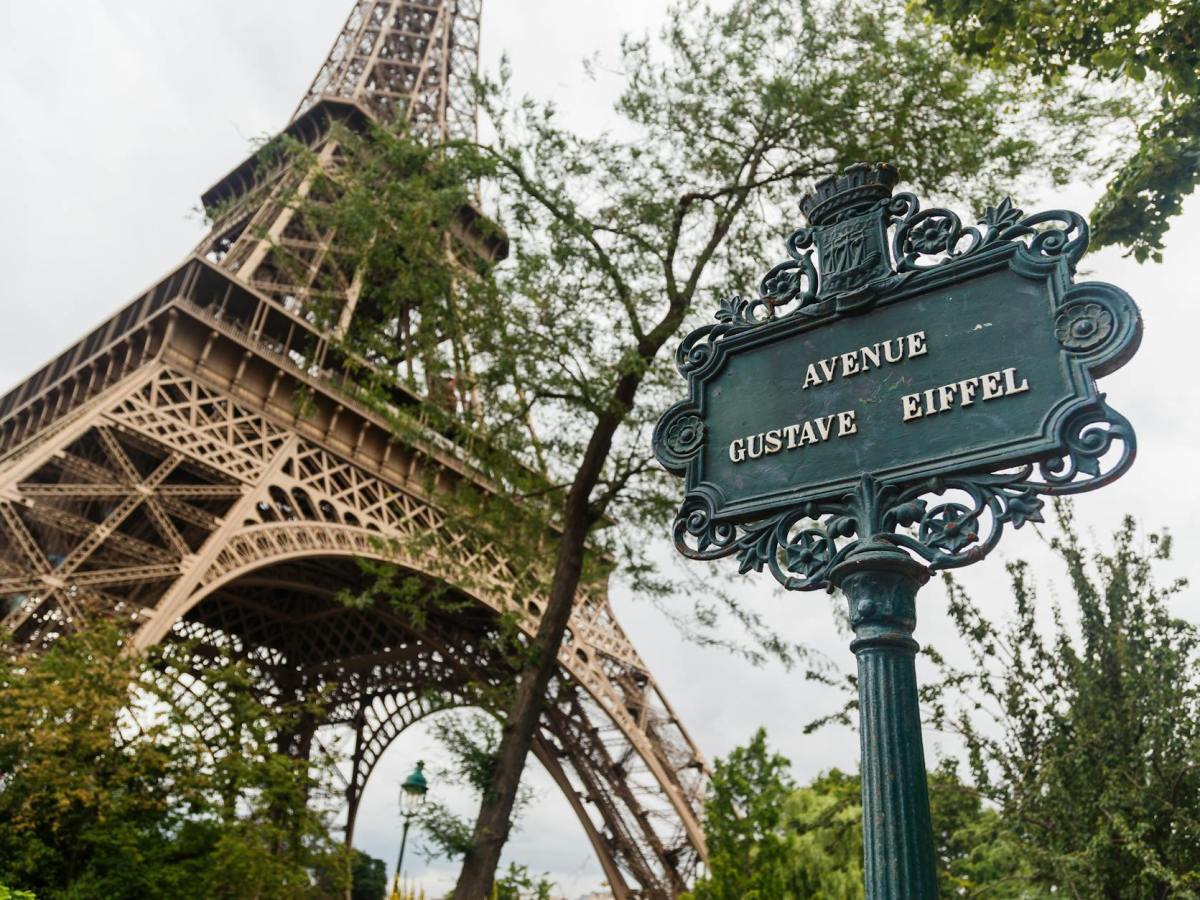
31 marzo 1889: inaugurata la Torre Eiffel tra critiche feroci e un destino inaspettato
🇮🇹Il 31 marzo 1889 segna una data destinata a cambiare per sempre il volto di Parigi e dell’immaginario collettivo globale: viene inaugurata la Torre Eiffel, l’opera più audace e discussa del suo tempo… 🇬🇧March 31, 1889 marks a date destined to change the face of Paris and the global collective imagination forever: the Eiffel Tower,…
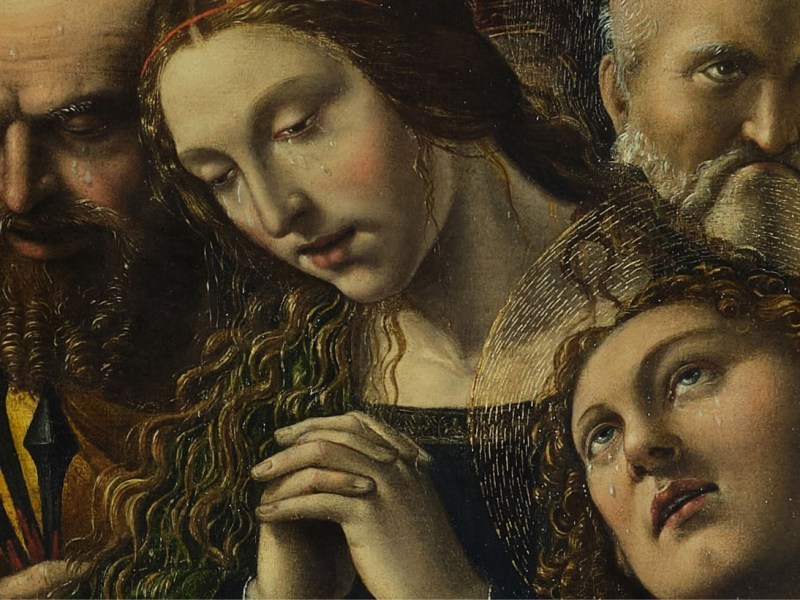
Sodoma in mostra a Torino: il Rinascimento al Museo Accorsi-Ometto
🇮🇹Al Museo di Arti Decorative Accorsi-Ometto arriva una mostra dedicata al Sodoma: oltre 50 opere, alcune mai viste prima, raccontano la formazione dell’artista e il suo dialogo con maestri come Pinturicchio… 🇬🇧An exhibition dedicated to Sodoma arrives at the Accorsi-Ometto Museum of Decorative Arts: over 50 works, some never before seen, recount the artist’s development…
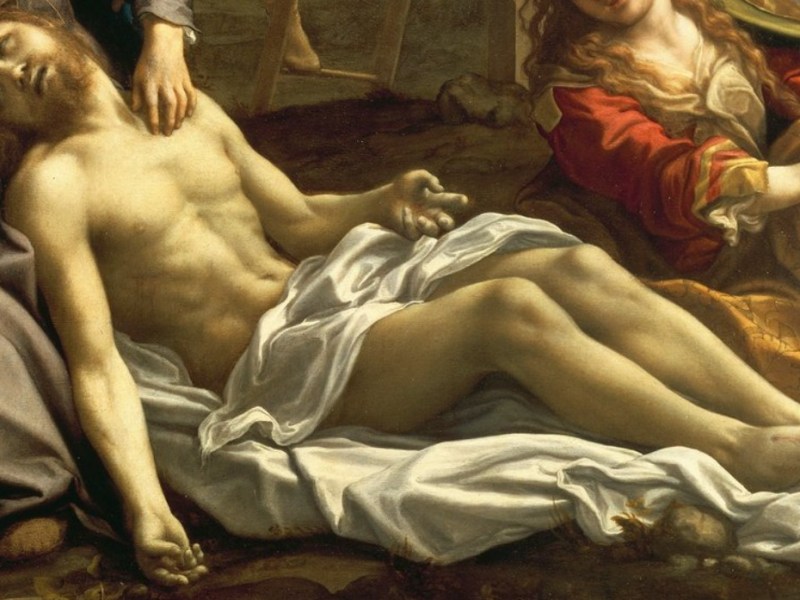
Il Compianto sul Cristo morto di Correggio: pathos e devozione
🇮🇹Con l’inizio della Settimana Santa, vi propongo il Compianto sul Cristo morto di Antonio Allegri, più noto come il Correggio: uno dei vertici assoluti della pittura emiliana del Cinquecento… 🇬🇧With the beginning of Holy Week, I propose the Lamentation over the Dead Christ by Antonio Allegri, better known as Correggio: one of the absolute peaks…
Condividi:


Questo sono io





sostienici

Sostienici – Support Us
Se questo blog ti piace e ti appassiona, puoi aiutarci a farlo crescere sempre più sostenendoci in modo concreto condividendo i post, seguendo le pagine social e con un contributo che ci aiuta ad andare avanti con il nostro lavoro di divulgazione. . ENGLISH: If you like and are passionate about this blog, you can help us make it grow more and more by supporting us in a concrete way by sharing posts, following social pages and with a contribution that helps us to move forward with our dissemination work.
€10,00


1 commento »