

Edward Hopper a Pisa: oltre 150 opere in mostra a Palazzo Blu
New York vista da Edward Hopper è fatta di strade quasi deserte, finestre illuminate nella notte, stazioni ferroviarie, camere d’albergo, locali aperti nelle ore più silenziose, edifici immersi nella luce e persone apparentemente vicine eppure profondamente sole.
È proprio da questo rapporto tra Hopper e i luoghi che prende avvio la grande mostra “Edward Hopper: New York e oltre”, in programma a Palazzo Blu di Pisa dal 14 ottobre 2026 al 7 marzo 2027.
Saranno oltre 150 le opere esposte per ripercorrere quasi sessant’anni di attività di uno dei protagonisti dell’arte americana del Novecento.
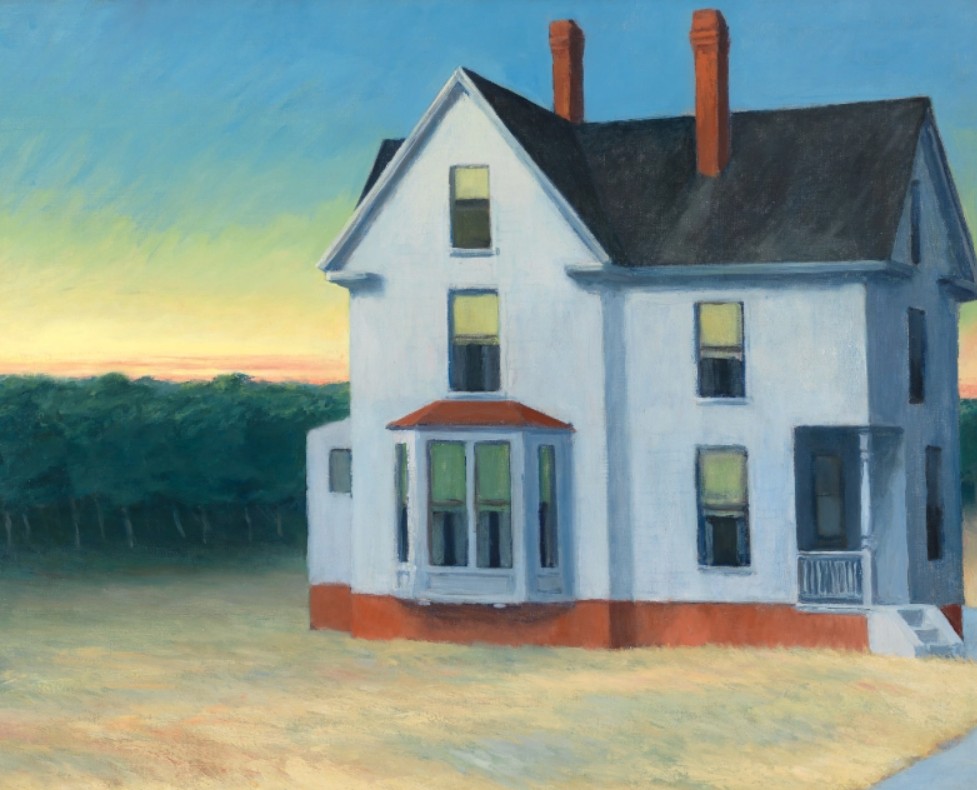
Edward Hopper, l’artista che trasformò la solitudine in immagini
Hopper è un artista difficilmente confondibile. Le sue opere non hanno bisogno di grandi eventi per catturare lo spettatore. Spesso non accade quasi nulla. Una donna siede al tavolo di un caffè. Un uomo guarda fuori da una finestra. Una casa emerge da un paesaggio. Un’autostrada attraversa uno spazio apparentemente infinito.
Davanti a quelle immagini però si percepisce nel profondo dell’animo l’attesa, silenzio, inquietudine, isolamento, il desiderio.
La grandezza di Hopper sta anche nella capacità di trasformare situazioni ordinarie in immagini dalla straordinaria forza emotiva. La sua pittura sembra raccontare la modernità americana senza bisogno di descriverla direttamente. Le città diventano scenari interiori e l’architettura assume quasi la stessa importanza delle persone.
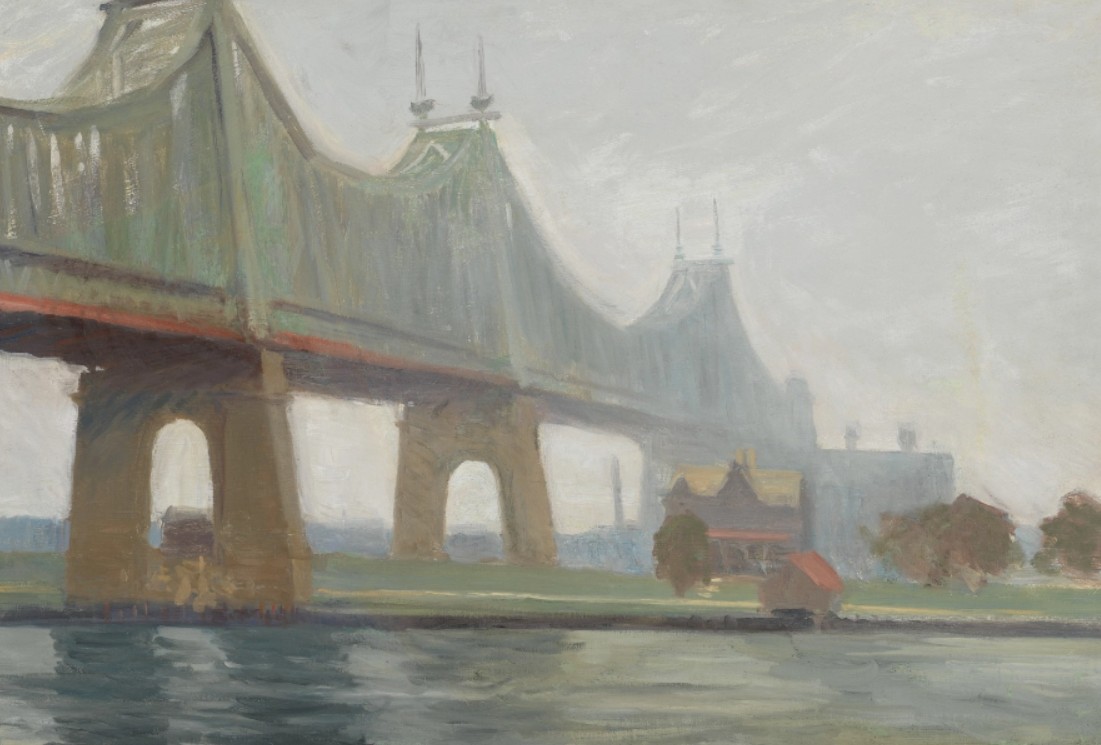
New York: la città che Hopper osservò per quasi sessant’anni
New York occupa un posto centrale nella vita e nell’opera di Edward Hopper. L’artista fece della metropoli la propria casa per quasi sessant’anni, osservandone le trasformazioni e costruendo proprio attraverso quel paesaggio urbano una parte fondamentale della sua identità artistica.
Ma la New York di Hopper non è necessariamente quella spettacolare dei grattacieli e delle folle.
È una città osservata spesso nei suoi momenti di pausa. Le finestre, i palazzi, i marciapiedi, i teatri, le camere e i locali diventano frammenti di una realtà sospesa. Hopper sembra catturare il momento immediatamente precedente o successivo a qualcosa che non vedremo mai.
Da Parigi al New England: il viaggio oltre la metropoli
Il titolo della mostra, “New York e oltre”, sottolinea però un aspetto fondamentale della ricerca di Hopper: la sua arte non può essere compresa soltanto attraverso la metropoli americana.
Il suo immaginario si costruì infatti attraverso numerosi luoghi.
Ci fu innanzitutto Parigi, dove Hopper si recò più volte e dove entrò in contatto con la pittura europea. Ci furono poi le coste del New England, i piccoli centri, i fari, le case isolate e i paesaggi che avrebbero avuto un ruolo importantissimo nella sua produzione.
E ci furono i lunghi viaggi attraverso gli Stati Uniti, durante i quali l’artista continuò a osservare l’America con quello sguardo apparentemente semplice e in realtà estremamente complesso.
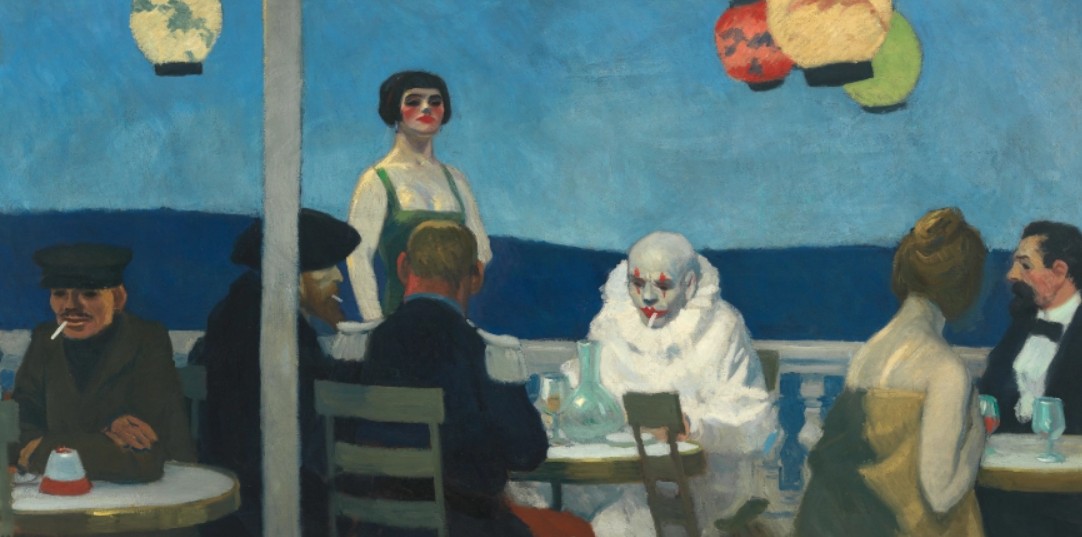
Il viaggio diventa quindi una chiave per leggere l’intera mostra.
Non soltanto lo spostamento fisico da una città all’altra, ma il modo in cui ogni luogo lasciò una traccia nella sua pittura.
Cinque sezioni per raccontare Edward Hopper
L’esposizione di Palazzo Blu è organizzata in cinque sezioni, pensate per accompagnare il pubblico attraverso le principali fasi della vita e della carriera dell’artista.
Il percorso permette così di seguire l’evoluzione dello sguardo di Hopper e, contemporaneamente, di comprendere quanto profondamente i luoghi abbiano influenzato la sua produzione.
Dipinti, acquerelli, disegni e incisioni dialogano con materiali d’archivio, offrendo una lettura ampia del percorso creativo dell’artista.
Non si tratta dunque soltanto di una mostra dedicata ai suoi quadri più celebri.
Il progetto punta a ricostruire il processo attraverso il quale Hopper arrivò a sviluppare quella particolare capacità di trasformare architetture, paesaggi e scene quotidiane in immagini cariche di tensione emotiva.
Una mostra nata dal Whitney Museum di New York
“Edward Hopper: New York e oltre” nasce da una collaborazione di particolare rilievo internazionale. La mostra è organizzata dal Whitney Museum of American Art di New York, una delle istituzioni di riferimento per l’arte americana moderna e contemporanea, insieme a MondoMostre.
La curatela è affidata a Barbara Haskell, curatrice del Whitney Museum of American Art, insieme a Caroline Webb, assistant curator della stessa istituzione.
A promuovere l’esposizione è la Fondazione Palazzo Blu, con il contributo di Fondazione Pisa.
Edward Hopper a Pisa: tutte le informazioni sulla mostra
Edward Hopper: New York e oltre sarà visitabile a Palazzo Blu di Pisa dal 14 ottobre 2026 al 7 marzo 2027.
Con oltre 150 opere, l’esposizione accompagnerà il pubblico attraverso le principali fasi della carriera di Hopper, mettendo al centro il rapporto tra l’artista e i luoghi che hanno alimentato la sua ricerca.
Orari
Lunedì-venerdì: 10:00-19:00
Sabato, domenica e festivi: 10:00-20:00
(ultimo ingresso un’ora prima della chiusura)
Biglietti
- Open: € 18,00 (Ingresso valido per tutti i giorni della mostra, Attivabile dal giorno successivo all’acquisto)
- Promo early bird: € 15,00 (Attivabile dal giorno successivo all’acquisto)
- Intero: € 16,00 (Individuale intero)
- Ridotto: € 14,00
Per il momento il sempre vostro Michelangelo Buonarroti vi saluta dandovi appuntamento ai prossimi post e sui social.
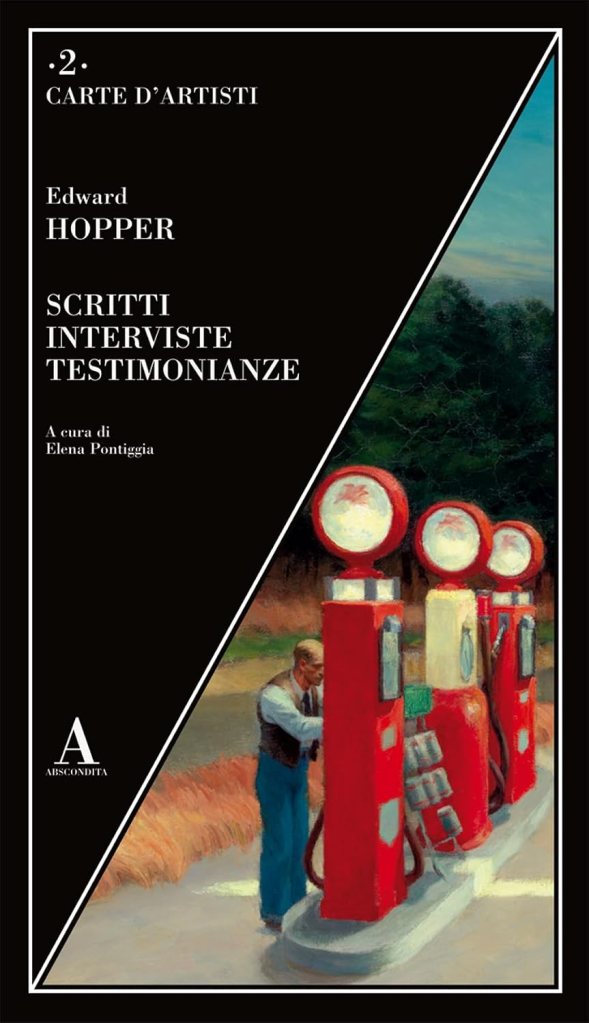
Edward Hopper in Pisa: Over 150 Works on Display at Palazzo Blu
New York as seen by Edward Hopper is made up of nearly deserted streets, windows lit at night, train stations, hotel rooms, bars open during the quietest hours, buildings bathed in light, and people seemingly close yet profoundly alone.
It is precisely this relationship between Hopper and places that inspires the major exhibition “Edward Hopper: New York and Beyond,” scheduled at Palazzo Blu in Pisa from October 14, 2026, to March 7, 2027.
Over 150 works will be on display, retracing nearly sixty years of activity by one of the protagonists of 20th-century American art.
Edward Hopper, the artist who transformed solitude into images
Hopper is an artist who is hard to mistake. His works require no great events to captivate the viewer. Often, almost nothing happens. A woman sits at a café table. A man looks out a window. A house emerges from a landscape. A highway crosses a seemingly infinite space.
Before those images, however, one senses deep within the soul the anticipation, silence, restlessness, isolation, and desire.
Hopper’s greatness also lies in his ability to transform ordinary situations into images of extraordinary emotional power. His paintings seem to narrate American modernity without needing to describe it directly. Cities become interior settings, and architecture takes on almost as much importance as people.
New York: the city Hopper observed for nearly sixty years
New York occupies a central place in the life and work of Edward Hopper. The artist made the metropolis his home for nearly sixty years, observing its transformations and building a fundamental part of his artistic identity through that very urban landscape.
But Hopper’s New York is not necessarily the spectacular one of skyscrapers and crowds.
It is a city often observed in its moments of respite. The windows, buildings, sidewalks, theaters, rooms, and halls become fragments of a suspended reality. Hopper seems to capture the moment immediately before or after something we will never see.
From Paris to New England: The Journey Beyond the Metropolis
The exhibition’s title, “New York and Beyond,” emphasizes a fundamental aspect of Hopper’s research: his art cannot be understood solely through the American metropolis.
His imagery was constructed across numerous locations.
First, there was Paris, where Hopper visited several times and where he first encountered European painting. Then there were the New England coasts, the small towns, the lighthouses, the isolated houses, and the landscapes that would play a crucial role in his work.
And then there were the long journeys across the United States, during which the artist continued to observe America with that seemingly simple yet actually extremely complex gaze.
The journey thus becomes a key to understanding the entire exhibition.
Not just the physical journey from one city to another, but the way each place left its mark on his painting.
Five sections to tell the story of Edward Hopper
The Palazzo Blu exhibition is organized into five sections, designed to accompany the public through the main phases of the artist’s life and career.
The exhibition thus allows visitors to follow the evolution of Hopper’s gaze and, at the same time, understand how profoundly each place influenced his work.
Paintings, watercolors, drawings, and engravings interact with archival materials, offering a broad understanding of the artist’s creative journey.
This is therefore not simply an exhibition dedicated to his most famous paintings.
The project aims to reconstruct the process through which Hopper developed his unique ability to transform architecture, landscapes, and everyday scenes into images charged with emotional tension.
An exhibition created by the Whitney Museum in New York
“Edward Hopper: New York and Beyond” is the result of a collaboration of particular international importance. The exhibition is organized by the Whitney Museum of American Art in New York, a leading institution for modern and contemporary American art, together with MondoMostre.
The exhibition is curated by Barbara Haskell, curator at the Whitney Museum of American Art, together with Caroline Webb, assistant curator at the same institution.
The exhibition is promoted by the Fondazione Palazzo Blu, with the contribution of the Fondazione Pisa.
Edward Hopper in Pisa: all the information on the exhibition
Edward Hopper: New York and Beyond will be open at the Palazzo Blu in Pisa from October 14, 2026, to March 7, 2027.
With over 150 works, the exhibition will lead the public through the main phases of Hopper’s career, focusing on the relationship between the artist and the places that fueled his research. Hours
Monday-Friday: 10:00-19:00
Saturday, Sunday, and holidays: 10:00-20:00
(Last admission one hour before closing)
Tickets
Open: €18.00 (Admission valid for all days of the exhibition, valid from the day after purchase)
Early bird promotion: €15.00 (valid from the day after purchase)
Full price: €16.00 (Full price individual ticket)
Reduced price: €14.00
For now, yours truly, Michelangelo Buonarroti, bids farewell and says hello to his upcoming posts and social media.

Sostienici – Support Us
Se questo blog ti piace e ti appassiona, puoi aiutarci a farlo crescere sempre più sostenendoci in modo concreto condividendo i post, seguendo le pagine social e con un contributo che ci aiuta ad andare avanti con il nostro lavoro di divulgazione. . ENGLISH: If you like and are passionate about this blog, you can help us make it grow more and more by supporting us in a concrete way by sharing posts, following social pages and with a contribution that helps us to move forward with our dissemination work.
10,00 €
Condividi:


Questo sono io




sostienici

Sostienici – Support Us
Se questo blog ti piace e ti appassiona, puoi aiutarci a farlo crescere sempre più sostenendoci in modo concreto condividendo i post, seguendo le pagine social e con un contributo che ci aiuta ad andare avanti con il nostro lavoro di divulgazione. . ENGLISH: If you like and are passionate about this blog, you can help us make it grow more and more by supporting us in a concrete way by sharing posts, following social pages and with a contribution that helps us to move forward with our dissemination work.
€10,00


