
Ascensione di Cristo: significato, simboli e i 5 dipinti più celebri nella storia dell’arte
L’Ascensione di Cristo è una delle feste più solenni del calendario cristiano e ricorda il momento in cui Cristo, quaranta giorni dopo la Resurrezione, sale al cielo davanti agli apostoli.
L’episodio viene narrato nel Vangelo di Luca e negli Atti degli Apostoli, dove Cristo conclude la propria missione terrena prima di tornare al Padre.
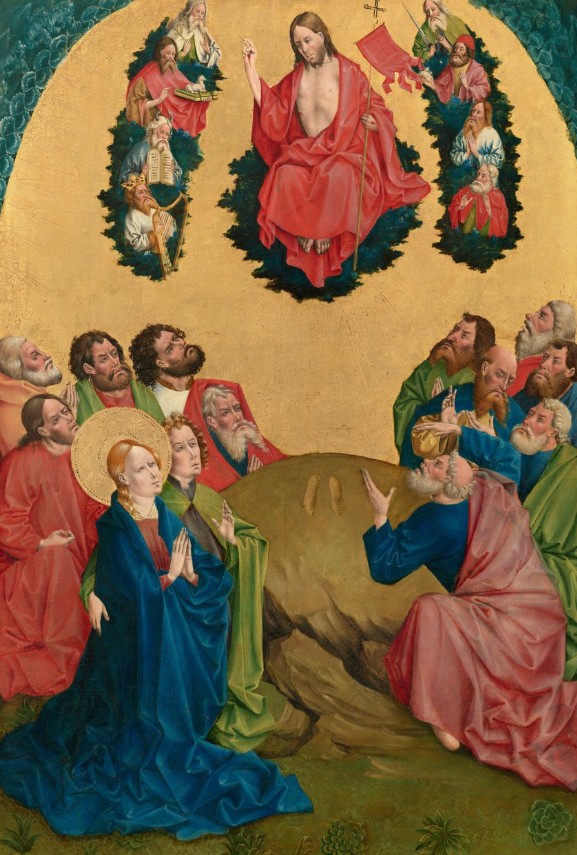
Il numero quaranta ha un significato profondamente simbolico nella tradizione biblica. Richiama il tempo della prova, della trasformazione e della preparazione spirituale: quaranta furono i giorni del diluvio universale, gli anni trascorsi dal popolo d’Israele nel deserto e i giorni del digiuno di Gesù.
L’Ascensione rappresenta quindi il passaggio dalla presenza fisica di Cristo alla dimensione spirituale della fede cristiana. È anche uno dei temi che più hanno affascinato gli artisti di ogni epoca, capaci di trasformare un evento religioso in immagini cariche di emozione, luce e mistero.
Il significato dell’Ascensione nell’arte sacra
Nel corso dei secoli pittori e mosaicisti hanno interpretato l’Ascensione come un momento sospeso tra terra e cielo. Cristo appare spesso elevato sopra gli apostoli, immerso in una luce divina e circondato dagli angeli. Lo sguardo dei discepoli rivolto verso l’alto diventa il simbolo della speranza e della ricerca spirituale.
L’iconografia dell’Ascensione ha attraversato il Medioevo, il Rinascimento e il Barocco, evolvendosi insieme alla storia dell’arte occidentale. Le rappresentazioni più antiche puntavano sulla sacralità e sulla rigidità simbolica, mentre gli artisti rinascimentali introdussero armonia, prospettiva e naturalismo. Nel Seicento e nei secoli successivi il tema divenne sempre più teatrale e visionario.
Giotto e l’Ascensione nella Cappella degli Scrovegni
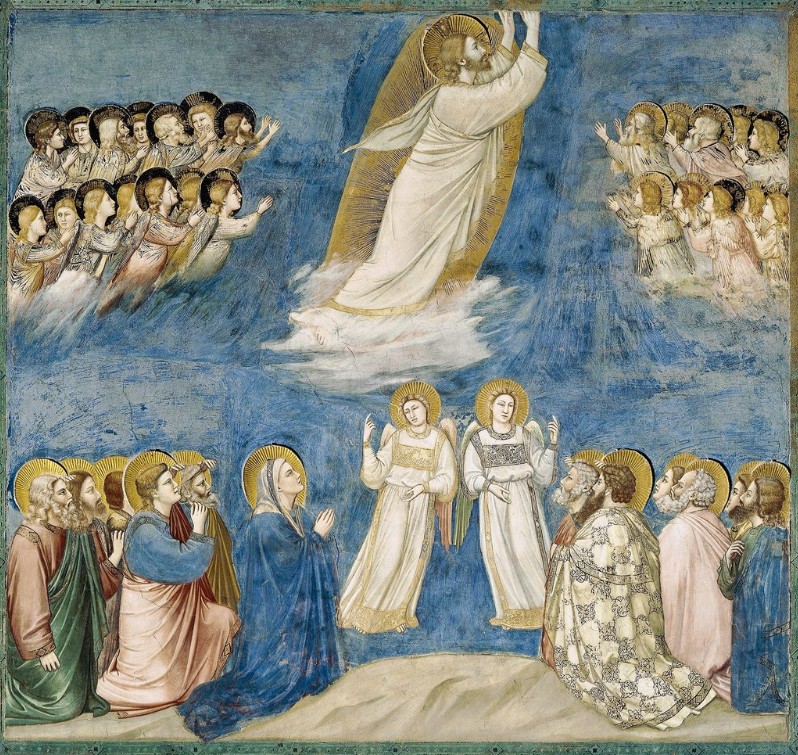
Tra le opere più celebri dedicate all’Ascensione spicca quella realizzata da Giotto di Bondone nella Cappella degli Scrovegni di Padova. L’artista rivoluziona la pittura medievale dando ai personaggi emozioni autentiche e una straordinaria presenza umana.
Cristo ascende verso il cielo circondato dagli angeli, mentre gli apostoli osservano la scena con stupore e devozione. La composizione è semplice ma intensissima, capace ancora oggi di trasmettere spiritualità e partecipazione emotiva.
Perugino e l’armonia perfetta del Rinascimento
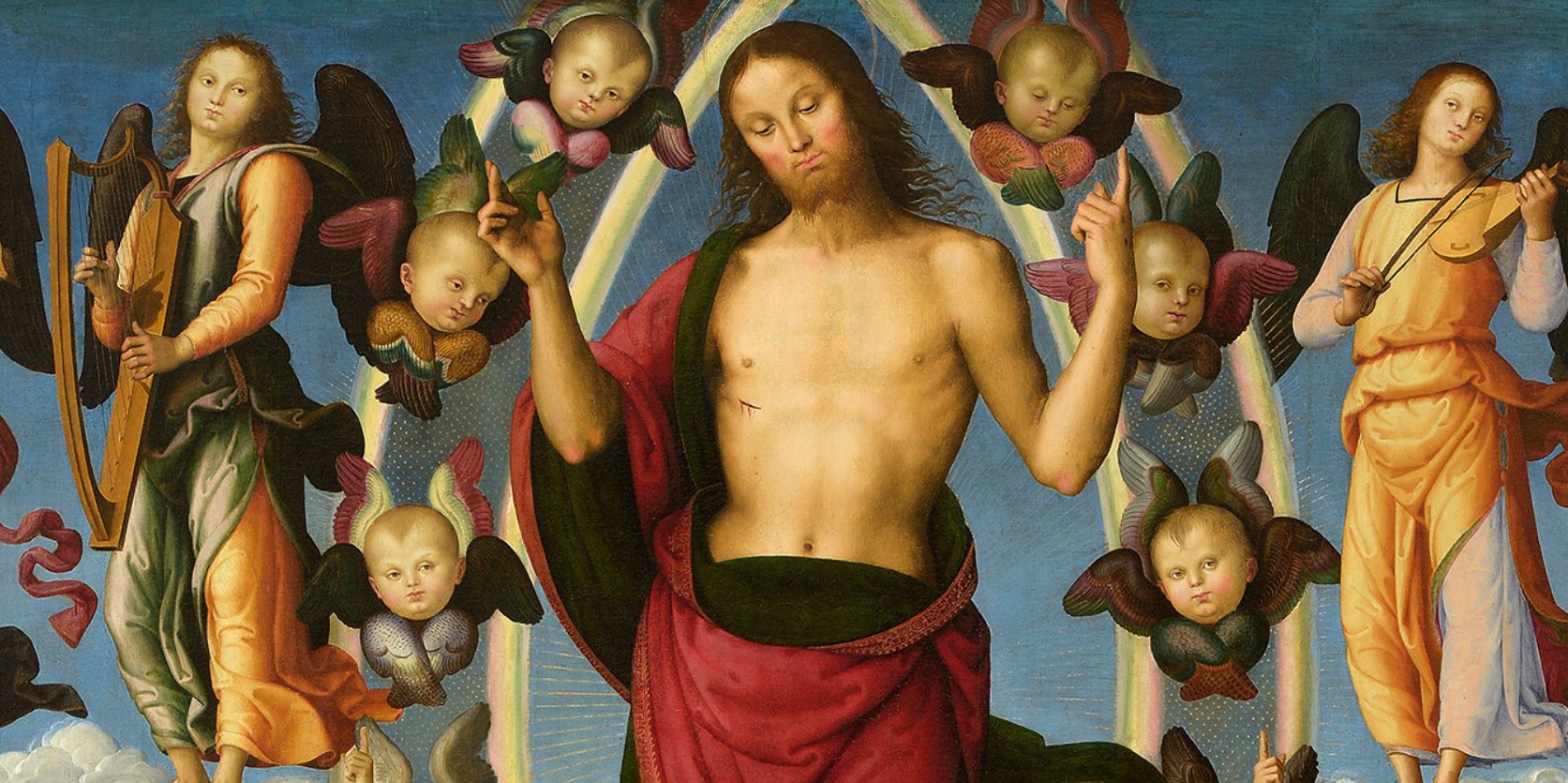
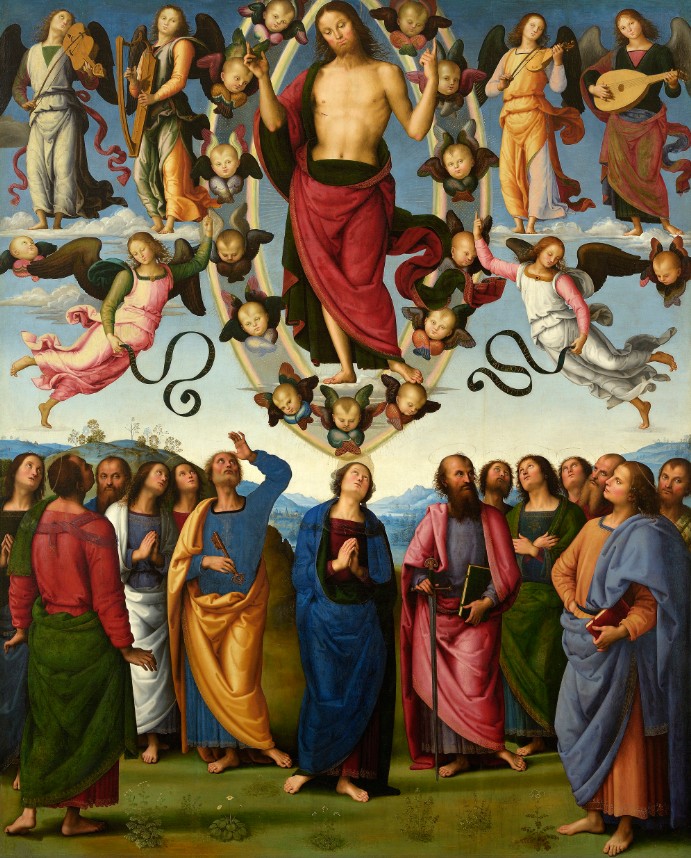
Con Pietro Perugino il tema dell’Ascensione assume l’equilibrio ideale tipico del Rinascimento italiano. Le figure sono ordinate con eleganza geometrica e immerse in una luce chiara e serena.
L’opera trasmette pace e armonia, trasformando l’evento sacro in una visione perfettamente bilanciata tra cielo e terra. La spiritualità diventa bellezza assoluta e riflette pienamente l’ideale rinascimentale.
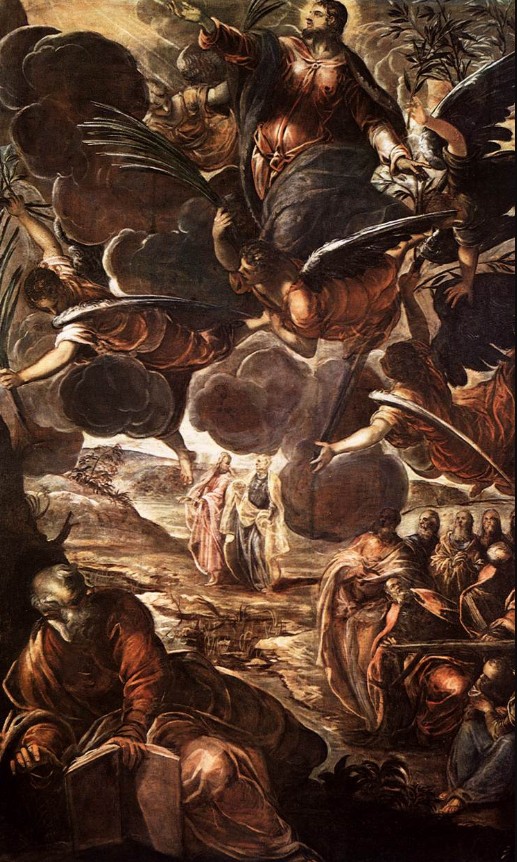
Tintoretto trasforma l’Ascensione in uno spettacolo di luce
Le figure sembrano attraversare lo spazio in una composizione dinamica e teatrale, resa ancora più intensa dai forti contrasti luminosi.
L’artista veneziano crea una scena quasi cinematografica, dove il cielo si apre improvvisamente in una dimensione soprannaturale. La spiritualità diventa azione, luce e dramma.
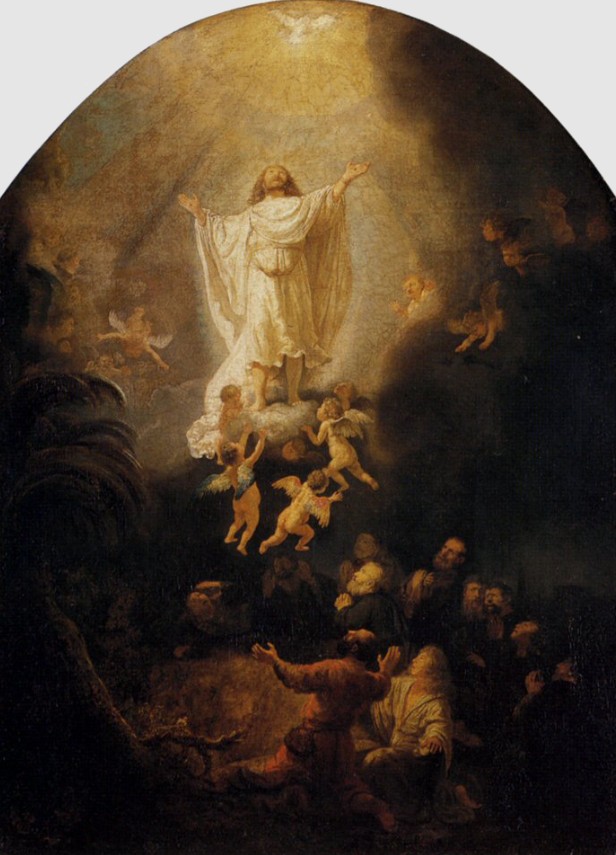
Rembrandt e la forza emotiva dell’Ascensione
Rembrandt interpreta l’Ascensione in modo intimo e profondamente umano. La luce che avvolge Cristo domina la scena e crea un forte contrasto con il gruppo degli apostoli immersi nell’ombra.
L’artista concentra l’attenzione sull’emozione interiore più che sulla spettacolarità. Il risultato è una rappresentazione intensa e meditativa, capace di coinvolgere lo spettatore sul piano spirituale.
Salvador Dalí e la visione moderna dell’Ascensione
Nel Novecento anche Salvador Dalí affronta il tema dell’Ascensione reinterpretandolo in chiave visionaria e contemporanea.
Le sue opere religiose fondono simbolismo cristiano, prospettive cosmiche e suggestioni surrealiste. Cristo sembra librarsi in uno spazio metafisico dove il sacro incontra il mistero dell’universo. L’Ascensione diventa così un viaggio oltre il tempo e oltre la materia.
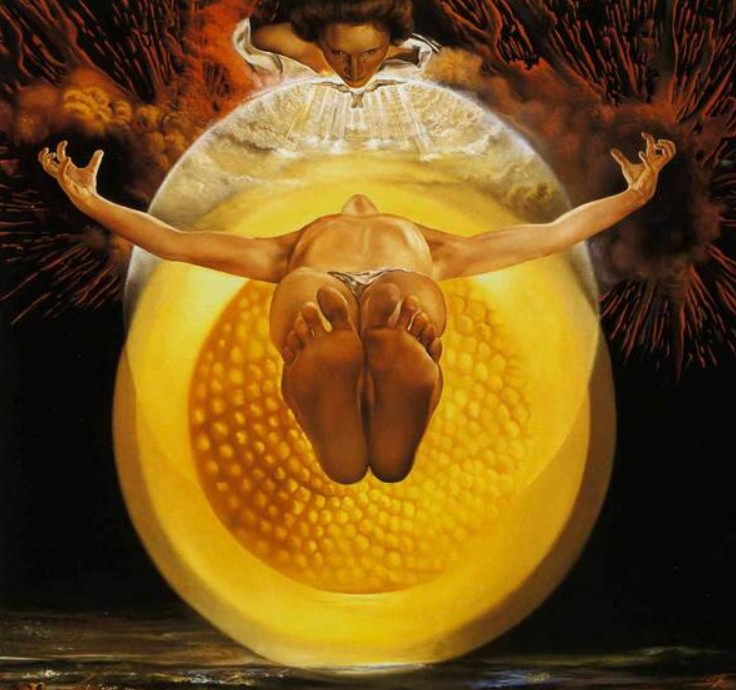
Da Giotto fino a Dalí, l’Ascensione è diventata molto più di un soggetto religioso: è una delle immagini più potenti della storia dell’arte occidentale, capace di raccontare il rapporto tra l’uomo, il cielo e il mistero del divino.
Per il momento il sempre vostro Michelangelo Buonarroti vi saluta dandovi appuntamento ai prossimi post e sui social.
Ascension of Christ: Meaning, Symbols, and the 5 Most Famous Paintings in Art History
The Ascension of Christ is one of the most solemn feasts in the Christian calendar and commemorates the moment when Christ, forty days after the Resurrection, ascends to heaven before the apostles.
The episode is narrated in the Gospel of Luke and the Acts of the Apostles, where Christ concludes his earthly mission before returning to the Father.
The number forty has a profoundly symbolic meaning in biblical tradition. It recalls a time of trial, transformation, and spiritual preparation: forty were the days of the Great Flood, the years spent by the people of Israel in the desert, and the days of Jesus’ fast.
The Ascension therefore represents the transition from the physical presence of Christ to the spiritual dimension of the Christian faith. It is also one of the themes that has most fascinated artists throughout the ages, capable of transforming a religious event into images charged with emotion, light, and mystery.
The Meaning of the Ascension in Sacred Art
Over the centuries, painters and mosaicists have interpreted the Ascension as a moment suspended between earth and heaven. Christ often appears elevated above the apostles, bathed in divine light and surrounded by angels. The disciples’ gaze turned upward becomes a symbol of hope and spiritual quest.
The iconography of the Ascension spanned the Middle Ages, the Renaissance, and the Baroque periods, evolving alongside the history of Western art. The earliest representations emphasized sacredness and symbolic rigidity, while Renaissance artists introduced harmony, perspective, and naturalism. In the 17th century and subsequent centuries, the theme became increasingly theatrical and visionary.
Giotto and the Ascension in the Scrovegni Chapel
Among the most famous works dedicated to the Ascension, the one by Giotto di Bondone in the Scrovegni Chapel in Padua stands out. The artist revolutionized medieval painting by imbuing his figures with authentic emotion and an extraordinary human presence.
Christ ascends to heaven surrounded by angels, while the apostles observe the scene with wonder and devotion. The composition is simple yet intense, still capable of conveying spirituality and emotional involvement today.
Perugino and the Perfect Harmony of the Renaissance
With Pietro Perugino, the theme of the Ascension takes on the ideal balance typical of the Italian Renaissance. The figures are arranged with geometric elegance and bathed in a clear, serene light.
The work conveys peace and harmony, transforming the sacred event into a perfectly balanced vision between heaven and earth. Spirituality becomes absolute beauty and fully reflects the Renaissance ideal.
Tintoretto transforms the Ascension into a spectacle of light
The figures seem to traverse space in a dynamic and theatrical composition, made even more intense by strong light contrasts.
The Venetian artist creates an almost cinematic scene, where the sky suddenly opens into a supernatural dimension. Spirituality becomes action, light, and drama.
Rembrandt and the Emotional Power of the Ascension
Rembrandt interprets the Ascension in an intimate and profoundly human way. The light enveloping Christ dominates the scene and creates a stark contrast with the group of apostles immersed in shadow.
The artist focuses on inner emotion rather than spectacularity. The result is an intense and meditative representation, capable of engaging the viewer on a spiritual level.
Salvador Dalí and the Modern Vision of the Ascension
In the twentieth century, Salvador Dalí also addressed the theme of the Ascension, reinterpreting it in a visionary and contemporary key.
His religious works blend Christian symbolism, cosmic perspectives, and surrealist influences. Christ seems to hover in a metaphysical space where the sacred meets the mystery of the universe. The Ascension thus becomes a journey beyond time and matter.
From Giotto to Dalí, the Ascension has become much more than a religious subject: it is one of the most powerful images in the history of Western art, capable of narrating the relationship between humanity, heaven, and the mystery of the divine.
For now, yours truly, Michelangelo Buonarroti bids you farewell and invites you to join him in future posts and on social media.

Sostienici – Support Us
Se questo blog ti piace e ti appassiona, puoi aiutarci a farlo crescere sempre più sostenendoci in modo concreto condividendo i post, seguendo le pagine social e con un contributo che ci aiuta ad andare avanti con il nostro lavoro di divulgazione. . ENGLISH: If you like and are passionate about this blog, you can help us make it grow more and more by supporting us in a concrete way by sharing posts, following social pages and with a contribution that helps us to move forward with our dissemination work.
10,00 €
Condividi:


Questo sono io




sostienici

Sostienici – Support Us
Se questo blog ti piace e ti appassiona, puoi aiutarci a farlo crescere sempre più sostenendoci in modo concreto condividendo i post, seguendo le pagine social e con un contributo che ci aiuta ad andare avanti con il nostro lavoro di divulgazione. . ENGLISH: If you like and are passionate about this blog, you can help us make it grow more and more by supporting us in a concrete way by sharing posts, following social pages and with a contribution that helps us to move forward with our dissemination work.
€10,00


