
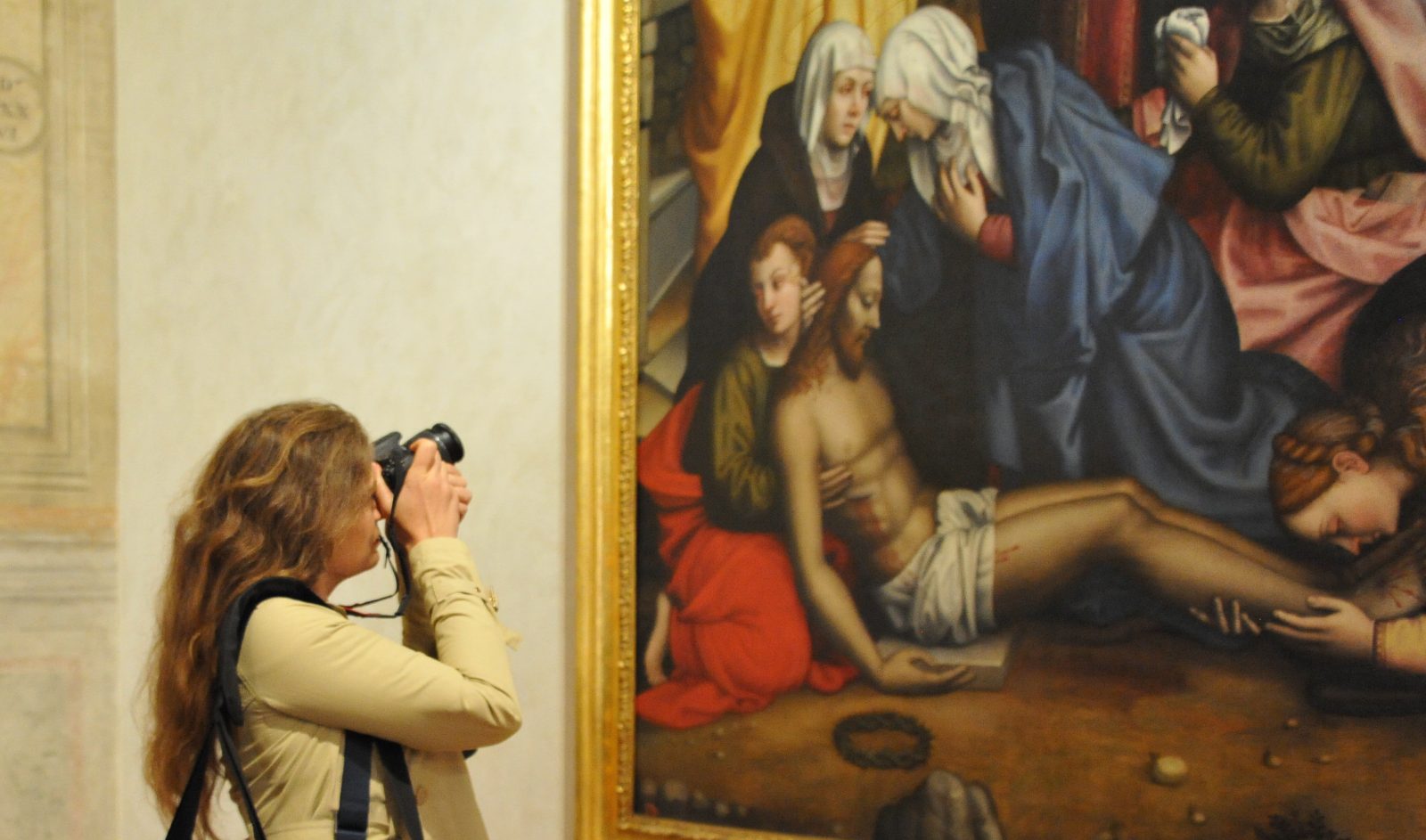
Le mani del Giudizio Universale
Nel dipingere il Giudizio Universale, affidai alle mani ciò che le labbra non potevano dire. Pregano, implorano, accusano, condannano. Qualcuna trema e altre gridano senza proferir parola.
Ci sono mani giunte, serrate in una supplica estrema: dita intrecciate come radici che cercano ancora nutrimento nella misericordia. Sono mani che sanno d’aver tardato, ma non cessano di chiedere in un tentativo estremo di salvezza. Accanto a loro, altre stringono con forza ciò che le definisce: il coltello di San Bartolomeo, simbolo del martirio. In quella pelle scorticata, che poi dovrei essere io, c’è la mia condizione di quel momento.
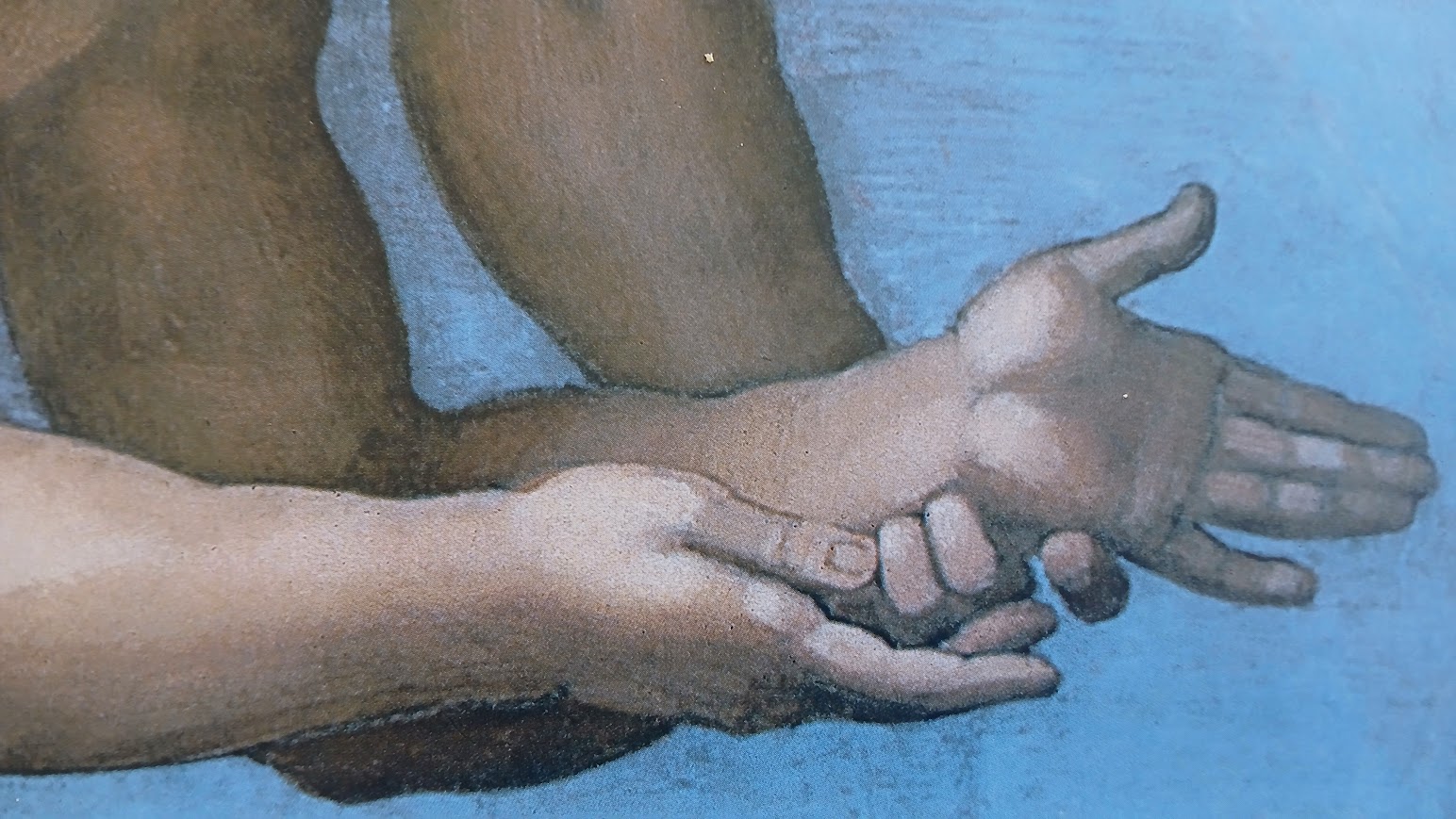
Ci sono mani che cercano perdono e mani che cercano appiglio. Alcune afferrano l’anima più vicina come naufraghi che si contendono un relitto. Altre tendono verso l’alto, già illuminate da una speranza che non è più terrena. Sono leggere, quasi trasfigurate: non pesano più, perché libere dal peccato.
Guardate le mani di San Pietro. Offre le chiavi d’oro e d’argento, segno del suo mandato compiuto. Non c’è più Chiesa, non è più tempo per edificare o distruggere. Le chiavi tornano al Giudice. Ora è soltanto redenzione o dannazione. Nulla più si costruisce: tutto si rivela.
Altre mani sorreggono il grande libro, ove sono scritti i nomi dei dannati che a stento ne sorreggono il peso: si legge nella tensione dei polsi, nello sforzo delle vene. E ci sono mani che sostengono il libro più piccolo, quello dei salvati: pare lieve, quasi un breviario d’eternità. Anche il peso della scrittura cambia secondo il destino che custodisce.
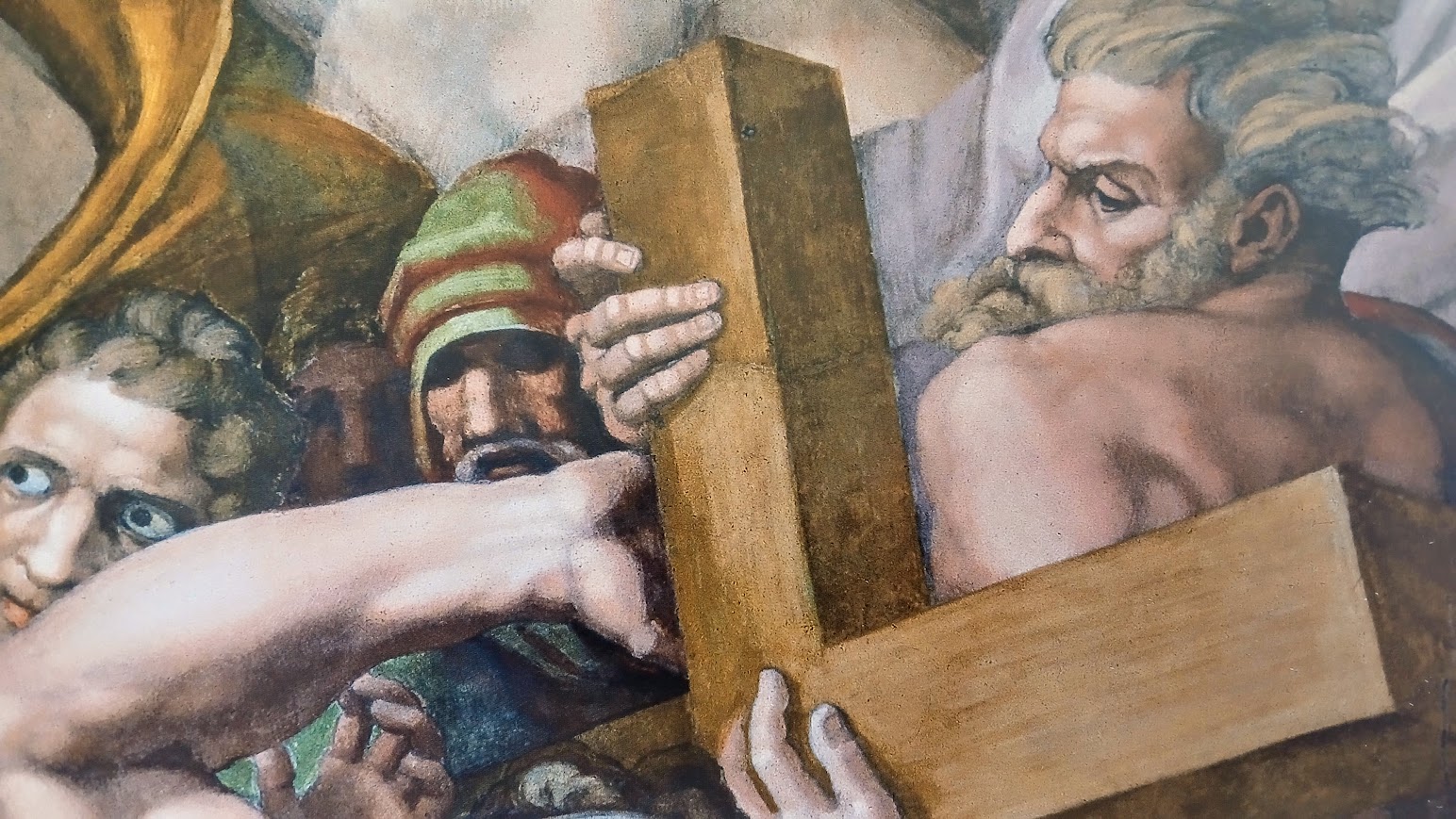
Dalle profondità, mani nude afferrano la terra per riemergere dai sepolcri. Le dita si conficcano nella polvere come artigli, non per dominare, ma per rinascere. Alcune si levano già aperte verso il cielo, palmi esposti come ferite offerte alla luce: sanno che la sentenza sarà la grazia.
E poi ci sono le mani che tentano di celare l’ineluttabile. L’uomo avvolto dalle spire del serpente spalanca gli occhi mentre le dita raccontano la disperazione. Il tempo della redenzione è finito. Tutto è come deve essere, senza appello. Le mani, che in vita costruirono, amarono, ferirono, ora testimoniano.
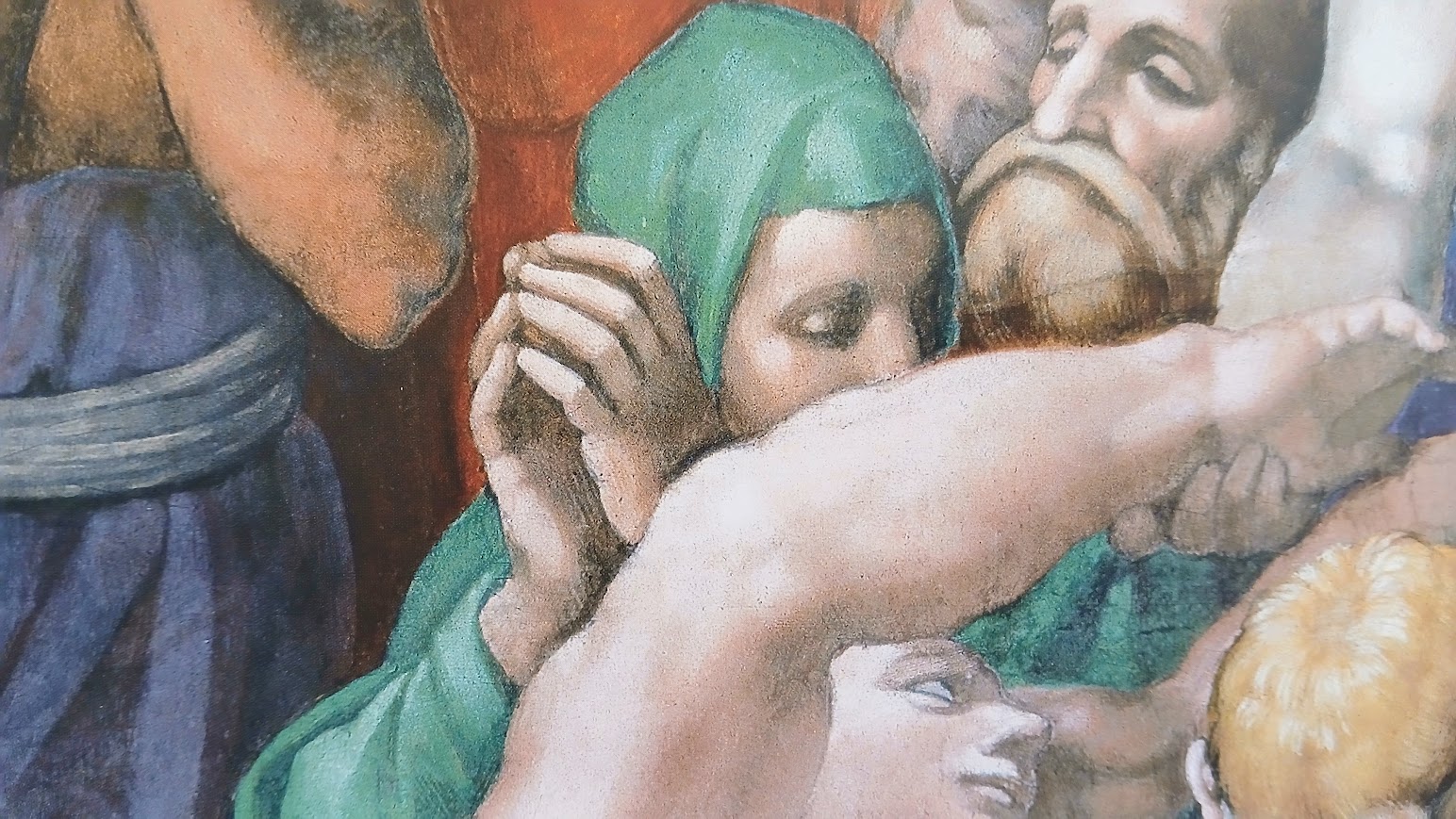
La Vergine ritrae le proprie mani vicino al volto. In Maria non c’è ribellione, ma un dolore raccolto, quasi trattenuto. Non intercede più: contempla. Il Figlio è giudice.
E Cristo leva la destra in gesto terribile e sovrano. È la mano che giudica. L’altra si dispone quasi a protezione del fianco sinistro, come se anche nella gloria permanesse memoria della ferita. Entrambe portano il segno dei chiodi. La condanna e l’approvazione scaturiscono dalle stesse piaghe. Non c’è giustizia che non sia passata attraverso il sacrificio.
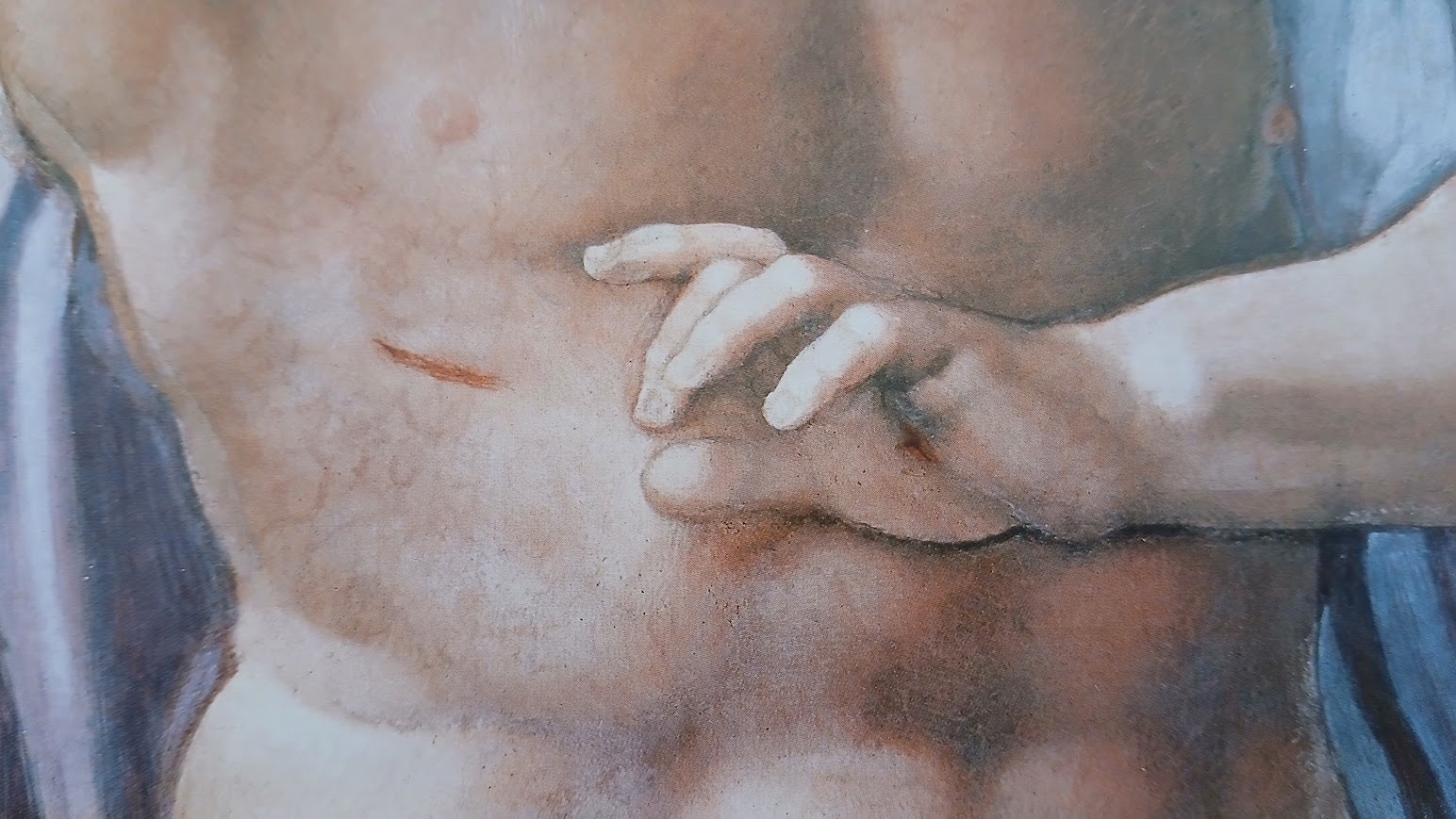
La mano destra è comando, è separazione. La sinistra trattiene, misura, equilibra. Non è un gesto d’ira cieca: è un moto necessario, come quello dell’universo che si ricompone. In quel braccio alzato non vi è solo potere, ma compimento.
Io volli che le mani parlassero perché sono l’estensione dell’anima. Prima ancora del volto, è la mano a tradire il tremore, l’avidità, la fede. Le mani raccontano ciò che il corpo tenta di nascondere. Svelano e rivelano.
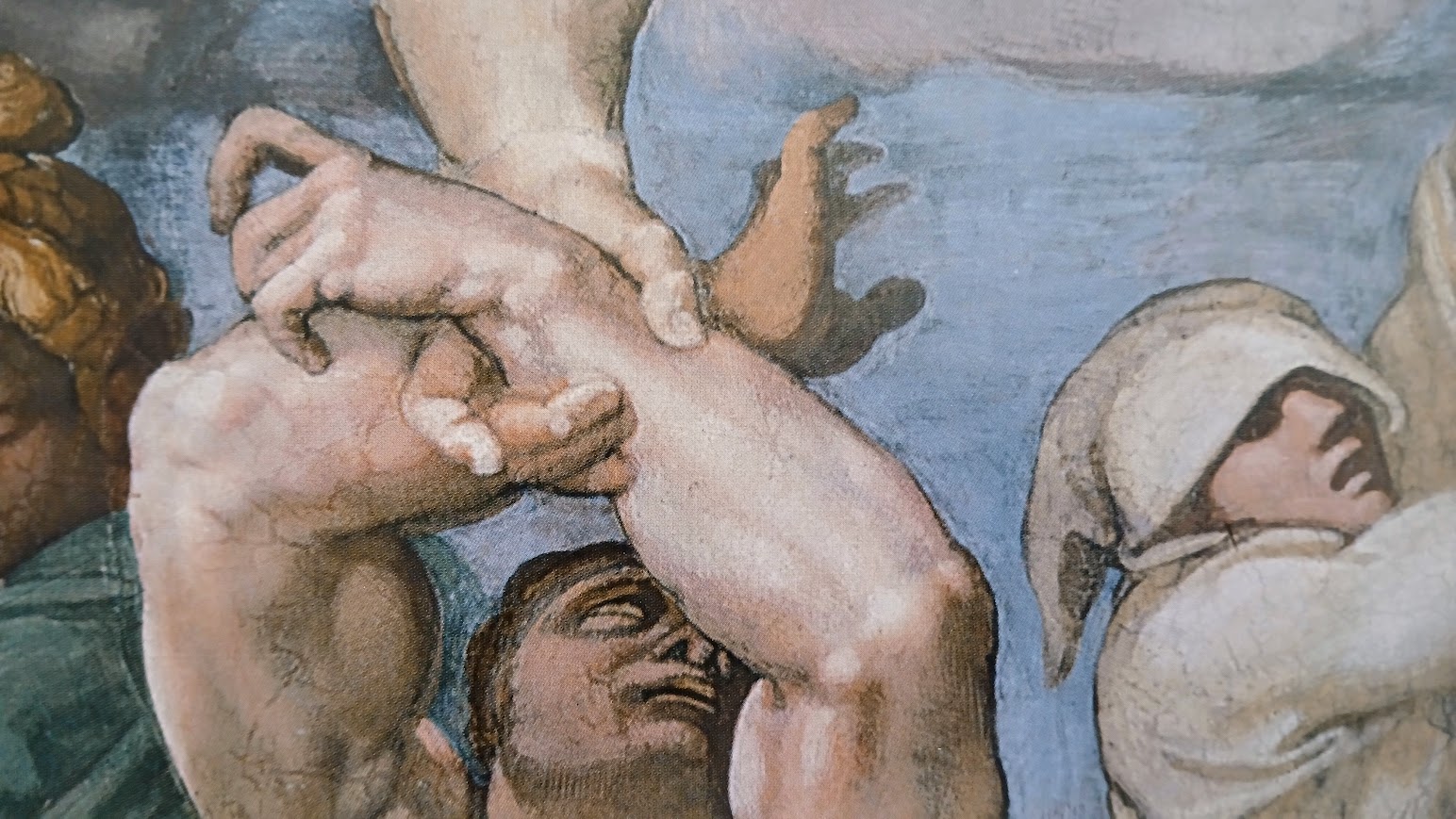
Nel giorno ultimo non ci sarà più parola. Non ci sarà più difesa. Saranno le mani aperte, serrate, tese o cadenti, a dichiarare chi siamo stati.
E allora tutto sarà come deve essere. Senza appello.
Per il momento il sempre vostro Michelangelo Buonarroti vi saluta dandovi appuntamento ai prossimi post e sui social.
The Hands of the Last Judgment
In painting the Last Judgment, I entrusted to my hands what my lips could not express. They pray, implore, accuse, condemn. Some tremble, others cry out wordlessly.
There are hands clasped, clenched in a final supplication: fingers intertwined like roots still seeking nourishment in mercy. They are hands that know they have been late, but they do not cease to ask in a final attempt at salvation. Beside them, others tightly grasp what defines them: the knife of Saint Bartholomew, symbol of martyrdom. In that flayed skin, which should be me, lies my condition at that moment.
There are hands seeking forgiveness and hands seeking support. Some grasp the nearest soul like shipwrecked sailors contending for a wreck. Others reach upward, already illuminated by a hope that is no longer earthly. They are light, almost transfigured: they no longer weigh, because they are freed from sin.
Look at the hands of Saint Peter. He offers the golden and silver keys, a sign of his fulfilled mandate. There is no longer a Church, no longer a time for building or destroying. The keys return to the Judge. Now it is only redemption or damnation. Nothing is built anymore: everything is revealed.
Other hands hold the large book, where the names of the damned are written, barely able to bear its weight: it can be read in the tension of their wrists, the strain of their veins. And there are hands that hold the smaller book, that of the saved: it seems light, almost a breviary of eternity. Even the weight of the writing changes according to the destiny it holds.
From the depths, bare hands grasp the earth to re-emerge from the tombs. Fingers dig into the dust like claws, not to dominate, but to be reborn. Some are already raised, open toward the sky, palms exposed like wounds offered to the light: they know that the sentence will be grace.
And then there are the hands that try to conceal the inevitable. The man wrapped in the serpent’s coils opens his eyes wide while his fingers speak of desperation. The time of redemption is over. Everything is as it should be, without appeal. The hands, which in life built, loved, and wounded, now bear witness.
The Virgin draws her hands close to her face. In Mary there is no rebellion, but a recollected, almost restrained pain. She no longer intercedes: she contemplates. The Son is the judge.
And Christ raises his right hand in a terrible and sovereign gesture. It is the hand that judges. The other is positioned almost to protect the left side, as if even in glory the memory of the wound lingers. Both bear the mark of the nails. Condemnation and approval spring from the same wounds. There is no justice that has not passed through sacrifice.
The right hand is command, separation. The left holds, measures, balances. It is not a gesture of blind rage: it is a necessary movement, like that of the universe recomposing itself. In that raised arm there is not only power, but fulfillment.
I wanted the hands to speak because they are the extension of the soul. Even before the face, it is the hand that betrays trembling, greed, faith. The hands reveal what the body tries to hide. They unveil and reveal.
On the final day, there will be no more words. There will be no more defense. It will be the open, clenched, outstretched, or drooping hands that will declare who we were.
And then everything will be as it should be. Without appeal.
For now, yours truly, Michelangelo Buonarroti bids you farewell and invites you to see him in future posts and on social media.

Sostienici – Support Us
Se questo blog ti piace e ti appassiona, puoi aiutarci a farlo crescere sempre più sostenendoci in modo concreto condividendo i post, seguendo le pagine social e con un contributo che ci aiuta ad andare avanti con il nostro lavoro di divulgazione. . ENGLISH: If you like and are passionate about this blog, you can help us make it grow more and more by supporting us in a concrete way by sharing posts, following social pages and with a contribution that helps us to move forward with our dissemination work.
10,00 €
Articoli
Condividi:


Questo sono io





sostienici

Sostienici – Support Us
Se questo blog ti piace e ti appassiona, puoi aiutarci a farlo crescere sempre più sostenendoci in modo concreto condividendo i post, seguendo le pagine social e con un contributo che ci aiuta ad andare avanti con il nostro lavoro di divulgazione. . ENGLISH: If you like and are passionate about this blog, you can help us make it grow more and more by supporting us in a concrete way by sharing posts, following social pages and with a contribution that helps us to move forward with our dissemination work.
€10,00


