
6 giugno: il giorno del battesimo di Velàzquez
Era il 6 giugno del 1599 quando Diego de Silva y Velázquez venne battezzato nella chiesa di San Pietro a Siviglia. Non è data sapere la sua data di nascita esatta ma era in quell’epoca i genitori preferivano far impartire il primo Sacramento ai neonati quanto prima possibile.
Quello che invece è certo è che le pennellate dense e veloci di Velazquez hanno saputo raccontare un mondo intero, ripreso poi nella forma dagli impressionisti francesi nei secoli a seguire.
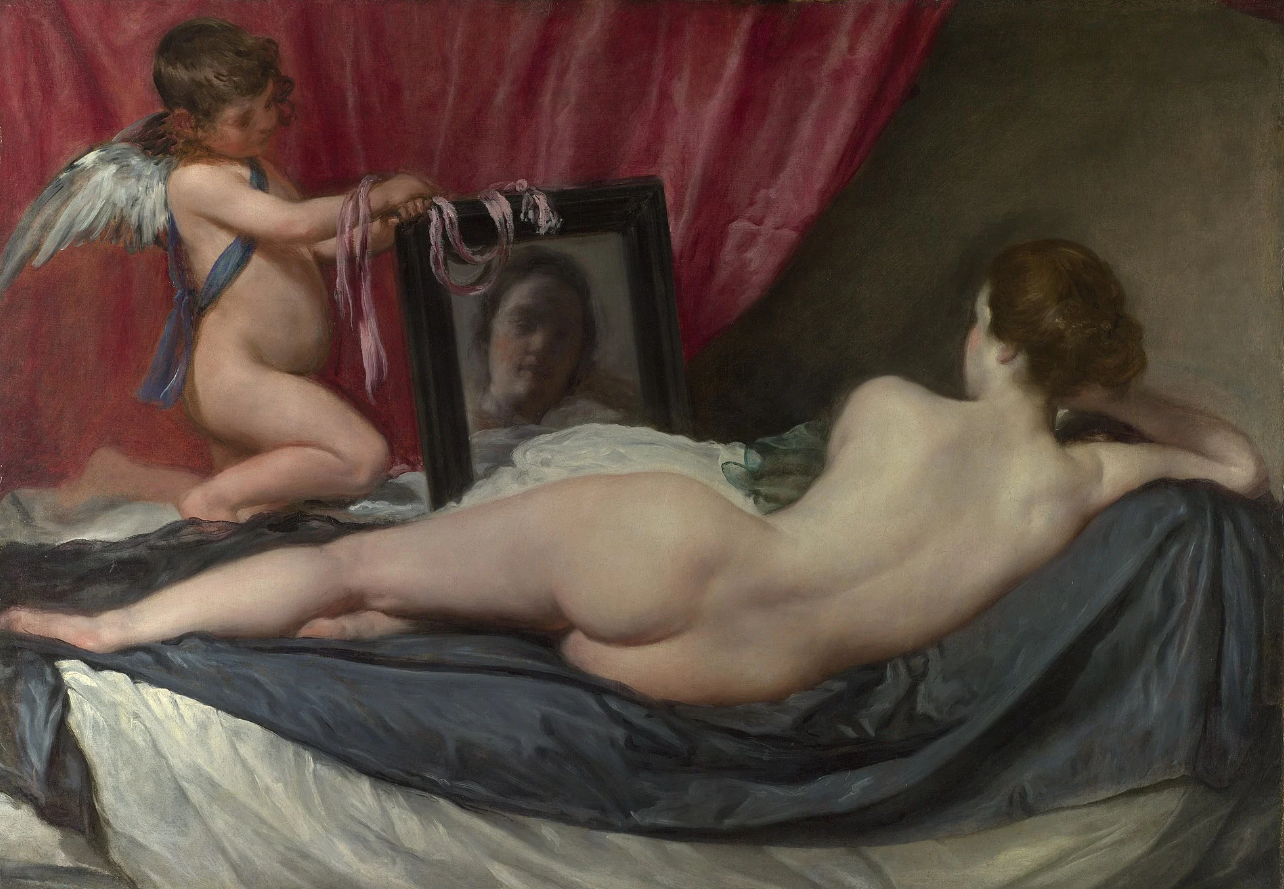
Velázquez mostrò fin da giovane una grande predisposizione al disegno. A soli undici anni entrò a bottega da Francisco Pacheco, un pittore erudito e umanista, che sarebbe poi diventato anche suo suocero. Pacheco gli insegnò le tecniche pittoriche e la cultura classica, la letteratura e la filosofia: tutti elementi che contribuirono ad arricchire la sua formazione culturale.
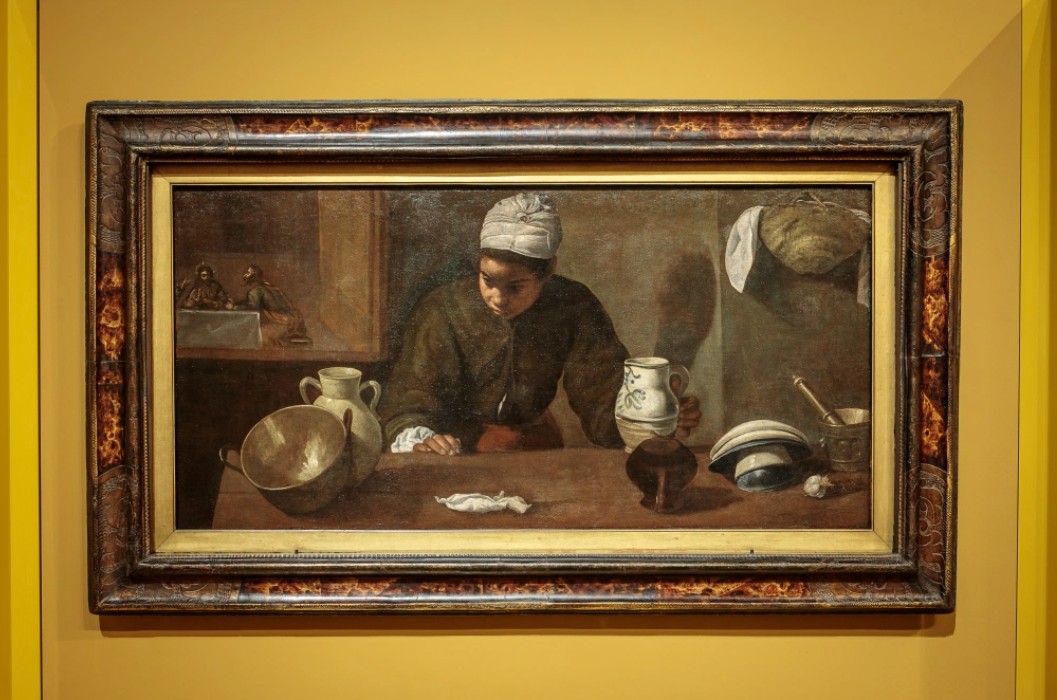
I primi anni di Velázquez a Siviglia furono caratterizzati dalla pittura di bodegones cioè di scene di genere con figure e nature morte. Era particolarmente attratto dalla realizzazione di ritratti realistici che già rivelavano una grande capacità di osservazione.
Opere come Vecchia friggitrice di uova e Acquaiolo di Siviglia palesano fin da giovane la sua abilità nel rendere le trame, i volumi e la luce in modo magistrale, trasformando scene quotidiane in opere d’arte di grande dignità.
L’Arrivo a Madrid e la Carriera a Corte
Il punto di svolta nella carriera di Velázquez avvenne nel 1623, quando si trasferì a Madrid. Riuscì ad entrare nelle grazie di re Filippo IV, che lo volle nominare pittore di corte. Fu l’inizio di un rapporto duraturo di reciproca stima che durò per il resto della loro vita.
Come pittore di corte Velázquez ebbe il compito di ritrarre la famiglia reale, la nobiltà e le figure di spicco della corte spagnola. I suoi ritratti erano molto apprezzati per la loro forza espressiva e per quella facoltà di Velàzquez di riuscire a catturare la personalità e lo stato d’animo dei soggetti.

I Viaggi in Italia e l’Influenza Estera
Velázquez ebbe modo di fare due importanti viaggi in Italia, fondamentali per la sua evoluzione artistica.
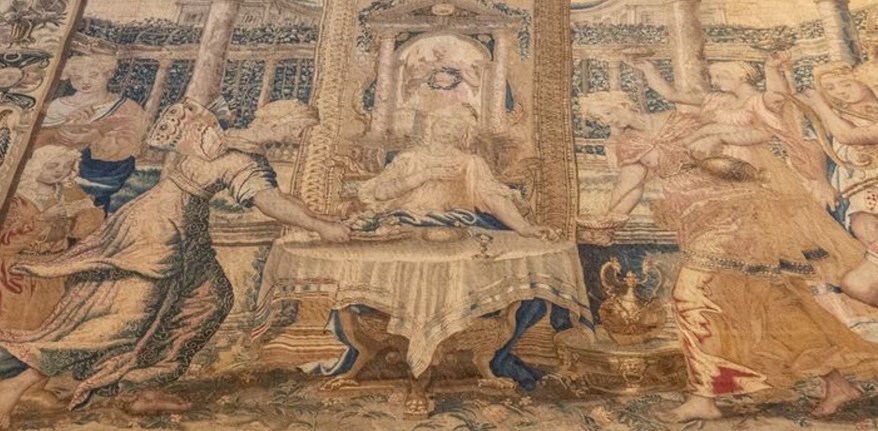
Il primo, tra il 1629 e il 1631, gli permise di studiare le opere dei maestri rinascimentali come Tiziano, Tintoretto e Veronese e di confrontarsi con l’arte classica. Durante questo periodo dipinse opere significative come La fucina di Vulcano e Giuseppe e la tunica di Giacobbe, che mostrano la sua maggiore libertà compositiva.
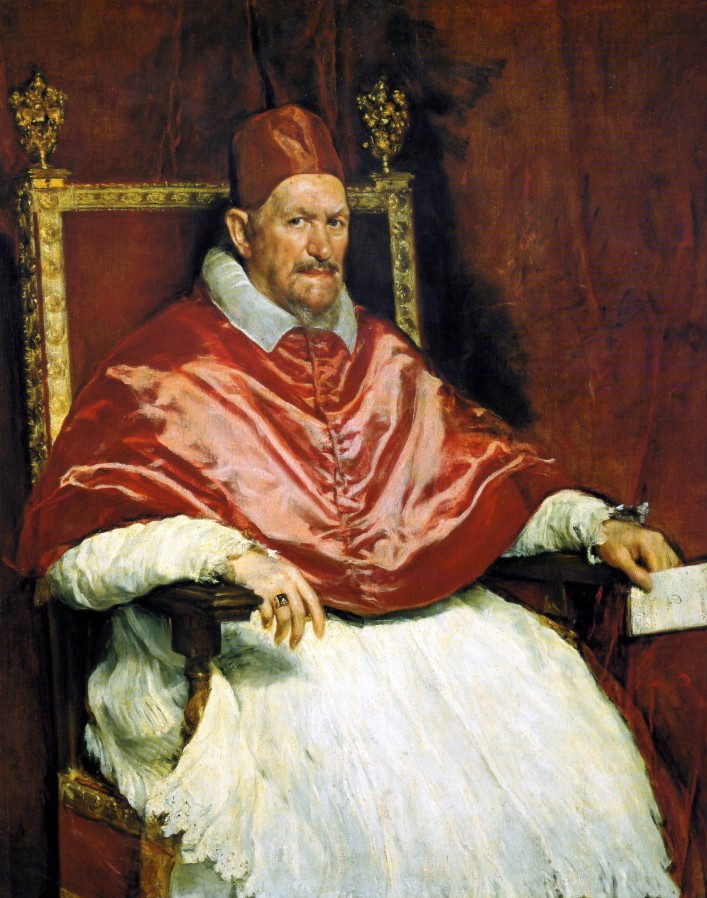
Il secondo viaggio, tra il 1649 e il 1651, fu ancora più significativo per la ricaduta che ebbe sulla sua influenza artistica. A Roma, Velázquez realizzò il celebre Ritratto di Innocenzo X, un capolavoro di intensità psicologica e maestria pittorica che affascinò il papa in persona.
I capolavori della maturità
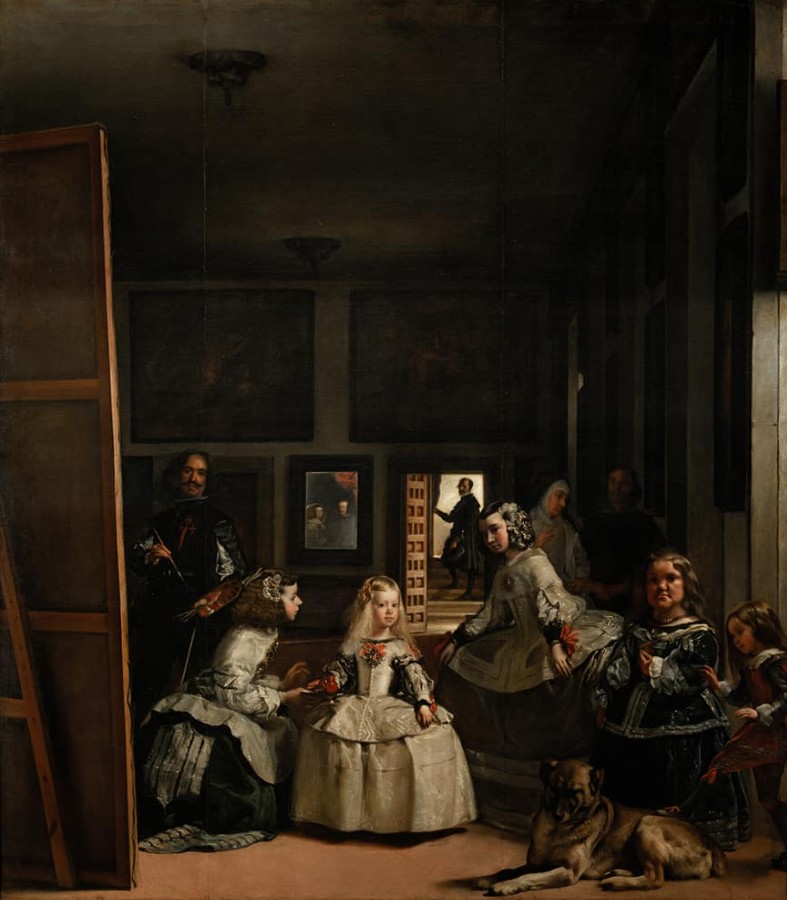
Gli ultimi anni della vita di Velázquez furono i più prolifici e innovativi. È in questo periodo che realizzò i suoi capolavori più noti come Las Meninas e Las Hilanderas.
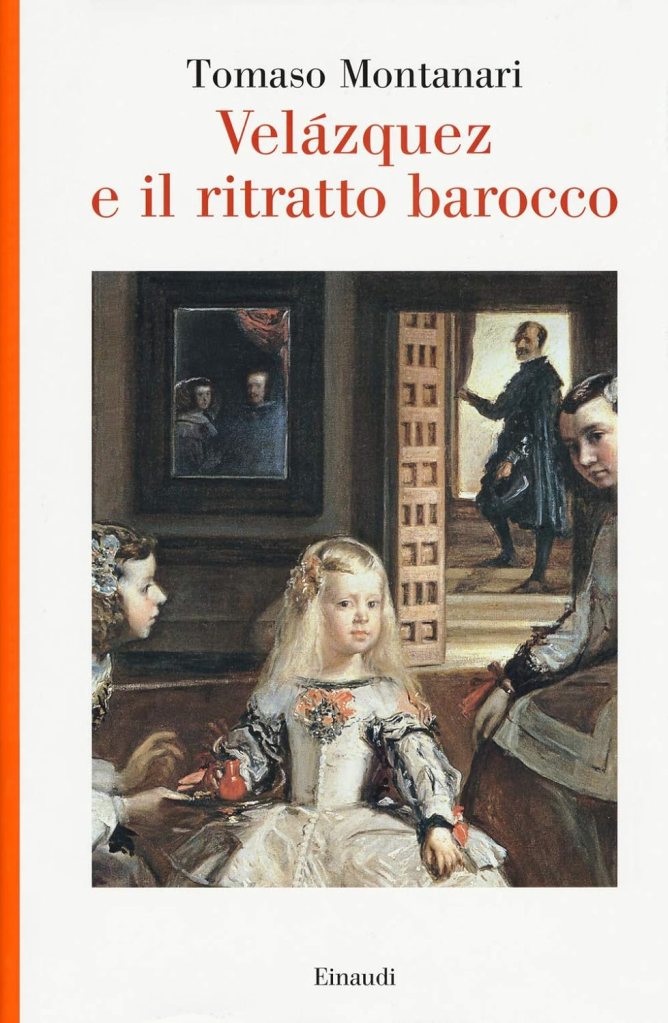
Las Meninas è considerato il suo testamento artistico. Con una composizione innovativa e un utilizzo straordinario della luce e dello spazio, questo dipinto è uno dei più conosciuti nel mondo dell’artista spagnolo.
Diego Velázquez morì a Madrid il 6 agosto 1660 lasciando un’eredità artistica straordinaria. Édouard Manet, John Singer Sargent, Pablo Picasso e Salvador Dalí hanno riconosciuto in lui un precursore e una fonte di ispirazione.
Per il momento il sempre vostro Michelangelo Buonarroti vi saluta dandovi appuntamento ai prossimi post e sui social.
June 6: the day of Velàzquez’s baptism
It was June 6, 1599 when Diego de Silva y Velázquez was baptized in the church of San Pietro in Seville. His exact date of birth is unknown, but at that time parents preferred to give the first sacrament to newborns as soon as possible.
What is certain, however, is that Velazquez’s dense and rapid brush strokes were able to tell an entire world, later taken up in form by the French Impressionists in the centuries to follow.
Velázquez showed a great predisposition for drawing from a young age. At just eleven years old, he entered the workshop of Francisco Pacheco, an erudite and humanist painter, who would later also become his father-in-law. Pacheco taught him painting techniques and classical culture, literature and philosophy: all elements that contributed to enriching his cultural education.
Velázquez’s early years in Seville were characterized by the painting of bodegones, that is, genre scenes with figures and still lifes. He was particularly attracted to the creation of realistic portraits that already revealed a great capacity for observation.
Works such as The Old Woman Frying Eggs and The Waterseller of Seville reveal from a young age his ability to render textures, volumes and light in a masterly way, transforming everyday scenes into works of art of great dignity.
Arrival in Madrid and Career at Court
The turning point in Velázquez’s career came in 1623, when he moved to Madrid. He managed to get into the good graces of King Philip IV, who wanted to appoint him court painter. It was the beginning of a lasting relationship of mutual respect that lasted for the rest of their lives.
As a court painter Velázquez was tasked with portraying the royal family, the nobility and the leading figures of the Spanish court. His portraits were highly appreciated for their expressive power and for Velázquez’s ability to capture the personality and state of mind of his subjects.
Travels to Italy and Foreign Influence
Velázquez had the opportunity to make two important trips to Italy, which were fundamental for his artistic evolution.
The first, between 1629 and 1631, allowed him to study the works of Renaissance masters such as Titian, Tintoretto and Veronese and to confront himself with classical art. During this period he painted significant works such as Vulcan’s Forge and Joseph and Jacob’s Coat, which show his greater compositional freedom.
The second trip, between 1649 and 1651, was even more significant for the impact it had on his artistic influence. In Rome, Velázquez painted the famous Portrait of Innocent X, a masterpiece of psychological intensity and pictorial mastery that fascinated the Pope himself.
Mature Masterpieces
The last years of Velázquez’s life were his most prolific and innovative. It was during this period that he created his most famous masterpieces such as Las Meninas and Las Hilanderas.
Las Meninas is considered his artistic testament. With an innovative composition and an extraordinary use of light and space, this painting is one of the most famous in the world of the Spanish artist.
Diego Velázquez died in Madrid on August 6, 1660, leaving behind an extraordinary artistic legacy. Édouard Manet, John Singer Sargent, Pablo Picasso and Salvador Dalí recognized him as a precursor and a source of inspiration.
For the moment, the always your Michelangelo Buonarroti bids you farewell and invites you to the next posts and on social media.

Sostienici – Support Us
Se questo blog ti piace e ti appassiona, puoi aiutarci a farlo crescere sempre più sostenendoci in modo concreto condividendo i post, seguendo le pagine social e con un contributo che ci aiuta ad andare avanti con il nostro lavoro di divulgazione. . ENGLISH: If you like and are passionate about this blog, you can help us make it grow more and more by supporting us in a concrete way by sharing posts, following social pages and with a contribution that helps us to move forward with our dissemination work.
10,00 €
Articoli

Condividi:


Questo sono io




sostienici

Sostienici – Support Us
Se questo blog ti piace e ti appassiona, puoi aiutarci a farlo crescere sempre più sostenendoci in modo concreto condividendo i post, seguendo le pagine social e con un contributo che ci aiuta ad andare avanti con il nostro lavoro di divulgazione. . ENGLISH: If you like and are passionate about this blog, you can help us make it grow more and more by supporting us in a concrete way by sharing posts, following social pages and with a contribution that helps us to move forward with our dissemination work.
€10,00


