

Uffizi: protagonista il Settecento, secolo dei lumi
Nei prossimi mesi sarà il Secolo dei Lumi a farla da padrone al piano terra della Galleria degli Uffizi con il percorso espositivo “Firenze e l’Europa. Arti del Settecento agli Uffizi”.
150 opere racconteranno il Settecento attraverso gli occhi e il pensiero di Goya, Tiepolo, Canaletto, Vigée Le Brun, Liotard, Mengs e tanti altri. Ci sarà inoltre la possibilità di vedere il restauro in corso del grande dipinto ‘Sposalizio Mistico di Santa Caterina’ di Pierre Subleyras, recentemente acquisito.
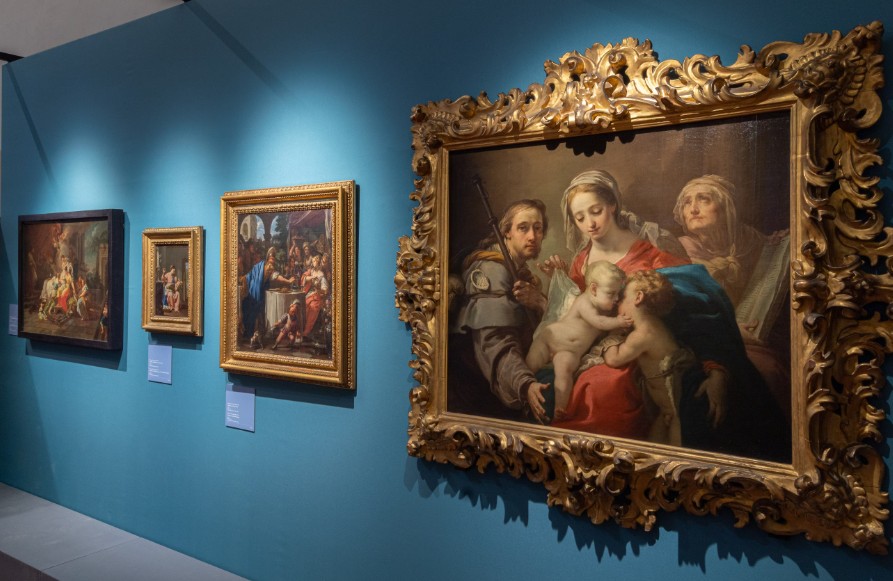
Fino al 28 novembre le sale affrescate del piano terra del museo consentiranno ai visitatori di approfondire la conoscenza sul Settecento con la mostra curata dal direttore Simone Verde e dalla responsabile della Pittura del Settecento Alessandra Griffo.
Lo scopo primario dell’esposizione è quello di narrare un’epoca di cambiamenti fondamentali per il pensiero, l’estetica, il gusto occidentale ma anche Uffizi, che nel Settecento furono trasformati in un museo di moderna concezione.
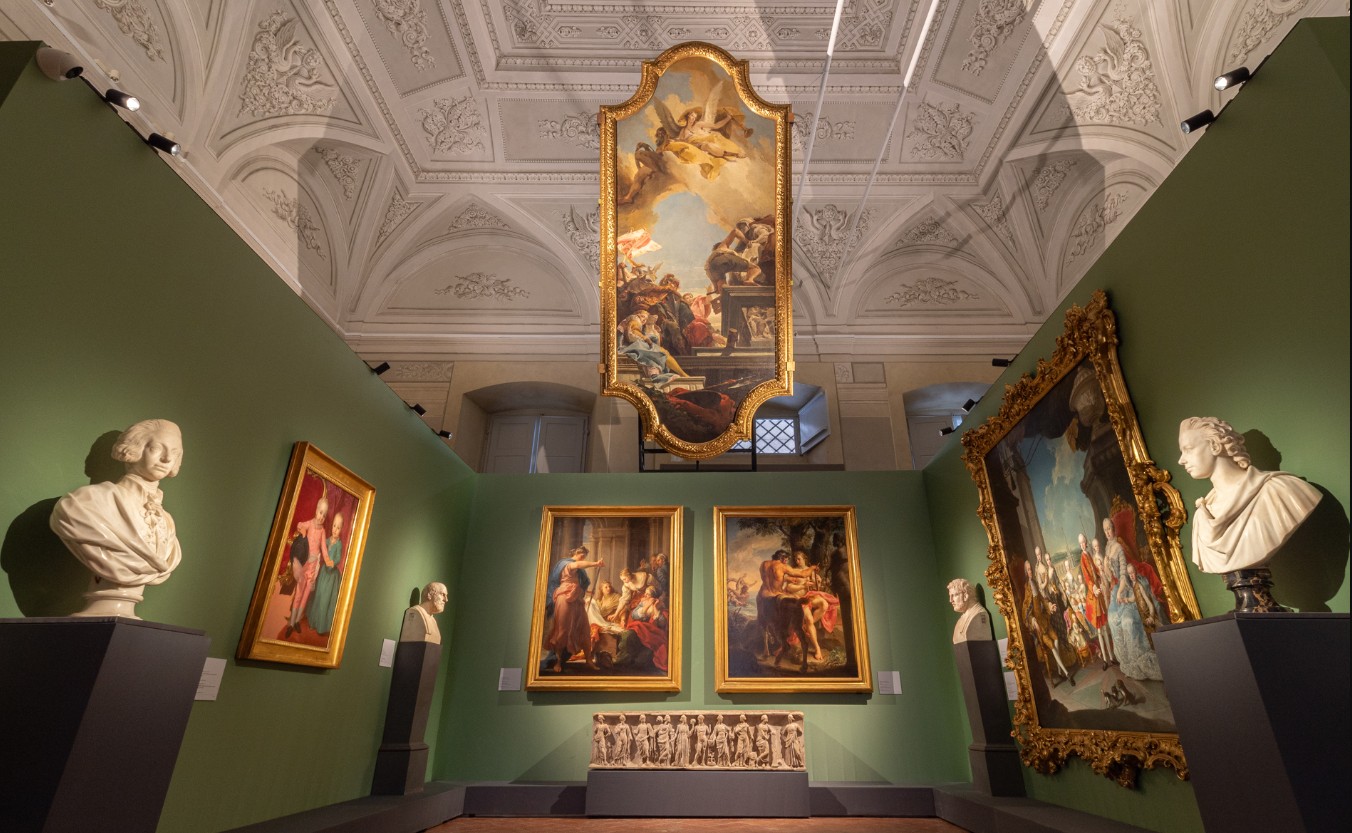
Fu proprio nel Settecento infatti, che grazie al patto sottoscritto da Anna Maria Luisa de’ medici, certificando nel 1737 la fine della dinastia, ne vincolò le opere a Firenze “per ornamento dello Stato”. Pietro Leopoldo, Granduca di Toscana, nel giorno 24 giugno 1769, festa di San Giovanni, permise ai cittadini di entrare negli Uffizi.
Il percorso espositivo
La mostra inizia con la produzione artistica nei primi decenni del Settecento. La religiosità è ancora al centro della scena e vengono commissionate opere come l’inginocchiatoio degli appartamento reali affidato a Giova Battista Foggini e la Crocifissione di Sebastiano Ricci.
A seguire si procede con i successori dei Medici: i Lorena. Inizia a penetrare nel pensiero comune l’illuminismo e si amplia la platea dei committenti che chiedono opere a pittori come Goya, Elisabeth Vigée Le Brun, Anton Rafael Mengs e Jean Marc Nattier.
Non manca la riscoperta dei Primitivi ovvero quei pittori della cristianità medievale che trovarono nuova luce negli ambienti tipicamente anti-illuinistici che precedettero il periodo del Romanticismo. A questo periodo appartengono opere in cui si fa spazio anche l’amore per l’esotico come la Giovane donna vestita alla turca di Jean-Étienne Liotard.

Il percorso espositivo include il cantiere di restauro del dipinto ‘Matrimonio mistico di Santa Caterina de’ Ricci’ di Pierre Subleyras, recente acquisizione delle Gallerie degli Uffizi. La grande opera al momento è nelle mani dei restauratori per un approfondito intervento di pulitura che consentirà di mostrare i colori non offuscati da vernici alterati e strati di polvere.
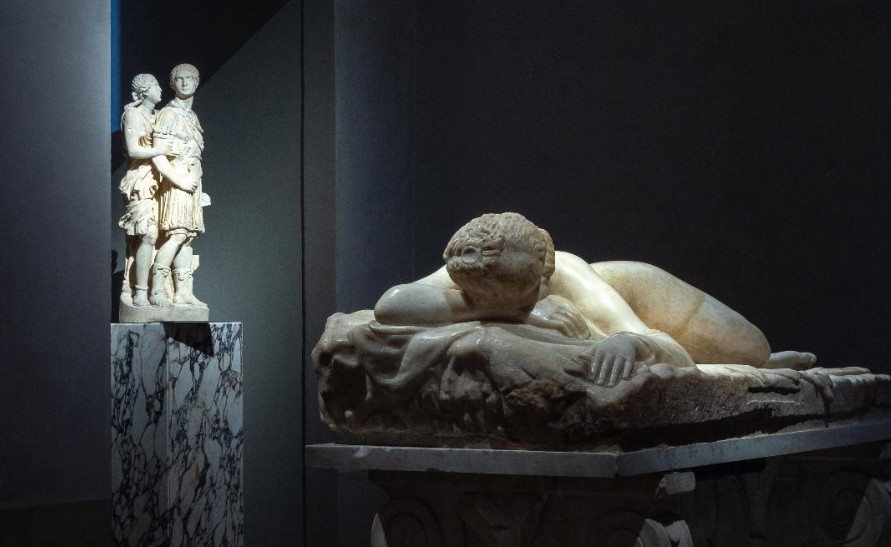
Non mancherà una sezione dedicata alle sculture di nudo a tema erotico, particolarmente apprezzate nel Settecento. Nella mostra è stato ricostruita la composizione dell’immaginario gabinetto erotico che il marchese De Sade che descrisse nel suo romanzo “Juliette”.

Il costo della mostra “Firenze e l’Europa. Arti del Settecento agli Uffizi” è compreso nel biglietto d’entrata della Galleria degli Uffizi.
Per il momento il sempre vostro Michelangelo Buonarroti vi saluta dandovi appuntamento ai prossimi post e sui social.
Uffizi: the protagonist is the 18th century, the Age of Enlightenment
In the coming months, the Age of Enlightenment will dominate the ground floor of the Uffizi Gallery with the exhibition itinerary “Florence and Europe. Arts of the 18th century at the Uffizi”.
150 works will tell the story of the 18th century through the extraordinary works of Goya, Tiepolo, Canaletto, Vigée Le Brun, Liotard, Mengs and many other artists and there will be the opportunity to see the restoration in progress of the large painting ‘Mystical Marriage of Saint Catherine’ by Pierre Subleyras, recently acquired.
Until November 28, the frescoed rooms on the ground floor of the museum will allow visitors to deepen their knowledge of the 18th century with the exhibition curated by the director Simone Verde and the head of 18th-century Painting Alessandra Griffo.
The primary purpose of the exhibition is to narrate an era of fundamental changes for Western thought, aesthetics, taste but also the Uffizi, which in the eighteenth century was transformed into a museum of modern conception.
It was in the eighteenth century in fact, that thanks to the pact signed by Anna Maria Luisa de’ Medici, certifying the end of the dynasty in 1737, she bound the works to Florence “for the ornamentation of the State”. Pietro Leopoldo, Grand Duke of Tuscany, on June 24, 1769, the feast of San Giovanni, allowed citizens to enter the Uffizi.
The exhibition itinerary
The exhibition begins with artistic production in the first decades of the eighteenth century. Religiosity is still at the center of the scene and works are commissioned such as the prie-dieu of the royal apartments entrusted to Giova Battista Foggini and the Crucifixion by Sebastiano Ricci.
Next we proceed with the successors of the Medici: the Lorena. The Enlightenment began to penetrate common thought and the number of patrons who asked for works by painters such as Goya, Elisabeth Vigée Le Brun, Anton Rafael Mengs and Jean Marc Nattier expanded.
There is also the rediscovery of the Primitives, those painters of medieval Christianity who found new light in the typically anti-Enlightenment environments that preceded the Romantic period. Works from this period also feature a love of the exotic, such as Jean-Étienne Liotard’s Young Woman Dressed in Turkish Style.
The exhibition itinerary includes the restoration of the painting ‘Mystic Marriage of Saint Catherine de’ Ricci’ by Pierre Subleyras, a recent acquisition by the Uffizi Galleries. The great work is currently in the hands of restorers for an in-depth cleaning intervention that will allow the colors to be shown, unclouded by altered varnishes and layers of dust.
There will also be a section dedicated to erotic nude sculptures, particularly popular in the eighteenth century. The exhibition reconstructs the composition of the imaginary erotic cabinet that the Marquis De Sade described in his novel “Juliette”.
The cost of the exhibition “Florence and Europe. Eighteenth-century Arts at the Uffizi” is included in the entrance ticket to the Uffizi Gallery.
For the moment, yours truly Michelangelo Buonarroti bids you farewell, making an appointment to see you in the next posts and on social media.

Sostienici – Support Us
Se questo blog ti piace e ti appassiona, puoi aiutarci a farlo crescere sempre più sostenendoci in modo concreto condividendo i post, seguendo le pagine social e con un contributo che ci aiuta ad andare avanti con il nostro lavoro di divulgazione. . ENGLISH: If you like and are passionate about this blog, you can help us make it grow more and more by supporting us in a concrete way by sharing posts, following social pages and with a contribution that helps us to move forward with our dissemination work.
10,00 €
Condividi:


Questo sono io





sostienici

Sostienici – Support Us
Se questo blog ti piace e ti appassiona, puoi aiutarci a farlo crescere sempre più sostenendoci in modo concreto condividendo i post, seguendo le pagine social e con un contributo che ci aiuta ad andare avanti con il nostro lavoro di divulgazione. . ENGLISH: If you like and are passionate about this blog, you can help us make it grow more and more by supporting us in a concrete way by sharing posts, following social pages and with a contribution that helps us to move forward with our dissemination work.
€10,00


