

L’opera del giorno: le Prove di Mosè che Botticelli affrescò nella Cappella Sistina
Sandro Botticelli affrescò nel secondo registro della Cappella Sistina, tra il 1481 e il 1482, le Prove di Mosè.
Fu papa Sisto IV della Rovere a commissionare tutti gli affreschi quattrocenteschi presenti nella Cappella che lui stesso aveva fatto edificare pochissimo tempo prima. Tutti i quadroni del secondo registro hanno dimensioni di 348,5 cm di altezza per 558 cm di larghezza.
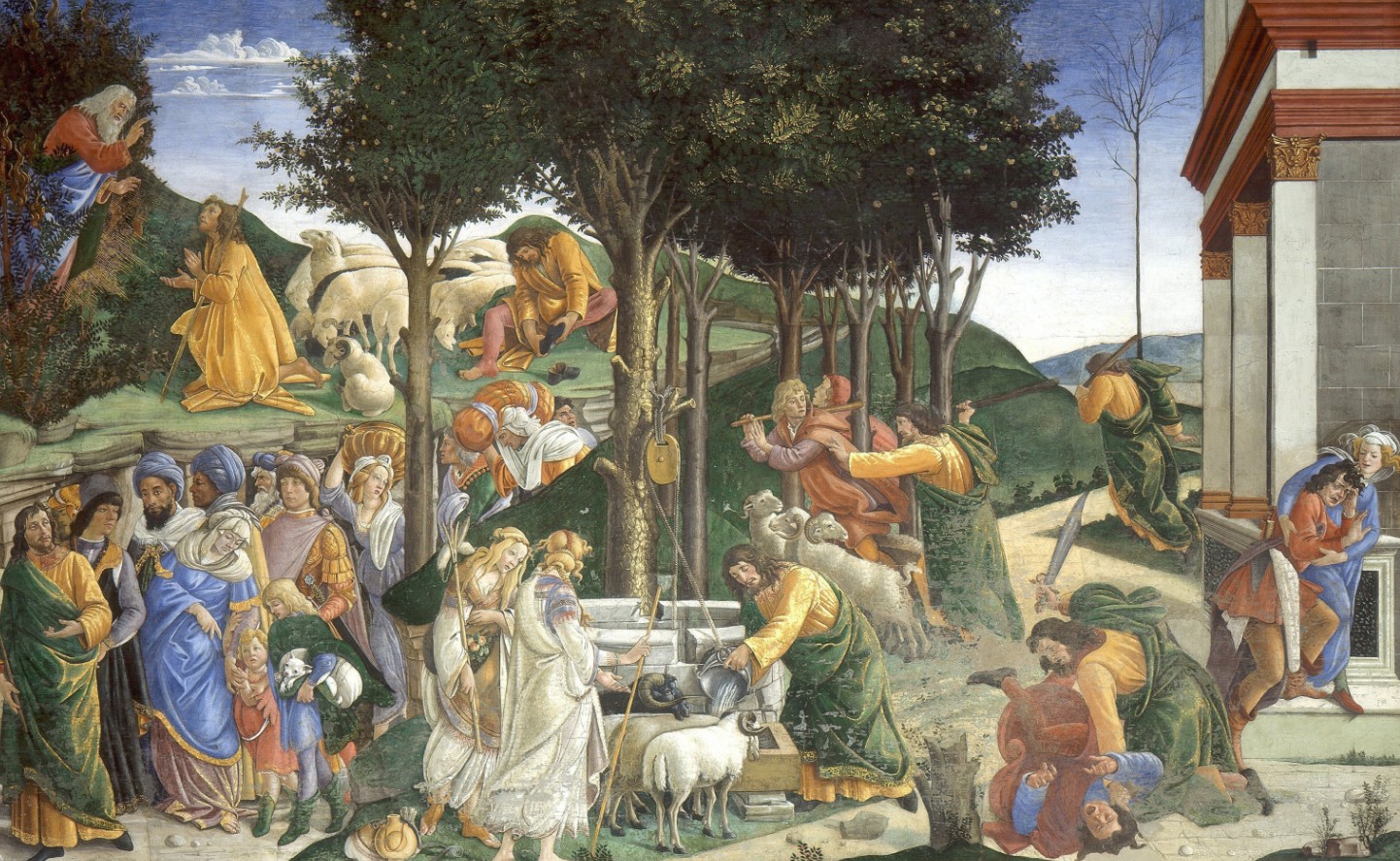
Botticelli iniziò a metter mano all’affresco delle Prove di Mosè a partire dalla primavera del 1481, sotto la stretta sorveglianza del Perugino.
Nel grande affresco Botticelli volle riprodurre diversi episodi della vita di Mosè, inserendoli in un paesaggio unico, con una narrazione che si sviluppa da destra verso sinistra.
Mosè uccide l’egiziano
Nella parte destra dell’affresco si vede Mosè, vestito con un abito giallo brillante, che uccide un sorvegliante egiziano che stava maltrattando un ebreo. Questo episodio è visto come un parallelo con Cristo che sconfigge il diavolo.
La fuga nel deserto
Subito a sinistra, Mosè fugge nel deserto di Madian per scampare all’ira del faraone dopo aver commesso l’omicidio.
Mosè difende le figlie di Ietro
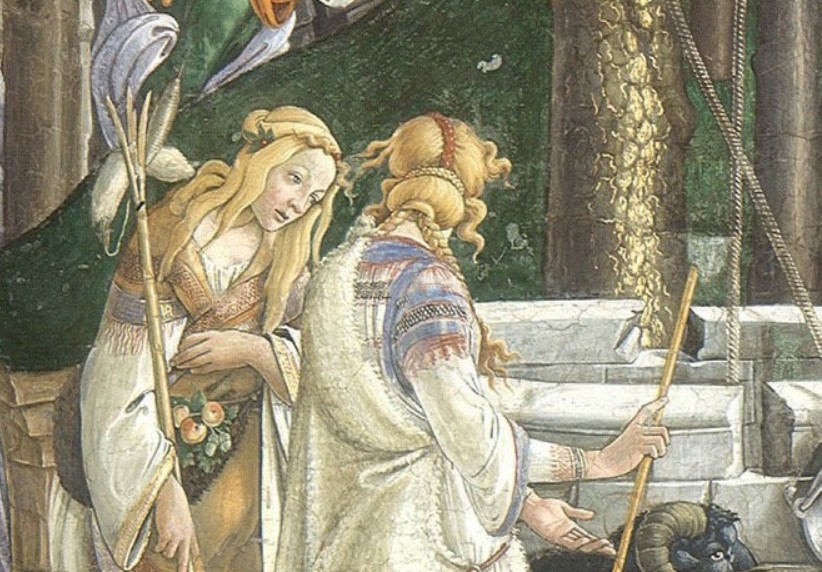
Al centro, Mosè interviene in difesa delle figlie di Ietro (tra cui la sua futura sposa, Sefora) che erano state allontanate da un gruppo di pastori mentre cercavano di abbeverare il loro gregge a un pozzo.
Mosè al pozzo con le figlie di Ietro
Si vede Mosè che aiuta le figlie di Ietro ad attingere acqua dal pozzo.
L’apparizione del roveto ardente
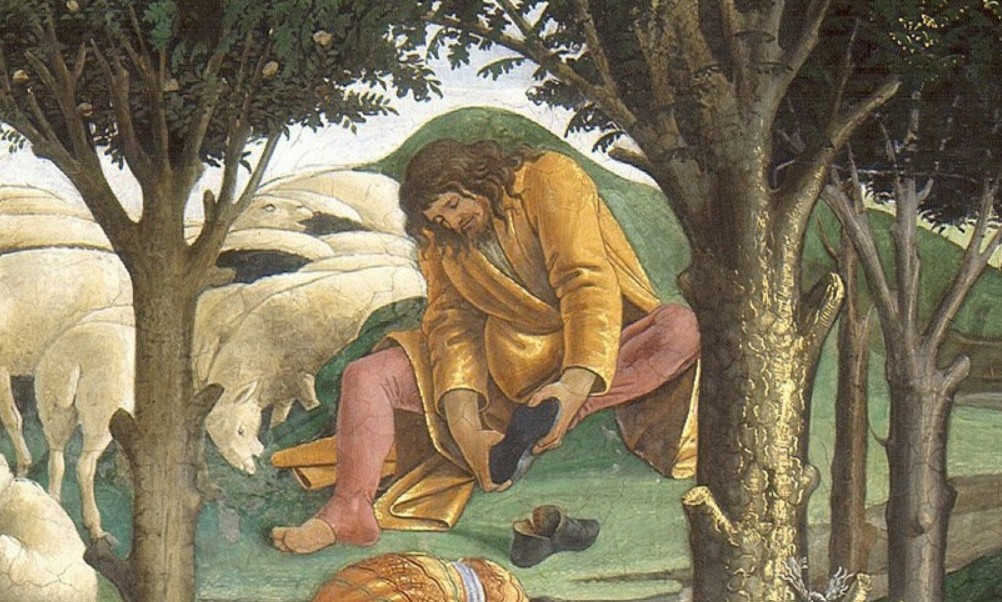
Nella parte superiore sinistra, Dio appare a Mosè in un roveto ardente sul Monte Sinai. Mosè si toglie i sandali in segno di rispetto per il luogo sacro.
Il comando di Dio
Dio ordina a Mosè di tornare in Egitto e di liberare il suo popolo dalla schiavitù.
Il ritorno in Egitto
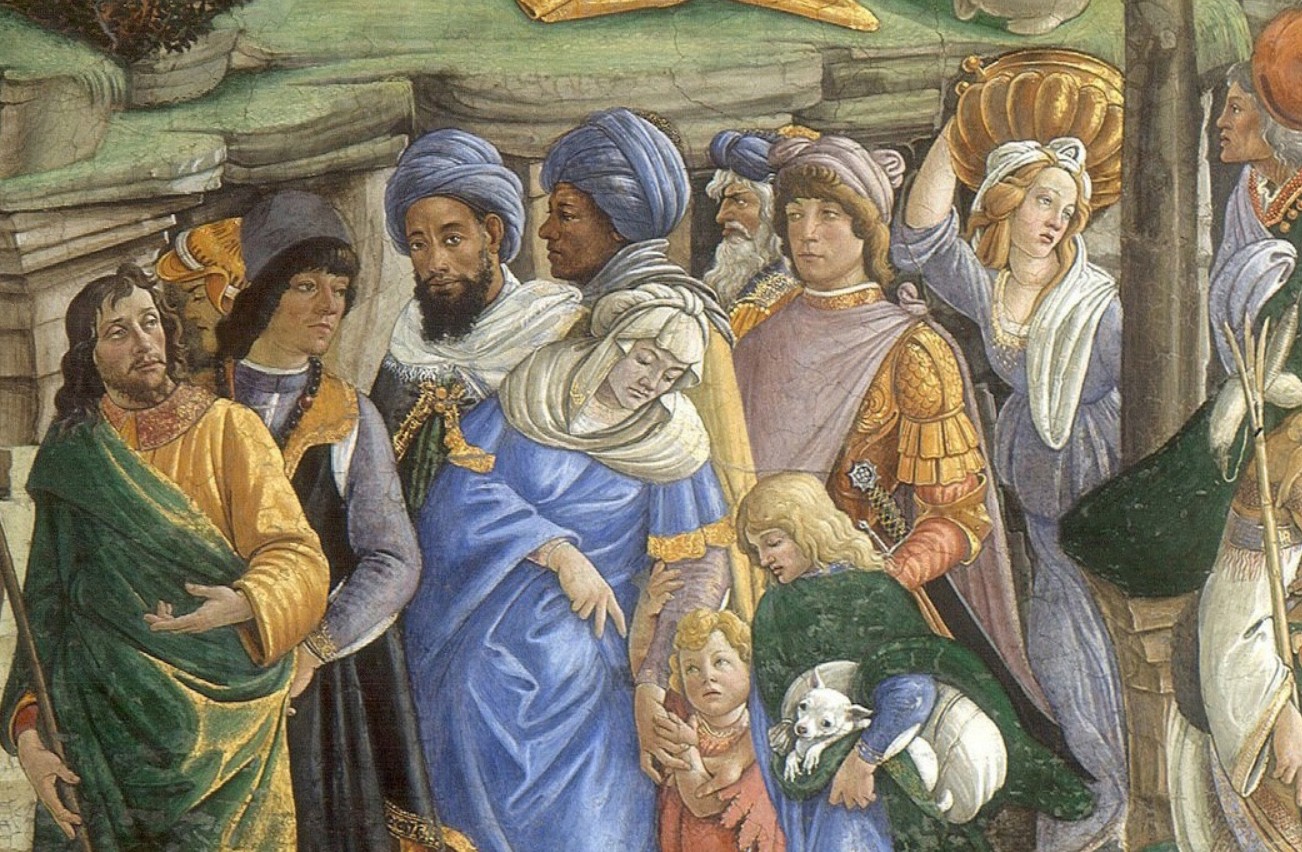
Nella parte inferiore sinistra, Mosè, accompagnato dalla sua famiglia, guida gli Israeliti in un corteo trionfale fuori dall’Egitto verso la Terra Promessa.
Mosè è facilmente riconoscibile in tutte le scene di questo e degli altri riquadri grazie alla medesima veste gialla e al mantello verde.
Per il momento il sempre vostro Michelangelo Buonarroti vi saluta dandovi appuntamento ai prossimi post e sui social.
Work of the day: The Trials of Moses that Botticelli frescoed in the Sistine Chapel
Between 1481 and 1482, Sandro Botticelli frescoed the Trials of Moses in the second register of the Sistine Chapel.
Pope Sixtus IV della Rovere commissioned all the fifteenth-century frescoes in the Chapel that he himself had built a short time before. All the large paintings in the second register are 348.5 cm high and 558 cm wide.
In the large fresco, Botticelli wanted to reproduce various episodes from the life of Moses, inserting them into a single landscape, with a narrative that develops from right to left.
Moses Kills the Egyptian
On the right side of the fresco, Moses, dressed in a bright yellow robe, is seen killing an Egyptian overseer who was mistreating a Jew. This episode is seen as a parallel to Christ defeating the devil.
The Flight into the Desert
On the immediate left, Moses flees into the desert of Midian to escape the wrath of Pharaoh after committing the murder.
Moses Defends the Daughters of Jethro
In the center, Moses comes to the defense of Jethro’s daughters (including his future wife, Zipporah) who were chased away by a group of shepherds while they were trying to water their flock at a well.
Moses at the Well with Jethro’s Daughters
Moses is seen helping Jethro’s daughters draw water from the well.
The Appearance of the Burning Bush
In the upper left, God appears to Moses in a burning bush on Mount Sinai. Moses removes his sandals as a sign of respect for the sacred site.
God’s Command
God orders Moses to return to Egypt and free his people from slavery.
The Return to Egypt
In the lower left, Moses, accompanied by his family, leads the Israelites in a triumphal procession out of Egypt towards the Promised Land.
Moses is easily recognizable in all the scenes of this and the other panels thanks to the same yellow robe and green cloak.
For the moment, the ever-your Michelangelo Buonarroti bids you farewell, making an appointment with you in the next posts and on social media.

Sostienici – Support Us
Se questo blog ti piace e ti appassiona, puoi aiutarci a farlo crescere sempre più sostenendoci in modo concreto condividendo i post, seguendo le pagine social e con un contributo che ci aiuta ad andare avanti con il nostro lavoro di divulgazione. . ENGLISH: If you like and are passionate about this blog, you can help us make it grow more and more by supporting us in a concrete way by sharing posts, following social pages and with a contribution that helps us to move forward with our dissemination work.
10,00 €
Condividi:


Questo sono io





sostienici

Sostienici – Support Us
Se questo blog ti piace e ti appassiona, puoi aiutarci a farlo crescere sempre più sostenendoci in modo concreto condividendo i post, seguendo le pagine social e con un contributo che ci aiuta ad andare avanti con il nostro lavoro di divulgazione. . ENGLISH: If you like and are passionate about this blog, you can help us make it grow more and more by supporting us in a concrete way by sharing posts, following social pages and with a contribution that helps us to move forward with our dissemination work.
€10,00


