
Teheran sotto attacco: gravi danni al Palazzo del Golestan, sito UNESCO simbolo della Persia
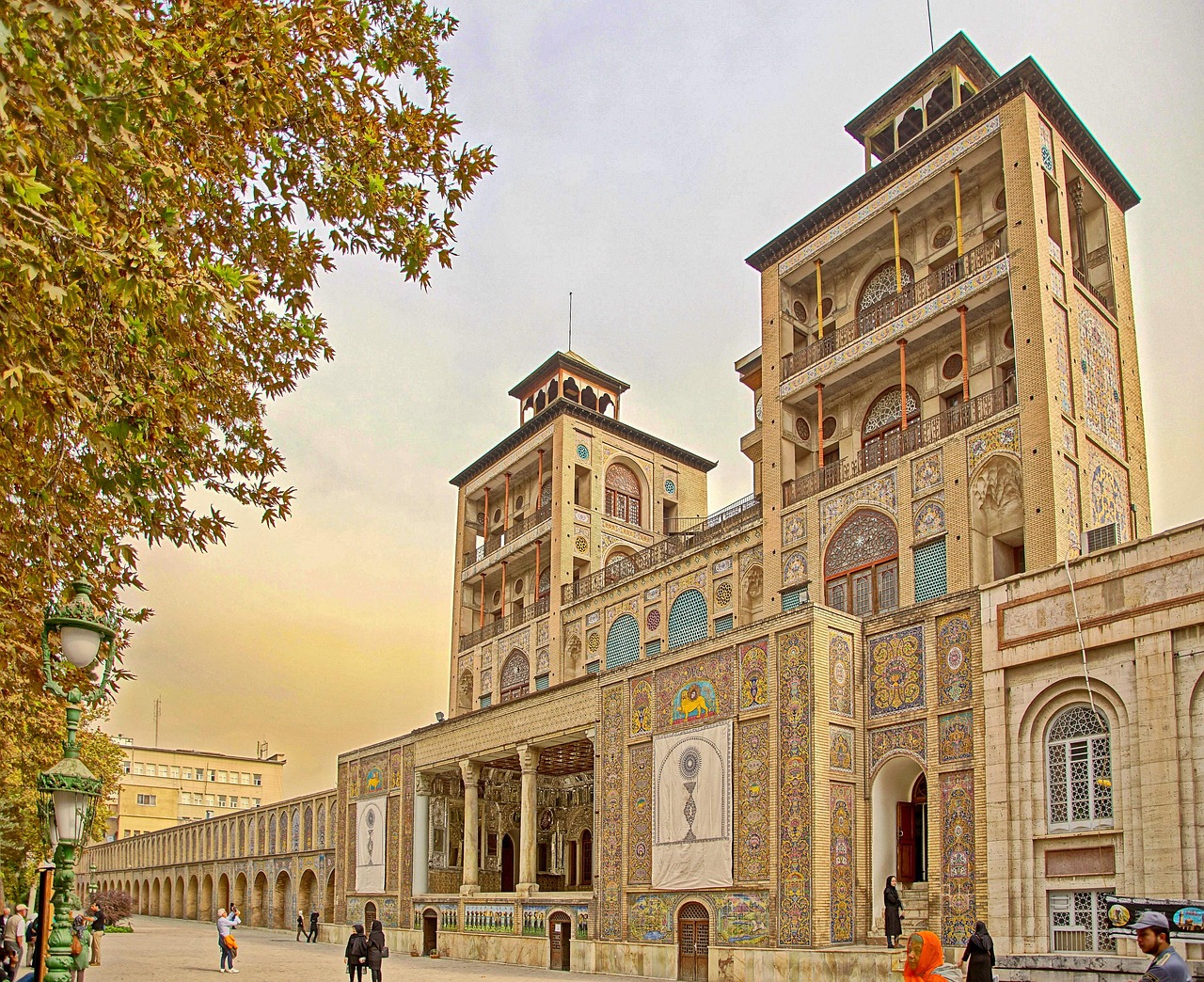
Il Palazzo del Golestan di Teheran, residenza storica della dinastia Qajar e sito Patrimonio Mondiale UNESCO, è stato parzialmente danneggiato durante i bombardamenti che hanno colpito la capitale iraniana.
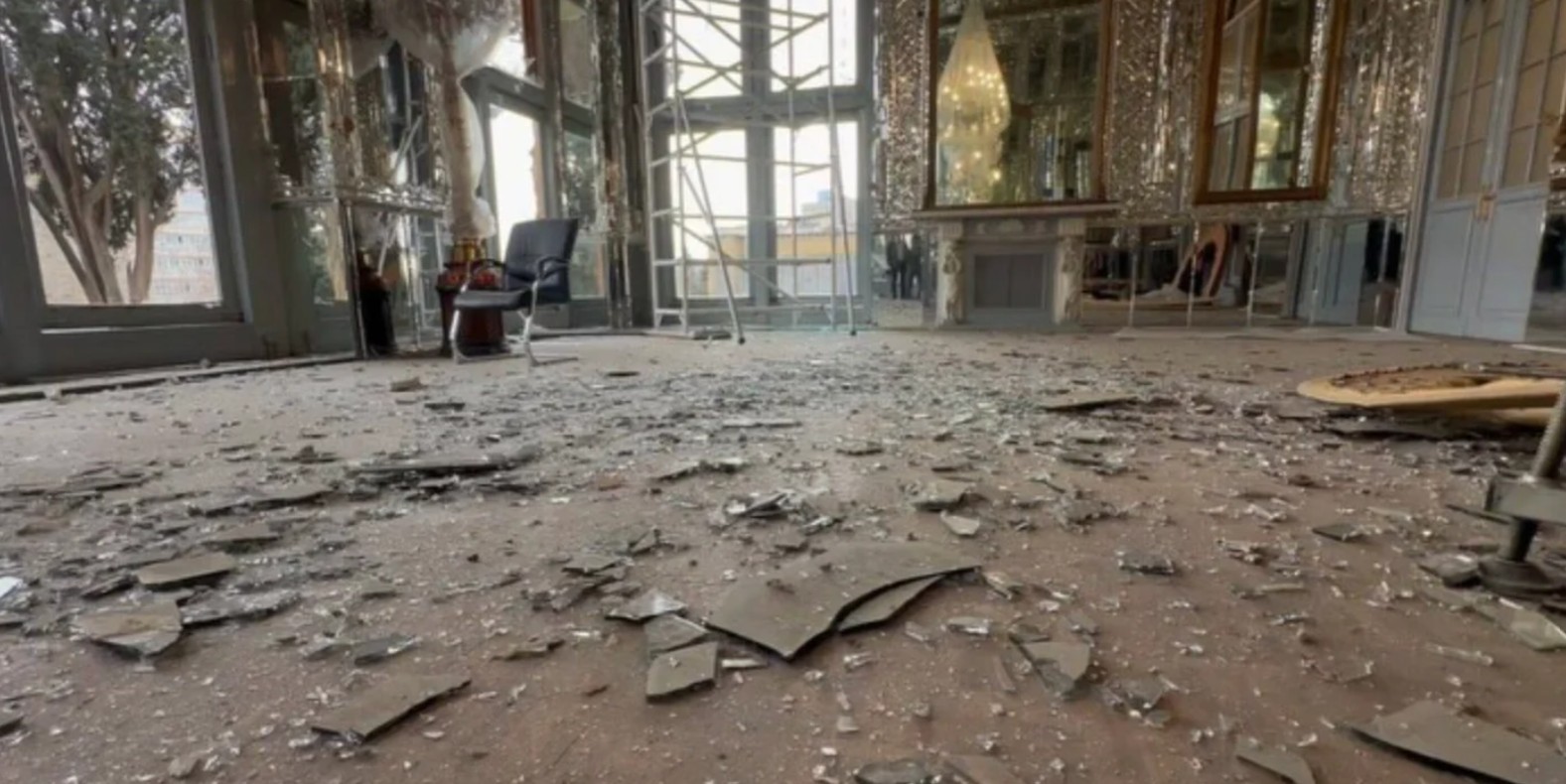
A riportarlo sono stati i media ufficiali del Paese, tra cui l’agenzia Isna e Mehr, che parlano di vetri infranti, porte danneggiate e specchi colpiti dall’onda d’urto.
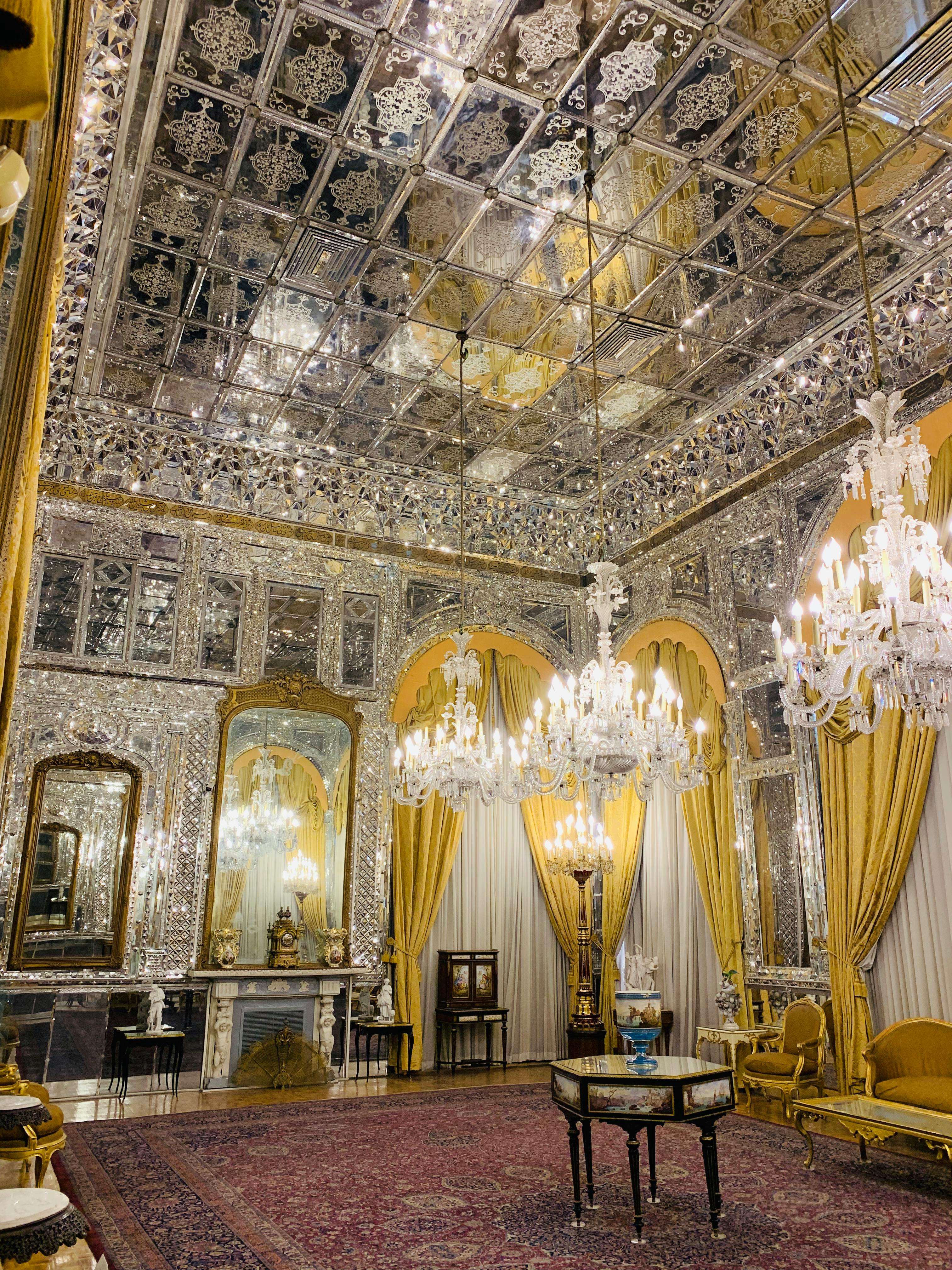
Un colpo durissimo per uno dei luoghi-simbolo della civiltà persiana, spesso definito la “Versailles dell’Iran” per la sua magnificenza architettonica e decorativa.
Palazzo del Golestan colpito dai bombardamenti: cosa è successo
Secondo le fonti iraniane, il complesso monumentale situato nel sud di Teheran sarebbe stato coinvolto nell’onda d’urto di un attacco congiunto americano-israeliano avvenuto nella serata di domenica 1° marzo.
Le prime informazioni parlano di danni strutturali parziali, in particolare alle finestre storiche, alle porte decorate, ai rivestimenti a specchio e agli elementi ornamentali interno.
Non risultano, al momento, crolli totali delle strutture principali, ma il timore riguarda le decorazioni interne, estremamente delicate e di altissimo valore artistico.
Il Palazzo del Golestan: storia e significato del “Giardino delle Rose”
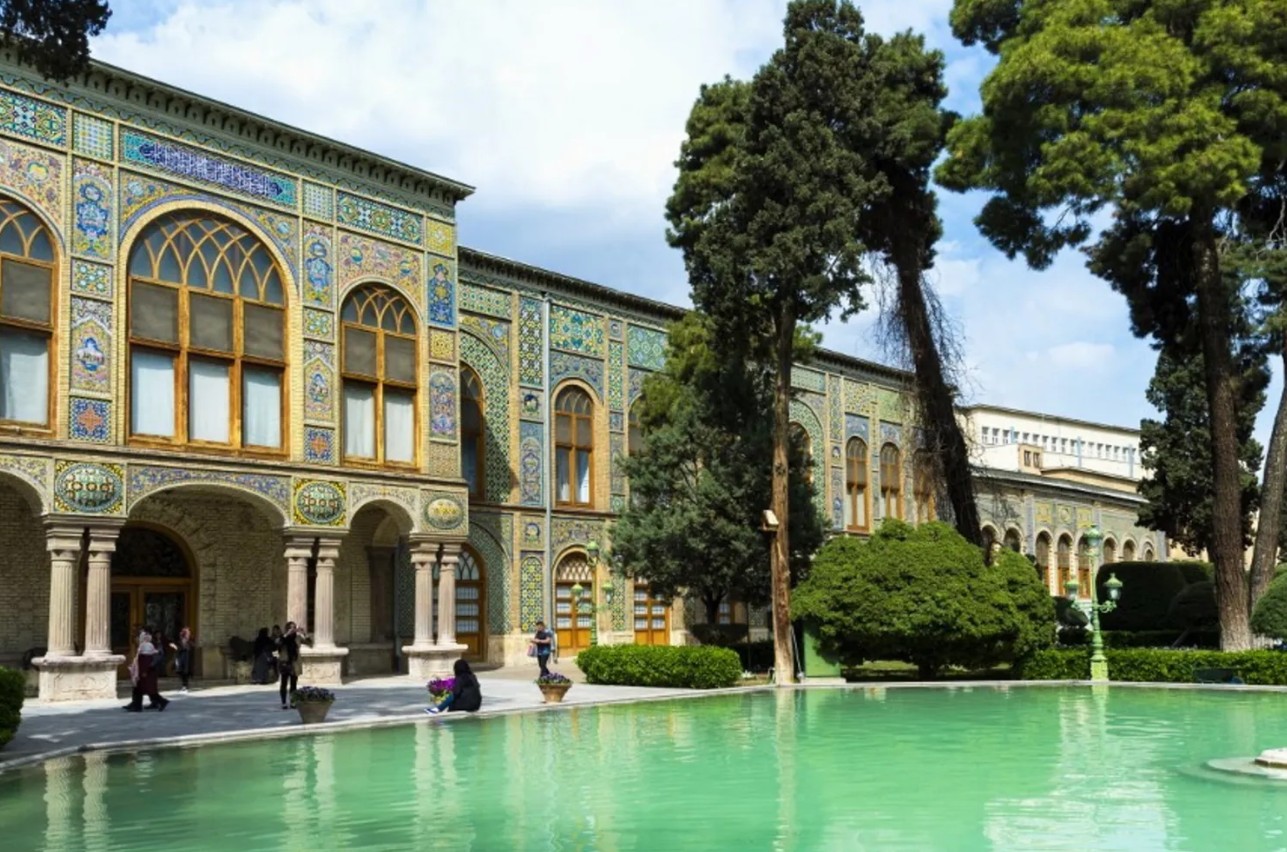
Il nome “Golestan” significa “Giardino delle Rose”. Il complesso comprende otto edifici principali disposti attorno a giardini fioriti, vasche ornamentali e cortili interni.
Costruito nel XVI secolo e profondamente ristrutturato tra XVIII e XIX secolo, il palazzo divenne il cuore politico e simbolico della dinastia Qajar.
Dal 2013 è inserito nella lista del Patrimonio Mondiale dell’UNESCO per il suo straordinario valore architettonico e culturale.
L’influenza occidentale: dalla Persia a Versailles
Sotto il regno di Naser al-Din Shah Qajar, primo sovrano persiano a compiere viaggi ufficiali in Europa, il palazzo fu ampliato e trasformato.
Dopo aver visitato Parigi in occasione dell’Expo Universale del 1889, lo Scià tornò a Teheran con l’idea di modernizzare l’immagine della monarchia, ispirandosi alle corti europee.
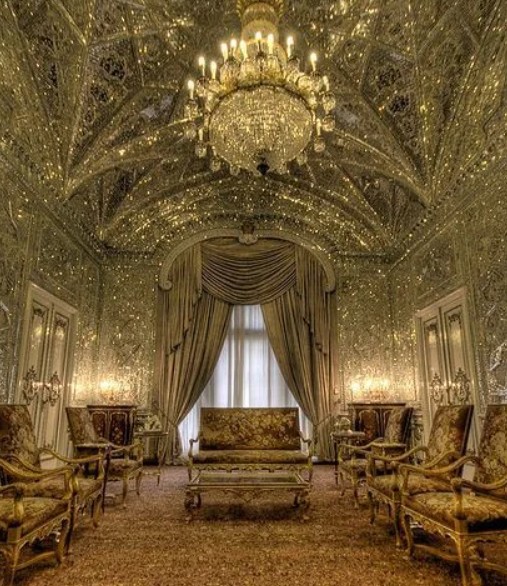
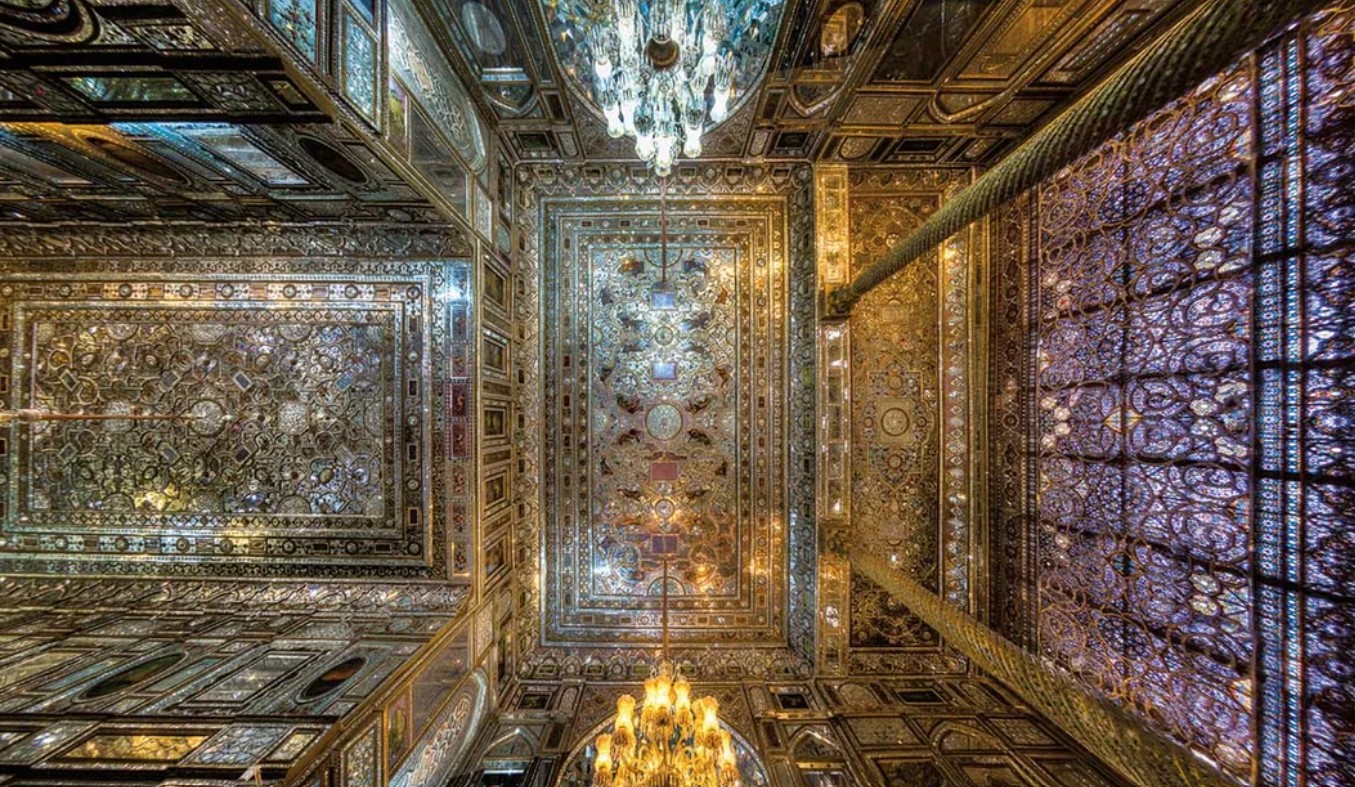
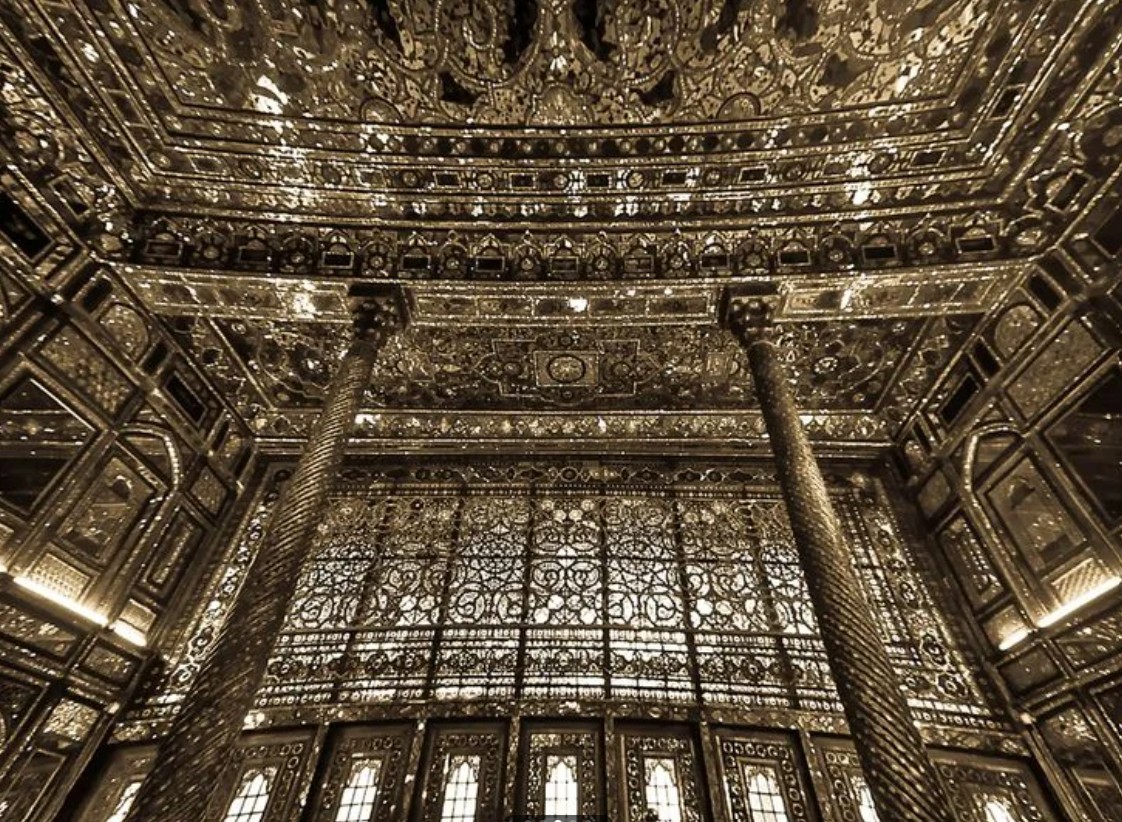
’esempio più emblematico è la celebre Sala degli Specchi (Talar-e Aineh), ispirata alla Galleria degli Specchi della Reggia di Versailles. Qui, migliaia di frammenti specchianti rivestono pareti e soffitti, moltiplicando la luce e creando un effetto scenografico unico.
Secondo la tradizione, parte della decorazione nacque dal riutilizzo creativo di specchi importati dall’Europa e giunti danneggiati: un esempio di ingegno artistico persiano.
Dai Qajar ai Pahlavi: distruzioni e trasformazioni
Con l’ascesa della dinastia Pahlavi (1925-1979), il centro del potere venne spostato nella parte nord di Teheran e alcune parti del complesso furono demolite.
Il palazzo rimase comunque teatro di eventi storici fondamentali, tra cui l’incoronazione dell’ultimo Scià nel 1967, celebrata proprio nella Sala degli Specchi.
Dopo la rivoluzione islamica del 1979, il complesso fu chiuso e riaprì al pubblico solo nel 1998, trasformandosi definitivamente in sito museale.
Patrimonio UNESCO a rischio: un simbolo della civiltà persiana ferito
L’inserimento del Palazzo del Golestan nella lista UNESCO nel 2013 aveva riconosciuto il suo valore universale come testimonianza unica dell’arte e dell’architettura persiana influenzata dall’Occidente.
I danni riportati riaccendono il dibattito internazionale sulla tutela dei beni culturali nei contesti di conflitto. Monumenti come il Golestan non rappresentano solo un’eredità nazionale, ma un patrimonio dell’umanità intera.
Perché il Golestan è così importante
Il palazzo non è soltanto un edificio storico, ma è il simbolo della monarchia persiana e il luogo chiave dell’identità culturale iraniana.
Custodisce capolavoro di decorazione a specchi e maioliche ed è un ponte tra arte orientale e influenze europee. La sua eventuale compromissione strutturale rappresenterebbe una perdita culturale di portata globale.
Il danneggiamento del Palazzo del Golestan segna un momento critico per la tutela del patrimonio culturale in Medio Oriente. Mentre si attendono verifiche ufficiali sull’entità dei danni, cresce la preoccupazione internazionale per uno dei monumenti più preziosi dell’Iran.
Il “Giardino delle Rose”, simbolo di splendore e dialogo tra culture, oggi porta i segni di un nuovo conflitto che mette in pericolo la memoria storica dell’umanità.
Per il momento il sempre vostro Michelangelo Buonarroti vi saluta dandovi appuntamento ai prossimi post e sui social.

Tehran under attack: Golestan Palace, a UNESCO World Heritage site, suffered severe damage
Tehran’s Golestan Palace, a historic residence of the Qajar dynasty and a UNESCO World Heritage site, was partially damaged during the bombings that hit the Iranian capital. The damage was reported by the country’s official media, including ISNA and Mehr, which described broken glass, damaged doors, and mirrors hit by the blast.
A devastating blow to one of the symbols of Persian civilization, often referred to as the “Versailles of Iran” for its architectural and decorative magnificence.
Golestan Palace hit by bombings: what happened
According to Iranian sources, the monumental complex located in southern Tehran was caught in the blast of a joint US-Israeli attack that took place on the evening of Sunday, March 1st.
Initial reports indicate partial structural damage, particularly to the historic windows, decorated doors, mirrored paneling, and interior ornamental elements.
There are currently no reports of total collapse of the main structures, but concerns surround the interior decorations, which are extremely delicate and of great artistic value.
The Golestan Palace: History and Significance of the “Rose Garden”
The name “Golestan” means “Rose Garden.” The complex comprises eight main buildings arranged around flower gardens, ornamental pools, and internal courtyards.
Built in the 16th century and extensively renovated between the 18th and 19th centuries, the palace became the political and symbolic heart of the Qajar dynasty.
It has been a UNESCO World Heritage Site since 2013 for its extraordinary architectural and cultural value.
Western Influence: From Persia to Versailles
Under the reign of Naser al-Din Shah Qajar, the first Persian ruler to make official trips to Europe, the palace was expanded and transformed.
After visiting Paris for the 1889 World’s Fair, the Shah returned to Tehran with the intention of modernizing the monarchy’s image, drawing inspiration from European courts.
The most emblematic example is the famous Hall of Mirrors (Talar-e Aineh), inspired by the Hall of Mirrors at the Palace of Versailles. Here, thousands of mirrored fragments cover the walls and ceilings, multiplying the light and creating a unique scenographic effect.
According to tradition, part of the decoration was born from the creative reuse of mirrors imported from Europe and damaged joints: an example of Persian artistic ingenuity.
From the Qajars to the Pahlavis: Destruction and Transformation
With the rise of the Pahlavi dynasty (1925-1979), the center of power was moved to northern Tehran, and some parts of the complex were demolished.
The palace remained the scene of key historical events, including the coronation of the last Shah in 1967, celebrated in the Hall of Mirrors.
After the Islamic Revolution of 1979, the complex was closed and reopened to the public only in 1998, finally becoming a museum.
UNESCO World Heritage Site at Risk: A Wounded Symbol of Persian Civilization
The Golestan Palace’s inclusion in the UNESCO list in 2013 recognized its universal value as a unique testimony to Western-influenced Persian art and architecture.
The damage sustained reignited the international debate on the protection of cultural heritage in conflict zones. Monuments like the Golestan represent not only a national legacy, but a heritage of humanity as a whole.
Why the Golestan is so important
The palace is not only a historic building, but also a symbol of the Persian monarchy and a key site of Iranian cultural identity.
It houses a masterpiece of mirror and majolica decoration and is a bridge between Eastern art and European influences. Its possible structural damage would represent a cultural loss of global significance.
The damage to the Golestan Palace marks a critical moment for the protection of cultural heritage in the Middle East. While official assessments of the extent of the damage are awaited, international concern is growing for one of Iran’s most precious monuments.
The “Rose Garden,” a symbol of splendor and dialogue between cultures, today bears the scars of a new conflict that threatens humanity’s historical memory.
For now, yours truly, Michelangelo Buonarroti bids you farewell and invites you to join him in future posts and on social media.

Sostienici – Support Us
Se questo blog ti piace e ti appassiona, puoi aiutarci a farlo crescere sempre più sostenendoci in modo concreto condividendo i post, seguendo le pagine social e con un contributo che ci aiuta ad andare avanti con il nostro lavoro di divulgazione. . ENGLISH: If you like and are passionate about this blog, you can help us make it grow more and more by supporting us in a concrete way by sharing posts, following social pages and with a contribution that helps us to move forward with our dissemination work.
10,00 €
Articoli

Condividi:


Questo sono io




sostienici

Sostienici – Support Us
Se questo blog ti piace e ti appassiona, puoi aiutarci a farlo crescere sempre più sostenendoci in modo concreto condividendo i post, seguendo le pagine social e con un contributo che ci aiuta ad andare avanti con il nostro lavoro di divulgazione. . ENGLISH: If you like and are passionate about this blog, you can help us make it grow more and more by supporting us in a concrete way by sharing posts, following social pages and with a contribution that helps us to move forward with our dissemination work.
€10,00


