
1° marzo del 1445: venne al mondo Sandro Botticelli
Alessandro di Mariano di Vanni Filipepi, molto più noto alle cronache come Sandro Botticelli, nacque a Firenze il 1º giorno di marzo del 1445, in quella che oggi si chiama via del Porcellana.
Era l’ultimo di quattro figli maschi di ser Mariano di Vanni Filipepi, un abile conciatore di pelli. Sebbene la famiglia non navigasse nell’oro, viveva in una condizione economica modesta, non povera.

Gli esordi nel mondo dell’arte
Il fratello Antonio lavorava come orafo, professione che al tempo a Firenze veniva chiamata ‘battigello’. Il giovane Botticelli iniziò a imparare i primi rudimenti dell’arte orafa proprio a bottega dal fratello, di lì il nome ‘Botticelli’.
Il suo apprendistato vero e proprio ebbe inizio però nella prestigiosa bottega di Filippo Lippi dove lavorò e studiò dal 1464 al 1467. Assieme al suo maestro ebbe modo di lavorare alle Storie di Santo Stefano e San Giovanni Battista, nella cappella maggiore del Duomo di Prato assieme a tanti altri collaboratori del Lippi.
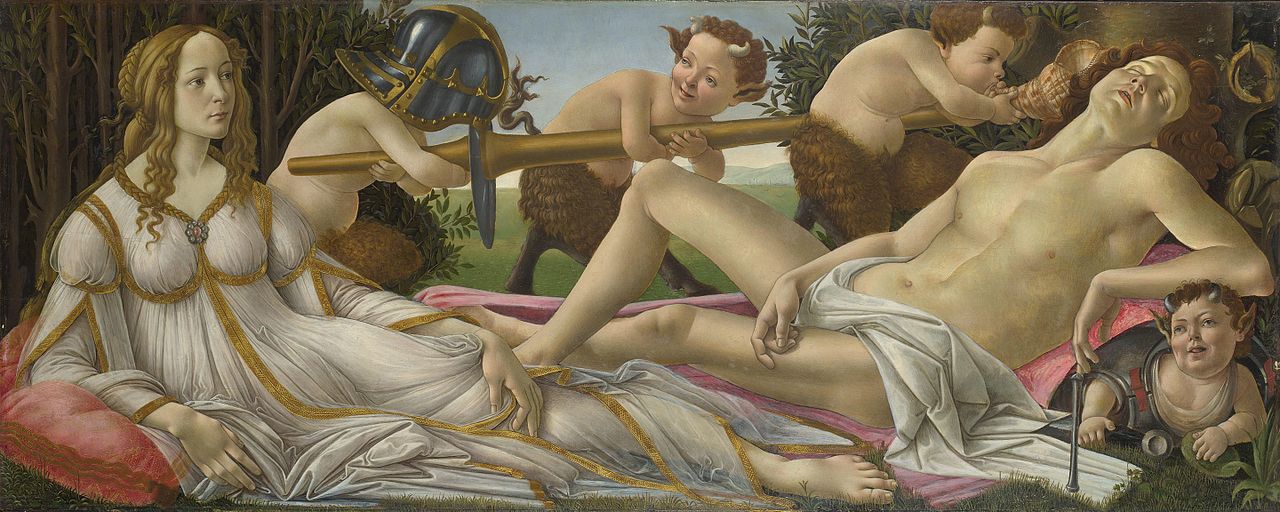
Botticelli fu in grado di acquisire l’eleganza delle figure del suo maestro. Risalgono a quel periodo numerose Madonne dipinte da Botticelli come la Madonna col Bambino e un Angelo, oggi custodita nello Spedale degli Innocenti, a Firenze.
Maturità artistica e successo (1470-1490)
Nel 1470 Botticelli riuscì ad aprire una sua bottega e di conseguenza iniziarono ad arrivare le prime importanti commissioni.
Il suo modo di dipingere fece innamorare la potente famiglia Medici che divenne la principale mecenate. L’artista entrò in diretto contatto con l’ambiente umanistico e filosofico della corte medicea, che influenzò profondamente le sue opere.
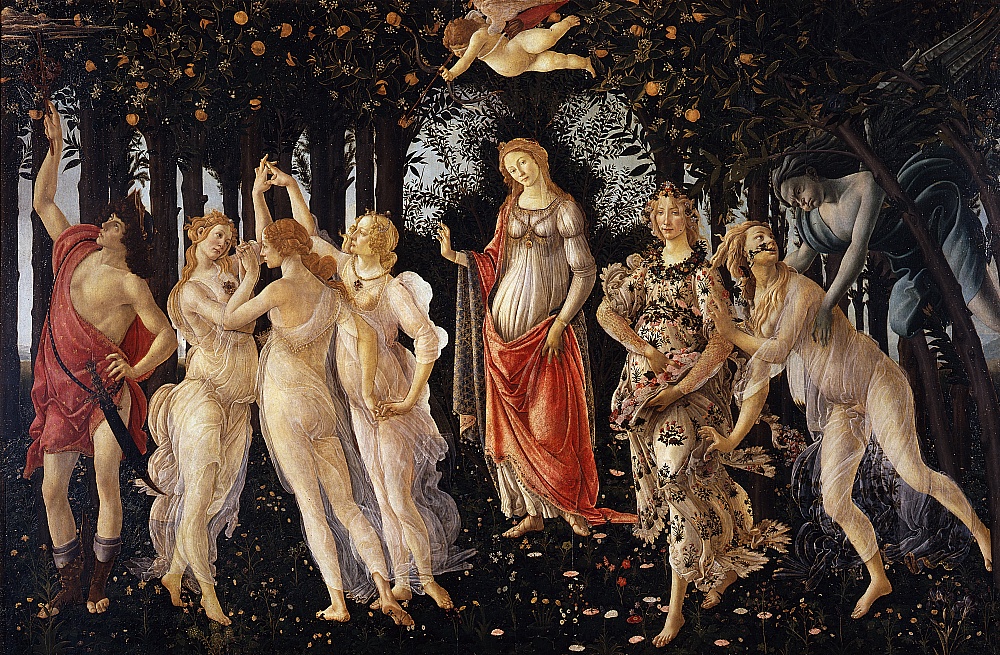
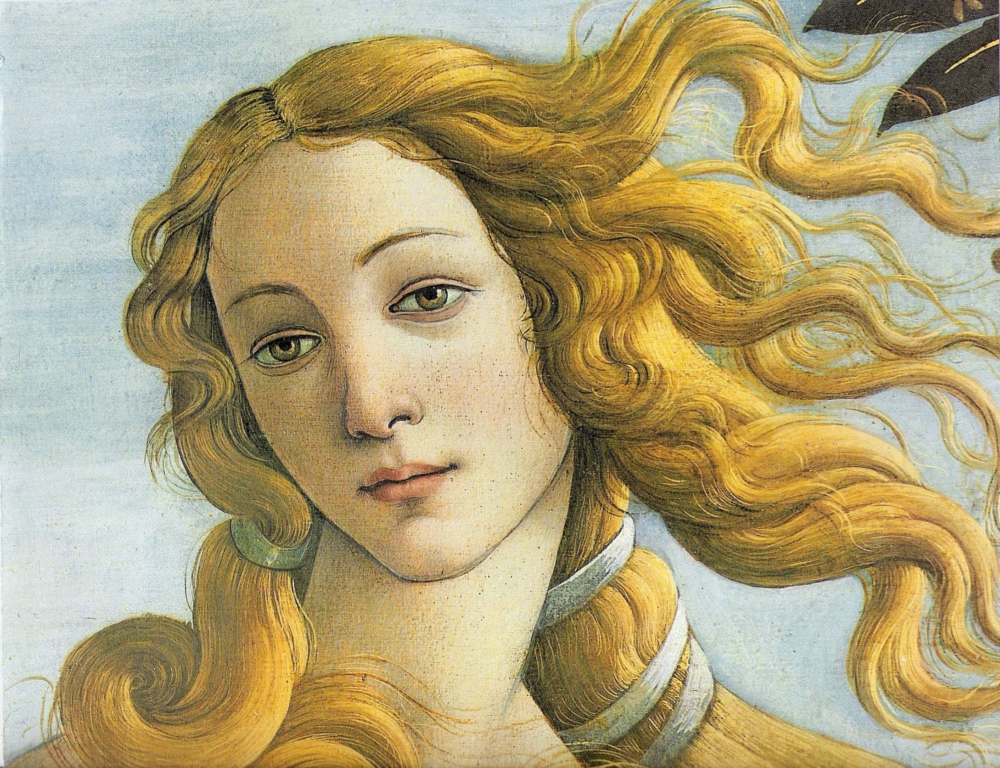
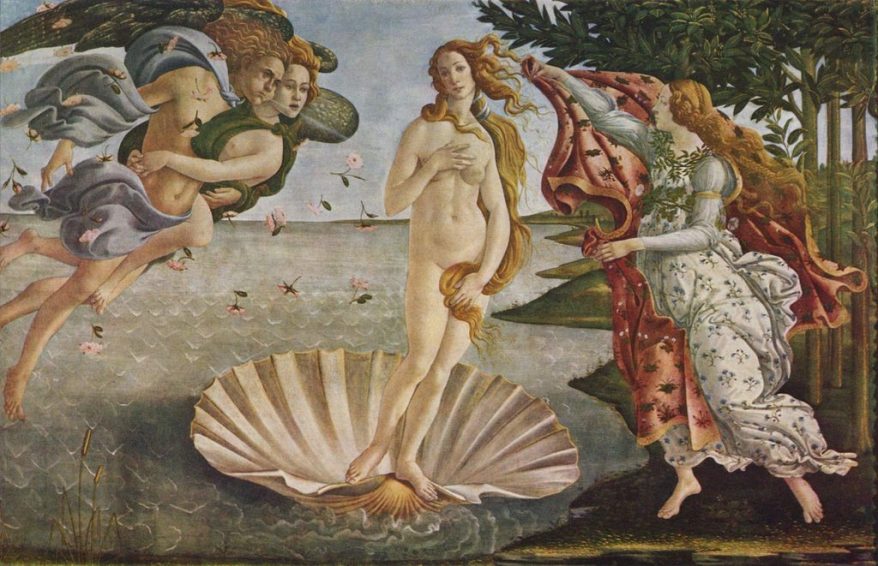
I capolavori più celebri dell’artista risalgono proprio a questo periodo quando si mise al lavoro su opere straordinarie, oggi celebri in tutto il mondo, come “La Primavera” e “La nascita di Venere” che celebrano la bellezza, la mitologia classica e l’ideale neoplatonico.
La Cappella Sistina
Nel 1481, fu convocato a Roma da Papa Sisto IV per prendere parte alla grandiosa decorazione del Cappella Sistina.
Il pontefice aveva affidato al Perugino di occuparsi di coordinare il lavoro di tutti gli altri artisti per evitare che gli affreschi fossero molto differenti gli uni dagli altri non potendo dunque dare una visione d’insieme armonica. Scelse quindi le dimensioni delle figure, le tonalità di colore, e come vestire i protagonisti Mosè e Cristo. Fu sempre lui che segnò la linea dell’orizzonte.
Botticelli affrescò i riquadri con: “Le prove di Mosè”, “La punizione di Core, Datan e Abiram” e “La tentazione di Cristo”.

Ultimi anni e declino (1490-1510)
Negli ultimi anni della sua vita, Botticelli venne influenzato pesantemente dalle predicazioni di Girolamo Savonarola, il frate domenicano che predicava contro il lusso e la corruzione. Il cambiamento nello stile dell’artista fu lampante.
Da allora in poi i suoi dipinti assunsero un aspetto prettamente spirituale ma cupo.

Botticelli trascorse gli ultimi anni della sua vita in solitudine e povertà il 17 maggio 1510. Fu sepolto nella Basilica di Borgo Ognissanti a Firenze, poco distante dal sepolcro che custodisce le spoglie di Simonetta Vespucci.
Per il momento il sempre vostro Michelangelo Buonarroti vi saluta dandovi appuntamento ai prossimi post e sui social.
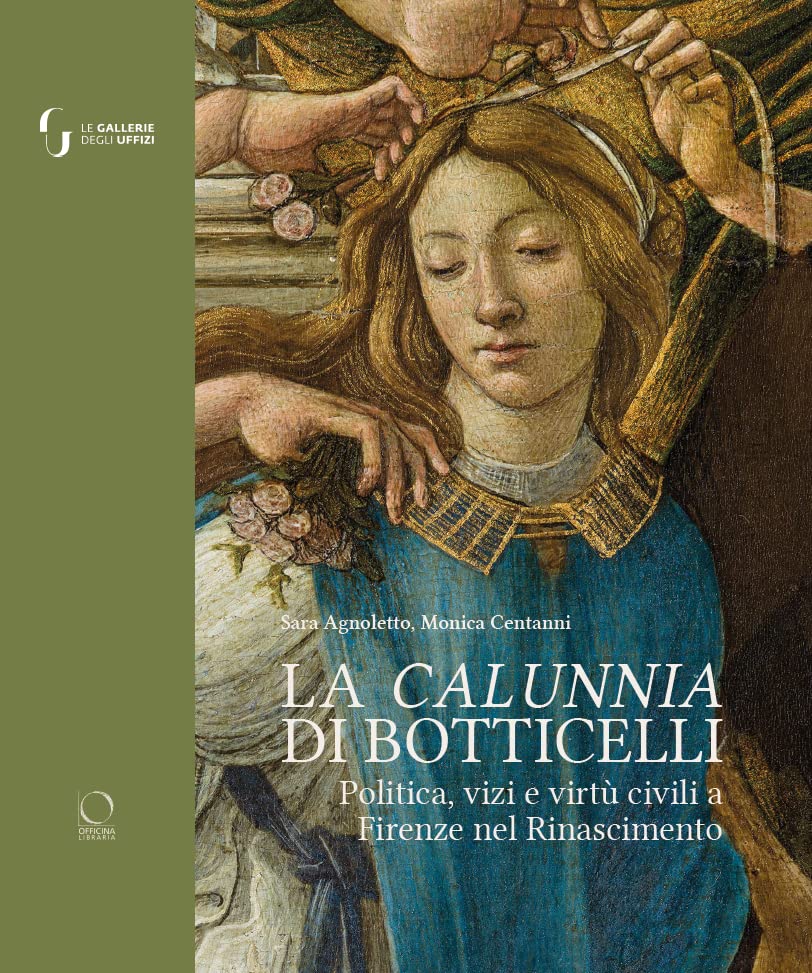
March 1, 1445: Sandro Botticelli was born
Alessandro di Mariano di Vanni Filipepi, better known to the chronicles as Sandro Botticelli, was born in Florence on March 1, 1445, in what is now called Via del Porcellana.
He was the last of four sons of ser Mariano di Vanni Filipepi, a skilled tanner. Although the family was not wealthy, they lived in modest economic conditions, not poor.
The beginnings in the world of art
His brother Antonio worked as a goldsmith, a profession that at the time in Florence was called ‘battigello’. The young Botticelli began to learn the first rudiments of the goldsmith’s art in his brother’s workshop, hence the name ‘Botticelli’.
His real apprenticeship, however, began in the prestigious workshop of Filippo Lippi where he worked and studied from 1464 to 1467. Together with his master he had the opportunity to work on the Stories of Saint Stephen and Saint John the Baptist, in the main chapel of the Cathedral of Prato together with many other collaborators of Lippi.
Botticelli was able to acquire the elegance of the figures of his master. Numerous Madonnas painted by Botticelli date back to that period such as the Madonna with Child and an Angel, today kept in the Spedale degli Innocenti, in Florence.
Artistic maturity and success (1470-1490)
In 1470 Botticelli managed to open his own workshop and consequently the first important commissions began to arrive.
His way of painting made the powerful Medici family fall in love with him and they became the main patrons. The artist came into direct contact with the humanistic and philosophical environment of the Medici court, which profoundly influenced his works.
The artist’s most famous masterpieces date back to this period when he began working on extraordinary works, now famous throughout the world, such as “Spring” and “The Birth of Venus” which celebrate beauty, classical mythology and the Neoplatonic ideal.
The Sistine Chapel
In 1481, he was summoned to Rome by Pope Sixtus IV to take part in the grandiose decoration of the Sistine Chapel.
The pontiff had entrusted Perugino with coordinating the work of all the other artists to avoid the frescoes being very different from each other and therefore not being able to give a harmonious overall vision. He therefore chose the dimensions of the figures, the shades of color, and how to dress the protagonists Moses and Christ. It was also he who marked the line of the horizon.
Botticelli frescoed the panels with: “The trials of Moses”, “The punishment of Korah, Dathan and Abiram” and “The temptation of Christ”.
Final years and decline (1490-1510)
In the last years of his life, Botticelli was heavily influenced by the preaching of Girolamo Savonarola, the Dominican friar who preached against luxury and corruption. The change in the artist’s style was clear. From then on, his paintings took on a purely spiritual and dark aspect.
Botticelli spent the last years of his life in solitude and poverty on May 17, 1510. He was buried in the Basilica of Borgo Ognissanti in Florence, not far from the tomb that holds the remains of Simonetta Vespucci.
For the moment, the always your Michelangelo Buonarroti bids you farewell, making an appointment with you in the next posts and on social media.

Sostienici – Support Us
Se questo blog ti piace e ti appassiona, puoi aiutarci a farlo crescere sempre più sostenendoci in modo concreto condividendo i post, seguendo le pagine social e con un contributo che ci aiuta ad andare avanti con il nostro lavoro di divulgazione. . ENGLISH: If you like and are passionate about this blog, you can help us make it grow more and more by supporting us in a concrete way by sharing posts, following social pages and with a contribution that helps us to move forward with our dissemination work.
10,00 €
Condividi:


Questo sono io





sostienici

Sostienici – Support Us
Se questo blog ti piace e ti appassiona, puoi aiutarci a farlo crescere sempre più sostenendoci in modo concreto condividendo i post, seguendo le pagine social e con un contributo che ci aiuta ad andare avanti con il nostro lavoro di divulgazione. . ENGLISH: If you like and are passionate about this blog, you can help us make it grow more and more by supporting us in a concrete way by sharing posts, following social pages and with a contribution that helps us to move forward with our dissemination work.
€10,00


