

Le botteghe d’arte nel Rinascimento
Per diventare un’artista, nel periodo rinascimentale, non c’era altra strada da percorrere se non quella di andare a bottega dai maestri.
Le botteghe erano vere e proprie fucine di talenti. Venivano portate avanti da artisti affermati che gestivano una squadra di assistenti e ragazzini che, mentre imparavano i rudimenti del mestiere, davano una mano a macinare i colori, stendere le imprimiture, bucherellare i cartoni per gli affreschi e altri lavori simili.
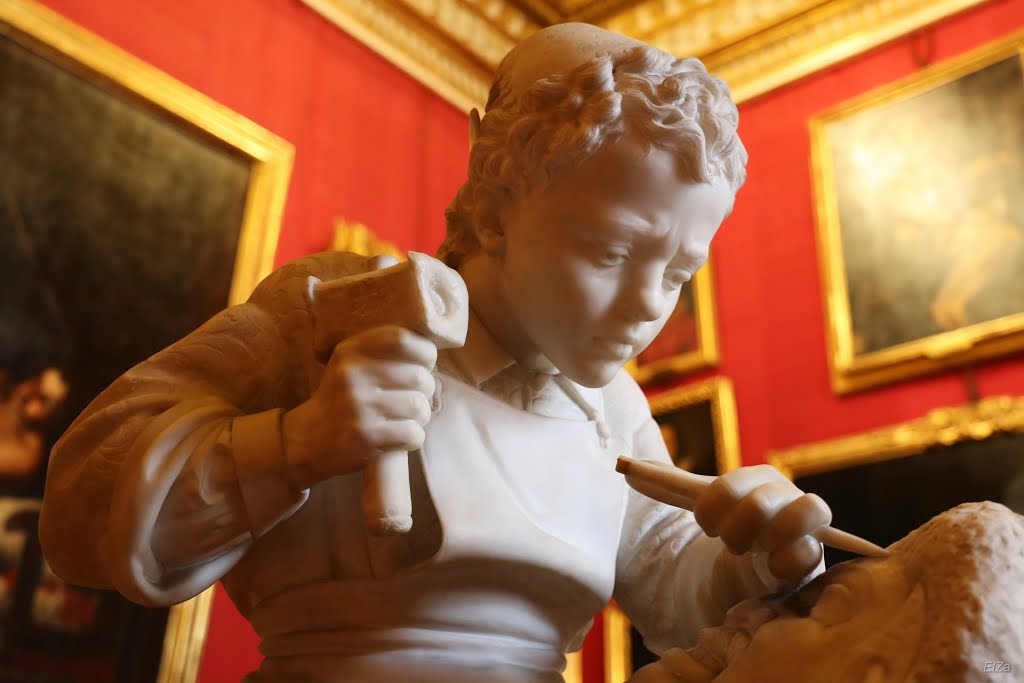
Si lavorava e si imparava di continuo ma erano anche posti dove ci si confrontava con artisti che la sapevano lunga.
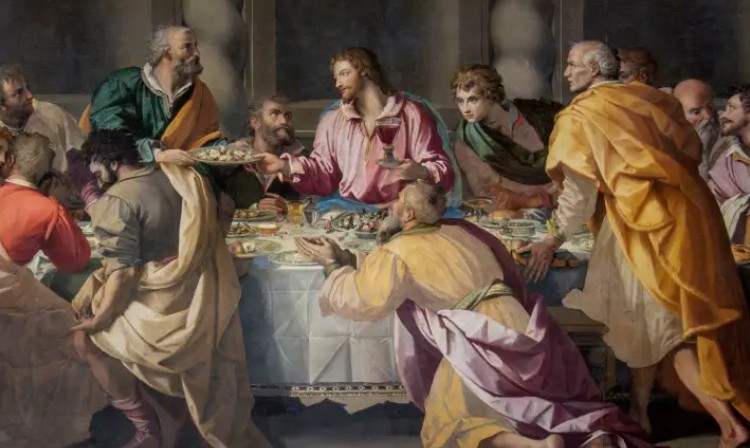
Quando entrai a bottega dai fratelli Ghirlandaio, avevano già fatto parlare di sé tutta Firenze e Domenico già aveva affrescato la Vocazione dei primi apostoli nel secondo registro della Cappella Sistina, a Roma.
Non vi crediate che l’apprendistato fosse cosa breve: tutt’altro. C’era chi rimaneva a bottega cinque o sei anni buoni prima di divenire un artista autonomo mentre qualcuno riusciva a rimanere sotto l’ala protettrice dei propri maestri solo tre anni.
Molto dipendeva dal talento di ciascuno sul tempo di permanenza a bottega.

A quanti anni si entrava in bottega
In bottega si iniziava a entrare prestissimo, da bambini. Dai nove anni in poi ogni momento era buono per iniziare a lavorare e studiare dai maestri. Rammento qualche ragazzo entrato dopo ma di abitualmente si entrava da bambini.
Ci volevano anni e anni di studi per diventare autonomi e iniziare a ricevere le prime commissioni e quindi era indispensabile cominciare molto presto.
Gli esordi di tutti gli allievi a bottega
Il primo periodo a bottega era per tutti lo stesso. C’erano da lavare i pennelli, preparare le tavole e le tele prima di essere dipinte da qualcuno più capace, macinare i colori, portare questo e quello ai ragazzi più grandi o ai maestri e via discorrendo.

Mano a mano che acquisivamo un po’ di sicurezza in più, ci venivano affidati i cartoni disegnati da trasporre mediante la tecnica dello spolvero o dell’incisione sulle pareti coperte di malta fresca.
Poi si cominciava a mettere mano ai pennelli, dipingendo le parti meno importanti delle opere come i personaggi secondari e i panorami. I più bravi potevano aspirare a metter mano addirittura ai panneggi.
Nelle botteghe di scultura funzionava più o meno allo stesso modo e le prime cose che i ragazzi potevano aspirare a scolpire, non erano certo i volti ma parti meno importanti delle opere in lavorazione.
Gli studi in bottega
Nelle botteghe però non si lavorava e basta ma si studiava. I rudimenti dell’anatomia erano fondamentali per saper poi dipingere o scolpire corpi realistici così come era imprescindibile copiare lavori di altri artisti, disegnando a più non posso le loro composizioni, volti, atteggiamenti, idee.
A volte i ragazzi di bottega si dovevano occupare anche di riscuotere crediti da debitori come accadde anche a me quando ero dai Ghirlandaio.
Pittura, scultura, talvolta fusione ma anche botanica e anatomia erano tutte materie di studio abituali nelle botteghe. Una delle botteghe più prestigiose fu quella del Verrocchio dove anche l’architettura, la musica e addirittura l’ottica erano praticate con cura. Proprio lì si formarono artisti come Leonardo da Vinci, il Perugino e Botticelli giusto per citarne alcuni dei più celebri.
Per il momento il sempre vostro Michelangelo Buonarroti vi saluta dandovi appuntamento ai prossimi post e sui social.
Art workshops in the Renaissance
To become an artist, in the Renaissance period, there was no other path to take than to go to the workshop of the masters.
The workshops were real talent breeding grounds. They were run by established artists who managed a team of assistants and kids who, while they learned the rudiments of the trade, helped grind the colors, spread the primers, punch holes in the cardboard for the frescoes and other similar jobs.
You worked and learned continuously but they were also places where you could compare yourself with artists who knew a lot. When I entered the workshop of the Ghirlandaio brothers, they had already made all of Florence talk about them and Domenico had already frescoed the Calling of the First Apostles in the second register of the Sistine Chapel, in Rome.
Don’t think that the apprenticeship was a short thing: quite the opposite. There were those who stayed in the workshop for a good five or six years before becoming an independent artist while some managed to stay under the protective wing of their masters for only three years. Much depended on the talent of each person on the length of time spent in the workshop.
At what age did you enter the workshop
You started entering the workshop very early, as children. From the age of nine onwards, any time was a good time to start working and studying with the masters. I remember some boys who entered later but usually you entered as children.
It took years and years of study to become independent and start receiving the first commissions and therefore it was essential to start very early.
The beginnings of all the students in the workshop
The first period in the workshop was the same for everyone. You had to wash the brushes, prepare the boards and canvases before being painted by someone more capable, grind the colors, bring this and that to the older boys or to the masters and so on.
As we gained a little more confidence, we were given the cartoons drawn to be transposed using the dusting or engraving technique on the walls covered with fresh mortar.
Then we began to take up the brushes, painting the less important parts of the works such as secondary characters and landscapes. The best could even aspire to take up the draperies.
In the sculpture workshops it worked more or less the same way and the first things that the boys could aspire to sculpt were certainly not faces but less important parts of the works in progress.
Studies in the workshop
In the workshops, however, we didn’t just work but studied. The rudiments of anatomy were essential to then know how to paint or sculpt realistic bodies just as it was essential to copy the works of other artists, drawing their compositions, faces, attitudes, ideas as much as possible.
Sometimes the boys in the workshop also had to deal with collecting debts from debtors, as happened to me when I was at Ghirlandaio’s.
Painting, sculpture, sometimes fusion but also botany, anatomy were all regular subjects of study in the workshops. One of the most prestigious workshops was that of Verrocchio where even architecture, music and even optics were practiced with care. It was there that artists such as Leonardo da Vinci, Perugino and Botticelli were trained, just to name a few of the most famous.
For the moment, your ever Michelangelo Buonarroti bids you farewell, making an appointment to see you in the next posts and on social media.

Sostienici – Support Us
Se questo blog ti piace e ti appassiona, puoi aiutarci a farlo crescere sempre più sostenendoci in modo concreto condividendo i post, seguendo le pagine social e con un contributo che ci aiuta ad andare avanti con il nostro lavoro di divulgazione. . ENGLISH: If you like and are passionate about this blog, you can help us make it grow more and more by supporting us in a concrete way by sharing posts, following social pages and with a contribution that helps us to move forward with our dissemination work.
10,00 €
Condividi:


Questo sono io





sostienici

Sostienici – Support Us
Se questo blog ti piace e ti appassiona, puoi aiutarci a farlo crescere sempre più sostenendoci in modo concreto condividendo i post, seguendo le pagine social e con un contributo che ci aiuta ad andare avanti con il nostro lavoro di divulgazione. . ENGLISH: If you like and are passionate about this blog, you can help us make it grow more and more by supporting us in a concrete way by sharing posts, following social pages and with a contribution that helps us to move forward with our dissemination work.
€10,00


