
La Scultura del giorno: l’Angelo con i gigli di Ludovisi
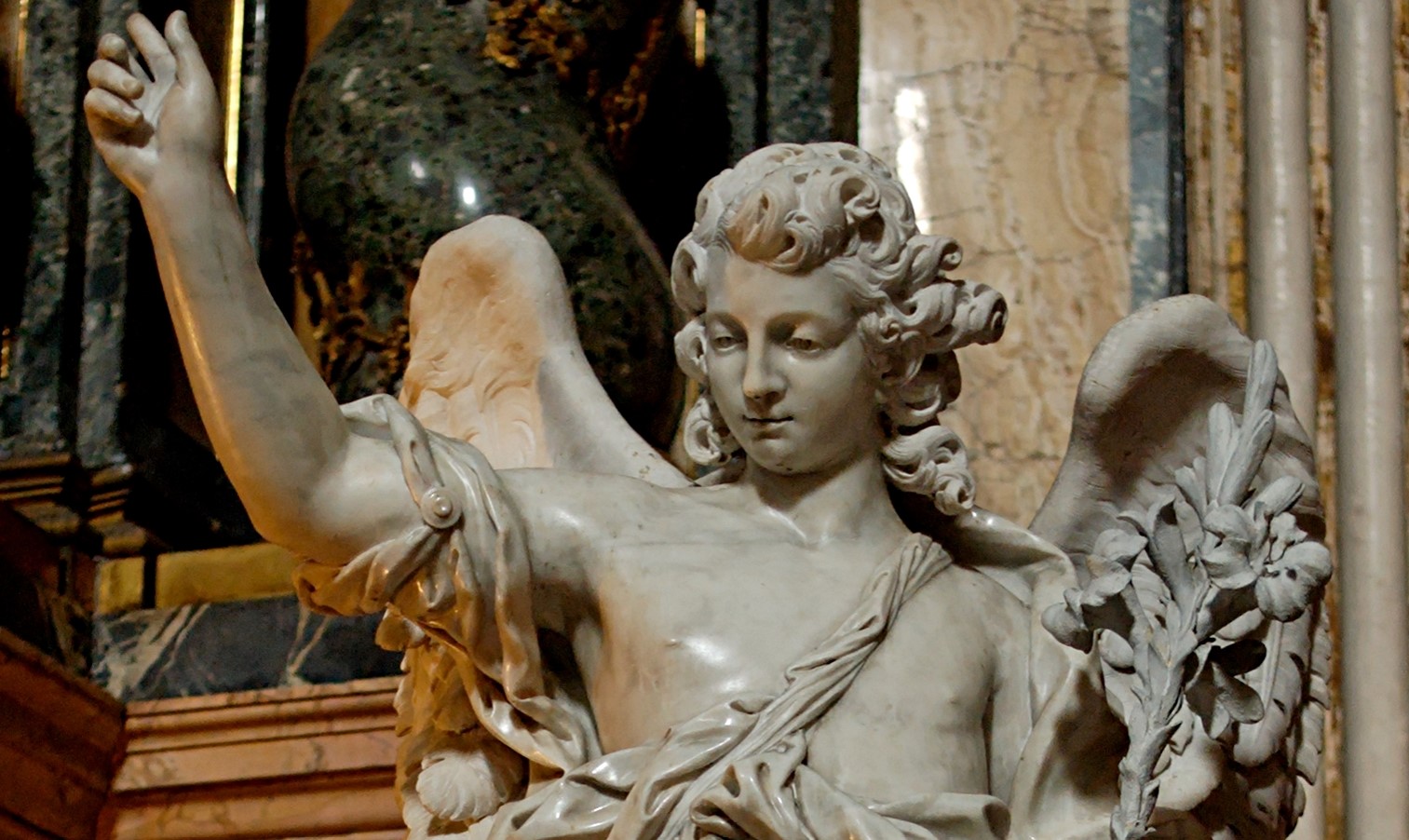
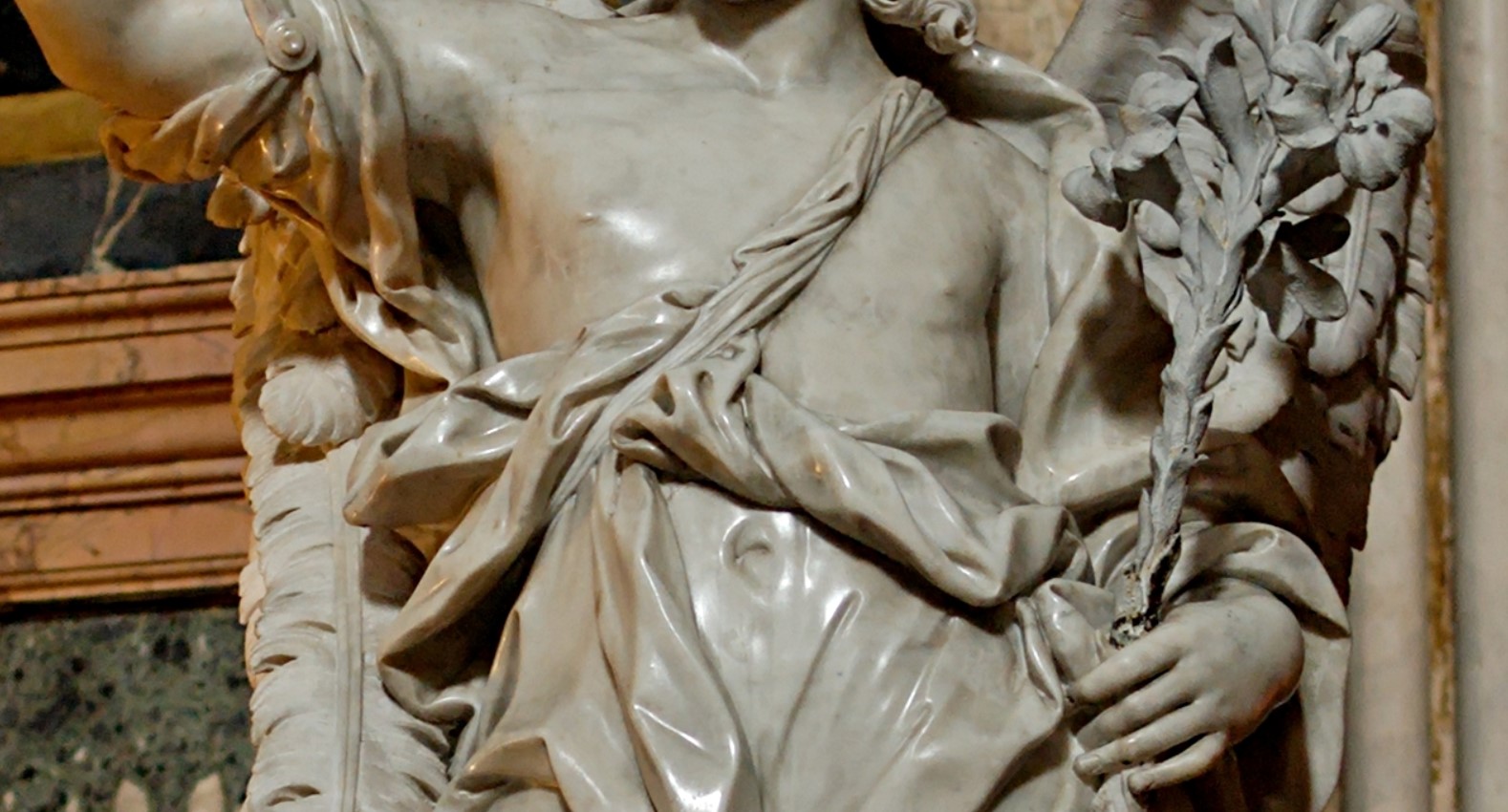
La scultura di cui voglio parlarvi oggi è l’Angelo con i gigli scolpito da Bernardino Ludovisi nel 1748, per l’altare di San Luigi Gonzaga della Chiesa di Sant’Ignazio di Loyola a Roma.
Dello scultore Ludovisi sono arrivate fino ai vostri giorni pochissime informazioni. Sappiamo che nacque nel 1693 probabilmente a Bologna ma visse la maggior parte della sa vita a Roma.
Fu uno scultore abbastanza prolifico del periodo Barocco e prese parte a diversi importanti progetti scultorei. Partecipò alla realizzazione delle sculture della Fontana di Trevi, alle sculture in travertino dei Santi che sorvegliano dall’alto Piazza San Pietro e collaborò alla parte scultorea della facciata di San Giovanni in Laterano.
Divenuto artista assai affermato e apprezzato, negli ultimi anni della sua vita fu la potente famiglia dei Colonna a commissionargli diversi lavori come i monumenti funebri di Filippo II Colonna e Maria Rospigliosi Salviati e un busto raffigurante Papa Benedetto XIV.
Bernardino Ludovisi morì nel 1749, a Roma.
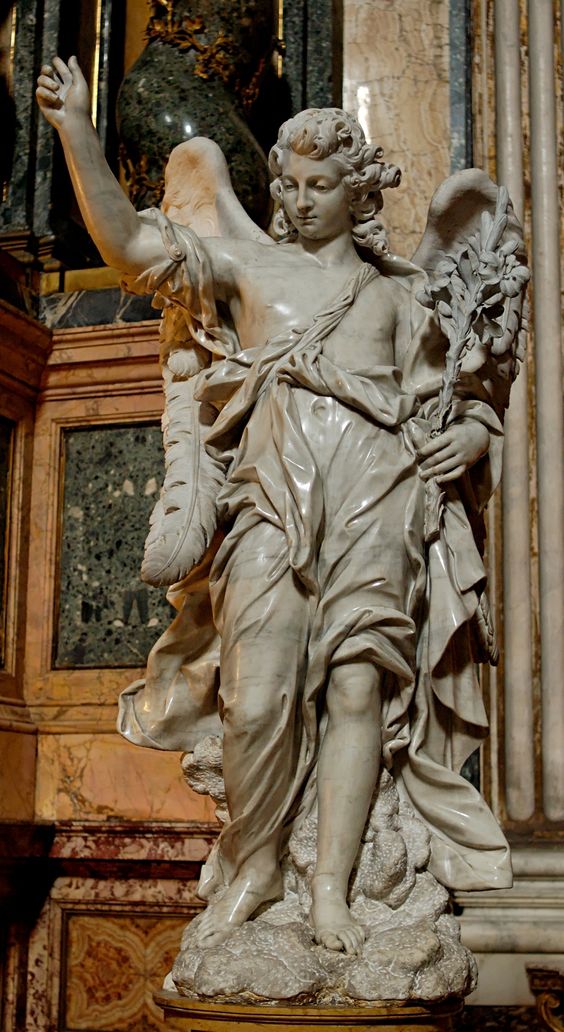
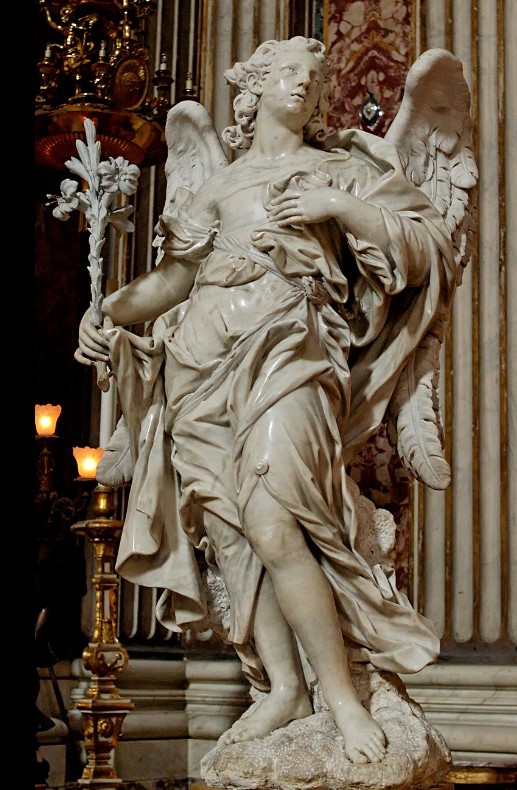
Tra le opere più celebri che ha lasciato a voi posteri c’è proprio l’Angelo con Gigli. In realtà le opere con lo stesso soggetto realizzate da Ludovisi sono due: hanno atteggiamenti diversi e decorano il medesimo altare.
Le line morbide e sinuose dei loro corpi avvolti dalle vesti gonfiate dal vento tipicamente barocche rendono questi angeli più terreni che eterei.
L’Influenza che ebbe il Bernini su questo tipo di opere è lampante.
I due angeli portano in mano un ramo di gigli, da sempre simbolo di purezza e della Vergine Maria. In questo caso specifico assumono un significato particolarmente profondo.
Rappresentano infatti la purezza dell’anima e la devozione religiosa, valori fondamentali per l’ordine dei Gesuiti a cui è dedicata la basilica.
Per il momento il sempre vostro Michelangelo Buonarroti vi saluta dandovi appuntamento ai prossimi post e sui social.
Sculpture of the day: the Angel with the lilies by Ludovisi
The sculpture I want to talk about today is the Angel with the lilies sculpted by Bernardino Ludovisi in 1748, for the altar of San Luigi Gonzaga in the Church of Sant’Ignazio di Loyola in Rome.
Very little information has survived about the sculptor Ludovisi. We know that he was born in 1693, probably in Bologna, but lived most of his life in Rome.
He was a fairly prolific sculptor of the Baroque period and took part in several important sculptural projects. He participated in the creation of the sculptures of the Trevi Fountain, the travertine sculptures of the Saints who watch over St. Peter’s Square from above, and collaborated on the sculptural part of the façade of San Giovanni in Laterano.
Having become a very successful and appreciated artist, in the last years of his life the powerful Colonna family commissioned several works such as the funeral monuments of Filippo II Colonna and Maria Rospigliosi Salviati and a bust depicting Pope Benedict XIV.
Bernardino Ludovisi died in 1749, in Rome.
Among the most famous works that he left to you posterity is precisely the Angel with Lilies. In reality, the works with the same subject made by Ludovisi are two: they have different attitudes and decorate the same altar.
The soft and sinuous lines of their bodies wrapped in the typically Baroque wind-blown clothes make these angels more earthly than ethereal.
The influence that Bernini had on this type of works is clear.
The two angels hold a branch of lilies in their hands, always a symbol of purity and of the Virgin Mary. In this specific case they take on a particularly profound meaning.
In fact, they represent the purity of the soul and religious devotion, fundamental values for the Jesuit order to which the basilica is dedicated.
For the moment, yours ever Michelangelo Buonarroti bids you farewell, making an appointment with you in the next posts and on social media.

Sostienici – Support Us
Se questo blog ti piace e ti appassiona, puoi aiutarci a farlo crescere sempre più sostenendoci in modo concreto condividendo i post, seguendo le pagine social e con un contributo che ci aiuta ad andare avanti con il nostro lavoro di divulgazione. . ENGLISH: If you like and are passionate about this blog, you can help us make it grow more and more by supporting us in a concrete way by sharing posts, following social pages and with a contribution that helps us to move forward with our dissemination work.
10,00 €
-
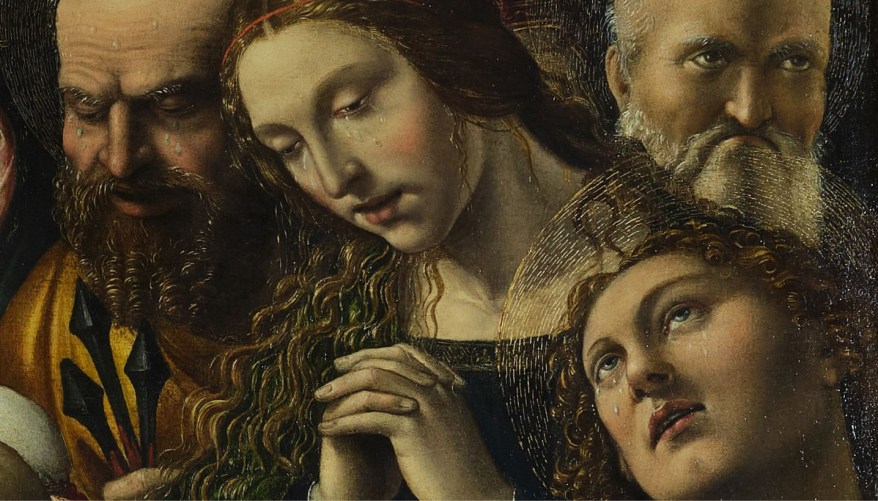
Sodoma in mostra a Torino: il Rinascimento al Museo Accorsi-Ometto
🇮🇹Al Museo di Arti Decorative Accorsi-Ometto arriva una mostra dedicata al Sodoma: oltre 50 opere, alcune mai viste prima, raccontano la formazione dell’artista e il suo dialogo con maestri come Pinturicchio… 🇬🇧An exhibition dedicated to Sodoma arrives at the Accorsi-Ometto Museum of Decorative Arts: over 50 works, some never before seen, recount the artist’s development…
-
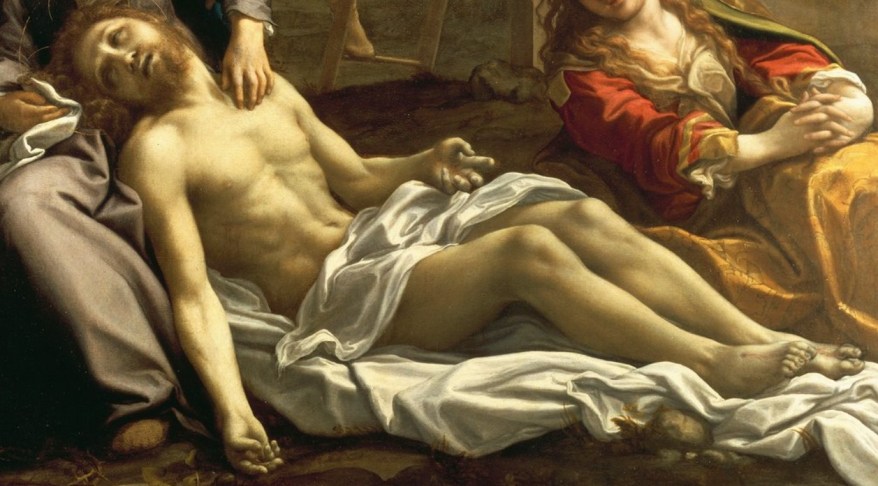
Il Compianto sul Cristo morto di Correggio: pathos e devozione
🇮🇹Con l’inizio della Settimana Santa, vi propongo il Compianto sul Cristo morto di Antonio Allegri, più noto come il Correggio: uno dei vertici assoluti della pittura emiliana del Cinquecento… 🇬🇧With the beginning of Holy Week, I propose the Lamentation over the Dead Christ by Antonio Allegri, better known as Correggio: one of the absolute peaks…
-
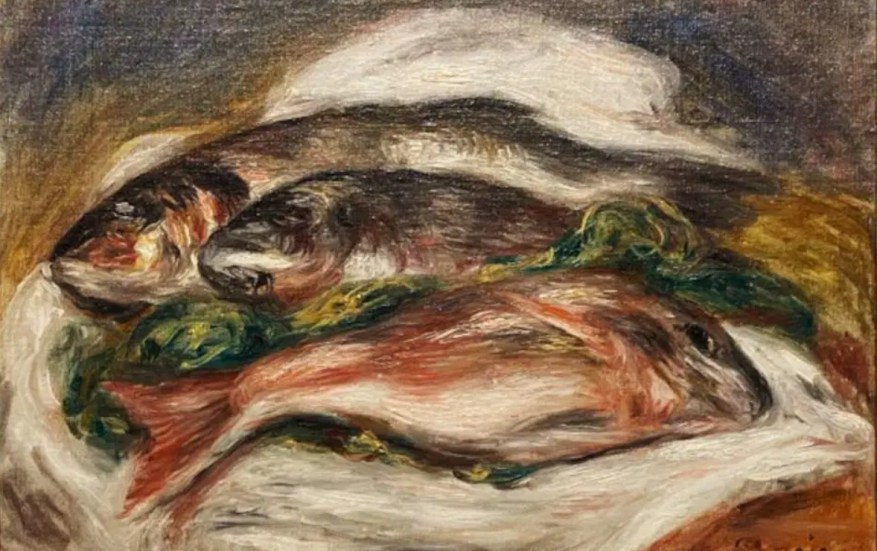
Furto milionario alla Magnani Rocca: rubati Renoir, Cézanne e Matisse
🇮🇹‼Tre capolavori storici spariti in meno di tre minuti: Les Poissons di Renoir, Tasse et plat de cerises di Cézanne e Odalisque sur la terrasse di Matisse sono stati rubati nella dalla Fondazione Magnani Rocca a Mamiano di Traversetolo, nel Parmense… 🇬🇧‼Three historic masterpieces disappeared in less than three minutes: Renoir’s Les Poissons, Cézanne’s Tasse…
Condividi:


Questo sono io





sostienici

Sostienici – Support Us
Se questo blog ti piace e ti appassiona, puoi aiutarci a farlo crescere sempre più sostenendoci in modo concreto condividendo i post, seguendo le pagine social e con un contributo che ci aiuta ad andare avanti con il nostro lavoro di divulgazione. . ENGLISH: If you like and are passionate about this blog, you can help us make it grow more and more by supporting us in a concrete way by sharing posts, following social pages and with a contribution that helps us to move forward with our dissemination work.
€10,00


