
Palazzo Mansi: innamorarsi a Lucca
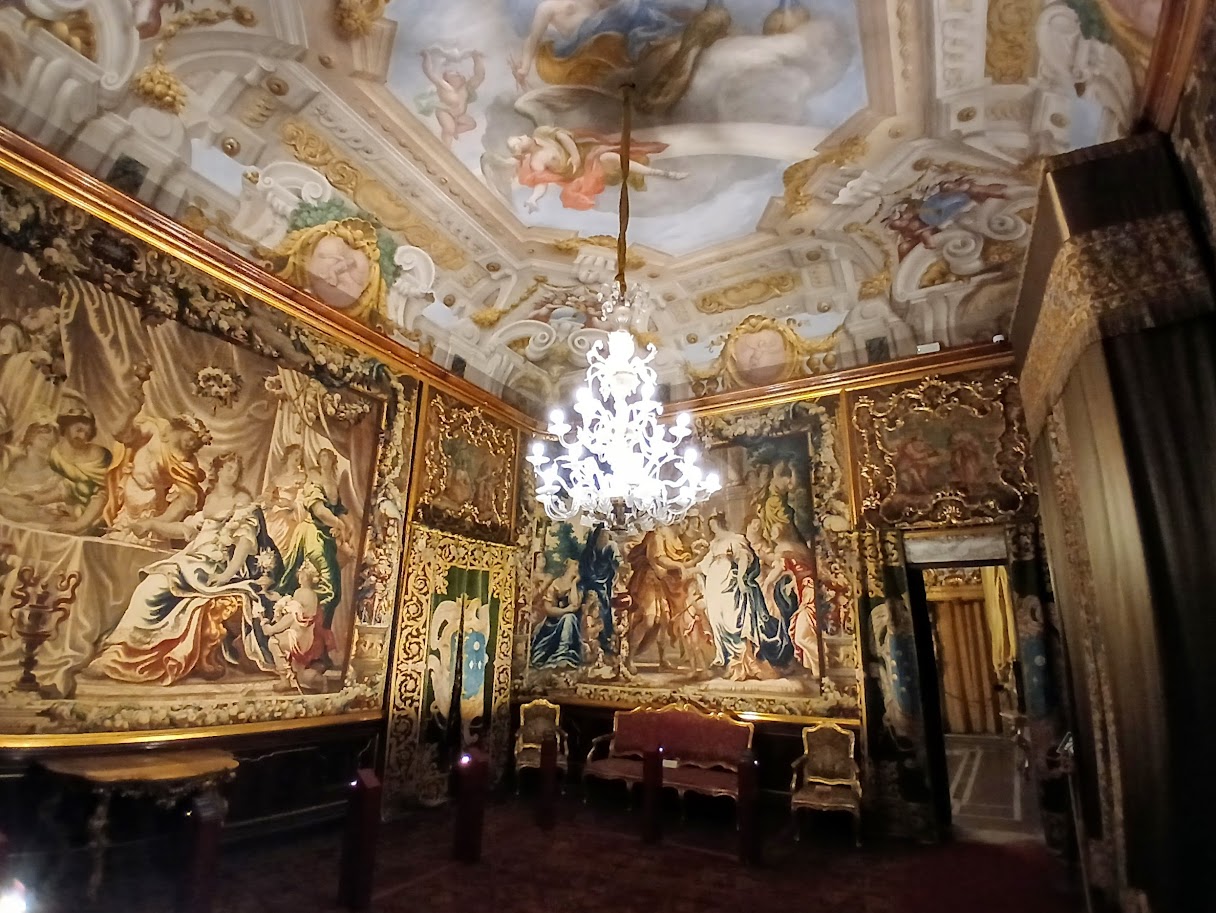
Tra i tanti posti affascinanti che ho visto fino al momento, ne esiste uno dotato di un fascino particolare tanto da risultare difficile da resistergli: è Palazzo Mansi a Lucca, un tripudio di stucchi barocchi, affreschi e pregevoli arazzi tessuti nelle Fiandre.
Dovete sapere che le prime tracce del palazzo risalgono al tardo Cinquecento. In origine era un complesso di case-torri, tipiche dell’architettura civile lucchese dell’epoca.
Nel 1616 il palazzo fu acquistato da Ascanio Mansi che diede inizio alla trasformazione della residenza.

Il restauro barocco
La svolta più significativa per il palazzo avvenne tra il 1686 e il 1691, quando Raffaello Mansi, un membro della danarosa famiglia che si arricchì con la produzione e il commercio della seta lucchese, commissionò all’architetto di Lucca Raffaello Mazzanti un importante restauro.

Mazzanti ristrutturò completamente gli interni del piano nobile, conferendo al palazzo un aspetto sontuoso e barocco. Gli affreschi, gli stucchi e gli arredi rendono tutt’oggi Palazzo Mansi uno dei più affascinanti che esistano.
Palazzo Mansi è appartenuto all’omonima famiglia fino al1965 quando fu venduto allo Stato italiano. A partire dal 1977, assieme a Villa Guinigi, è il museo nazionale di Lucca.
La Galleria degli Specchi
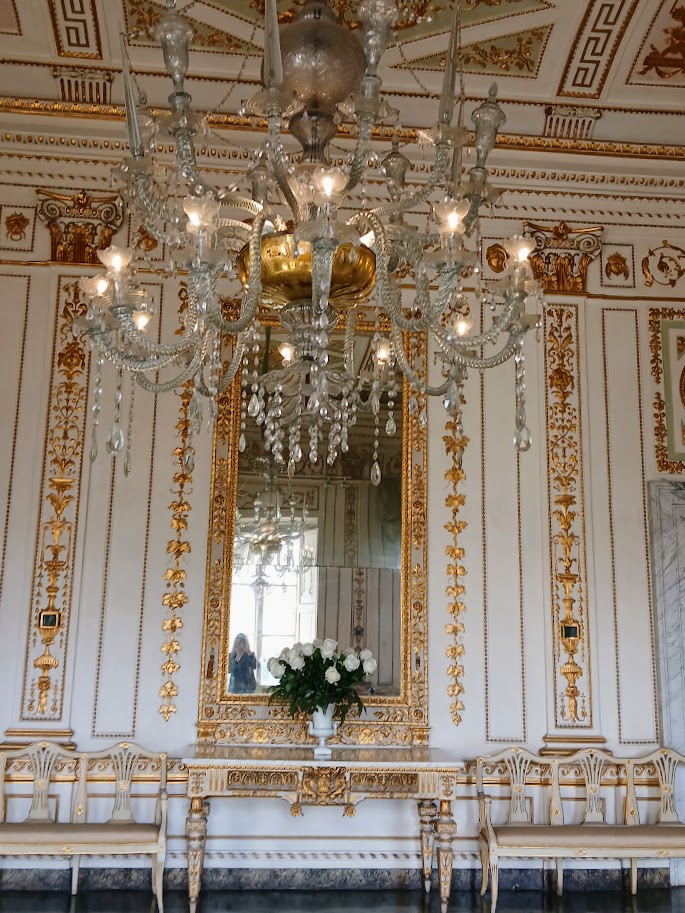
La Sala Nuova o Galleria degli Specchi che dir si voglia, fu realizzata tra il 1791 e il 1792 in stile neoclassico, in occasione del matrimonio di Raffaele Mansi e Camilla Parensi.
Fu Stefano Tofanelli a disegnare sia le porte che gli arredi, decorando il soffitto e le pareti con stucchi dorati seguendo lo stile neoclassico.
La Sala della Musica
Entrando nella Sala della Musica, ci si trova dinanzi a un tripudio di affreschi mentre alle spalle, in alto, il palco dove abitualmente si posizionava l’orchestra intagliato nel legno.

La sala fu pensata da Ottavio Mansi per celebrare il matrimonio del figliolo Carlo con Eleonora Prepoli, sfoggiando tutto il prestigio e la ricchezza che la famiglia Mansi era riuscita a ottenere grazie al commercio delle sete.

Gli affreschi presenti sono di Gioseffo Dal Sole con il Giudizio di Paride e l’Incendio di Troia alle pareti mentre sul soffitto affrescò il Banchetto degli Dei.
Chiarini invece realizzò i raffinati stucchi mentre gli stemmi araldici sulla parte di fondo celebrano l’unione tra i Mansi e i Pepoli.

Le Camere da parata
Le Camere da parata furono decorate nel seicento dal Chiarini e da Giovanni Maria Ciocchi il quale si fece carico di affrescare i soffitti con i quattro elementi: Terra, Aria, Fuoco e Acqua.

La cosa più stupefacente di questa parte di Palazzo Mansi è il ciclo arazzi realizzati nelle Fiandre nel Seicento che racconta le Storie di Aureliano e Zenobia, comprati a Bruxelles nel 1685 da Ottaviano Mansi.

L’Alcova
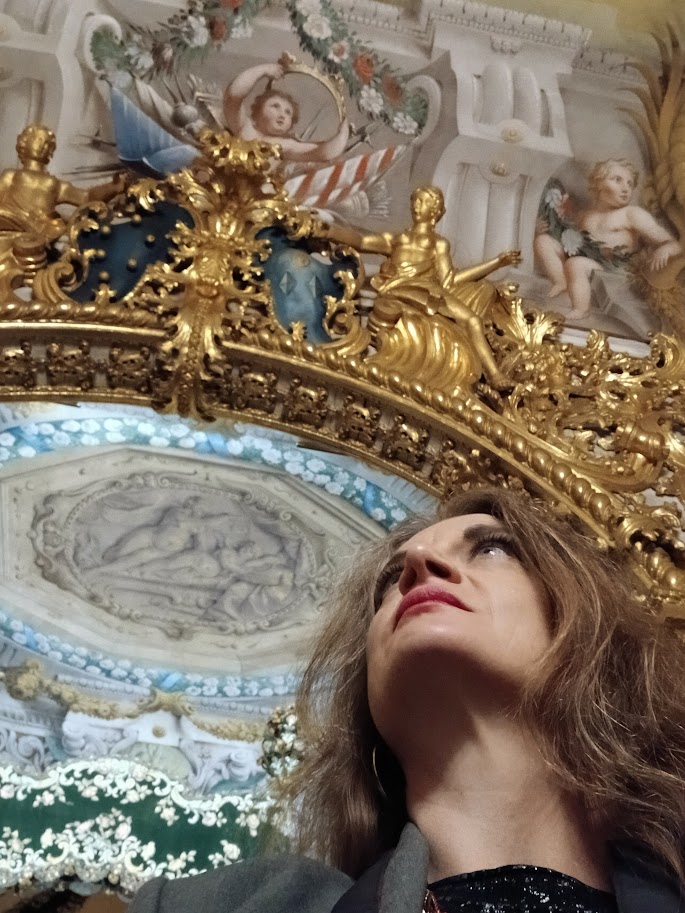
L’Appartamento da parata culmina con la camera degli sposi, nota come l’Alcova. Fu allestita nel 1688 per Carlo Mansi e la sposa Eleonora con la scenografica arcata in legno intagliato dorato.

Il soffitto è affrescato con Amore e Psiche mentre il letto a baldacchino è tappezzato con una splendida stoffa ricamata con fili di seta.

Il resto di Palazzo Mansi
Le meraviglie di Palazzo Mansi non terminano qui ma proseguono con gli appartamenti privati dove viveva la famiglia, arredati con uno stile un po’ più sobrio rispetto alle stanze da parata.
Nel percorso espositivo si possono inoltre ammirare le tele di Pietro Paolini, opere di Mario de Fiori e abiti d’epoca.
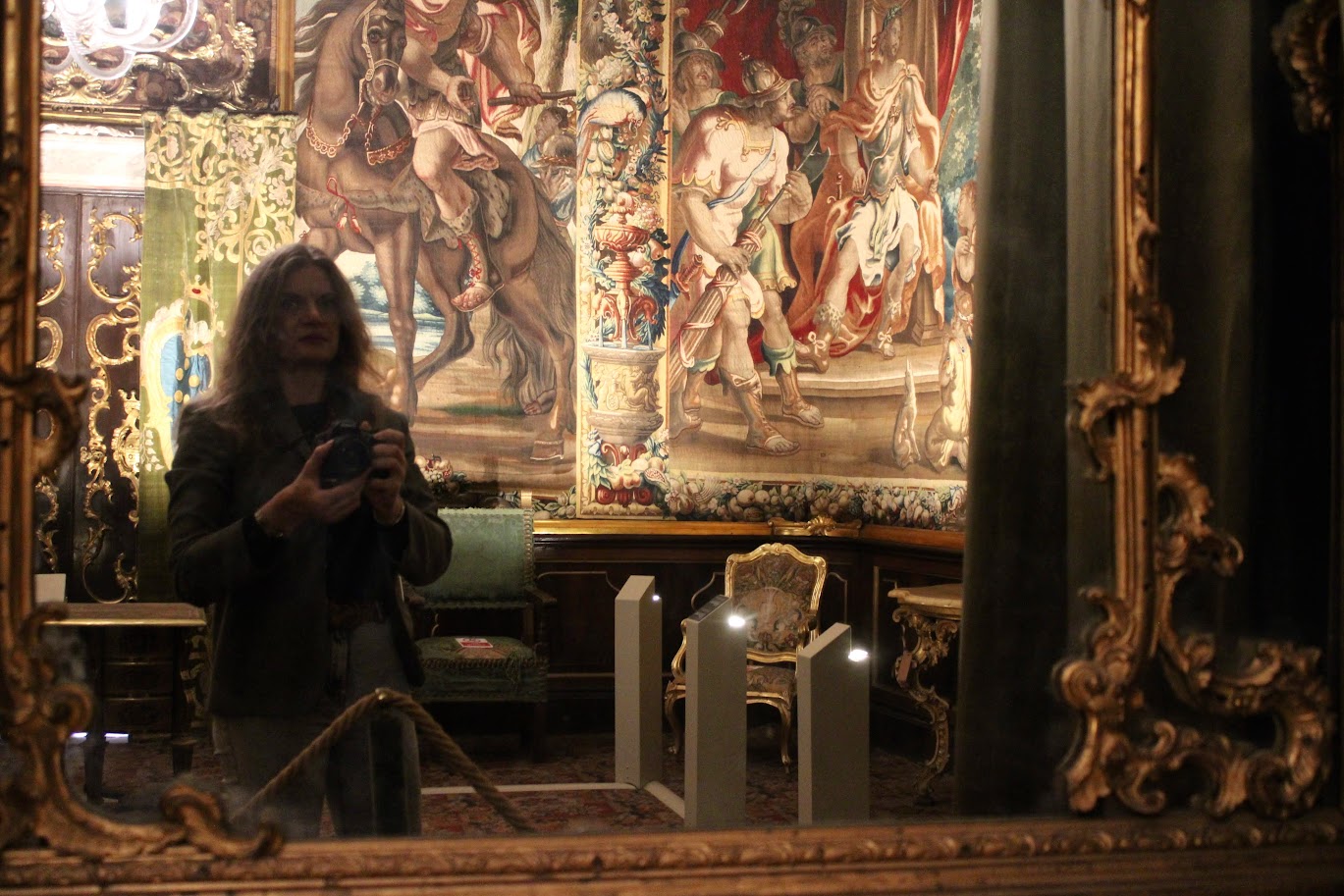
Per il momento il sempre vostro Michelangelo Buonarroti vi saluta dandovi appuntamento ai prossimi post e sui social.
© All rights reserved
Palazzo Mansi: Falling in Love in Lucca
Among the many fascinating places I have seen so far, there is one with a special charm that is hard to resist: it is Palazzo Mansi in Lucca, a riot of baroque stuccos, frescoes and precious tapestries woven in Flanders.
You should know that the first traces of the palace date back to the late sixteenth century. Originally it was a complex of tower houses, typical of the civil architecture of Lucca at the time. In 1616 the palace was purchased by Ascanio Mansi who began the transformation of the residence.
The Baroque restoration
The most significant turning point for the palace occurred between 1686 and 1691, when Raffaello Mansi, a member of the wealthy family that became rich with the production and trade of Lucca silk, commissioned the Lucca architect Raffaello Mazzanti to carry out an important restoration.
Mazzanti completely renovated the interiors of the main floor, giving the palace a sumptuous and baroque appearance. The frescoes, stuccos and furnishings still make Palazzo Mansi one of the most fascinating in existence.
Palazzo Mansi belonged to the Mansi family until 1965 when it was sold to the Italian State. Since 1977, together with Villa Guinigi, it has been the national museum of Lucca.
The Gallery of Mirrors
The Sala Nuova or Gallery of Mirrors, if you prefer, was built between 1791 and 1792 in neoclassical style, on the occasion of the wedding of Raffaele Mansi and Camilla Parensi.
Stefano Tofanelli designed both the doors and the furnishings, decorating the ceiling and walls with gilded stuccos following the neoclassical style.
The Music Room
Entering the Music Room, you find yourself in front of a riot of frescoes while behind, high up, the stage where the orchestra was usually positioned carved in wood.
The room was designed by Ottavio Mansi to celebrate the marriage of his son Carlo with Eleonora Prepoli and to show off all the prestige and wealth that the Mansi family had managed to obtain thanks to the silk trade.
The frescoes present are by Gioseffo Dal Sole with the Judgement of Paris and the Fire of Troy on the walls while on the ceiling he frescoed the Banquet of the Gods.
Chiarini instead created the refined stuccos while the heraldic coats of arms on the back celebrate the union between the Mansi and the Pepoli.
The Parade Rooms
The Parade Rooms were decorated in the seventeenth century by Chiarini and Giovanni Maria Ciocchi who took charge of frescoing the ceilings with the four elements: Earth, Air, Fire and Water.
The most astonishing thing about this part of Palazzo Mansi is the tapestry cycle made in Flanders in the seventeenth century that tells the Stories of Aurelian and Zenobia, bought in Brussels in 1685 by Ottaviano Mansi.
The Alcove
The Parade Apartment culminates with the bridal chamber, known as the Alcove. It was set up in 1688 for Carlo Mansi and his bride Eleonora with the scenic arch in gilded carved wood.
The ceiling is frescoed with Cupid and Psyche while the canopy bed is upholstered with a splendid fabric embroidered with silk threads.
The rest of Palazzo Mansi
The wonders of Palazzo Mansi do not end here but continue with the private apartments where the family lived, furnished in a slightly more sober style than the state rooms.
In the exhibition path you can also admire the paintings of Pietro Paolini, works by Mario de Fiori and period clothes.
For the moment, the ever-your Michelangelo Buonarroti bids you farewell, making an appointment with you in the next posts and on social media.
© All rights reserved

Sostienici – Support Us
Se questo blog ti piace e ti appassiona, puoi aiutarci a farlo crescere sempre più sostenendoci in modo concreto condividendo i post, seguendo le pagine social e con un contributo che ci aiuta ad andare avanti con il nostro lavoro di divulgazione. . ENGLISH: If you like and are passionate about this blog, you can help us make it grow more and more by supporting us in a concrete way by sharing posts, following social pages and with a contribution that helps us to move forward with our dissemination work.
10,00 €
-
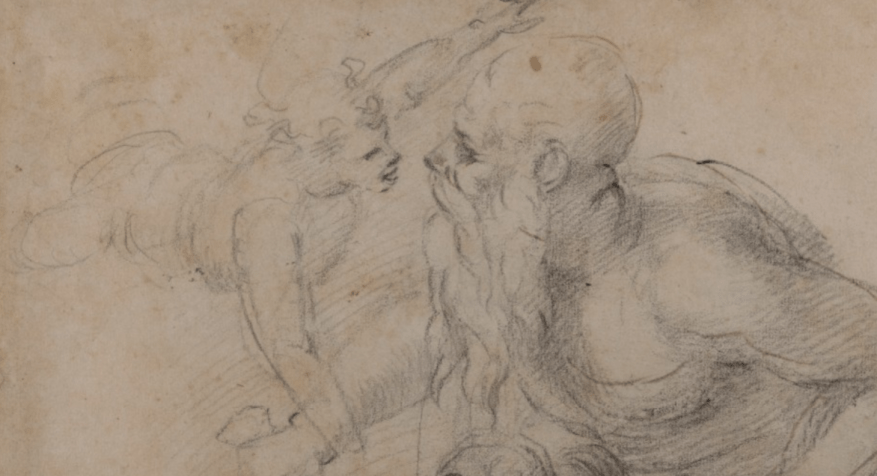
Il Sacrificio di Isacco e quel momento tra la vita e la morte
🇮🇹Oggi voglio raccontarvi alcuni dettagli sul mio disegno del Sacrificio di Isacco, conservato oggi a Casa Buonarroti. Su quel foglio volli tracciare il momento preciso in cui la paura fa spazio al miracolo… 🇬🇧Today I want to tell you some details about my drawing of the Sacrifice of Isaac, now preserved at Casa Buonarroti. On…
-
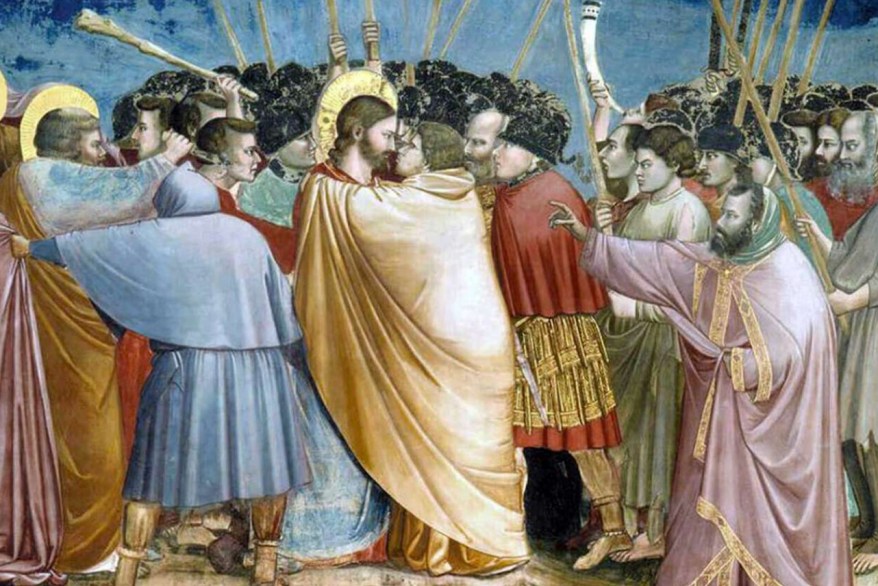
Mercoledì Santo: il giorno del tradimento di Giuda affrescato da Giotto
🇮🇹Il Mercoledì Santo è il giorno del silenzio, della riflessione e del tradimento. È il momento in cui Giuda sceglie di vendere Gesù per trenta denari, segnando uno dei passaggi più dolorosi della Settimana Santa…. 🇬🇧Holy Wednesday is a day of silence, reflection, and betrayal. ✝It is the moment when Judas chooses to sell Jesus…
-
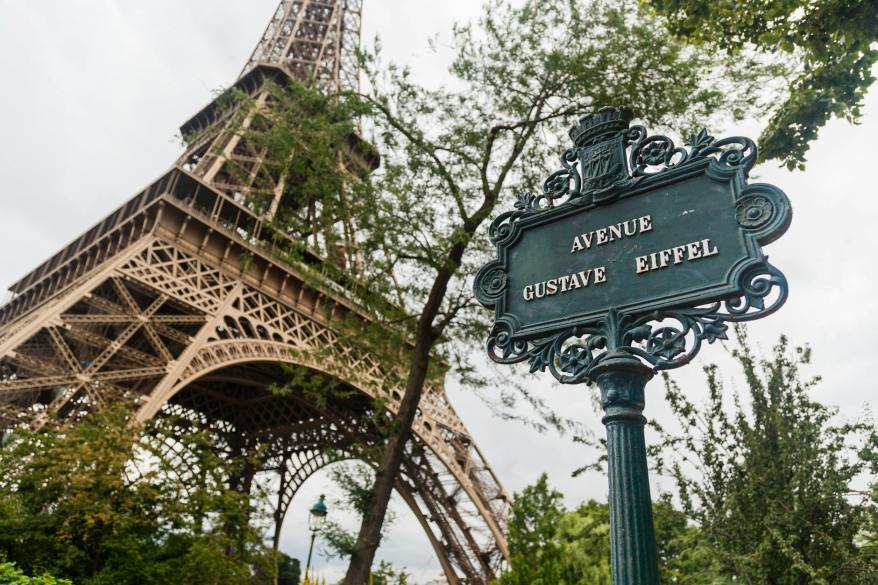
31 marzo 1889: inaugurata la Torre Eiffel tra critiche feroci e un destino inaspettato
🇮🇹Il 31 marzo 1889 segna una data destinata a cambiare per sempre il volto di Parigi e dell’immaginario collettivo globale: viene inaugurata la Torre Eiffel, l’opera più audace e discussa del suo tempo… 🇬🇧March 31, 1889 marks a date destined to change the face of Paris and the global collective imagination forever: the Eiffel Tower,…
Condividi:


Questo sono io





sostienici

Sostienici – Support Us
Se questo blog ti piace e ti appassiona, puoi aiutarci a farlo crescere sempre più sostenendoci in modo concreto condividendo i post, seguendo le pagine social e con un contributo che ci aiuta ad andare avanti con il nostro lavoro di divulgazione. . ENGLISH: If you like and are passionate about this blog, you can help us make it grow more and more by supporting us in a concrete way by sharing posts, following social pages and with a contribution that helps us to move forward with our dissemination work.
€10,00


Che spettacolo questo Palazzo!!!! Davvero incredibile la bellezza che racchiude nelle sue molte sale 👍👍👍👍👍👍👍👏👏👏👏👏👏👏👏👏👏
"Mi piace"Piace a 1 persona
Un palazzo meraviglioso, mirabile soprattutto per le stanze di rappresentanza, interamente decorate con arazzi stupendi provenienti dalle Fiandre…capolavoro
"Mi piace"Piace a 1 persona