

Monna Margherita, la domestica tanto amata
Dovete sapere che il mi babbo per anni ebbe una domestica che servì lui, me da ragazzino e i miei fratelli. Si chiamava Margherita ed era una donna speciale.
Speciale perché in cuor suo conservava una bontà straordinaria. A tutti elargiva buoni consigli e voleva bene a ciascuno di noi. Scontrosa a volte, litigiosa talaltre, era schietta e sincera. Quello mi piaceva di lei.
Per anni fu l’unica figura femminile presente a casa nostra a Firenze, una sorta di seconda mamma.
Vero è che il mi babbo poi si sposò una seconda volta ma con la nuova moglie, purtroppo morta troppo presto pure lei, noi fratelli non avevamo lo stesso rapporto stretto e di confidenza che avevamo con Monna Margherita.
Mano a mano che il tempo passava, fu la mia famiglia a prendersi cura di lei come lei s’era presa di cura di noi per tutta la vita, o quasi.
Volli regalargli il terreno che avevo acquistato a Pazzolatia che potesse fruttarle qualche quattrino. In realtà quello stesso appezzamento l’avevo precedentemente dato in dote alla mi nipote Francesca, sorella minore di Lionardo.
Lei dopo la morte del mi fratello nonché padre suo Buonarroti visse in monastero fino a quando si sposò. Tempi duri quelli per le ragazze che rimanevano presto orfane.

Mi occupavo di pagarle la retta in monastero perché, non essendo suora, dovevo provvedere al suo mantenimento e lo facevo con piacere. Come accennato prima le avevo dato in dote quel terreno ma poi ci ripensai e preferii passarlo a Monna Margherita che ne aveva più bisogno.
A testimonianza di questo fatto rimane la lettera che scrissi al mi nipote Lionardo nel 1540: “Del podere da Pazzolatica, infra quindici o venti dì farò pagare costà a Bonifatio Fatii secte cento ducati per riscuoterlo; ma bisognia prima vedere in che modo Michele gli soda, acciò che la tua sorella, quando avenissi caso nessuno, volendo, ne possa cavare la dota che ha dato“

Proseguii la missiva con un affettuoso pensiero per monna Margherita, tanto amata da mio padre e pure da me: “Conforta mona Margherita a star di buona voglia, e tu tractala bene di facti e di parole, e fa’ d’essere uomo da bene, altrimenti io ti fo intendere che tu non goderai niente del mio”.
Purtroppo monna Margherita morì solo dopo qualche mese.
“Ò inteso la morte di mona Margherita e ònne grandissima passione, più che se mi fussi stata sorella, perché era una donna da bene; e per essere invechiata in casa nostra e per essermi stata rachomandata da nostro padre, ero disposto, come sa Iddio, fargli presto qualche bene. Non gli è piaciuto che l’aspecti: bisognia aver patientia.”
Per il momento il sempre vostro Michelangelo Buonarroti vi saluta dandovi appuntamento ai prossimi post e sui social. © All rights reserved
Monna Margherita, the beloved maid
You should know that for years my father had a maid who served him and my brothers. Her name was Margherita and she was a special woman.
Special because in her heart she kept an extraordinary kindness. She gave everyone good advice and loved each of us. Sometimes grumpy, sometimes quarrelsome, she was frank and sincere. I liked that about her. For years she was the only female figure present in our house in Florence, a sort of second mother.
It is true that my father then married a second time but with his new wife, who unfortunately also died too soon, we brothers did not have the same close and trusting relationship that we had with Monna Margherita.
As time passed, it was my family who took care of her as she had taken care of us all her life, or almost.
I wanted to give her the land I had bought in Pazzolatia that could bring her some money. In fact, I had previously given that same plot of land as a dowry to my niece Francesca, Lionardo’s younger sister. After the death of my brother and her father Buonarroti, she lived in a monastery until she got married. Those were hard times for girls who were orphaned early.
I was responsible for paying her monastery fees because, not being a nun, I had to provide for her maintenance and I did it with pleasure. As mentioned before, I had given her that land as a dowry but then I changed my mind and preferred to pass it on to Monna Margherita who needed it more.
As evidence of this fact, there remains the letter I wrote to my nephew Lionardo in 1540: “Within fifteen or twenty days I will have Bonifatio Fatii secte pay one hundred ducats there to collect the Pazzolatica farm; but first we need to see how Michele will support him, so that your sister, if it happens that no one, if she wants, can get the dowry she has given.”
I continued the letter with an affectionate thought for Monna Margherita, so loved by my father and also by me: “Encourage Monna Margherita to be of good will, and you treat her well with deeds and words, and try to be a good man, otherwise I make you understand that you will not enjoy anything of mine.”
Unfortunately Monna Margherita died only a few months later. “I heard of Mona Margherita’s death and I was very upset about it, more than if she had been my sister, because she was a good woman; and because she had grown old in our house and had been recommended to me by our father, I was willing, as God knows, to do him some good soon. He was not pleased that I waited for it: I must have patience.”
For the moment, yours ever Michelangelo Buonarroti bids you farewell, making an appointment with you in the next posts and on social media. © All rights reserved

Sostienici – Support Us
Se questo blog ti piace e ti appassiona, puoi aiutarci a farlo crescere sempre più sostenendoci in modo concreto condividendo i post, seguendo le pagine social e con un contributo che ci aiuta ad andare avanti con il nostro lavoro di divulgazione. . ENGLISH: If you like and are passionate about this blog, you can help us make it grow more and more by supporting us in a concrete way by sharing posts, following social pages and with a contribution that helps us to move forward with our dissemination work.
10,00 €
-
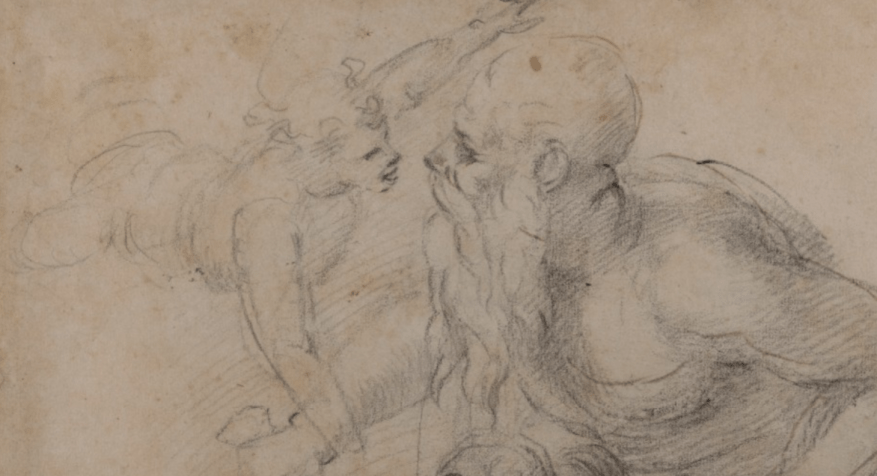
Il Sacrificio di Isacco e quel momento tra la vita e la morte
🇮🇹Oggi voglio raccontarvi alcuni dettagli sul mio disegno del Sacrificio di Isacco, conservato oggi a Casa Buonarroti. Su quel foglio volli tracciare il momento preciso in cui la paura fa spazio al miracolo… 🇬🇧Today I want to tell you some details about my drawing of the Sacrifice of Isaac, now preserved at Casa Buonarroti. On…
-
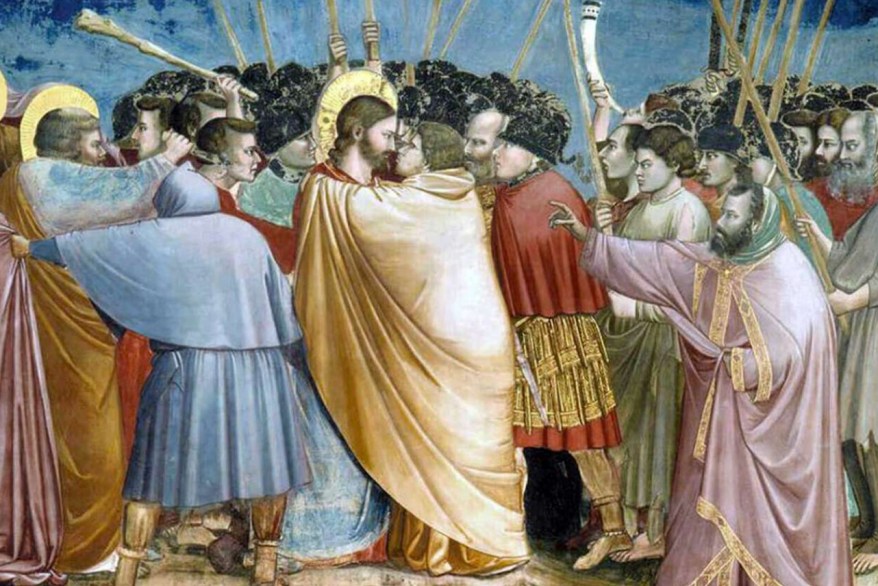
Mercoledì Santo: il giorno del tradimento di Giuda affrescato da Giotto
🇮🇹Il Mercoledì Santo è il giorno del silenzio, della riflessione e del tradimento. È il momento in cui Giuda sceglie di vendere Gesù per trenta denari, segnando uno dei passaggi più dolorosi della Settimana Santa…. 🇬🇧Holy Wednesday is a day of silence, reflection, and betrayal. ✝It is the moment when Judas chooses to sell Jesus…
-
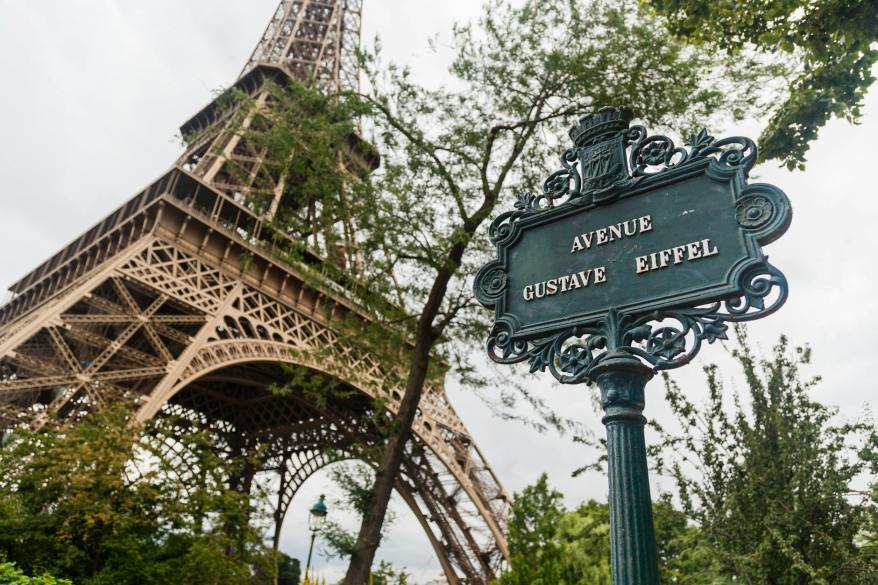
31 marzo 1889: inaugurata la Torre Eiffel tra critiche feroci e un destino inaspettato
🇮🇹Il 31 marzo 1889 segna una data destinata a cambiare per sempre il volto di Parigi e dell’immaginario collettivo globale: viene inaugurata la Torre Eiffel, l’opera più audace e discussa del suo tempo… 🇬🇧March 31, 1889 marks a date destined to change the face of Paris and the global collective imagination forever: the Eiffel Tower,…
Condividi:


Questo sono io





sostienici

Sostienici – Support Us
Se questo blog ti piace e ti appassiona, puoi aiutarci a farlo crescere sempre più sostenendoci in modo concreto condividendo i post, seguendo le pagine social e con un contributo che ci aiuta ad andare avanti con il nostro lavoro di divulgazione. . ENGLISH: If you like and are passionate about this blog, you can help us make it grow more and more by supporting us in a concrete way by sharing posts, following social pages and with a contribution that helps us to move forward with our dissemination work.
€10,00


