
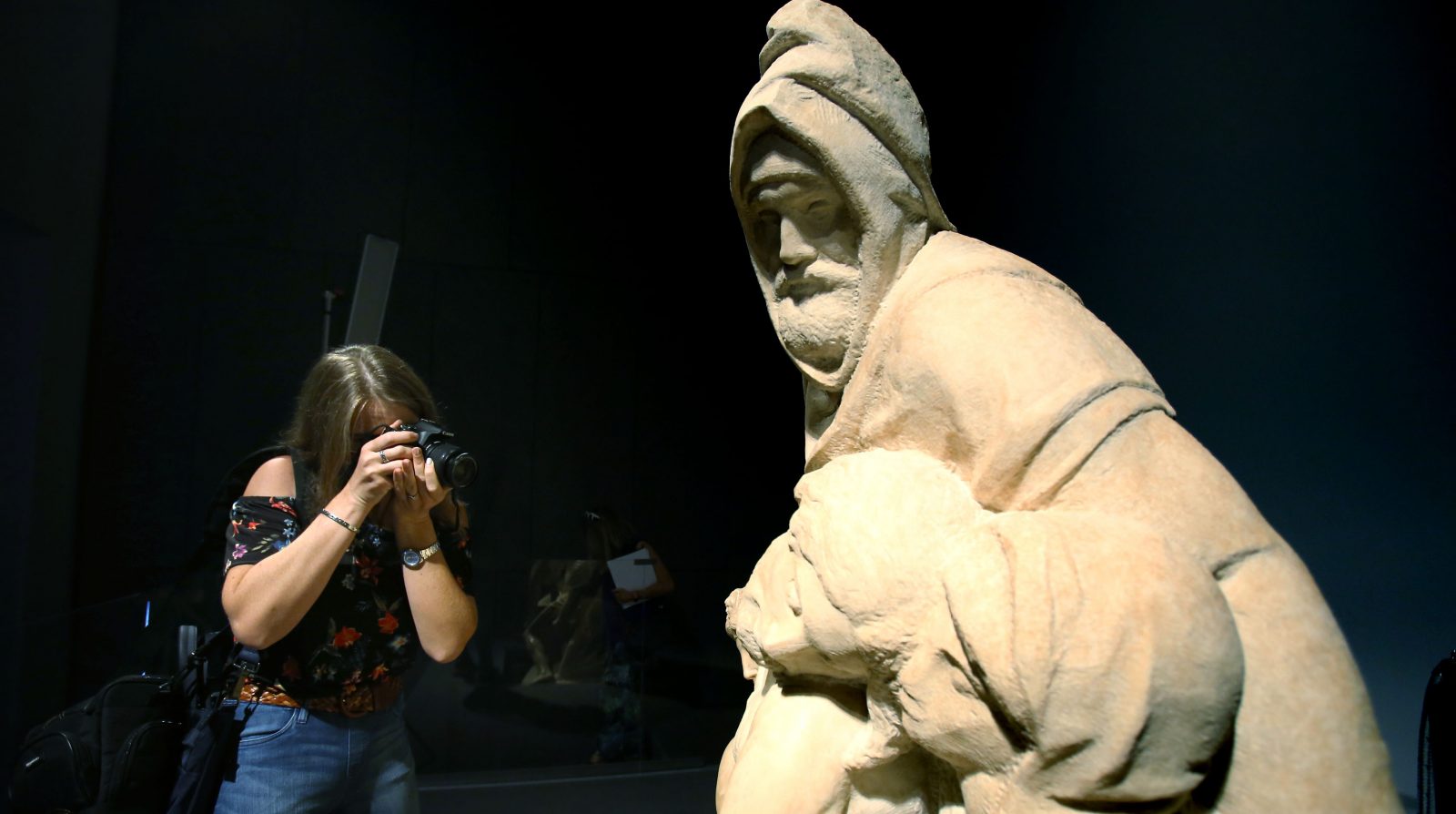
Sagrestia Nuova: il primo ospite illustre che la vide
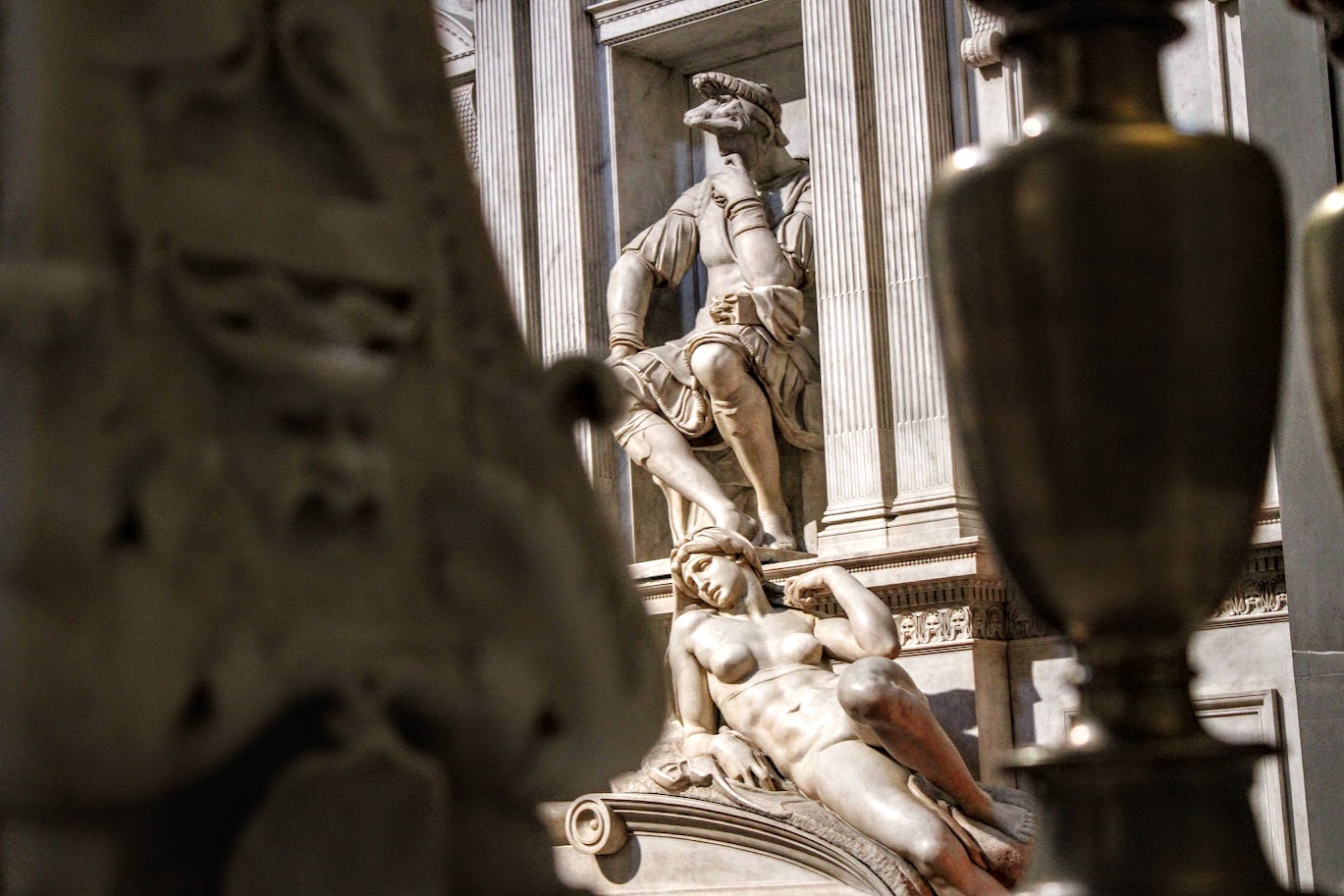
Ero a Roma da quasi un paio d’anni quando la Sagrestia Nuova ebbe il primo ospite illustre fra le sue mura.
Ancora non era come la vedete oggi: le cose ancora da sistemare erano più di una e sarebbero state ultimate solo nei decenni a seguire.
Il 4 maggio del 1536 l’imperatore Carlo V volle a tutti i costi vedere con i suoi occhi quello scrigno che tanto lavoro m’era costato.

Scrisse il Varchi: “andò innanzi alla partita sua (da Firenze) a udir messa in San Lorenzo, e dopo messa andò a vedere quella meravigliosa Sagrestia che fece in quella chiesa Michelangelo Buonarroti scultore fiorentino, il quale meritatamente una delle luci della fiorentina gloria dir si puote; di poi montò a cavallo”.
Infatti, dopo quella visita che tanto ambiva a fare, salì in groppa al suo destriero e partì alla volta di Pistoia, lasciandosi Firenze alle spalle.
Come mai Carlo V era venuto a Firenze? Fu ospite per una settimana del duca Alessandro de’ Medici, da poco divenuto suo genero. In quei giorni volle visitare quasi tutta la città di Firenze e molto apprezzò, oltre alla Sagrestia Nuova, il campanile di Giotto.
Rimase colpito in modo negativo invece da quelli che definì puntelli, cioè gli sporti degli edifici aggettanti e appoggiati sui travi obliqui, tutt’oggi visibili in alcuni vicoli.
Era il modo che s’era trovato in città per guadagnare spazio nelle zone del centro ma dopo quella critica, di sporti ne vennero rimossi più d’uno.
Per il momento il sempre vostro Michelangelo Buonarroti vi saluta dandovi appuntamento ai prossimi post e sui social.
© Riproduzione riservata

New Sacristy: the first illustrious guest who saw it
I had been in Rome for almost a couple of years when the New Sacristy had its first illustrious guest within its walls. It was not yet as you see it today: there were several things that still needed fixing and that would be completed in the following decades.
On May 4, 1536, Emperor Charles V wanted at all costs to see with his own eyes that treasure chest that had cost me so much work.
Varchi wrote: “he went before his departure (from Florence) to hear mass in San Lorenzo, and after mass he went to see that marvelous Sacristy that Michelangelo Buonarroti, a Florentine sculptor, made in that church, who deservedly is one of the lights of Florentine glory, if one may say so; then he mounted his horse”.
In fact, after that visit that he had so longed to make, he climbed onto his steed and set off for Pistoia, leaving Florence behind him.
Why had Charles V come to Florence? He had been a guest for a week of Duke Alessandro de’ Medici, who had recently become his son-in-law. In those days he wanted to visit almost the entire city of Florence. In addition to the New Sacristy, he particularly appreciated Giotto’s bell tower.
He was instead negatively struck by what he called props, that is, the projections of the buildings that jut out and rest on oblique beams, still visible today in some alleys.
It was the way that had been found in the city to gain space in the central areas but after that criticism, more than one projection was removed.
For the moment, yours truly Michelangelo Buonarroti bids you farewell and gives you an appointment for the next posts and on social media.
© All rights reserved

Sostienici – Support Us
Se questo blog ti piace e ti appassiona, puoi aiutarci a farlo crescere sempre più sostenendoci in modo concreto condividendo i post, seguendo le pagine social e con un contributo che ci aiuta ad andare avanti con il nostro lavoro di divulgazione. . ENGLISH: If you like and are passionate about this blog, you can help us make it grow more and more by supporting us in a concrete way by sharing posts, following social pages and with a contribution that helps us to move forward with our dissemination work.
10,00 €
-
Festival La Versiliana 2026: tra musica, teatro e grandi narrazioni
Dal 17 luglio al 23 agosto 2026, la pineta di Marina di Pietrasanta ospiterà la 47ª edizione del Festival La Versiliana. Una kermesse aperta a tutti nella quale linguaggi diversi dialogano tra loro in un equilibrio tra tradizione e contemporaneità.
-
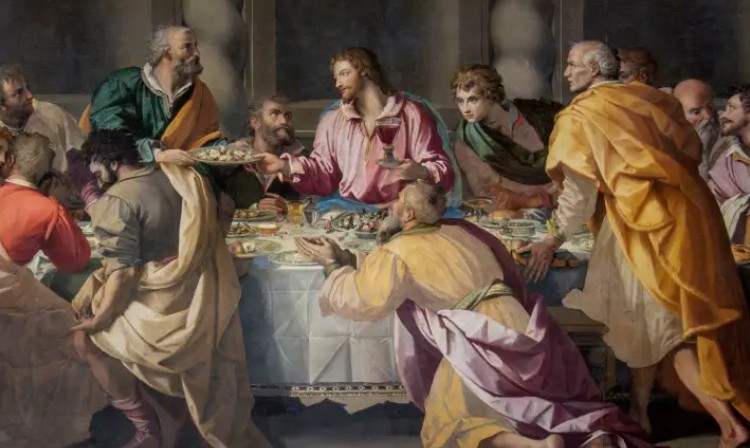
Giovedì Santo: l’Ultima Cena di Allori che pochi conoscono a Firenze
🇮🇹Nel cuore di Museo di Santa Maria Novella, a Firenze, si conserva una delle interpretazioni più affascinanti e meno note dell’Ultima Cena: quella realizzata da Alessandro Allori nel 1584… 🇬🇧In the heart of the Santa Maria Novella Museum in Florence, one of the most fascinating and least-known interpretations of the Last Supper is preserved: the…
-
Cenacolo di Leonardo: i dettagli che raccontano il tradimento
🇮🇹Nel Cenacolo di Leonardo da Vinci, custodito a Santa Maria delle Grazie, Cristo annuncia il tradimento e il tempo si ferma… 🇬🇧In Leonardo da Vinci’s Last Supper, housed in Santa Maria delle Grazie, Christ announces the betrayal and time stands still…
Sostienici – Support Us
Se questo blog ti piace e ti appassiona, puoi aiutarci a farlo crescere sempre più sostenendoci in modo concreto condividendo i post, seguendo le pagine social e con un contributo che ci aiuta ad andare avanti con il nostro lavoro di divulgazione. . ENGLISH: If you like and are passionate about this blog, you can help us make it grow more and more by supporting us in a concrete way by sharing posts, following social pages and with a contribution that helps us to move forward with our dissemination work.
10,00 €
Condividi:


Questo sono io





sostienici

Sostienici – Support Us
Se questo blog ti piace e ti appassiona, puoi aiutarci a farlo crescere sempre più sostenendoci in modo concreto condividendo i post, seguendo le pagine social e con un contributo che ci aiuta ad andare avanti con il nostro lavoro di divulgazione. . ENGLISH: If you like and are passionate about this blog, you can help us make it grow more and more by supporting us in a concrete way by sharing posts, following social pages and with a contribution that helps us to move forward with our dissemination work.
€10,00


